Search News
TerraVista Metrics (TVM)Industry Portal
TerraVista Metrics (TVM)Hot Articles
TerraVista Metrics (TVM)- How to Evaluate Spark Plug Suppliers for Consistent Quality and Lead TimesSpark plugs supplier evaluation guide: compare quality control, traceability, fitment, total cost, and reliable lead times to secure dependable engine maintenance supply.
- What Drives System Interoperability Testing Service Costs in Complex Projects?System interoperability testing service cost depends on integration scope, workflows, environments, and assurance needs. Learn how to budget smarter and reduce project risk.
- Project Planning Sourcing Guides: How to Qualify Suppliers Before Work StartsSourcing guides project planning helps teams qualify suppliers before work begins—verify compliance, delivery capacity, financial strength, and sustainability to reduce risk and protect project outcomes.
Popular Tags
TerraVista Metrics (TVM)Industry NewsSupply Chain Analysis: How to Identify Cost, Risk, and Lead-Time Bottlenecks
auth.Time
Oct 07, 2026Click Count
A project schedule rarely fails because of one obvious mistake. More often, it unravels through a chain of small procurement assumptions: a modular unit that cannot leave the factory on the planned date, a smart hotel controller that does not integrate with the property-management system, a ride component waiting on a specialist bearing, or hospitality furniture that arrives on time but fails commercial durability checks.
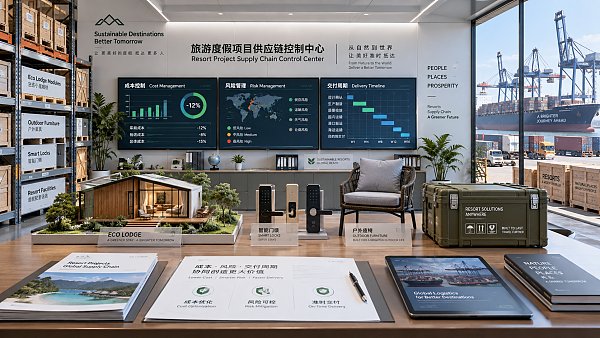
Effective supply chain analysis gives project managers a way to see those assumptions before they become site delays, budget escalations, or difficult conversations with investors and operators. For tourism infrastructure projects, where guest experience depends on hundreds of physical and digital components working together, procurement visibility is not merely an administrative exercise. It is a practical form of project risk control.
This guide explains how to identify the cost, risk, and lead-time bottlenecks that matter most—and how to translate supply chain intelligence into decisions that protect both opening dates and long-term operating performance.
Why tourism projects need a different supply chain lens
A conventional procurement plan may track purchase orders, delivery dates, and supplier quotes. That is necessary, but it is not enough for a destination project. A glamping resort, boutique hotel, attraction site, or outdoor leisure facility combines construction materials, engineered systems, imported equipment, furnishing packages, software, safety documentation, and local installation capability. The real critical path often sits between these categories rather than within one of them.
Consider a prefabricated eco-lodge. The cabin structure may have an acceptable production lead time, yet the project can still stall if the selected glazing specification needs separate certification, if regional road restrictions affect oversized transport, or if the foundation design is not frozen before factory fabrication begins. The quoted cabin price is visible. The consequences of these dependencies are often not.
The same pattern appears in smart hotel deployments. Devices may be readily available, while gateway hardware, network design approval, cybersecurity review, commissioning labor, or software configuration becomes the actual bottleneck. A credible supply chain analysis follows the complete path from technical specification to operational handover—not just the shipment to site.
Start with the asset, not the supplier list
When projects are under pressure, teams commonly begin by asking, “Which suppliers can deliver this?” A more useful opening question is: “What must be true for this asset to perform, be accepted, and operate reliably?” That shift turns procurement from vendor comparison into systems analysis.
Break each major asset package into its functional dependencies. For example:
- Modular structures: structural frame, insulation, weatherproofing, fire performance, utilities interfaces, transport envelope, foundations, lifting plans, and local permitting.
- Smart hotel systems: devices, network architecture, protocol compatibility, data handling, power resilience, installation sequence, software licensing, and support capability.
- Amusement and attraction hardware: engineered components, fatigue-tested materials, safety controls, inspection documents, spare parts, operator training, and maintenance access.
- Outdoor equipment: material durability, corrosion resistance, replacement parts, public-use loading, seasonal storage, and service intervals.
- Hospitality furnishings: finish samples, flame-retardancy requirements, wear resistance, packaging, room-by-room delivery, assembly, and defect resolution.
This exercise reveals where a single dependency can hold up several workstreams. It also prevents the team from treating a complex, integrated package as a simple commodity purchase.
Map the three bottlenecks that change project outcomes
Most procurement problems eventually show up as cost, risk, or delay. These are connected, but they should be assessed separately. A supplier with the lowest unit price may create expensive exposure in the other two categories. Likewise, an apparently fast option may rely on fragile logistics or incomplete technical documentation.
1. Cost bottlenecks: look beyond the purchase order
Price comparison is useful only when the scope is genuinely comparable. In cross-border tourism development, the purchase order often excludes the elements that determine the final installed cost: freight volatility, import duties, inland transport, specialist unloading, local adaptations, testing, commissioning, warranty support, and replacement inventory.
A practical supply chain analysis should calculate a landed-and-operational cost rather than treating factory price as the decision point. For each major package, ask:
- What is included in the supplier’s scope, and what has been left for the site team?
- Which components require controlled transport, special lifting, temperature protection, or customs documentation?
- Are tools, installation consumables, interface parts, and start-up spares included?
- Could an apparently minor design change trigger rework, expedited freight, or a new certification process?
- Who carries the cost if a delivered product does not match approved samples or technical submittals?
For hospitality furnishing, the hidden cost may be a weak packaging plan that increases damage during room-by-room delivery. For modular buildings, it may be a transport route that requires escort vehicles or component redesign. For connected hotel systems, it can be recurring license fees or an integration scope that was assumed but never contractually defined.
The aim is not to select the most expensive “safe” option. It is to compare alternatives on a common basis, with the assumptions visible to finance, construction, operations, and procurement.
2. Risk bottlenecks: identify single points of failure
Risk is often described in broad language—supplier risk, country risk, logistics risk—but project teams need a more actionable view. The key question is whether a component, capability, approval, or route has become a single point of failure.
A single-source item is not automatically unacceptable. Specialist ride hardware, custom façade panels, or proprietary control systems may have no realistic substitute. The issue is whether the project understands the consequences of that dependency and has credible mitigation in place.
Risk analysis should also include operational continuity. A supplier that can install a system but cannot provide parts, remote support, or trained technicians after opening may transfer future cost and downtime to the operator. This is particularly important for remote resorts, high-usage outdoor sites, and attractions where a small technical failure can affect guest safety or revenue.
3. Lead-time bottlenecks: distinguish manufacturing time from readiness time
“Lead time” is one of the most misunderstood figures in procurement. Suppliers may quote the number of weeks required for manufacturing, while the project team interprets that figure as the time until the asset is ready for use. The gap can be substantial.
A more reliable timeline separates the stages:
- Specification freeze and technical approval
- Supplier engineering and shop drawings
- Material procurement and factory production
- Inspection, testing, and compliance documentation
- Packaging, export preparation, and customs clearance
- Transport to site and local receiving
- Installation, integration, testing, and commissioning
- Defect resolution, training, and operational acceptance
The longest stage is not always the bottleneck. A short but non-negotiable approval stage can hold the entire chain. A smart lock package, for instance, may be manufactured quickly, but it cannot be commissioned until doors, network infrastructure, room numbers, access rules, and management software are all ready. No amount of supplier urgency can solve a sequencing problem created upstream.
Build a critical supply map that people can actually use
Complex spreadsheets often fail because they become too detailed to guide decisions. A working supply map should be simple enough for a weekly project meeting yet rigorous enough to expose problems early.
For every high-value, safety-critical, schedule-critical, or operationally sensitive package, record the following:
- Asset name and package owner
- Required on-site date and required operational date
- Technical approval status
- Supplier production status and capacity confidence
- Critical subcomponents and origin countries
- Compliance documents required before shipment or installation
- Transport mode, route, and receiving constraints
- Installation and integration prerequisites
- Fallback option, if one exists
- Current risk rating, decision required, and accountable owner
The distinction between the required on-site date and the required operational date is especially valuable. A delivered item has not necessarily reduced project risk. It may still require assembly, calibration, connectivity testing, authority inspection, or staff training before it creates value for the destination.
Use supplier evaluation as evidence gathering, not a scorecard ritual
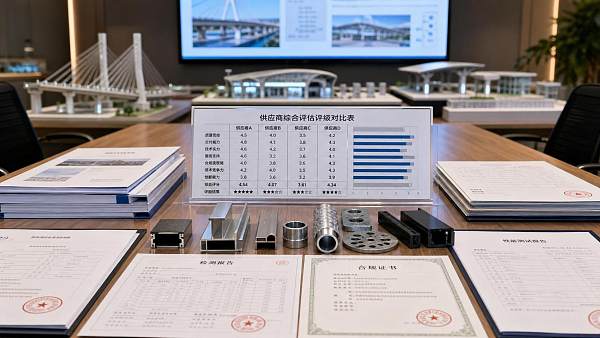
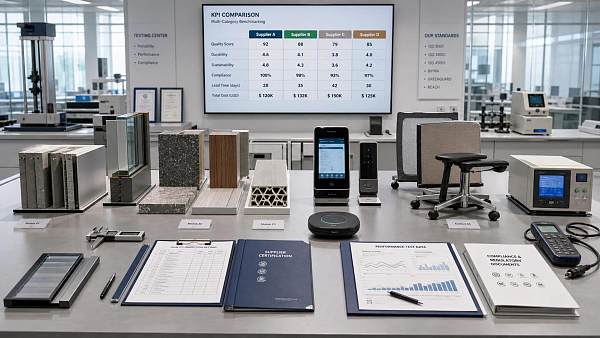
Supplier scorecards can be useful, but they become misleading when a supplier receives a high rating simply for completing a questionnaire. For complex tourism assets, the most telling evidence comes from how the supplier manages technical detail, changes, and exceptions.
During evaluation, ask for information that reveals execution maturity:
- Which parts of the product are manufactured in-house, and which are externally sourced?
- What is the current production load, and what capacity has been reserved for this project?
- Can the supplier provide a realistic engineering-to-commissioning schedule rather than a factory-only lead time?
- How are quality checks documented, particularly for structural, safety, electrical, or weather-exposed components?
- What changes require redesign, recertification, or extended procurement?
- What service support is available in the project region after handover?
Watch for answers that sound confident but remain vague. “Standard compliance,” “fast delivery,” or “global support” should lead to follow-up questions: Which standard? From which factory? Through which local partner? Under what response process? Clear evidence is more valuable than polished presentation material.
Where projects commonly misread the warning signs
One frequent mistake is treating an approved sample as proof of production readiness. A sample may demonstrate appearance, but it does not prove consistent batch quality, available raw materials, scalable fabrication, or logistical suitability. This matters when natural finishes, textiles, timber, coatings, and custom metalwork must remain consistent across many rooms or units.
Another mistake is allowing commercial negotiations to run separately from technical validation. A lower price becomes difficult to challenge once it has influenced the budget, even if later review reveals missing interfaces or uncertain compliance. Procurement and engineering do not need to agree on every decision, but they do need one shared record of scope, assumptions, and acceptance criteria.
Projects also underestimate change management. Design changes are inevitable; unmanaged changes are not. Each proposed change should be tested against cost, certification, production sequence, transport dimensions, installation interfaces, and future maintenance. A small visual adjustment to a modular cabin, for example, may alter thermal performance, structural loading, or manufacturing tooling.
Turning supply chain analysis into a decision rhythm
The best analysis is not a report that sits in a shared folder. It becomes part of how the project makes decisions. Establish a recurring review focused only on exceptions: packages with slipping approvals, uncertain capacity, unresolved interfaces, missing documents, or no credible recovery plan.
At that meeting, avoid asking only, “Is the delivery date still on track?” Ask sharper questions: What assumption is carrying this date? What must happen in the next two weeks to preserve it? If that event fails, what is the earliest warning signal and who has authority to act?
For projects spanning multiple countries and asset types, independent benchmarking can add useful discipline. TerraVista Metrics approaches this challenge by connecting engineering performance, regulatory considerations, market intelligence, and supply chain visibility across prefabricated structures, smart hospitality systems, outdoor equipment, attractions, and commercial furnishings. For a project team, that type of technical context can help separate a visually compelling proposal from one that is genuinely ready for transport, installation, compliance review, and long-term use.
A practical final test before commitment
Before signing off on any critical package, imagine that it has arrived at the site boundary. Can the team receive it, install it, connect it, inspect it, operate it, maintain it, and replace its vulnerable components? If the answer depends on unresolved details, the procurement decision is not yet complete.
Strong supply chain analysis does not remove uncertainty from development. Tourism projects will always face design evolution, weather events, trade friction, and shifting market conditions. What it does provide is earlier visibility: a clearer view of where money may leak, where a single dependency can stop progress, and where an attractive lead time is hiding unfinished work.
For project managers and engineering leaders, that visibility creates room to make deliberate choices. It may mean reserving capacity earlier, approving an alternative material, dividing shipments, adding spares, changing an installation sequence, or declining a supplier whose proposal cannot withstand technical scrutiny. Those decisions are rarely glamorous. Yet they are often what protects the opening day—and the guest experience that follows.
Recommended News
 Sep 27, 2026How to Design Scalable System Integration Testing for Multi-Vendor DeploymentsScalable system integration testing for multi-vendor deployments: build resilient, secure, and growth-ready operations with proven interface, resilience, and acceptance strategies.
 Sep 24, 2026Hotel Tourism Benchmarking: Which KPIs Reveal Competitive Market Position?Tourism benchmarking for hotels reveals the KPIs that define competitive position, from RevPAR index and demand quality to profit, guest experience, and asset resilience.
 Sep 20, 2026Supply Chain Analysis: How to Identify Cost, Risk, and Lead-Time BottlenecksSupply chain analysis helps tourism project leaders uncover cost, risk, and lead-time bottlenecks—protecting opening dates, budgets, and guest-ready operations.
 Sep 19, 2026How to Choose Industry Benchmarking Tools That Deliver Actionable Performance InsightsIndustry benchmarking tools: learn how to validate data, compare lifecycle costs, assess compliance, and turn performance evidence into smarter decisions.
 Sep 14, 2026Engineering Performance Testing Trends Reshaping Product Validation WorkflowsEngineering performance testing trend analysis reveals how assembly validation, realistic environmental loads, and digital resilience improve product reliability and reduce field failures.
 Sep 12, 2026Cloud Integration Interoperability Testing: Methods, Metrics, and Release GatesSystem interoperability testing cloud integration: explore practical methods, key metrics, and evidence-based release gates for secure, reliable connected operations.
 Sep 05, 2026What Engineering Performance Testing Should Cover During a Specification ReviewEngineering performance testing for specification review: learn how to verify structural strength, durability, safety, sustainability, and system reliability before costly project decisions.
 Aug 11, 2026How to Evaluate Materials Performance Analysis Services in Europe for Compliance-Critical ProjectsMaterials performance analysis Europe: learn how to compare accredited labs, verify compliance readiness, and choose a provider whose data, methods, and reports stand up to real project scrutiny.
 Jul 27, 2026Product Application Analysis for Procurement: How to Compare Fit, Risk, and ROIProduct application analysis for procurement helps buyers compare fit, compliance risk, lifecycle cost, and ROI with confidence. Learn a practical framework to avoid costly sourcing mistakes.
 Jul 22, 2026How to Evaluate Weather Resistance in Materials Performance Analysis?Materials performance analysis weather resistance explained: learn how to assess UV, moisture, temperature, and corrosion risks to choose durable materials with confidence.
 Jul 15, 2026Cloud Storage for Business: How to Compare Security, Access Speed, and Backup CostsCloud storage for business: compare security, access speed, and backup costs with a practical framework to reduce risk, control spend, and choose the right provider with confidence.
 Jul 14, 2026What Are Standardized Performance Benchmarks Ratings Used For in Vendor Evaluation?Standardized performance benchmarks rating explains how buyers compare vendors with verified data on compliance, durability, and lifecycle value for smarter procurement decisions.
 Jul 13, 2026Product Benchmarking Rating Explained: How to Compare Scores Across SuppliersProduct benchmarking rating explained: learn how to compare supplier scores with confidence, verify methodology, spot hidden risks, and make smarter procurement decisions.
 Jul 13, 2026How to Choose a Product Benchmarking Data Provider for Reliable Market ComparisonsProduct benchmarking data provider selection starts with methodology, transparency, and sector fit. Learn how to compare providers for reliable market insights and smarter procurement decisions.
 Jul 10, 2026Technical Integration Resilience Explained: How to Reduce Downtime Across Connected SystemsTechnical integration resilience explained: learn how to reduce downtime, prevent cascading failures, and improve uptime across connected systems with practical planning insights.
 Jul 08, 2026How to Use Product Benchmarking KPIs to Compare Competing SolutionsProduct benchmarking KPIs help you compare competing solutions with real evidence. Learn how to measure performance, lifecycle cost, compliance, and risk for smarter buying decisions.
 Jul 05, 2026How to Run an Environmental Sustainability Assessment: Metrics, Boundaries, and Trend AnalysisEnvironmental sustainability assessment trend analysis made practical: learn how to set metrics and boundaries, compare lifecycle impacts, and turn sustainability data into smarter decisions.
 Jul 04, 2026Hospitality Design Benchmarks Metrics Explained: Which KPIs Matter for Guestroom Upgrades?Hospitality design benchmarks metrics explained: discover the KPIs that matter most for guestroom upgrades, from lifecycle cost and durability to energy use, maintenance, and guest satisfaction.
 Jul 02, 2026How to Compare Product Category Pricing Models for Better Margin PlanningProduct category pricing model comparison made practical: learn how to evaluate total cost, hidden risks, and lifecycle value to improve margin planning and make smarter sourcing decisions.
 Jun 30, 2026How Technical Explainer Content for Procurement Helps Compare Specs, Risks, and SuppliersTechnical explainer content for procurement helps teams compare specs, uncover supplier risks, and choose solutions that improve compliance, lifecycle value, and long-term performance.
 Jun 29, 2026System Interoperability Testing Vendors: Key Criteria for Compliance and PerformanceSystem interoperability testing vendors compared: discover how to assess compliance, performance, independence, and real-world reliability before costly integration failures happen.
 Jun 28, 2026Product Benchmarking Explained: How to Compare Performance, Cost, and QualityProduct benchmarking explained: learn how to compare performance, cost, and quality with a practical framework that reduces risk, improves supplier selection, and supports smarter long-term decisions.
 Jun 27, 2026How to Build a Product Benchmarking Comparison Matrix for Hospitality Equipment SelectionProduct benchmarking comparison matrix guide for hospitality equipment selection. Learn to compare cost, compliance, durability, and lifecycle value with confidence.
 Jun 25, 2026What Drives System Interoperability Testing Implementation Cost in Multi-Vendor Projects?System interoperability testing implementation cost rises in multi-vendor projects due to scope gaps, retesting, compliance, and downtime risk. Learn how to control costs early.
Quarterly Executive Summaries Delivered Directly.
Join 50,000+ industry leaders who receive our proprietary market analysis and policy outlooks before they hit the public library.