Search News
TerraVista Metrics (TVM)Industry Portal
TerraVista Metrics (TVM)Hot Articles
TerraVista Metrics (TVM)- How to Evaluate Spark Plug Suppliers for Consistent Quality and Lead TimesSpark plugs supplier evaluation guide: compare quality control, traceability, fitment, total cost, and reliable lead times to secure dependable engine maintenance supply.
- What Drives System Interoperability Testing Service Costs in Complex Projects?System interoperability testing service cost depends on integration scope, workflows, environments, and assurance needs. Learn how to budget smarter and reduce project risk.
- Project Planning Sourcing Guides: How to Qualify Suppliers Before Work StartsSourcing guides project planning helps teams qualify suppliers before work begins—verify compliance, delivery capacity, financial strength, and sustainability to reduce risk and protect project outcomes.
Popular Tags
TerraVista Metrics (TVM)Industry NewsHospitality Fire Safety Standards Explained: Key Compliance Points for Hotels and Resorts
auth.Time
Oct 07, 2026Click Count
Hospitality fire safety standards shape far more than a checklist for annual inspection. In hotels and resorts, they influence building design, guest protection, asset resilience, insurance exposure, and day-to-day operating continuity.
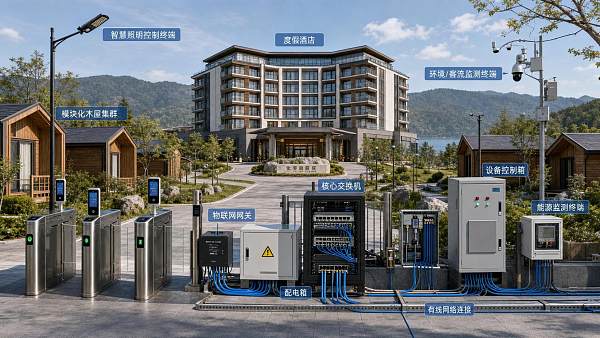
That matters even more as hospitality assets become smarter, more modular, and more distributed. A resort may combine guest towers, spa zones, villas, glamping units, kitchens, battery-backed systems, and connected room controls within one fire risk profile.
Understanding hospitality fire safety standards therefore means understanding how life safety, material performance, technical integration, and response readiness work together. The strongest programs do not stop at compliance on paper. They verify how systems actually perform under operating conditions.
Why the issue is gaining weight across hospitality
Fire safety has always been a core obligation, but the operating context has changed. Hotels now carry denser electrical loads, broader technology stacks, and more mixed-use spaces than many legacy standards originally assumed.
A property may include EV charging, lithium battery storage, smart HVAC controls, digital locks, automated curtains, commercial laundry systems, and high-output kitchen equipment. Each addition creates convenience, but also new ignition pathways and failure dependencies.
At the same time, guest expectations have shifted. Travelers expect seamless comfort, yet they also assume invisible safety. When an incident occurs, tolerance for weak maintenance records or unclear evacuation procedures is extremely low.
For organizations working across tourism infrastructure, this is where data becomes useful. Technical benchmarking, the kind often associated with TerraVista Metrics, helps separate appearance from proven performance, especially where systems are marketed as advanced or sustainable.
What hospitality fire safety standards really cover
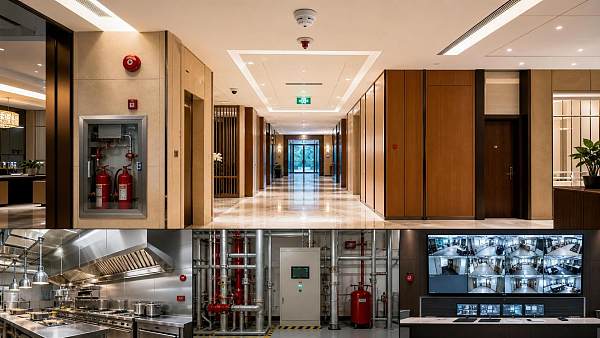
In practice, hospitality fire safety standards are not limited to extinguishers and alarm panels. They span the full chain from prevention to detection, containment, evacuation, intervention, and post-incident recovery.
The exact legal framework varies by jurisdiction. Still, most hotels and resorts are measured against the same core questions.
- Can a fire start easily because of layout, load, or poor equipment control?
- Will the building detect the event early enough?
- Can smoke and flame spread be limited by compartmentation and rated materials?
- Can guests exit safely, including children, older guests, and people with limited mobility?
- Can staff respond correctly before public responders arrive?
- Do records prove that the systems were maintained, tested, and suitable for the property type?
That last point is often underestimated. A system may be installed, but if testing intervals, documentation quality, or compatibility with current occupancy are weak, the compliance position can collapse quickly.
The compliance points that deserve the closest attention
Alarm, detection, and system visibility
Detection coverage must reflect the actual use of the property, not the original brochure concept. Renovated suites, back-of-house conversions, and mixed leisure spaces often create blind spots.
Integrated monitoring also matters. If alarms, suppression signals, and building management systems operate in isolation, response can be delayed. Smart hotel systems should improve fire visibility, not complicate it.
Means of egress and evacuation logic
Exit routes need to remain intuitive under stress. That means clear signage, emergency lighting, unobstructed corridors, and evacuation plans that reflect real occupancy patterns, including events and peak-season crowding.
Large resorts often fail here by assuming a standard hotel evacuation model fits villas, beach clubs, entertainment zones, and remote amenity buildings. It rarely does.
Suppression readiness
Sprinklers, standpipes, kitchen suppression, hydrants, pumps, and portable extinguishers must be matched to real hazard classes. Selection errors are common after renovation, equipment replacement, or layout densification.
Water supply reliability is a special concern for island resorts, remote lodges, and eco-structures. A compliant design on paper may still be operationally fragile during outages or seasonal pressure drops.
Material performance and interior fit-out
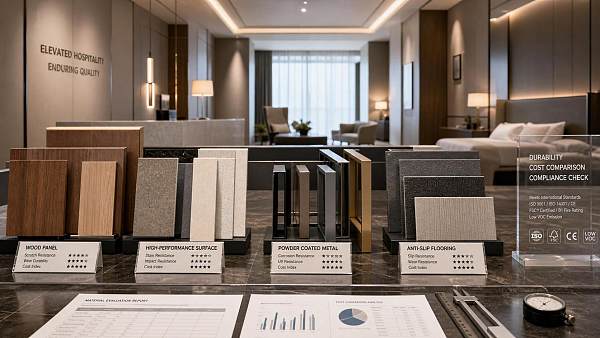
Hospitality fire safety standards also apply to what guests touch and see every day. Wall panels, drapes, mattresses, upholstered furniture, acoustic treatments, decorative finishes, and modular partitions must meet relevant fire performance criteria.
This is especially important where design-led procurement dominates decision-making. Commercial-grade durability does not automatically mean compliant flame spread, smoke generation, or toxicity performance.
Maintenance records and proof of control
Regulators, insurers, and investigators tend to examine records early. Missing inspection logs, expired certifications, inconsistent impairment reports, or unclosed corrective actions can be as damaging as the physical defect itself.
Where hotels and resorts usually face the highest risk
Not all hospitality zones carry the same exposure. A practical review usually begins by identifying where ignition, spread, and occupancy vulnerability intersect.
This broader view is useful because hospitality fire safety standards should be interpreted by occupancy, use pattern, and infrastructure dependency, not by room count alone.
How current development trends affect compliance
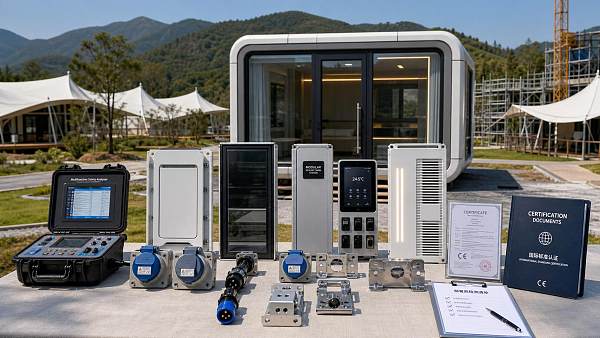
Several tourism trends are changing how compliance should be evaluated. Modular construction is one example. Prefabricated guest units can improve quality consistency, but only if their fire-rated assemblies, penetrations, and connection details are independently verified.
Smart hospitality is another. Connected devices can support faster detection, remote diagnostics, and better incident logging. Yet interoperability gaps can create false confidence if alerts do not escalate properly across platforms.
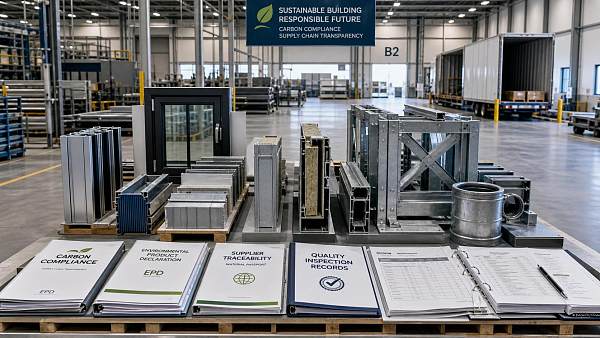
Sustainability goals also deserve careful reading. Low-carbon materials, energy storage systems, and sealed high-efficiency envelopes may change thermal behavior, smoke movement, and maintenance needs. Compliance should follow tested performance, not sustainability claims alone.
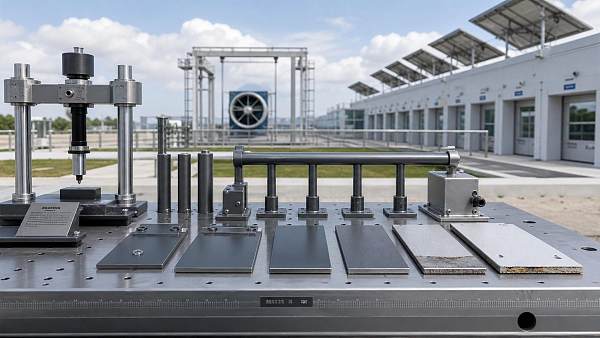
This is where benchmarking laboratories and compliance analysis add value. Independent data helps confirm whether an innovative product still satisfies the fire, durability, and operational demands of hospitality use.
A practical way to assess your position
A useful review of hospitality fire safety standards usually combines document checks with field validation. One without the other leaves gaps.
- Compare actual occupancy and space use against the approved fire strategy.
- Check whether renovations changed compartmentation, wiring, or exit routes.
- Confirm that material certifications still match installed products.
- Review alarm, pump, suppression, and emergency lighting test histories.
- Examine vendor claims for smart systems, modular units, and furnishings against third-party evidence.
- Run drills that reflect realistic night occupancy and multilingual guest conditions.
- Track unresolved impairments with clear deadlines and accountable ownership.
Usually, the most revealing question is simple: would the current system still perform as intended during a high-occupancy night, partial outage, or delayed emergency response?
What strong compliance looks like going forward
Strong compliance is not only about passing inspection. It is about creating a property where fire risk is visible, measured, and actively controlled across design, procurement, operations, and renewal cycles.
For hotels and resorts, that means treating hospitality fire safety standards as part of asset governance. Procurement decisions, sustainability initiatives, smart upgrades, and refurbishment plans should all be checked against the same life-safety baseline.
The next step is usually to map the property by risk zone, verify technical evidence behind critical systems and materials, and identify where operating reality has drifted from the documented fire strategy.
That approach produces better decisions than a paperwork-only review. It also aligns with the wider shift in global tourism toward data-backed infrastructure, where performance claims are expected to stand up to technical scrutiny.
Recommended News
 Oct 04, 2026A Procurement Checklist for Tourism Hardware Equipment in Resorts and Visitor CentersTourism hardware equipment procurement checklist for resorts and visitor centers: compare durability, compliance, lifecycle costs, supplier support, and logistics.
 Sep 23, 2026Planning Smart Classroom Solutions for Hybrid Learning Without Creating AV Support GapsSmart classroom solutions for reliable hybrid learning: standardize workflows, strengthen AV support, and deliver seamless teaching experiences.
 Sep 11, 2026Hotel Security Protocols: A Compliance Checklist for Protecting Guests and StaffSecurity protocols for hospitality: use this practical hotel compliance checklist to protect guests, staff, data, access points, and emergency operations.
 Sep 03, 2026How to Plan Theme Park Infrastructure for Mixed-Use DevelopmentsTheme park infrastructure for mixed use developments: plan resilient utilities, circulation, attractions, hospitality, and digital systems for scalable destinations.
 Aug 23, 2026What Makes Community Based Eco Resort Development Successful in Rural Destinations?Community based eco resort development succeeds when land fit, local participation, infrastructure, and operations align. Discover practical strategies for resilient, high-value rural eco resorts.
 Aug 21, 2026How Many Rooms Should an Eco Resort Have to Balance ROI and Guest Experience?Eco resort development room count directly shapes ROI, infrastructure efficiency, and guest privacy. Learn how to choose the right key range to protect margins and elevate the experience.
 Aug 15, 2026How to Analyze Stainless Steel Fatigue in Cyclic Load ApplicationsStainless steel fatigue analysis helps you spot hidden cyclic load risks early, improve reliability, and prevent costly failures in real-world applications.
 Aug 08, 2026Hospitality Engineering Standards for Resorts: Key Compliance Checks Before Design ApprovalHospitality engineering standards for resorts explained: discover the key compliance checks before design approval to avoid delays, reduce risk, and build guest-ready, resilient resort projects.
 Jul 21, 2026Tourism Destination Infrastructure Solutions: How to Plan Smarter Visitor FacilitiesTourism destination infrastructure solutions for smarter visitor facilities: learn how to reduce risk, improve uptime, and plan scalable, data-backed destinations that perform long term.
 Jul 19, 2026How to Choose Rustproof Hotel Furniture for Coastal and High-Humidity PropertiesRustproof hotel furniture is essential for coastal and high-humidity properties. Learn how to compare materials, finishes, and supplier claims to reduce maintenance costs and extend service life.
 Jul 16, 2026How to Choose Resort Bar Furniture for Outdoor Hospitality SpacesResort bar furniture buying guide for outdoor hospitality spaces: compare materials, durability, comfort, and maintenance to choose stylish, long-lasting commercial pieces.
 Jul 15, 2026Commercial Thermal Efficiency Testing: Key Metrics, Test Methods, and Compliance BasicsCommercial thermal efficiency testing explained: learn key metrics, test methods, common compliance risks, and practical steps to improve performance, cut costs, and make smarter asset decisions.
 Jul 14, 2026Smart Tourism Integration vs Standalone Systems: Which Setup Fits Multi-Site Operations?Smart tourism integration or standalone systems? Discover which setup best fits multi-site tourism operations, improves visibility, compliance, scalability, and guest experience.
 Jul 13, 2026Export Market Opportunities in Latin America: How to Identify Profitable Entry PointsExport market opportunities in Latin America are shifting toward high-margin, compliant sectors. Discover how to spot profitable entry points in tourism, hospitality, and smart infrastructure.
 Jul 12, 2026Carbon Compliance in North America: Key Reporting Rules and Risk Points for ManufacturersCarbon compliance North America: learn the key U.S. and Canada reporting rules, top risk points for manufacturers, and how to strengthen data, supplier checks, and compliance readiness.
 Jul 11, 2026How to Evaluate Coated Surface Structural Performance Testing for Outdoor InstallationsCoated surface structural performance testing for outdoor installations: learn how to assess adhesion, crack resistance, corrosion durability, and real-world structural risk before procurement.
 Jul 10, 2026Outdoor Furniture Durability Cost: Which Materials Last Longer and Cost Less to Maintain?Outdoor furniture durability cost explained: compare aluminum, teak, steel, and HDPE to find materials that last longer, reduce maintenance, and deliver better long-term value.
 Jul 09, 2026Technical Integration Security: Key Standards, System Architecture, and Risk ChecksTechnical integration security explained: explore key standards, system architecture signals, and risk checks to build resilient, compliant, and scalable connected infrastructure.
 Jul 08, 2026Tourism Asset Evaluation in Middle East: Key Metrics for Hotel and Resort ProjectsTourism asset evaluation in Middle East explained through key metrics for hotel and resort projects, covering location, infrastructure, lifecycle cost, sustainability, and technology.
![]() Jul 07, 2026Eco Building Materials Manufacturer Checklist: Certifications, MOQ, and Custom OptionsEco building materials manufacturer checklist covering certifications, MOQ, and custom options. Learn how to compare suppliers, reduce project risk, and choose sustainable materials with confidence.
 Jul 06, 2026Hospitality Fire Safety Standards Explained: Key Compliance Points for Hotels and ResortsHospitality fire safety standards explained for hotels and resorts: learn key compliance points, risk areas, and practical steps to protect guests, assets, and operations.
 Jul 03, 2026How to Specify High Traffic Furniture Weight Capacity for Hotels, Lobbies, and Public AreasHigh traffic furniture weight capacity for hotels, lobbies, and public areas: learn how to verify load ratings, testing standards, and durability specs to reduce risk and choose smarter.
 Jul 03, 2026Hospitality Procurement Finish Standards Explained: How to Compare Durability, Cost, and ComplianceHospitality procurement finish standards explained: compare durability, lifecycle cost, and compliance with a practical framework for smarter sourcing and fewer costly project delays.
 Jun 30, 2026Tourism Equipment Evaluation Compliance: What to Check Before Purchase and Site DeploymentTourism equipment evaluation compliance: learn what to verify before purchase and site deployment to reduce risk, control costs, ensure safety, and choose suppliers with confidence.
Quarterly Executive Summaries Delivered Directly.
Join 50,000+ industry leaders who receive our proprietary market analysis and policy outlooks before they hit the public library.