Search News
TerraVista Metrics (TVM)Industry Portal
TerraVista Metrics (TVM)Hot Articles
TerraVista Metrics (TVM)- How to Evaluate Spark Plug Suppliers for Consistent Quality and Lead TimesSpark plugs supplier evaluation guide: compare quality control, traceability, fitment, total cost, and reliable lead times to secure dependable engine maintenance supply.
- What Drives System Interoperability Testing Service Costs in Complex Projects?System interoperability testing service cost depends on integration scope, workflows, environments, and assurance needs. Learn how to budget smarter and reduce project risk.
- Project Planning Sourcing Guides: How to Qualify Suppliers Before Work StartsSourcing guides project planning helps teams qualify suppliers before work begins—verify compliance, delivery capacity, financial strength, and sustainability to reduce risk and protect project outcomes.
Popular Tags
TerraVista Metrics (TVM)Industry NewsPolymer additives that solve one problem but create another
auth.Time
Oct 07, 2026Click Count
In technical procurement, polymer additives often look like a fast solution to a visible material weakness: UV stabilizers improve weather resistance, flame retardants support fire performance, plasticizers increase flexibility, and antimicrobial agents appear to enhance hygiene. Yet in tourism infrastructure and smart hospitality systems, a material that solves one problem can quietly create another. A panel coating may resist sunlight but lose recyclability, a cable sheath may pass a flame test but become brittle over time, and a sealant may remain soft while releasing compounds that affect indoor air quality. For evidence-based evaluation, the real question is not whether polymer additives work, but under which operating scenario they improve total system performance without shifting risk elsewhere.
Why scenario-based judgment matters for polymer additives
The same polymer additives can perform very differently depending on climate exposure, cleaning cycles, occupancy density, electrical load, and expected replacement intervals. In prefabricated guest units, additives may influence insulation skins, sealants, pipe layers, and flooring wear surfaces. In smart hotel systems, they affect cable jackets, housings, connectors, touch surfaces, and sensor enclosures. In leisure hardware, they shape the fatigue resistance of molded guards, weathering behavior of seats, and chemical stability of coatings exposed to heat, rain, and human contact.
This is why TerraVista Metrics (TVM) frames material review around measurable outcomes rather than marketing claims. A useful additive package should be assessed across thermal aging, UV retention, volatile emissions, compatibility with adjacent materials, and maintenance burden. When polymer additives are examined only by a single headline benefit, evaluation teams risk approving materials that pass one specification but fail in long-duration field use.
Scenario 1: Outdoor hospitality structures exposed to UV, heat, and moisture
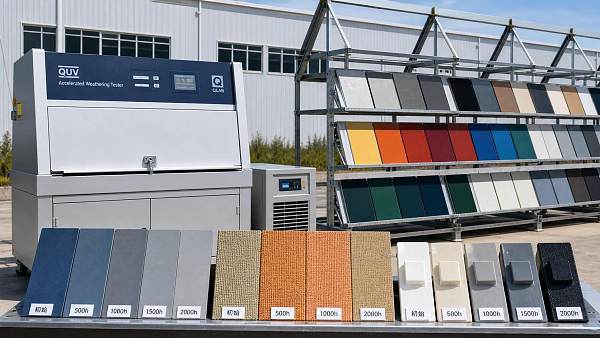
Glamping cabins, modular resort pods, exterior cladding systems, and outdoor decking frequently rely on polymer additives to resist sunlight and moisture. UV absorbers and hindered amine light stabilizers can slow discoloration and surface cracking, which is valuable for visible hospitality assets where appearance affects perceived quality. Water-repellent modifiers may also reduce swelling and microbial growth in composite elements.
The trade-off appears when these additive systems alter long-term mechanical behavior or downstream sustainability metrics. Some UV protection packages extend color retention but may complicate recycling streams or reduce adhesion with coatings and sealants. Moisture-control additives can improve short-term surface stability while masking internal thermal expansion mismatch. In hot and humid destinations, the key judgment point is whether the additive package preserves strength, fastening stability, and dimensional control after repeated thermal cycling, not just whether the surface still looks clean after installation.
Core checks in this scenario
- Retention of impact strength after UV and heat aging
- Coefficient of thermal expansion relative to frame materials
- Compatibility with coatings, adhesives, and waterproof membranes
- Color drift versus structural drift over time
Scenario 2: Interior guest environments where comfort and compliance must coexist
Inside guest rooms, lounges, and enclosed prefab units, polymer additives are often introduced to improve softness, stain resistance, flame behavior, or antimicrobial performance. Typical applications include vinyl flooring, wall films, cable insulation, mattress covers, sealants, and bathroom components. These benefits are attractive because they target immediate operational concerns such as hygiene, cleaning frequency, and regulatory acceptance.
However, additives used for flexibility or antimicrobial function can influence VOC emissions, odor persistence, migration, or surface aging. A soft polymer surface may become tacky after repeated cleaning with alcohol-based agents. A flame-retardant formulation may pass a lab requirement but increase smoke toxicity concerns or reduce material toughness. In interior hospitality settings, the technical decision should balance fire behavior, indoor air performance, touch durability, and cleaning chemistry compatibility. A material that performs well on day one but degrades under routine housekeeping cycles is not a stable solution.
Scenario 3: Smart hospitality hardware where polymer additives affect electronics reliability
Smart locks, room sensors, kiosks, control panels, gateway housings, and IoT cabling also depend on polymer additives. Flame retardants, impact modifiers, antistatic agents, and color stabilizers are common in housings and cable jackets. In this environment, additives do more than shape appearance; they can affect heat buildup, dielectric properties, signal stability, and enclosure lifespan.
A housing that gains fire resistance may lose dimensional precision, putting pressure on connectors or seals. Antistatic additives can improve dust behavior but may alter surface wear or aesthetic consistency. Cable compounds designed for flexibility may become vulnerable to creep or jacket cracking near bends. The central evaluation point is system compatibility: do the polymer additives support the performance of the electronic assembly across temperature shifts, cleaning routines, and expected service intervals? In technology-heavy hospitality spaces, a minor polymer decision can become a network reliability issue.
Scenario 4: High-contact leisure equipment where safety and fatigue resistance interact
In amusement seating, guard covers, handrails, ride panels, and molded safety interfaces, polymer additives are often selected to increase impact resistance, flame control, UV stability, or anti-slip behavior. These are valid goals, especially for assets exposed to crowds, weather, and cleaning chemicals. Yet every additive package changes the fatigue profile of the polymer matrix.
A formulation optimized for stiffness may become more vulnerable to crack initiation under repetitive stress. Anti-slip fillers may improve grip while increasing abrasion against adjacent components. Pigment and UV systems may reduce visible fading but fail to prevent embrittlement beneath the surface. In leisure hardware, technical review should focus on retained mechanical integrity after cyclic load, not just compliance at initial delivery. This is where polymer additives frequently reveal hidden trade-offs.
How scenario demands differ across tourism infrastructure
Practical fit assessment for polymer additives before approval
A high-confidence review process for polymer additives should compare the additive benefit against the new risk it may introduce. The most useful method is a scenario matrix rather than a single-pass/fail criterion. That means evaluating materials by service temperature, UV dosage, cleaning exposure, mechanical load, and adjacent material contact.
- Request baseline and post-aging data, not only fresh sample performance.
- Check whether the additive package changes fire, emissions, or recyclability status.
- Review compatibility with sealants, adhesives, coatings, metals, and cleaning agents.
- Use retained property thresholds for tensile strength, elongation, impact, and color shift.
- Test complete assemblies where possible, because additive effects often appear at interfaces.
Common misjudgments when polymer additives seem to fix the problem
One common mistake is assuming that more additives mean better protection. In reality, overloaded formulations can reduce process consistency and create long-term instability. Another mistake is relying on one certification result to represent all environments. A flame-retardant polymer that passes in a controlled test may still underperform after humidity exposure or repeated flexing.
A third oversight is treating appearance as a proxy for integrity. Some polymer additives preserve gloss or color while structural properties decline below the surface. Finally, teams often underestimate migration and interaction effects. Plasticizers, stabilizers, and antimicrobial agents can influence neighboring materials, sensor accuracy, adhesion zones, or indoor air quality. In integrated tourism assets, these secondary effects are often more costly than the original material weakness.
A better next step: evaluate polymer additives as system variables, not isolated features
The strongest decisions on polymer additives come from treating them as system variables tied to climate, guest use, maintenance chemistry, electronics integration, and lifecycle targets. This approach is especially relevant in tourism and hospitality infrastructure, where materials must perform across comfort, compliance, durability, and brand presentation at the same time.
TVM supports this process by converting material claims into measurable engineering benchmarks: thermal efficiency behavior for prefab envelopes, network-related enclosure stability for smart hospitality systems, and fatigue evidence for high-contact recreational hardware. When additive decisions are compared through aging data, interface testing, and field-condition simulation, the result is a more precise material filter. That is the practical path for identifying which polymer additives truly solve the problem—and which ones simply move it to a harder, more expensive place.
Recommended News
 Oct 08, 2026What Drives System Interoperability Testing Service Costs in Complex Projects?System interoperability testing service cost depends on integration scope, workflows, environments, and assurance needs. Learn how to budget smarter and reduce project risk.
 Oct 03, 2026Verified Performance Certification: What It Proves During Product QualificationVerified performance certification helps teams qualify products with confidence. Learn how to assess scope, test conditions, and delivery controls before approval.
 Oct 01, 2026Multiaxial Material Fatigue Analysis for Predicting Service Life Under Variable LoadsMultiaxial material fatigue analysis helps predict service life under variable loads, enabling safer procurement, lower lifecycle risk, and durable tourism infrastructure.
 Sep 28, 2026What Does Tourism Destination Infrastructure Cost? A Budgeting Guide for DevelopersTourism destination infrastructure price guide for developers: budget utilities, systems, installation, lifecycle costs, and contingencies for smarter investments.
 Sep 26, 2026Regulatory Compliance Procurement Support: How to Vet Suppliers Before Contract AwardRegulatory compliance procurement support helps buyers vet suppliers, verify evidence, manage risks, and secure compliant assets before contract award.
 Sep 15, 2026System Integration Testing for Device Integration: Key Interfaces and Failure RisksSystem integration testing device integration: identify critical interfaces, hidden failure risks, recovery gaps, and acceptance evidence before connected devices go live.
 Sep 01, 2026How to Use a Tourism Standards Database to Verify Safety and Compliance RequirementsTourism standards database guide: verify safety, compliance, evidence scope, test conditions, and jurisdiction requirements with confidence.
 Aug 31, 2026Material Performance Validation: Tests and Acceptance Criteria for Critical PartsMaterial performance validation: discover essential tests and acceptance criteria that help critical parts withstand loads, corrosion, fatigue, and real-world service conditions.
 Aug 26, 2026What Is a CMS and How Do You Choose One for a Growing Business Website?CMS explained for growing business websites: learn how to choose a CMS that supports SEO, workflows, integrations, and long-term scalability without costly rebuilds.
 Aug 24, 2026How to Build a Technical Procurement Content Workflow for Faster Vendor EvaluationTechnical procurement content workflow strategies for faster vendor evaluation: standardize intake, compare evidence clearly, surface risks early, and cut costly procurement delays.
 Aug 20, 2026How to Evaluate Sustainable Concrete Alternatives for Low-Carbon Building ProjectsSustainable concrete alternatives: learn how to compare carbon data, structural performance, code compliance, and supply risk to choose low-carbon concrete solutions with confidence.
 Aug 17, 2026What Does Product Category Insights Reveal About Buyer Demand and Market Positioning?Product category insights reveal buyer demand, key product attributes, and market positioning. Learn how to spot reliable signals, compare segments, and make smarter decisions.
 Aug 13, 2026How to Use Industry Benchmarking to Improve Specification Planning DecisionsIndustry benchmarking for specification planning helps technical evaluators make smarter procurement decisions, reduce risk, and improve long-term performance with evidence-based standards.
 Aug 12, 2026Technical Certification Pricing Model: What Drives Cost and How to Compare QuotesTechnical certification pricing model explained: learn what drives cost, spot hidden risks in low quotes, and compare certification proposals with confidence before you approve budget.
 Aug 09, 2026How to Evaluate Tourism Equipment for Eco Resorts Without Compromising Guest ExperienceTourism equipment evaluation for eco resorts made practical: learn how to balance sustainability, durability, and guest comfort to avoid costly mistakes and choose smarter.
 Aug 07, 2026How to Evaluate LEED Standards for Environmental Sustainability in Building ProjectsEnvironmental sustainability assessment LEED standards explained: learn how to evaluate prerequisites, credits, costs, and project risks to achieve smarter, more reliable green building outcomes.
 Aug 05, 2026Why Eco Structures in the Middle East Are Shifting Toward Modular, Off-Grid DesignsEco structures in Middle East markets are moving to modular, off-grid designs for faster delivery, lower operating risk, and stronger climate resilience. Discover what is driving the shift.
 Jul 30, 2026Industry Insights for Market Expansion: How to Identify High-Potential Regions?Industry insights for market expansion: learn how to identify high-potential regions by assessing demand, infrastructure, compliance, and supply chain readiness for smarter growth.
 Jul 14, 2026How to Apply a Tourism Innovation Validation Framework to Assess New Visitor ProjectsTourism innovation validation framework explained: learn how to assess new visitor projects, reduce delivery risk, verify compliance, and make smarter investment decisions.
 Jul 13, 2026Import Market Research Checklist: How to Assess Demand, Tariffs, and Supplier RiskImport market research made practical: learn how to assess real demand, model tariffs, and reduce supplier risk with a clear checklist for smarter sourcing decisions.
 Jul 11, 2026Fade Resistant Durability: Which Test Methods Matter for Long-Term Outdoor Use?Fade resistant durability starts with the right test data. Discover which methods best predict long-term outdoor performance, color stability, and lower lifecycle risk.
 Jul 09, 2026Electronic Gadgets for Travel and Daily Use: How to Pick Features That MatterElectronic gadgets for travel and daily use should deliver real value. Learn how to compare battery life, portability, durability, and connectivity before you buy.
 Jul 08, 2026Regulatory Compliance Framework Explained: Core Elements, Gaps, and Audit ReadinessRegulatory compliance framework explained for modern organizations: learn core elements, common gaps, and audit readiness strategies to reduce risk, improve control, and strengthen decisions.
![]() Jul 07, 2026Faucets and Mixers Buying Guide: Types, Valve Options, and Finish SelectionFaucets and mixers buying guide covering fixture types, valve options, and finish selection. Compare durability, comfort, maintenance, and performance before you buy.
Quarterly Executive Summaries Delivered Directly.
Join 50,000+ industry leaders who receive our proprietary market analysis and policy outlooks before they hit the public library.