Search News
TerraVista Metrics (TVM)Industry Portal
TerraVista Metrics (TVM)Hot Articles
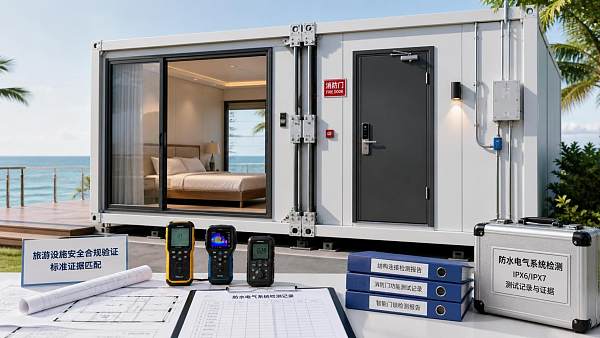
TerraVista Metrics (TVM)- How to Evaluate Spark Plug Suppliers for Consistent Quality and Lead TimesSpark plugs supplier evaluation guide: compare quality control, traceability, fitment, total cost, and reliable lead times to secure dependable engine maintenance supply.
- What Drives System Interoperability Testing Service Costs in Complex Projects?System interoperability testing service cost depends on integration scope, workflows, environments, and assurance needs. Learn how to budget smarter and reduce project risk.
- Project Planning Sourcing Guides: How to Qualify Suppliers Before Work StartsSourcing guides project planning helps teams qualify suppliers before work begins—verify compliance, delivery capacity, financial strength, and sustainability to reduce risk and protect project outcomes.
Popular Tags
TerraVista Metrics (TVM)Industry NewsWhat Does Tourism Destination Infrastructure Cost? A Budgeting Guide for Developers
auth.Time
Oct 07, 2026Click Count
A realistic tourism destination infrastructure price cannot be reduced to a supplier quotation or a cost per room, ride, cabin, or square metre. The purchase price is only one layer of the capital decision. A destination may look complete at handover while still lacking the utility capacity, digital integration, access systems, maintenance provisions, safety documentation, or spare-parts planning needed to operate reliably.
For development teams, the practical question is not simply “What does this asset cost?” It is: What will it cost to make this asset compliant, connected, usable in its environment, maintainable under guest traffic, and replaceable over its intended life? That distinction prevents low initial bids from becoming expensive operational commitments.
Tourism infrastructure budgets usually combine physical works, guest-facing assets, operating systems, site enabling works, and long-term support. The balance changes sharply between a remote glamping site, an urban hotel conversion, a waterfront leisure destination, and an attraction-led park. The correct budget is therefore a structured range based on scope assumptions, not a single benchmark copied from another project.
Start With the Scope That the Price Actually Covers
Supplier proposals often use similar labels while including very different deliverables. “Modular accommodation,” for example, may refer only to the factory-built unit. Another proposal may include interior fit-out, transport, foundations, utility connections, assembly, commissioning, and warranty support. Comparing these as equivalent prices creates a false saving before construction has even begun.
Before comparing bids, define each package through a common scope sheet. It should state whether the quoted amount includes:
- Design development, engineering calculations, drawings, and approvals support.
- Ground preparation, foundations, drainage, retaining works, and site access.
- Transport, customs handling where applicable, cranage, installation, and testing.
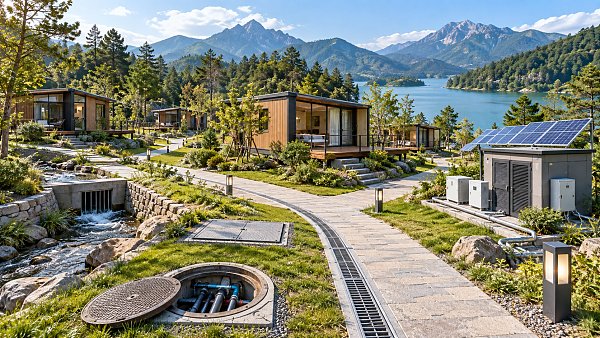
- Power, water, wastewater, telecoms, fire systems, and backup capacity.
- Furniture, fixtures, operating equipment, signage, and guest-access systems.
- Software licensing, network hardware, integration, cybersecurity configuration, and staff training.
- Warranty terms, response times, spare parts, preventive maintenance, and handover documentation.
This exercise is less glamorous than reviewing renderings, but it exposes where the tourism destination infrastructure price will move. It also helps separate a genuine specification difference from an omission hidden inside a low bid.
Budget by System, Not by a Single Destination Total
A destination is an operating ecosystem. Breaking the budget into systems makes dependencies visible and supports better procurement sequencing. The following structure is useful because it connects capital expenditure with the future operating model.
This structure does not eliminate uncertainty. It makes uncertainty assignable. A cost risk attached to wastewater capacity belongs in the utilities package; a risk attached to imported attraction controls belongs in the attraction package. Once risks have an owner and an assumption, they can be managed rather than discovered during installation.
Where Infrastructure Costs Usually Escalate
Remote and constrained sites
Remote locations can make prefabrication attractive because factory-built structures reduce onsite construction time and local labour dependence. That advantage is real only when transport routes, turning radii, lifting points, storage space, foundations, and utility connections have been resolved early. A unit that is efficient to manufacture may be costly to deliver to a mountain, island, forest, or shoreline site.
Access limitations also affect maintenance. If replacement equipment requires specialist lifting or difficult transport, the apparent savings from a lower-cost asset can disappear over its service life. The procurement decision should include the practical route for repairs, replacement parts, cleaning equipment, waste collection, and emergency access.
Climate, moisture, and heavy public use
Tourism assets are exposed to conditions that product brochures often understate: repeated wet-dry cycles, salt air, ultraviolet exposure, sand, mud, temperature swings, cleaning chemicals, luggage impact, and frequent guest turnover. A cabin, pathway surface, furniture range, or outdoor installation should be selected for its actual exposure category, not its visual similarity to a competing product.
Higher-grade materials and protective treatments can raise the initial procurement cost, but they may reduce closures, replacement work, guest complaints, and inconsistent appearance. The decision is not “premium versus basic.” It is whether the specification matches the anticipated usage and the operator’s capacity to maintain it.
Integration between technology and operations
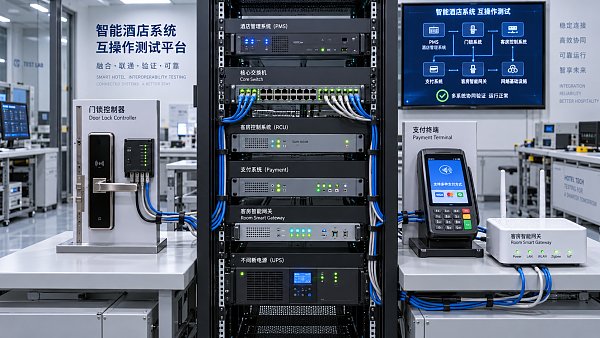
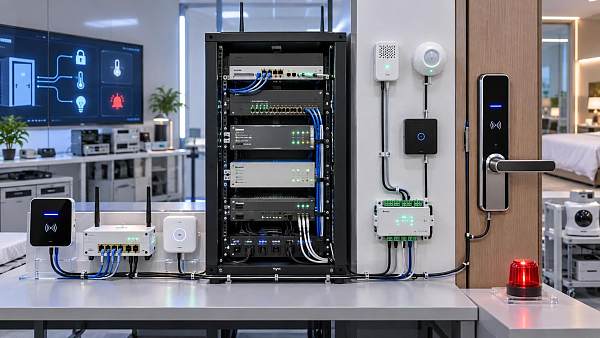
Smart locks, energy controls, property systems, guest apps, sensors, payment tools, maintenance alerts, and access controls can improve service delivery, but only when they work as one operating environment. Buying each system independently often creates duplicate data, manual workarounds, incompatible interfaces, and unclear responsibility when failures occur.
Budgeting should cover the network architecture, device installation, configuration, integration testing, user permissions, staff workflows, and ongoing software support. It should also identify what happens when connectivity is interrupted. Guest access, safety systems, room controls, and payment processes need defined fallback procedures; a digitally enabled destination should not become unusable because a single connection fails.
Use Total Cost of Ownership to Test the Lowest Bid
The lowest purchase price is not automatically poor value. It can be the right choice when the asset has a simple operating environment, widely available replacement parts, low criticality, and a short planned refresh cycle. Problems arise when that same logic is applied to high-use or safety-critical infrastructure.
A useful total-cost-of-ownership review asks five questions:
- How often will the asset require inspection, cleaning, calibration, repair, or replacement?
- Can local teams perform routine work, or does the asset depend on specialist technicians?
- Are spare parts standardized, stocked locally, or tied to one supplier?
- What is the operational consequence if the asset is unavailable during peak demand?
- Can the item be repaired in place, or must it be removed, shipped, and replaced?
Apply this review especially to attractions, water and energy systems, guest room technology, outdoor equipment, custom furnishings, and imported modular components. A lower-cost supplier with weak documentation, uncertain spare-parts access, or unclear maintenance responsibilities may create a larger long-term liability than a higher initial offer.
Lifecycle thinking should also influence design choices. Highly customized items can support a distinctive guest experience, but they may complicate replacement after years of use. Standardized components can be less visually dramatic yet easier to maintain across a growing portfolio. The best balance depends on whether the asset is a signature experience, a repeated operating component, or a background service that guests should barely notice.
Do Not Treat Sustainability as a Separate Add-On
Sustainability-related requirements affect infrastructure cost through material selection, energy systems, water management, waste handling, supply-chain traceability, and building performance. They should be integrated into early scope decisions because late changes can affect structure, services, procurement lead times, and site layout.
For eco-structures, the important question is not whether a product is marketed as green. Review its suitability for the local climate, expected operational load, maintenance regime, thermal performance approach, material durability, and end-of-life replacement strategy. A low-impact material that needs frequent replacement or intensive treatment may not support the operational objective.
Energy and water efficiency investments also require a site-specific operating case. Their value depends on occupancy patterns, climate, utility reliability, maintenance capability, and the way guests actually use rooms and facilities. Avoid approving technology solely because it appears sustainable in a concept presentation. Require a clear explanation of what it changes in design, installation, daily operation, and maintenance.
Procurement Sequence Matters More Than Most Budgets Assume
Some destination components must be selected early because they determine the civil, structural, electrical, and digital design around them. Attraction foundations, prefabricated module dimensions, plant-room requirements, network pathways, and accessible route layouts are examples. Delaying these decisions can force redesign, create rushed substitutions, or leave expensive infrastructure underutilized.
Other categories are more suitable for later procurement, including decorative finishes and certain loose furnishings, provided they do not affect fire strategy, room layouts, cleaning processes, or delivery access. The distinction protects flexibility without jeopardizing engineering coordination.
A practical sequence is to establish the guest journey and operating model first; lock in site constraints and core utilities next; then define the technical interfaces for accommodation, attractions, and digital systems. Only after these dependencies are clear should teams finalize competitive comparisons of visible assets. This reverses a common but costly pattern in which design choices are committed before the operational infrastructure has been priced.
How to Compare Proposals Without Losing the Engineering Detail
Use a comparison matrix that scores more than price. Every bidder should respond against the same functional brief, installation assumptions, performance expectations, documentation requirements, and support obligations. Ask suppliers to identify exclusions rather than allowing them to remain implied.
For each major package, assess commercial cost alongside these decision factors:
- Technical fit: Does the asset meet the site’s climate, capacity, safety, accessibility, and durability needs?
- Interface clarity: Are power, data, drainage, foundations, controls, and installation responsibilities defined?
- Operational fit: Can onsite teams clean, reset, inspect, and troubleshoot the asset without unreasonable effort?
- Supply resilience: Are production capacity, lead times, replacement parts, and service channels credible for the project schedule?
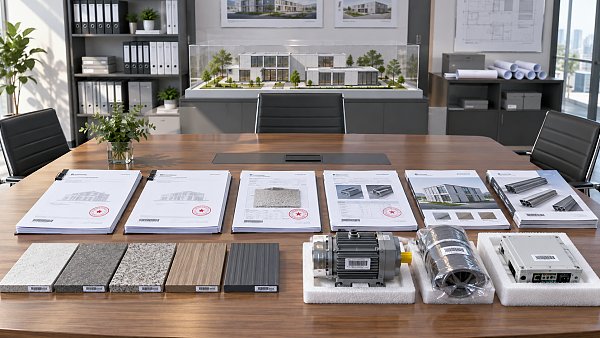
- Evidence quality: Is the proposal supported by drawings, material information, maintenance instructions, testing records, and clear warranty terms?
Independent benchmarking can be useful when technical claims are difficult to compare across manufacturers. TerraVista Metrics focuses on the engineering and procurement questions that affect tourism developments, including modular eco-structures, smart hotel systems, leisure equipment, attractions, and hospitality furnishings. In a procurement process, this type of review is most valuable when it converts broad marketing claims into comparable evidence on durability, integration, regulatory fit, and supply-chain exposure.
Set Contingency Around Unknowns, Not Habit
A generic contingency allowance is less useful than a risk-based one. List the unresolved conditions that could change cost: geotechnical uncertainty, utility capacity, permitting dependencies, imported equipment logistics, design coordination gaps, weather-sensitive installation, and supplier lead-time exposure. Then assign each risk a likely owner, trigger point, and response.
This approach keeps contingency from becoming a vague reserve used to compensate for incomplete scope. It also helps leadership understand whether the main financial exposure lies in construction conditions, imported assets, technology coordination, or operational readiness.
Before approving a destination infrastructure budget, seek a complete view of the cost to open and operate the asset, not just the cost to purchase it. The strongest capital decisions align guest experience with engineering reality: the asset can be delivered to the site, connected to reliable services, maintained by the operating team, and supported throughout its intended use. That is the basis for a tourism destination that remains competitive after opening day, rather than merely looking finished at handover.
Recommended News
 Oct 08, 2026What Drives System Interoperability Testing Service Costs in Complex Projects?System interoperability testing service cost depends on integration scope, workflows, environments, and assurance needs. Learn how to budget smarter and reduce project risk.
 Oct 03, 2026Verified Performance Certification: What It Proves During Product QualificationVerified performance certification helps teams qualify products with confidence. Learn how to assess scope, test conditions, and delivery controls before approval.
 Oct 01, 2026Multiaxial Material Fatigue Analysis for Predicting Service Life Under Variable LoadsMultiaxial material fatigue analysis helps predict service life under variable loads, enabling safer procurement, lower lifecycle risk, and durable tourism infrastructure.
 Sep 28, 2026What Does Tourism Destination Infrastructure Cost? A Budgeting Guide for DevelopersTourism destination infrastructure price guide for developers: budget utilities, systems, installation, lifecycle costs, and contingencies for smarter investments.
 Sep 26, 2026Regulatory Compliance Procurement Support: How to Vet Suppliers Before Contract AwardRegulatory compliance procurement support helps buyers vet suppliers, verify evidence, manage risks, and secure compliant assets before contract award.
 Sep 15, 2026System Integration Testing for Device Integration: Key Interfaces and Failure RisksSystem integration testing device integration: identify critical interfaces, hidden failure risks, recovery gaps, and acceptance evidence before connected devices go live.
 Sep 01, 2026How to Use a Tourism Standards Database to Verify Safety and Compliance RequirementsTourism standards database guide: verify safety, compliance, evidence scope, test conditions, and jurisdiction requirements with confidence.
 Aug 31, 2026Material Performance Validation: Tests and Acceptance Criteria for Critical PartsMaterial performance validation: discover essential tests and acceptance criteria that help critical parts withstand loads, corrosion, fatigue, and real-world service conditions.
 Aug 26, 2026What Is a CMS and How Do You Choose One for a Growing Business Website?CMS explained for growing business websites: learn how to choose a CMS that supports SEO, workflows, integrations, and long-term scalability without costly rebuilds.
 Aug 24, 2026How to Build a Technical Procurement Content Workflow for Faster Vendor EvaluationTechnical procurement content workflow strategies for faster vendor evaluation: standardize intake, compare evidence clearly, surface risks early, and cut costly procurement delays.
 Aug 20, 2026How to Evaluate Sustainable Concrete Alternatives for Low-Carbon Building ProjectsSustainable concrete alternatives: learn how to compare carbon data, structural performance, code compliance, and supply risk to choose low-carbon concrete solutions with confidence.
 Aug 17, 2026What Does Product Category Insights Reveal About Buyer Demand and Market Positioning?Product category insights reveal buyer demand, key product attributes, and market positioning. Learn how to spot reliable signals, compare segments, and make smarter decisions.
 Aug 13, 2026How to Use Industry Benchmarking to Improve Specification Planning DecisionsIndustry benchmarking for specification planning helps technical evaluators make smarter procurement decisions, reduce risk, and improve long-term performance with evidence-based standards.
 Aug 12, 2026Technical Certification Pricing Model: What Drives Cost and How to Compare QuotesTechnical certification pricing model explained: learn what drives cost, spot hidden risks in low quotes, and compare certification proposals with confidence before you approve budget.
 Aug 09, 2026How to Evaluate Tourism Equipment for Eco Resorts Without Compromising Guest ExperienceTourism equipment evaluation for eco resorts made practical: learn how to balance sustainability, durability, and guest comfort to avoid costly mistakes and choose smarter.
 Aug 07, 2026How to Evaluate LEED Standards for Environmental Sustainability in Building ProjectsEnvironmental sustainability assessment LEED standards explained: learn how to evaluate prerequisites, credits, costs, and project risks to achieve smarter, more reliable green building outcomes.
 Aug 05, 2026Why Eco Structures in the Middle East Are Shifting Toward Modular, Off-Grid DesignsEco structures in Middle East markets are moving to modular, off-grid designs for faster delivery, lower operating risk, and stronger climate resilience. Discover what is driving the shift.
 Jul 30, 2026Industry Insights for Market Expansion: How to Identify High-Potential Regions?Industry insights for market expansion: learn how to identify high-potential regions by assessing demand, infrastructure, compliance, and supply chain readiness for smarter growth.
 Jul 14, 2026How to Apply a Tourism Innovation Validation Framework to Assess New Visitor ProjectsTourism innovation validation framework explained: learn how to assess new visitor projects, reduce delivery risk, verify compliance, and make smarter investment decisions.
 Jul 13, 2026Import Market Research Checklist: How to Assess Demand, Tariffs, and Supplier RiskImport market research made practical: learn how to assess real demand, model tariffs, and reduce supplier risk with a clear checklist for smarter sourcing decisions.
 Jul 11, 2026Fade Resistant Durability: Which Test Methods Matter for Long-Term Outdoor Use?Fade resistant durability starts with the right test data. Discover which methods best predict long-term outdoor performance, color stability, and lower lifecycle risk.
 Jul 09, 2026Electronic Gadgets for Travel and Daily Use: How to Pick Features That MatterElectronic gadgets for travel and daily use should deliver real value. Learn how to compare battery life, portability, durability, and connectivity before you buy.
 Jul 08, 2026Regulatory Compliance Framework Explained: Core Elements, Gaps, and Audit ReadinessRegulatory compliance framework explained for modern organizations: learn core elements, common gaps, and audit readiness strategies to reduce risk, improve control, and strengthen decisions.
![]() Jul 07, 2026Faucets and Mixers Buying Guide: Types, Valve Options, and Finish SelectionFaucets and mixers buying guide covering fixture types, valve options, and finish selection. Compare durability, comfort, maintenance, and performance before you buy.
Quarterly Executive Summaries Delivered Directly.
Join 50,000+ industry leaders who receive our proprietary market analysis and policy outlooks before they hit the public library.