Search News
TerraVista Metrics (TVM)Industry Portal
TerraVista Metrics (TVM)Hot Articles
TerraVista Metrics (TVM)- How to Evaluate Spark Plug Suppliers for Consistent Quality and Lead TimesSpark plugs supplier evaluation guide: compare quality control, traceability, fitment, total cost, and reliable lead times to secure dependable engine maintenance supply.
- What Drives System Interoperability Testing Service Costs in Complex Projects?System interoperability testing service cost depends on integration scope, workflows, environments, and assurance needs. Learn how to budget smarter and reduce project risk.
- Project Planning Sourcing Guides: How to Qualify Suppliers Before Work StartsSourcing guides project planning helps teams qualify suppliers before work begins—verify compliance, delivery capacity, financial strength, and sustainability to reduce risk and protect project outcomes.
Popular Tags
TerraVista Metrics (TVM)Industry NewsTourism Development Risks to Watch Before New Site Investment
auth.Time
Oct 07, 2026Click Count
Before capital is committed, tourism development should be tested as an operating system, not just a destination concept. Visitor forecasts and visual masterplans rarely reveal whether a site can withstand climate stress, utility constraints, digital integration demands, or tightening carbon rules. Hidden weaknesses in these areas often become the real drivers of delay, underperformance, and expensive redesign.
For new site investment, the strongest decisions come from measurable predevelopment checks. In practical terms, tourism development needs proof of structural durability, infrastructure fit, lifecycle efficiency, and compliance readiness. A checklist approach reduces uncertainty, improves comparability across locations, and helps preserve long-term asset value in a more competitive global market.
Why tourism development needs a pre-investment risk checklist

Tourism development now combines buildings, utilities, mobility systems, digital platforms, guest experience design, and environmental reporting. When one layer fails, the whole business model can weaken.
A checklist creates decision discipline. It forces each site to be judged against the same technical, operational, and financial filters before land, equipment, or construction contracts are finalized.
This matters across the broader industry because tourism assets increasingly depend on prefabricated structures, smart hospitality systems, energy performance, and resilient supply chains. Early benchmarking is no longer optional.
Core checklist: tourism development risks to test before site investment
- Verify ground and climate durability. Test soil bearing capacity, flood exposure, corrosion conditions, wind loads, and seasonal temperature swings before selecting construction systems or amusement hardware.
- Map utility readiness. Confirm power stability, water quality, wastewater handling, telecom throughput, and backup capacity so tourism development does not rely on unrealistic infrastructure assumptions.
- Audit transport access. Measure road load limits, airport proximity, public transit links, emergency access times, and logistics routes for oversized modules, furnishings, and replacement components.
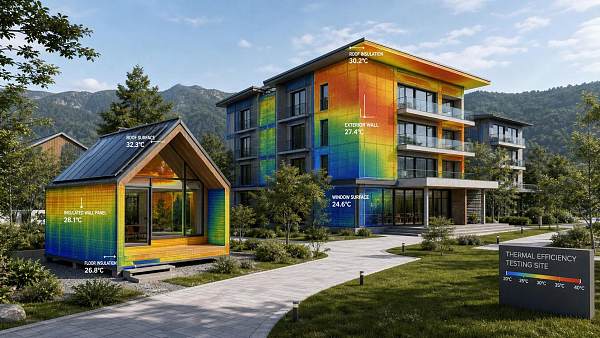
- Check prefab and building envelope performance. Compare insulation values, airtightness, moisture resistance, acoustic separation, and maintenance cycles for cabins, lodges, and mixed-use hospitality units.
- Benchmark smart system compatibility. Validate IoT protocol integration, network coverage, cybersecurity controls, data latency, and interoperability between room controls, access systems, and property software.
- Review carbon and environmental compliance. Test embodied carbon documentation, local permitting thresholds, energy codes, water discharge standards, and protected habitat restrictions before design lock-in.
- Model lifecycle operating costs. Include cooling loads, heating demand, cleaning cycles, spare parts, technician availability, and software subscription costs across at least ten operating years.
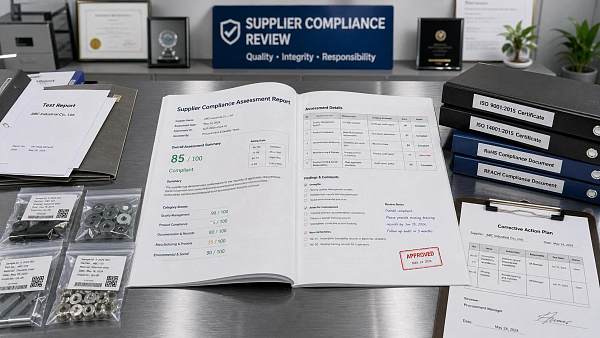
- Stress-test supplier reliability. Examine quality consistency, lead times, factory audit records, warranty response, and documentation depth for every critical tourism development component.
- Assess guest-flow capacity. Simulate arrival peaks, queue pressure, baggage movement, service circulation, and parking turnover so site design supports demand without degrading experience.
- Protect future adaptability. Reserve utility corridors, software expansion paths, and modular upgrade options to keep tourism development competitive as standards and traveler expectations evolve.
How the checklist changes by project scenario
Remote eco-lodge or glamping site
In remote settings, tourism development risk is often hidden in utilities and maintenance. Attractive landscapes do not guarantee stable power, wastewater performance, or year-round access for replacement parts.
Prefabricated cabins should be tested for thermal efficiency, transport tolerance, and moisture behavior. Carbon claims also need proof, especially when off-grid systems and sensitive habitats are involved.
Urban mixed-use hospitality project
In urban tourism development, site investment can fail because of integration complexity rather than raw location appeal. Existing utilities, building codes, fire rules, and data systems may limit design flexibility.
Noise control, digital interoperability, traffic management, and retrofit constraints become critical. Small coordination failures can produce major operational friction after opening.
Destination entertainment or resort cluster
Large-scale tourism development depends on synchronized performance across lodging, attractions, retail, transport, and back-of-house systems. A weak link in one package affects the entire revenue ecosystem.
Here, material fatigue, crowd-flow simulation, utility redundancy, and phased expansion planning deserve deeper analysis. Growth assumptions should be tied to engineering capacity, not promotional ambition.
Commonly overlooked tourism development risks
Underestimating retrofit cost
Many projects assume technical gaps can be corrected later. In tourism development, post-opening retrofits usually disrupt occupancy, require permit revisions, and cost far more than early specification upgrades.
Treating sustainability as branding only
Carbon and resource performance must be measurable. If sustainability claims are not supported by data, future compliance pressure can damage valuation, financing terms, and market credibility.
Ignoring software dependency
Modern tourism development often relies on cloud platforms, access control, occupancy sensors, and energy dashboards. Weak integration planning can create fragmented operations and recurring vendor lock-in.
Overlooking serviceability in harsh environments
Salt air, high humidity, sand, freeze-thaw cycles, and unstable voltage shorten equipment life. Components that look premium on paper may fail early if local stress conditions are ignored.
Assuming supplier documents equal real performance
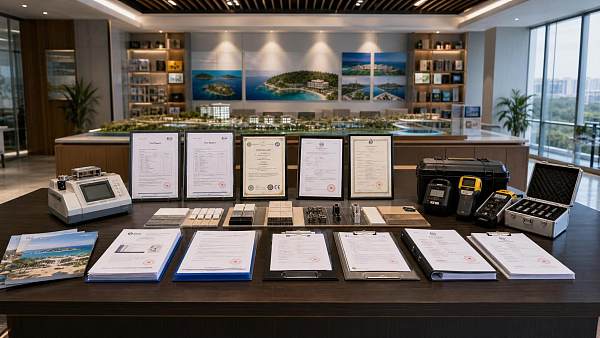
Factory brochures and generic certificates are not enough. Tourism development decisions should rely on verified test data, benchmark comparisons, and traceable engineering records.
A practical execution method before final site approval
- Build a weighted risk matrix covering structure, utilities, digital systems, compliance, and lifecycle cost.
- Request measurable evidence, including test reports, fatigue data, thermal metrics, and integration documentation.
- Run scenario modeling for peak occupancy, extreme weather, delayed maintenance, and energy price volatility.
- Compare at least two construction and systems pathways instead of validating only the preferred concept.
- Reserve capital for adaptation items identified during benchmarking, not only for initial construction scope.
A strong review process should connect commercial ambition to physical evidence. That includes engineering benchmarks, utility studies, supplier verification, and digital compatibility testing.
Independent benchmarking can add clarity where marketing language creates noise. For example, thermal performance, data throughput, material fatigue, and carbon documentation are all comparable if measured consistently.
This is where analytical platforms such as TerraVista Metrics support tourism development decisions. By translating technical performance into standardized reference data, site evaluation becomes more precise and more defensible.
Conclusion and next action for tourism development planning
The most expensive tourism development risks are rarely the most visible ones. They sit in the interface between land conditions, infrastructure capacity, digital systems, compliance obligations, and long-term serviceability.
Before approving a new site, turn assumptions into testable checkpoints. Score each location against the same checklist, reject unsupported claims, and prioritize assets that can perform under real operating pressure.
The next practical step is simple: assemble a pre-investment audit file with engineering data, lifecycle models, and compliance evidence for every shortlisted site. Better tourism development starts with better verification.
Recommended News
 Sep 13, 2026How to Use Practical Industry Reports to Identify Market Risks and Growth OpportunitiesPractical industry reports help uncover market risks, validate supplier claims, and identify growth opportunities before capital is committed.
 Aug 28, 2026What Do Standardized Performance Benchmarks Cost, and What Do Buyers Get?Standardized performance benchmarks price explained: compare costs, scope, and buyer deliverables to reduce procurement risk and make confident investment decisions.
 Aug 03, 2026How to Read a Compliance Analysis Report Before Supplier ApprovalCompliance analysis report guide: learn how to verify scope, evidence, exclusions, and risk before supplier approval, helping you avoid costly compliance gaps and make smarter sourcing decisions.
 Aug 02, 2026What Should Executives Look for in a Market Intelligence Report Dashboard?Market intelligence report dashboard essentials for executives: learn how to spot decision-ready insights, benchmark risk, source confidence, and business impact before making high-stakes moves.
 Jul 29, 2026Recreational Cable Transport Global Market: Key Growth Drivers and Regional OutlookRecreational cable transport global market analysis explores key growth drivers, regional outlook, technology shifts, and investment risks shaping future leisure mobility opportunities.
 Jul 26, 2026Tourism Development Report: Key Market Signals, Investment Priorities, and Growth RisksTourism development report on market signals, investment priorities, and growth risks—discover where tourism assets can deliver resilient returns, sustainability value, and smarter expansion.
 Jul 25, 2026How to Evaluate a Standardized Performance Benchmarks Research Firm?Standardized performance benchmarks research firm selection starts with method, independence, and industry fit. Learn how to compare firms and choose evidence that supports smarter procurement decisions.
 Jul 18, 2026How to Read a Prefab Durability Testing Report Before Specifying Modular UnitsPrefab durability testing report essentials: learn how to assess test scope, standards, margins, and hidden risks before specifying modular units with confidence.
 Jul 15, 2026How a Market Intelligence Agency Supports Supplier Screening and Market Entry DecisionsA market intelligence agency helps businesses screen suppliers, reduce entry risk, and make smarter market decisions with verified data, compliance insight, and actionable analysis.
 Jul 14, 2026Project Planning Intelligence Tools: Which Features Matter for Cross-Functional Teams?Project planning intelligence tools for cross-functional teams: discover the must-have features for risk, compliance, forecasting, and smarter project decisions.
 Jul 13, 2026Tourism Equipment Market Evaluation: Which Demand, Price, and Channel Metrics Matter?Tourism equipment market evaluation reveals which demand, price, and channel metrics truly drive margins, reduce risk, and improve procurement decisions across modern tourism projects.
 Jul 11, 2026Compliance Analysis USA: How to Review Testing and Documentation Before BuyingCompliance analysis USA made practical: learn how to verify test reports, certification scope, and documentation before buying to reduce sourcing risk, control costs, and choose suppliers with confidence.
 Jul 10, 2026How to Compare Product Category Market Price Across Suppliers Without Missing Hidden CostProduct category market price comparison goes beyond the lowest quote. Learn how to uncover hidden costs across suppliers and make smarter, lower-risk buying decisions.
 Jul 08, 2026Presentation Tools Compared: Which Features Matter for Team Training and Demos?Presentation tools compared for team training and demos: discover which features improve collaboration, technical clarity, and reliable delivery across real operational workflows.
![]() Jul 07, 2026Tourism Supply Chain Analysis in North America: Key Cost Drivers and BottlenecksTourism supply chain analysis North America reveals key cost drivers, freight risks, compliance pressure, and integration bottlenecks—helping tourism projects cut risk and make smarter investment decisions.
 Jul 03, 2026On Site Thermal Efficiency Testing: When It’s Required and Which Metrics Matter MostOn site thermal efficiency testing reveals how buildings perform in real conditions. Learn when it’s required, which metrics matter most, and how to reduce energy risk.
 Jul 02, 2026What Drives Industry Reports Cost Factors: Data Scope, Method, and Update FrequencyIndustry reports cost factors explained: see how data scope, research method, and update frequency shape report value, pricing, and smarter investment decisions.
 Jun 30, 2026Fashion Trends 2026: Which Materials, Silhouettes, and Colors Are Shaping New Collections?Fashion trends 2026 reveal the materials, silhouettes, and colors shaping scalable new collections. Discover buyer-ready insights on comfort, utility, and strategic color direction.
 Jun 27, 2026Tourism Asset Evaluation Cost Factors: What Drives Valuation in Resort Projects?Tourism asset evaluation cost factors shape resort valuation through site complexity, compliance, smart systems, and lifecycle risk. See what really drives cost and stronger investment decisions.
 Jun 25, 2026How to Use Material Sustainability Analysis in Product Selection and Supplier EvaluationMaterial sustainability analysis helps buyers compare real lifecycle value, durability, compliance, and supplier reliability. Learn how to make smarter product selection decisions.
 Jun 21, 2026Tourism Carbon Metrics: How Hotels and Destinations Measure Emissions in PracticeTourism carbon in practice: learn how hotels and destinations measure emissions, set clear boundaries, compare assets fairly, and turn data into credible low-carbon decisions.
 Jun 20, 2026What Affects Outdoor Furniture Price? Materials, Durability, MOQ, and Shipping CostsOutdoor furniture price depends on more than design. Explore how materials, durability, MOQ, customization, and shipping costs shape real project value and smarter buying decisions.
 Jun 19, 2026How to Read a Compliance Standards Assessment Report for Supplier ApprovalCompliance standards assessment report guide for smarter supplier approval. Learn how to verify scope, findings, risks, and evidence quality before you commit.
 Jun 14, 2026Emerging Markets Outlook: 5 Supply Chain Shifts Reshaping Global SourcingEmerging markets are reshaping global sourcing through resilience, compliance, smart manufacturing, sustainability, and category-specific insight. Discover 5 shifts buyers can’t ignore.
Quarterly Executive Summaries Delivered Directly.
Join 50,000+ industry leaders who receive our proprietary market analysis and policy outlooks before they hit the public library.