Search News
TerraVista Metrics (TVM)Industry Portal
TerraVista Metrics (TVM)Hot Articles
TerraVista Metrics (TVM)- How to Evaluate Spark Plug Suppliers for Consistent Quality and Lead TimesSpark plugs supplier evaluation guide: compare quality control, traceability, fitment, total cost, and reliable lead times to secure dependable engine maintenance supply.
- What Drives System Interoperability Testing Service Costs in Complex Projects?System interoperability testing service cost depends on integration scope, workflows, environments, and assurance needs. Learn how to budget smarter and reduce project risk.
- Project Planning Sourcing Guides: How to Qualify Suppliers Before Work StartsSourcing guides project planning helps teams qualify suppliers before work begins—verify compliance, delivery capacity, financial strength, and sustainability to reduce risk and protect project outcomes.
Popular Tags
TerraVista Metrics (TVM)Industry NewsCNC Machining Price Breakdown: What Drives Cost for Materials, Tolerances, and Volume?
auth.Time
Oct 07, 2026Click Count
CNC Machining Price Breakdown: What Drives Cost for Materials, Tolerances, and Volume?
For procurement teams evaluating suppliers, understanding CNC machining price is essential to balancing cost, quality, and delivery risk.
Material choice, tolerance requirements, and production volume can shift unit pricing faster than many quote sheets suggest.
This guide explains the real drivers behind CNC machining price, so quote comparison becomes more accurate and less reactive.
In practice, the cheapest quote often hides higher risk in scrap, delays, inspection gaps, or unstable process control.
Why CNC Machining Price Varies So Much
A CNC machining price is rarely based on raw material alone.
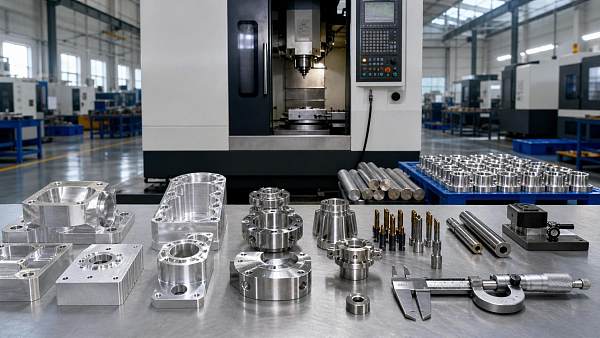
Suppliers calculate cost through machine time, setup effort, tooling wear, programming complexity, inspection, finishing, and logistics.
That means two visually similar parts can produce very different pricing outcomes.
From a sourcing standpoint, the important question is not only price per part, but what operational burden is built into it.
The Core Cost Formula
Most machining quotes reflect five inputs.
- Material cost and availability
- Machining time on each operation
- Setup and programming time
- Inspection and quality assurance
- Post-processing, packaging, and shipping
When one of these rises sharply, CNC machining price usually follows, even before overhead and margin are added.
How Material Selection Changes CNC Machining Price
Material is the first visible cost driver, but not always the largest one.
A lower-cost metal can still create a higher CNC machining price if it cuts poorly or causes more tool wear.
Common Material Pricing Patterns
Aluminum usually offers the most balanced CNC machining price for many structural and enclosure parts.
It machines quickly, supports good surface finish, and keeps cycle times relatively short.
Stainless steel tends to raise CNC machining price because cutting speeds are slower and tooling stress is higher.
Titanium pushes cost further due to slower feed rates, heat management, and higher process sensitivity.
Engineering plastics can reduce machining time, but price depends on grade, stability, and scrap sensitivity.
In short, the best material decision balances performance requirements with machining efficiency, not purchase price alone.
Material Factors Buyers Should Check
- Grade specification and certification needs
- Stock form availability, such as plate, bar, or billet
- Machinability and expected tool consumption
- Waste ratio from the starting stock size
- Corrosion, strength, or thermal performance requirements
A supplier may quote the same drawing differently simply because their stock strategy and sourcing channels differ.
Tolerance Requirements and Their Cost Impact
Tolerance is often the most underestimated driver of CNC machining price.
A tighter tolerance does not increase cost in a linear way.
Once a feature moves into precision territory, machining time, inspection time, and scrap risk can rise together.
Why Tight Tolerances Cost More
- More careful machine setup is required
- Extra finishing passes may be needed
- Tool deflection becomes more critical
- Temperature control matters more
- Inspection may require CMM or specialized gauges
- Nonconformance risk increases during long runs
This is where quote gaps become obvious.
One supplier may price to the strictest interpretation of the drawing.
Another may assume standard shop tolerance on noncritical features unless called out clearly.
A Practical Cost Control Move
Separate critical-to-function tolerances from general dimensions.
That single step can reduce CNC machining price without weakening fit, safety, or service life.
In many procurement reviews, this is the fastest route to cost reduction with low implementation risk.
Volume, Batch Size, and Unit Economics
Volume has a direct effect on CNC machining price, but the pattern deserves a closer look.
Low-volume runs carry a larger share of setup, programming, fixture preparation, and first-article inspection.
As order quantity rises, those fixed costs spread across more units.
That is why prototype pricing can look dramatically higher than production pricing.
What Changes at Different Volumes
At very low volumes, the CNC machining price is dominated by engineering effort and setup labor.
At medium volumes, process stability and fixture efficiency become bigger levers.
At higher volumes, cycle time reduction, preventive maintenance, and yield control shape the final cost curve.
Past a certain point, buyers should also compare CNC machining against casting, extrusion, stamping, or molding alternatives.
Questions That Improve Quote Accuracy
- Is this prototype, bridge production, or steady-state production?
- What annual volume is realistic, not optimistic?
- Can releases be scheduled in batches to lower setup repetition?
- Will design changes continue after the first order?
These questions help frame a CNC machining price around actual demand instead of speculative forecasts.
Other Hidden Drivers Behind CNC Machining Price
Material, tolerance, and volume are central, but they are not the full picture.
Several secondary factors can materially change CNC machining price during sourcing decisions.
Design Complexity
Deep cavities, thin walls, sharp internal corners, and multi-axis features usually increase machining time.
Complex geometry may also require custom fixtures or multiple setups, both of which raise cost.
Surface Finish and Secondary Operations
Anodizing, polishing, bead blasting, heat treatment, passivation, and coating add cost and lead time.
When outsourced, these steps can also create more schedule risk than the machining itself.
Documentation and Compliance
Traceability packs, material certificates, inspection reports, and regulatory records all affect CNC machining price.
For many commercial environments, documentation is not optional, so it should be quoted upfront.
How to Compare Quotes Without Missing Risk
A useful quote comparison goes beyond the headline CNC machining price.
It should reveal what each supplier included, assumed, or excluded.
Review These Items Line by Line
- Material grade and source assumptions
- Tolerance interpretation and inspection method
- Included finishes and outsourced steps
- Fixture, tooling, or nonrecurring engineering charges
- Lead time, expedite fees, and packaging terms
- Scrap replacement policy and quality response time
From recent sourcing shifts, the clearer signal is this: stable delivery often matters more than the lowest opening number.
That also means total landed cost should sit beside quoted CNC machining price in every serious review.
A Smarter Procurement Approach to CNC Machining Price
The strongest sourcing outcomes come from clear specifications and realistic demand planning.
A well-managed RFQ process gives suppliers less room for assumption and gives buyers better cost visibility.
For organizations tracking commercial durability and technical performance, this approach fits broader data-led procurement models.
That is especially relevant in sectors where engineered assets must balance lifecycle value, compliance, and operating reliability.
Action Steps for Better Cost Control
- Standardize material and tolerance callouts before quoting.
- Flag critical features separately from general dimensions.
- Request pricing at multiple volume tiers.
- Ask for breakout of setup, machining, finishing, and inspection.
- Review supplier capability against actual part complexity.
- Measure total cost, not only unit quote.
When these steps are in place, CNC machining price becomes easier to predict and easier to negotiate with evidence.
That turns procurement from reactive quote chasing into a more controlled decision process built on cost, quality, and supply confidence.
Recommended News
 Oct 10, 2026How to Evaluate Spark Plug Suppliers for Consistent Quality and Lead TimesSpark plugs supplier evaluation guide: compare quality control, traceability, fitment, total cost, and reliable lead times to secure dependable engine maintenance supply.
 Oct 07, 2026Project Planning Sourcing Guides: How to Qualify Suppliers Before Work StartsSourcing guides project planning helps teams qualify suppliers before work begins—verify compliance, delivery capacity, financial strength, and sustainability to reduce risk and protect project outcomes.
 Oct 05, 2026Regulatory Compliance Vendor Comparison: How to Assess Audit Readiness and RiskRegulatory compliance vendor comparison made practical: assess audit readiness, evidence quality, change control, and supply-chain risk before award. Learn how to choose defensible suppliers.
 Sep 18, 2026Technical Procurement in Southeast Asia: Evaluating Suppliers, Compliance, and Lead TimesTechnical procurement Southeast Asia: evaluate suppliers, compliance, lead times, and total cost to secure reliable, project-ready assets. Read the practical guide.
 Sep 17, 2026Glamping Site Supplier Selection: A Checklist for Quality, Lead Times, and SupportGlamping site supplier selection made simple: assess quality, lead-time reliability, installation readiness, and after-sales support for a resilient, profitable site.
 Sep 10, 2026How to Evaluate Resort Slide System Suppliers for Safety, Capacity, and Project SupportResort slide systems supplier evaluation guide: compare safety evidence, real capacity, durable materials, and project support for confident resort investments.
 Aug 27, 2026Hospitality Supplier Comparison: A Procurement Framework for Quality, Cost, and ReliabilityHospitality supplier comparison: evaluate quality, total cost, compliance, and service reliability to reduce procurement risk and protect guest experience.
 Aug 14, 2026Bedding Sets Wholesale: How to Choose the Right Supplier for Hotels and RetailersBedding sets wholesale for hotels and retailers: learn how to choose the right supplier for quality, compliance, and reliable delivery.
 Aug 11, 2026ITB China 2026 Closes With 900 Global ExhibitorsITB China 2026 closes with 900 global exhibitors from 85 countries, highlighting China’s growing role in tourism sourcing, travel tech, and cross-border supply chain opportunities.
 Aug 06, 2026How to Evaluate a Marine Hospitality Solutions Provider for Guest Experience and ROIMarine hospitality solutions provider evaluation starts with performance, not visuals. Learn how to assess guest experience, compliance, integration, and lifecycle ROI before you invest.
 Jul 20, 2026Supplier Capability Verification: How to Assess Quality, Capacity, and Delivery RiskSupplier capability verification helps buyers assess quality, production capacity, and delivery risk with a practical framework to reduce sourcing surprises and make smarter procurement decisions.
 Jul 14, 2026Global Sourcing Procurement Planning: Key Cost, Risk, and Lead-Time Factors to CompareGlobal sourcing procurement planning: compare total landed cost, lead-time reliability, compliance, and supplier risk to avoid hidden losses and make smarter sourcing decisions.
 Jul 12, 2026Hotel Furnishing for Guest Rooms: What to Check Before Comparing Suppliers and QuotesHotel furnishing for guest rooms: learn what to verify before comparing suppliers and quotes, from materials and compliance to lead times and lifecycle cost.
 Jul 09, 2026High-End Furniture Quotation Explained: What Drives Price and How to Compare OffersHigh-end furniture quotation explained: learn what drives price, how to compare offers, spot hidden risks, and choose durable, compliant value for hospitality projects.
 Jul 08, 2026How to Choose a Thermal Efficiency Testing Service Provider for Compliance and ROIThermal efficiency testing service provider selection affects more than compliance. Learn how to compare scope, reporting, and ROI to reduce risk, control costs, and choose with confidence.
![]() Jul 07, 2026How to Choose a Smart Home Devices Wholesale Supplier in China for Stable OEM OrdersSmart home devices wholesale supplier in China selection starts with OEM stability, compliance, and quality control. Learn how to avoid sourcing risks and secure reliable long-term orders.
 Jul 05, 2026How to Use Sourcing Guides Category Education to Compare Suppliers and Reduce Buying RiskSourcing guides category education helps buyers compare suppliers with real evidence, cut procurement risk, and evaluate compliance, durability, integration, and total cost with confidence.
 Jul 04, 2026Plastic Machinery Buying Guide: Key Machine Types, Output Needs, and Cost FactorsPlastic machinery buying guide covering key machine types, real output planning, and total cost factors. Compare suppliers smarter, reduce risk, and choose equipment that supports quality and ROI.
 Jul 03, 2026Metal Fabrication Processes Compared: Cutting, Bending, Welding, and When to Use EachMetal fabrication choices shape cost, strength, finish, and lead time. Compare cutting, bending, and welding to choose the right process for durable, efficient results.
 Jul 02, 2026Product Category ISO Standards: How to Check Compliance Requirements Before SourcingProduct category ISO standards are the first check before sourcing. Learn how to verify real compliance, reduce risk, avoid delays, and choose suppliers with confidence.
 Jul 01, 2026How to Use an Exporters Directory with Verified Suppliers for Safer Sourcing DecisionsExporters directory with verified suppliers: learn how to screen exporters, spot weak claims, reduce sourcing risk, and build a safer shortlist for smarter buying decisions.
 Jun 30, 2026CNC Machining Price Breakdown: What Drives Cost for Materials, Tolerances, and Volume?CNC machining price explained: see how materials, tolerances, and production volume affect cost, risk, and quote accuracy to help buyers source smarter and save more.
 Jun 29, 2026How to Evaluate a Technical Integration Solutions Provider for Multi-System ProjectsTechnical integration solutions provider selection starts with risk, not demos. Learn how to assess interoperability, security, compliance, and long-term reliability for multi-system projects.
 Jun 28, 2026Hospitality Equipment Comparison: What to Evaluate Before Buying for Hotels and ResortsHospitality equipment comparison for hotels and resorts: evaluate durability, compliance, integration, sustainability, and lifecycle cost before buying to avoid costly mistakes.
Quarterly Executive Summaries Delivered Directly.
Join 50,000+ industry leaders who receive our proprietary market analysis and policy outlooks before they hit the public library.