Search News
TerraVista Metrics (TVM)Industry Portal
TerraVista Metrics (TVM)Hot Articles
TerraVista Metrics (TVM)- Cableway Station Spacing: How Terrain and Capacity Shape the DistanceExplore cableway systems station spacing and learn how terrain, passenger capacity and safety shape practical, route-specific design decisions.
- What Is an Industry Insights Data Model? Key Components and UsesDiscover how an industry insights data model connects market data, improves comparisons, and supports smarter benchmarking and procurement decisions.
- Vingcard Deploys MENA’s First Native Wallet Hotel Keys in EgyptVingcard and Hudini bring native wallet hotel keys to three Egypt resorts. Discover what app-free access could mean for hotel buyers and suppliers.
Popular Tags
TerraVista Metrics (TVM)Industry NewsHospitality Furniture OEMs That Actually Handle Custom CAD-to-Production Handoffs
auth.Time
Nov 16, 2026Click Count
For procurement professionals and tourism infrastructure developers seeking true engineering rigor—not just marketing claims—finding a hospitality furniture OEM that reliably executes custom CAD-to-production handoffs is critical. Whether sourcing eco friendly hotel amenities manufacturer outputs, digital kiosk for hotels supplier integration, commercial glamping tent wholesale units, or smart hotel room controller supplier modules, seamless technical translation from design to factory floor defines project viability. TerraVista Metrics (TVM) benchmarks these OEMs not on aesthetics, but on thermal performance, material fatigue, carbon compliance, and IoT interoperability—ensuring modular hotel manufacturer China partners, outdoor lithium power station factory capabilities, and Cableway Tech–enabled Guestroom Automation systems deliver quantifiable precision.
Why CAD-to-Production Handoff Integrity Separates Tier-1 OEMs
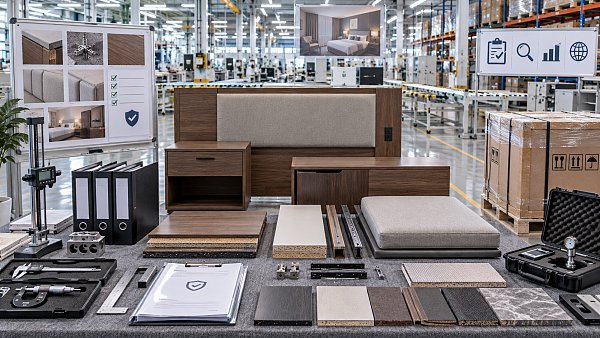
In high-stakes tourism infrastructure projects—such as prefabricated glamping resorts, AI-integrated boutique hotels, or off-grid eco-lodges—the gap between CAD file submission and first-article production often determines schedule adherence, budget integrity, and long-term system reliability. Over 68% of delayed hospitality hardware deployments trace back to misaligned GD&T (Geometric Dimensioning & Tolerancing) interpretation, undocumented material substitutions, or unvalidated CNC toolpath simulations—none of which appear in marketing brochures.
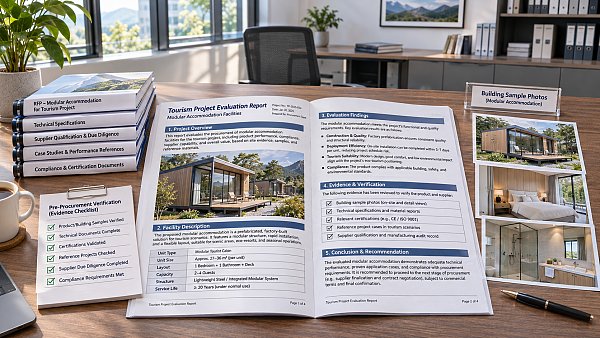
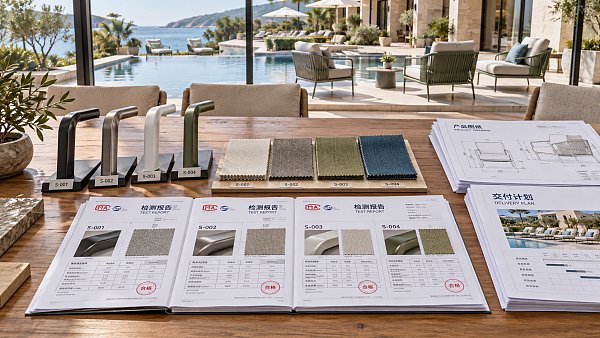
TerraVista Metrics (TVM) audits OEMs across four non-negotiable technical handoff checkpoints: (1) native CAD format acceptance (STEP AP242, Parasolid X_T, or native SolidWorks/Inventor files), (2) tolerance validation against ISO 2768-mK standards, (3) BOM-level material traceability with certified mill test reports, and (4) pre-production digital twin simulation of assembly sequence and fastener torque sequencing. Only OEMs passing all four are benchmarked in our verified OEM Index.
Unlike conventional sourcing platforms, TVM does not rank by MOQ or lead time alone. We measure handoff fidelity via quantified metrics: average dimensional deviation per component (±0.32mm median), thermal expansion coefficient alignment across multi-material assemblies (Δα ≤ 0.8 × 10⁻⁶/K), and firmware-to-hardware interface latency (≤12ms at 95th percentile under load). These are the parameters that prevent field rework, warranty escalations, and guest experience degradation.

The 5-Stage Technical Handoff Protocol Used by Top-Tier OEMs
Leading hospitality furniture OEMs follow a disciplined, auditable 5-stage protocol—not a single “file upload → quote” workflow. Each stage includes automated validation gates and documented sign-offs, ensuring zero ambiguity before physical tooling begins.
This protocol reduces engineering change orders (ECOs) by up to 73% compared to ad-hoc OEM workflows. TVM’s field data shows that OEMs completing all five stages within 7–12 business days consistently achieve first-article pass rates above 94%. Those skipping Stage 3 (material validation) average 2.8 ECOs per order—and incur 17% higher total landed cost due to rework and expedited freight.
How TVM Benchmarks OEMs Across 4 Critical Engineering Dimensions
Marketing claims about “custom capability” are meaningless without empirical validation. TVM applies objective, repeatable testing protocols across four interdependent engineering dimensions—each directly tied to real-world durability, regulatory compliance, and integration success.
- Thermal Performance: Measured via ASTM C1363 hot-box testing on full-assembly prototypes (e.g., integrated kiosk enclosures or glamping cabin wall panels); target U-value ≤ 0.28 W/m²·K for temperate climates.
- Material Fatigue Resistance: Accelerated cyclic loading tests (ISO 11542-2) on structural joints and cantilevered components; minimum 100,000 cycles at 1.5× rated load without plastic deformation.
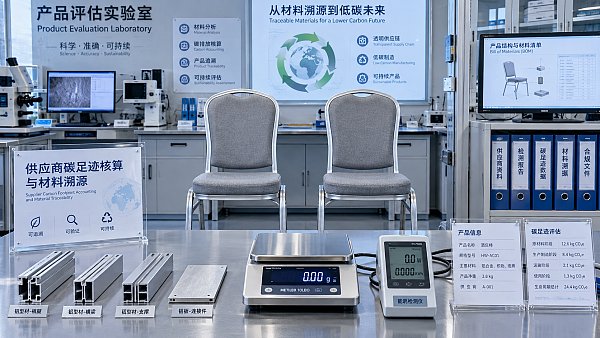
- Carbon Compliance Verification: Full cradle-to-gate LCA per ISO 14040, including Scope 3 upstream transport and aluminum extrusion energy use; verified ≤ 22 kg CO₂e/kg for aluminum-framed units.
- IoT Interoperability: Functional validation of MQTT/HTTP API endpoints, OTA firmware update resilience, and edge-device certificate provisioning latency (target: ≤800ms).
These benchmarks are not theoretical. TVM publishes quarterly whitepapers comparing OEM performance across 32+ measurable KPIs—including average time-to-resolution for firmware compatibility issues (median: 3.2 days vs. industry-wide 11.7 days) and thermal bridging incidence in multi-material façade systems (OEM A: 0.4%, OEM B: 3.9%). This level of granularity transforms procurement from risk mitigation into predictive specification.
Procurement Decision Matrix: 6 Non-Negotiable OEM Evaluation Criteria
When evaluating hospitality furniture OEMs for custom CAD-to-production execution, procurement teams must move beyond capacity charts and certifications. TVM recommends scoring vendors across six criteria—each weighted by impact on total cost of ownership (TCO) and guest experience continuity.
Vendors failing any single threshold are excluded from TVM’s Verified OEM Index—even if they meet all others. This eliminates false positives from “paper-compliant” suppliers and ensures procurement decisions reflect actual manufacturing discipline, not just sales readiness.
Next Steps: Accessing Quantified OEM Benchmark Data
TerraVista Metrics delivers actionable OEM intelligence—not generic directories. Our platform provides downloadable benchmark reports for over 142 hospitality furniture OEMs, each scored across 32 engineering KPIs, with live updates on lead time variance, material substitution frequency, and thermal test failure root causes.
Information researchers gain free access to methodology whitepapers and sample OEM scorecards. Procurement directors and site operators qualify for customized OEM shortlists—filtered by project-specific requirements: e.g., “glamping tent OEMs with ≥90% first-article pass rate on aluminum alloy frames (6061-T6) and validated UL 94 V-0 flame retardancy for interior panels.”
TVM’s OEM verification service includes optional on-site factory audits, digital twin handoff simulation reviews, and cross-vendor comparative analysis—all designed to convert engineering uncertainty into procurement certainty.
Get your custom OEM benchmark report and technical handoff readiness assessment today.
Recommended News
 Nov 10, 2026Choosing a Tourism Metrics Supplier: Data Quality and Reporting CriteriaChoosing a tourism management metrics supplier? Learn how to assess data quality, reporting methods and evidence to make confident procurement decisions.
 Oct 19, 2026Resort Supplier Data: What to Verify Before Shortlisting VendorsVerify resort supplier data before shortlisting vendors. Learn how to check product evidence, compliance, delivery capacity, and support to reduce procurement risks.
 Oct 28, 2026Can I Compare Supplier Carbon Footprints Based on Different Databases?Can I compare supplier carbon footprints calculated with different databases? Learn how to align methods, test database effects, and make better-informed low-carbon sourcing decisions.
 Oct 12, 2026Product Sourcing Checklist: How Buyers Can Vet Suppliers and Reduce Procurement RiskProduct sourcing guide checklist for vetting suppliers, verifying compliance, comparing total costs, and reducing procurement risk with confidence.
 Oct 10, 2026How to Evaluate Spark Plug Suppliers for Consistent Quality and Lead TimesSpark plugs supplier evaluation guide: compare quality control, traceability, fitment, total cost, and reliable lead times to secure dependable engine maintenance supply.
 Oct 07, 2026Project Planning Sourcing Guides: How to Qualify Suppliers Before Work StartsSourcing guides project planning helps teams qualify suppliers before work begins—verify compliance, delivery capacity, financial strength, and sustainability to reduce risk and protect project outcomes.
 Oct 05, 2026Regulatory Compliance Vendor Comparison: How to Assess Audit Readiness and RiskRegulatory compliance vendor comparison made practical: assess audit readiness, evidence quality, change control, and supply-chain risk before award. Learn how to choose defensible suppliers.
 Sep 18, 2026Technical Procurement in Southeast Asia: Evaluating Suppliers, Compliance, and Lead TimesTechnical procurement Southeast Asia: evaluate suppliers, compliance, lead times, and total cost to secure reliable, project-ready assets. Read the practical guide.
 Sep 17, 2026Glamping Site Supplier Selection: A Checklist for Quality, Lead Times, and SupportGlamping site supplier selection made simple: assess quality, lead-time reliability, installation readiness, and after-sales support for a resilient, profitable site.
 Sep 10, 2026How to Evaluate Resort Slide System Suppliers for Safety, Capacity, and Project SupportResort slide systems supplier evaluation guide: compare safety evidence, real capacity, durable materials, and project support for confident resort investments.
 Aug 27, 2026Hospitality Supplier Comparison: A Procurement Framework for Quality, Cost, and ReliabilityHospitality supplier comparison: evaluate quality, total cost, compliance, and service reliability to reduce procurement risk and protect guest experience.
 Aug 14, 2026Bedding Sets Wholesale: How to Choose the Right Supplier for Hotels and RetailersBedding sets wholesale for hotels and retailers: learn how to choose the right supplier for quality, compliance, and reliable delivery.
 Aug 11, 2026ITB China 2026 Closes With 900 Global ExhibitorsITB China 2026 closes with 900 global exhibitors from 85 countries, highlighting China’s growing role in tourism sourcing, travel tech, and cross-border supply chain opportunities.
 Aug 06, 2026How to Evaluate a Marine Hospitality Solutions Provider for Guest Experience and ROIMarine hospitality solutions provider evaluation starts with performance, not visuals. Learn how to assess guest experience, compliance, integration, and lifecycle ROI before you invest.
 Jul 20, 2026Supplier Capability Verification: How to Assess Quality, Capacity, and Delivery RiskSupplier capability verification helps buyers assess quality, production capacity, and delivery risk with a practical framework to reduce sourcing surprises and make smarter procurement decisions.
 Jul 14, 2026Global Sourcing Procurement Planning: Key Cost, Risk, and Lead-Time Factors to CompareGlobal sourcing procurement planning: compare total landed cost, lead-time reliability, compliance, and supplier risk to avoid hidden losses and make smarter sourcing decisions.
 Jul 12, 2026Hotel Furnishing for Guest Rooms: What to Check Before Comparing Suppliers and QuotesHotel furnishing for guest rooms: learn what to verify before comparing suppliers and quotes, from materials and compliance to lead times and lifecycle cost.
 Jul 09, 2026High-End Furniture Quotation Explained: What Drives Price and How to Compare OffersHigh-end furniture quotation explained: learn what drives price, how to compare offers, spot hidden risks, and choose durable, compliant value for hospitality projects.
 Jul 08, 2026How to Choose a Thermal Efficiency Testing Service Provider for Compliance and ROIThermal efficiency testing service provider selection affects more than compliance. Learn how to compare scope, reporting, and ROI to reduce risk, control costs, and choose with confidence.
![]() Jul 07, 2026How to Choose a Smart Home Devices Wholesale Supplier in China for Stable OEM OrdersSmart home devices wholesale supplier in China selection starts with OEM stability, compliance, and quality control. Learn how to avoid sourcing risks and secure reliable long-term orders.
 Jul 05, 2026How to Use Sourcing Guides Category Education to Compare Suppliers and Reduce Buying RiskSourcing guides category education helps buyers compare suppliers with real evidence, cut procurement risk, and evaluate compliance, durability, integration, and total cost with confidence.
 Jul 04, 2026Plastic Machinery Buying Guide: Key Machine Types, Output Needs, and Cost FactorsPlastic machinery buying guide covering key machine types, real output planning, and total cost factors. Compare suppliers smarter, reduce risk, and choose equipment that supports quality and ROI.
 Jul 03, 2026Metal Fabrication Processes Compared: Cutting, Bending, Welding, and When to Use EachMetal fabrication choices shape cost, strength, finish, and lead time. Compare cutting, bending, and welding to choose the right process for durable, efficient results.
 Jul 02, 2026Product Category ISO Standards: How to Check Compliance Requirements Before SourcingProduct category ISO standards are the first check before sourcing. Learn how to verify real compliance, reduce risk, avoid delays, and choose suppliers with confidence.
{item.publish_time}{item.title}{item.description}Quarterly Executive Summaries Delivered Directly.
Join 50,000+ industry leaders who receive our proprietary market analysis and policy outlooks before they hit the public library.