Choosing the right rapid prototyping company is no longer just an engineering decision—it is a procurement risk-management strategy.
For tourism developers, hospitality operators, and infrastructure buyers, prototype quality can determine whether a modular structure, smart hotel device, leisure product, or attraction component performs reliably at scale.
This guide explains how procurement teams can evaluate technical capability, material expertise, compliance readiness, cost transparency, and supply chain reliability before committing capital to a prototyping partner.
Start with the Procurement Outcome, Not the Prototype Itself
The best rapid prototyping company is not simply the fastest vendor or the one with the most impressive machines.
For procurement teams, the right partner is the one that reduces uncertainty before tooling, certification, installation, or mass production begins.
A prototype should answer commercial questions, not only technical ones. Will the design survive public use, weather exposure, cleaning cycles, or guest interaction?
In tourism and hospitality projects, prototypes often influence major purchasing decisions across prefabricated units, smart systems, leisure equipment, furniture, and attraction components.
That means procurement should define the business objective first: design validation, supplier comparison, investor presentation, compliance preparation, or pilot installation.
Once the outcome is clear, it becomes easier to judge whether a prototyping partner offers real value or only production capacity.
Check Whether the Company Understands Your Operating Environment
A rapid prototyping company serving consumer electronics may not automatically understand the demands of outdoor resorts, theme parks, or hotel infrastructure.
Tourism assets are exposed to heavy public usage, unpredictable maintenance behavior, humidity, ultraviolet radiation, salt air, vibration, and sometimes remote-site logistics.
Procurement teams should ask whether the company has experience with commercial-grade environments rather than only showroom models or presentation samples.
For prefabricated cabins, prototypes may need to test insulation details, panel joints, drainage paths, fastener choices, and transportation-related deformation risks.
For smart hotel systems, prototype evaluation should include enclosure design, thermal management, cable routing, wireless performance, cybersecurity implications, and service access.
For amusement or leisure components, the prototype must reveal fatigue risks, user misuse scenarios, cleaning durability, and compatibility with safety documentation.
A capable partner will ask about deployment conditions early, because those conditions determine materials, tolerances, surface finishes, and testing priorities.
Evaluate Technical Capability Beyond the Equipment List
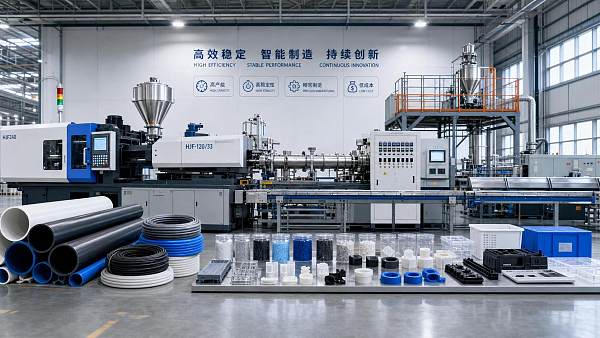
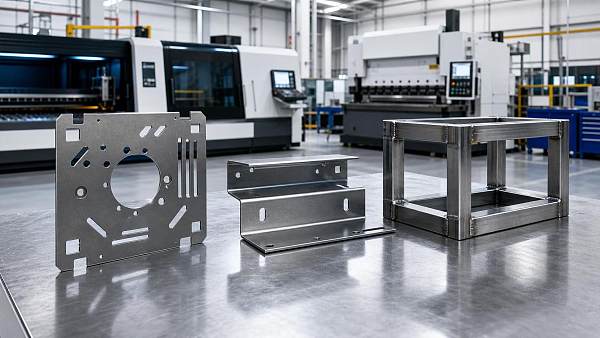
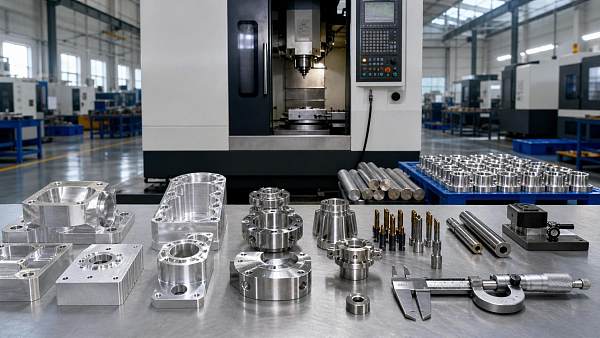
Many suppliers promote 3D printers, CNC machines, vacuum casting, sheet metal fabrication, or injection molding support on their websites.
Those capabilities matter, but procurement teams should look deeper than the machinery and assess engineering judgment behind the process selection.
A strong rapid prototyping company can explain why one process is suitable for a functional test while another suits visual validation.
For example, fused deposition modeling may support early form studies, while CNC machining may better represent final mechanical strength.
Stereolithography can provide fine surface detail, but it may not reflect final material behavior under load, heat, or impact.
Vacuum casting may help validate low-volume guest-facing parts, while prototype tooling may be necessary before procurement approves larger production budgets.
The key question is whether the supplier can connect prototype method, test purpose, material behavior, tolerance requirements, and final manufacturing path.
If the company recommends a process before understanding the decision you need to make, procurement should treat that as a warning sign.
Make Material Expertise a Central Selection Criterion
Material choice can turn a promising prototype into either a reliable procurement reference or a misleading sample with limited decision value.
Tourism and hospitality applications often require materials that balance appearance, strength, fire performance, corrosion resistance, sustainability, and maintenance requirements.
A credible partner should discuss candidate materials in relation to actual operating conditions, not only price or availability.
For outdoor furnishings, ultraviolet stability, moisture resistance, coating adhesion, and abrasion performance may matter more than initial visual quality.
For smart devices, flame retardancy, electromagnetic compatibility, heat dissipation, and enclosure rigidity can affect certification and long-term service reliability.
For amusement hardware, material fatigue, impact resistance, weldability, and inspection access may directly influence operational safety and insurance concerns.
Procurement teams should request material data sheets, comparable project references, and clear explanations of differences between prototype-grade and production-grade materials.
The goal is not to demand final materials in every prototype, but to understand where prototype behavior may differ from production reality.
Ask How the Prototype Will Be Tested and Measured
A prototype without measurement is often just a sample, and samples can create false confidence during supplier selection.
Procurement teams should ask what inspections, tests, or validation activities will accompany the prototype before accepting the quotation.
Useful measurements may include dimensional inspection, surface finish assessment, load testing, thermal observation, fit checks, assembly trials, or environmental exposure tests.
For modular tourism structures, even a partial prototype can reveal air leakage, water ingress, panel alignment, and fastener accessibility problems.
For hospitality furniture, prototype testing can examine joint strength, fabric abrasion, stain resistance, foam recovery, and stability under repeated use.
For attraction components, testing should consider dynamic loads, vibration, impact scenarios, and maintenance inspection intervals before design freeze.
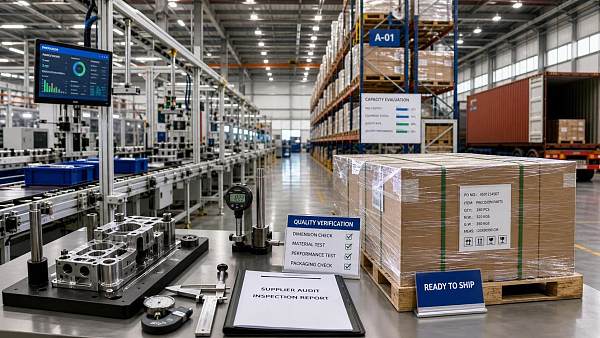
A high-quality rapid prototyping company should provide inspection reports, test photos, measurement records, and recommendations for design improvement.
Procurement should avoid treating testing as an optional extra when the prototype will influence capital expenditure or supplier approval.
Review Compliance Awareness Before It Becomes Expensive
Compliance mistakes are cheaper to catch during prototyping than after tooling, shipment, installation, or public operation.
The right partner does not need to replace certification bodies, but it should understand the standards that may affect design decisions.
Relevant considerations may include fire safety, electrical safety, accessibility, structural performance, chemical restrictions, radio regulations, or amusement equipment requirements.
International tourism projects add another layer, because destination markets may apply different documentation, labeling, testing, and import requirements.
Procurement teams should ask whether the prototyping company can support design-for-compliance discussions and provide traceable material or process information.
If a prototype is intended for investor review only, compliance depth may be limited, but the limitation should be stated clearly.
If a prototype will support field trials, hotel pilots, or guest interaction, compliance assumptions must be far more rigorous.
Early compliance awareness helps procurement avoid redesign, delayed openings, rejected shipments, insurance complications, and reputation damage.
Demand Transparent Costing and Scope Definition
Low prototype pricing can be attractive, but unclear scope often creates change orders, schedule disruption, and incomplete decision data.
A procurement-ready quotation should separate design support, engineering review, material cost, production process, finishing, testing, packaging, and shipping.
It should also state what is excluded, such as certification fees, destructive testing, design revisions, tooling, or specialized surface treatments.
For comparable supplier evaluation, procurement teams should ask each rapid prototyping company to quote against the same technical brief.
Otherwise, one supplier may quote a visual model while another quotes a functional prototype, making price comparison meaningless.
The cheapest prototype is not always the lowest-risk choice if it fails to answer the procurement question accurately.
A better metric is decision value per dollar: what uncertainty will the prototype remove before larger investment is approved?
Transparent costing also helps internal stakeholders understand why certain tests, materials, or tolerances are necessary rather than decorative add-ons.
Assess Lead Time Realistically, Including Revision Cycles
Speed matters in competitive tourism development, especially when prototypes affect investor meetings, pre-opening schedules, or seasonal procurement windows.
However, lead time should include design review, file preparation, material sourcing, production, finishing, inspection, packaging, delivery, and feedback revisions.
A supplier promising unusually fast delivery may be skipping engineering review, quality checks, or realistic finishing timelines.
Procurement teams should ask for a milestone schedule rather than a single delivery date, especially for complex or regulated components.
The schedule should identify approval points, responsibility for feedback, maximum revision rounds, and consequences of late design changes.
For international projects, logistics time, customs documentation, and transport protection may be just as important as manufacturing speed.
A reliable rapid prototyping company will communicate schedule risks early and propose practical alternatives when timing conflicts with technical quality.
This transparency allows procurement teams to manage stakeholders instead of discovering delays after commitments have already been made.
Look for Design-for-Manufacturing Support
A prototype that cannot transition into scalable production may create excitement but fail the procurement function.
Design-for-manufacturing support helps ensure that the prototype does not depend on expensive, fragile, or unrealistic production assumptions.
Procurement should ask whether the company can identify undercuts, weak wall sections, difficult assemblies, inefficient material use, or finishing risks.
This matters when evaluating products that must be repeated across multiple resort units, hotel rooms, campsites, or attraction zones.
Small design inefficiencies can become significant cost drivers when multiplied across hundreds or thousands of deployed assets.
Good prototyping partners also consider packaging, installation, maintenance, spare parts, and replacement procedures during the prototype stage.
For tourism operators, those lifecycle details can affect guest downtime, maintenance labor, and long-term return on investment.
The strongest suppliers help procurement connect prototype validation with future sourcing, production readiness, and total cost of ownership.
Verify Quality Systems and Documentation Discipline
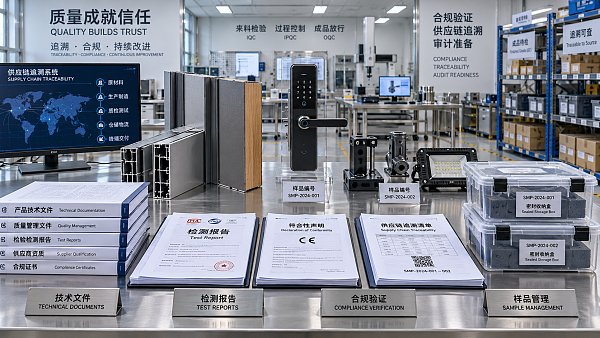
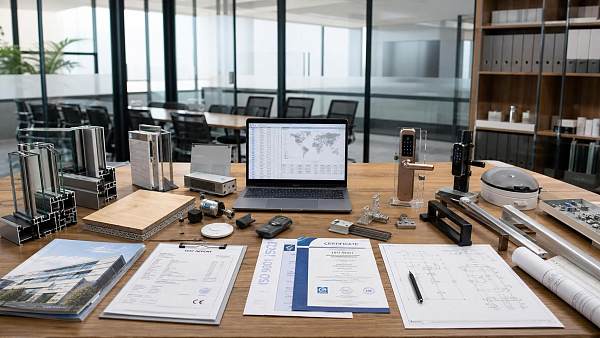
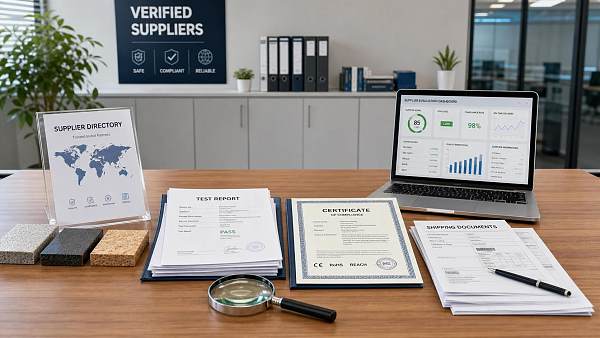
Procurement decisions depend on evidence, so documentation quality is a practical indicator of supplier maturity.
A professional rapid prototyping company should control drawings, revisions, materials, inspection records, nonconformance notes, and communication history.
Ask how design files are managed, how version changes are approved, and how the supplier prevents outdated files from entering production.
For sensitive designs, procurement should also review confidentiality procedures, data security measures, and intellectual property handling.
Quality systems do not need to be overly bureaucratic, but they should be strong enough to support accountable decision-making.
When prototypes support regulatory submission, investor due diligence, or supplier qualification, poor documentation can reduce the value of the entire exercise.
Procurement teams should favor partners that provide clear records without needing repeated requests or informal follow-up.
Documentation discipline signals whether the supplier can support more complex collaboration after the first prototype succeeds.
Investigate Supply Chain Reliability and Scaling Pathways
A prototyping partner may perform well on one sample but struggle when the project moves toward pilot production or commercial rollout.
Procurement teams should understand whether the company has reliable material sources, finishing partners, tooling relationships, and production transition options.
This is especially important for tourism projects involving remote deployment, phased openings, or multi-site brand standardization.
Ask whether the supplier can maintain consistency across batches, manage substitutions, and document material changes when availability shifts.
If the prototype uses a rare material or specialized process, procurement should know whether it can be sourced repeatedly at scale.
For international buyers, export experience, packaging quality, incoterms familiarity, and customs documentation can affect both cost and schedule.
A supplier with strong supply chain visibility can help avoid surprises when moving from prototype approval to operational procurement.
At TerraVista Metrics, this distinction is central: technical performance and supply chain resilience must be evaluated together.
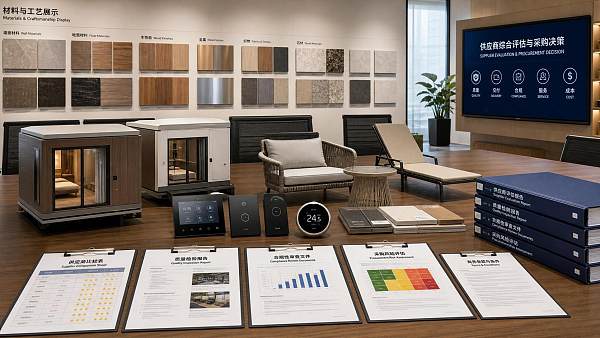
Use a Structured Supplier Evaluation Scorecard
Procurement teams should avoid selecting a rapid prototyping company based only on sales responsiveness or a polished portfolio.
A structured scorecard creates a fair comparison and helps align engineering, finance, operations, and executive stakeholders.
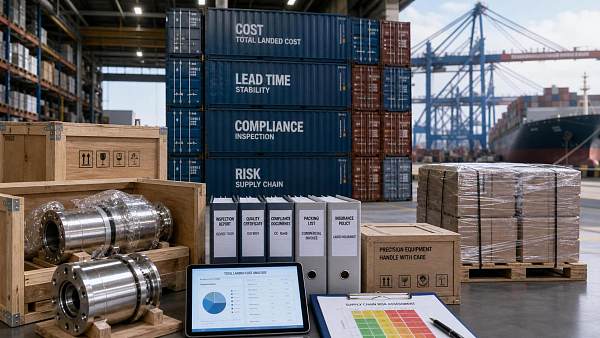
Important criteria include relevant sector experience, process capability, material knowledge, testing support, compliance awareness, documentation quality, and lead time reliability.
Commercial criteria should include quotation clarity, revision policy, payment terms, shipping arrangements, scalability, and willingness to discuss total cost.
Risk criteria should address confidentiality, supply chain stability, quality controls, communication transparency, and responsiveness when problems arise.
Weight each criterion according to project purpose. A visual investor model does not require the same rigor as a field-test prototype.
For high-value tourism infrastructure, technical validation and compliance readiness should usually carry more weight than the lowest initial price.
A scorecard turns supplier selection from a subjective preference into a defensible procurement decision.
Know the Warning Signs Before You Commit
Several warning signs should prompt procurement teams to slow down before issuing a purchase order.
Be cautious if the supplier cannot explain process limitations, material trade-offs, tolerance assumptions, or the difference between prototype and production behavior.
Another concern is a quotation that lacks detail, excludes testing without saying so, or promises delivery without reviewing technical files.
Poor communication during the quotation stage often becomes worse once schedules tighten and technical changes appear.
Procurement should also question suppliers that resist documentation, avoid compliance discussions, or provide only generic portfolio images.
If the supplier treats all industries alike, it may miss operating risks specific to hospitality, leisure, outdoor, or attraction environments.
The right partner will be confident but not careless, fast but not vague, and commercially flexible without hiding technical risk.
Warning signs do not always mean a supplier is unusable, but they help procurement define safeguards before commitment.
Match the Supplier Type to the Project Stage
Not every project requires the same kind of rapid prototyping company, and over-specifying can waste budget.
Early concept work may need speed, visual quality, and flexible iteration more than full compliance or production engineering.
Functional validation requires stronger material selection, dimensional accuracy, load assessment, assembly testing, and practical design feedback.
Pilot deployment requires documentation, repeatability, service planning, packaging, field feedback systems, and potentially certification preparation.
Production transition requires manufacturing knowledge, quality controls, cost optimization, supplier coordination, and scalable procurement planning.
Procurement teams should define which stage they are buying for before comparing suppliers or negotiating price.
This prevents paying for unnecessary complexity while also avoiding underpowered prototypes that cannot support serious investment decisions.
A suitable partner may even recommend a staged approach, beginning with a lower-cost prototype before moving toward functional validation.
Conclusion: Choose the Company That Reduces Decision Risk
Choosing a rapid prototyping company is ultimately about improving procurement confidence before capital is committed.
The strongest partner combines technical capability, material judgment, testing discipline, compliance awareness, transparent costing, and supply chain reliability.
For tourism and hospitality buyers, the prototype must reflect real operating conditions, not only design intent or marketing aesthetics.
A good prototype helps teams compare suppliers, validate performance, control costs, reduce redesign, and protect the guest experience.
Before selecting a partner, define the decision the prototype must support, then evaluate whether the company can provide evidence.
When procurement treats prototyping as risk management, the result is better assets, smoother rollouts, and stronger long-term operational value.