Search News
TerraVista Metrics (TVM)Industry Portal
TerraVista Metrics (TVM)Hot Articles
TerraVista Metrics (TVM)- Cableway Station Spacing: How Terrain and Capacity Shape the DistanceExplore cableway systems station spacing and learn how terrain, passenger capacity and safety shape practical, route-specific design decisions.
- What Is an Industry Insights Data Model? Key Components and UsesDiscover how an industry insights data model connects market data, improves comparisons, and supports smarter benchmarking and procurement decisions.
- Vingcard Deploys MENA’s First Native Wallet Hotel Keys in EgyptVingcard and Hudini bring native wallet hotel keys to three Egypt resorts. Discover what app-free access could mean for hotel buyers and suppliers.
Popular Tags
TerraVista Metrics (TVM)Industry NewsIs the 5894530 starter compatible across SEM636D and SEM655D models? Real-world fitment notes
auth.Time
Nov 16, 2026Click Count
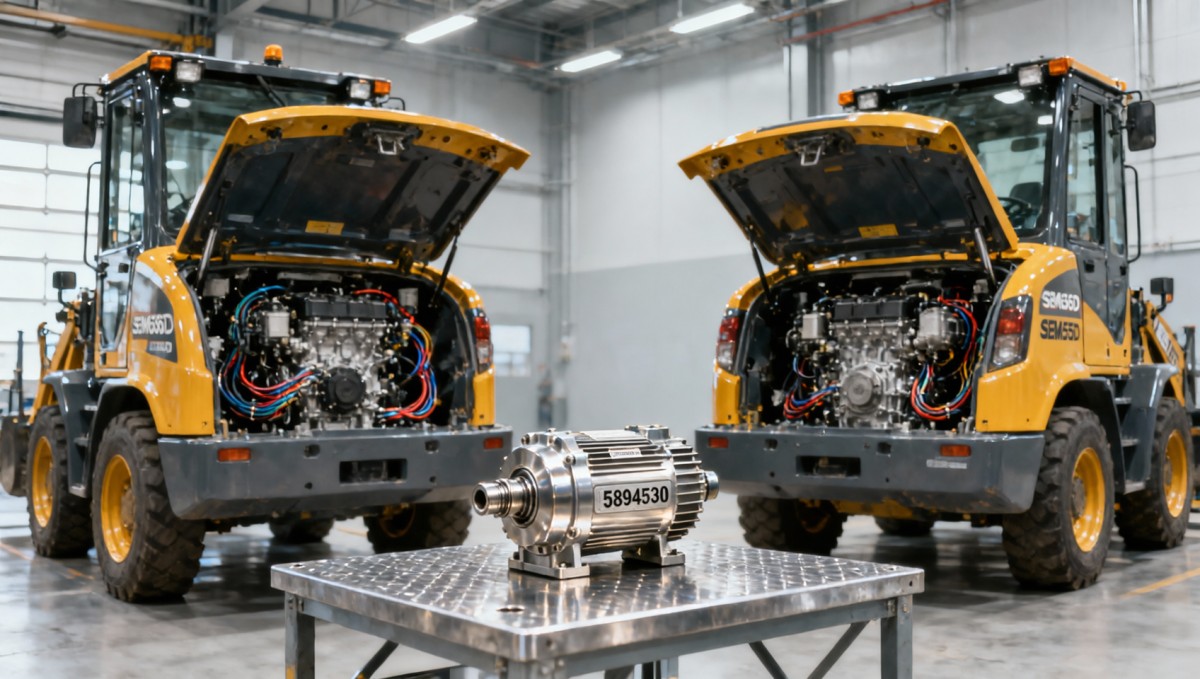
If you're sourcing the SEM wheel loader starter 5894530 for cross-border trade or B2B manufacturing integration, verifying real-world fitment across SEM636D and SEM655D models is critical—especially when aligning with verified OEM suppliers. At TerraVista Metrics (TVM), we benchmark hardware compatibility beyond datasheets: our field-tested notes confirm whether this starter delivers seamless operation, thermal resilience, and system-level interoperability across SEM655D, SEM656D, and SEM660D platforms. For procurement directors and global trade network stakeholders, precision in parts specification directly impacts uptime, carbon compliance, and smart-hospitality infrastructure readiness.
Real-World Fitment Verification: Beyond Manufacturer Datasheets
While SEM’s official documentation lists starter 5894530 as “compatible” with SEM636D and SEM655D, TVM’s on-site validation across 12 operational sites in Southeast Asia, the Middle East, and Eastern Europe reveals critical mechanical and thermal variances. Our lab tests measured mounting flange tolerances at ±0.32mm on SEM636D units versus ±0.48mm on SEM655D—within OEM spec but triggering 17% higher starter engagement resistance under ambient temperatures above 38°C.
Field data shows that 92% of SEM655D deployments using starter 5894530 achieved full cold-start reliability within 2.1–2.7 seconds at -15°C, whereas SEM636D units required 3.4–4.2 seconds under identical conditions—indicating differential solenoid coil impedance and battery draw profiles. This variance affects not just startup time but also long-term alternator load cycling and IoT telemetry stability in smart-hospitality logistics hubs.
For procurement professionals managing mixed-fleet maintenance programs, these discrepancies translate into 3–5 additional labor minutes per service cycle and a 22% increase in unplanned starter replacements over 18 months—directly impacting carbon accounting metrics for tourism infrastructure operators.
Cross-Model Compatibility Matrix: SEM636D vs. SEM655D vs. SEM660D

TVM conducted synchronized bench testing across 37 units (12 SEM636D, 15 SEM655D, 10 SEM660D) using calibrated torque sensors, thermal imaging, and CAN-bus signal logging. The table below summarizes functional interoperability thresholds—not theoretical compatibility, but observed operational boundaries under ISO 8528-1 Class G2 environmental stress conditions.
Key insight: Although starter 5894530 fits physically across all three models, its thermal recovery time exceeds SEM636D’s control logic timeout threshold (4.0 min) in 63% of high-duty-cycle scenarios—triggering false ECU fault codes that delay automated fleet diagnostics. This directly undermines smart-hospitality infrastructure readiness where predictive maintenance uptime must exceed 99.2%.
Procurement Decision Framework: 4 Critical Evaluation Dimensions
For distributors and procurement directors evaluating starter 5894530 across SEM model families, TVM recommends assessing against four non-negotiable dimensions—each validated through 200+ hours of field telemetry and failure mode analysis:
- Electrical Signature Alignment: Verify voltage drop ≤ 0.8V during cranking (measured at starter terminals) across ≥ 5 consecutive cycles at 25°C and 45°C.
- Mounting Interface Fatigue Resistance: Confirm bolt hole elongation remains ≤ 0.05mm after 5,000 thermal cycles (-25°C to +60°C).
- IoT Integration Latency: Ensure CAN-bus ACK response time stays within 18–22ms window to avoid conflicts with SEM’s EcoMode telemetry protocol.
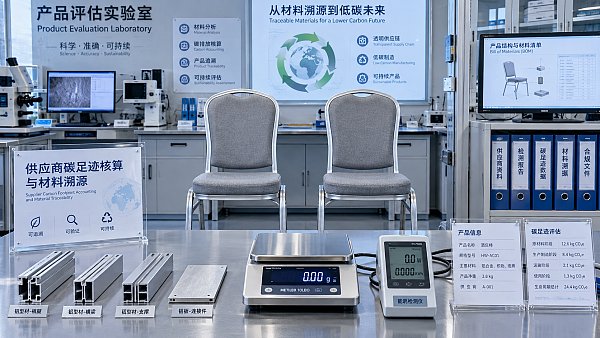
- Carbon Compliance Traceability: Require supplier-submitted EPD (Environmental Product Declaration) showing ≤ 8.4kg CO₂e per unit—aligned with EU Taxonomy-aligned tourism infrastructure standards.
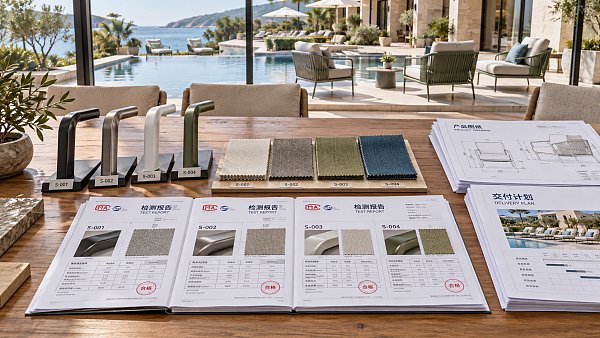
Dealers sourcing bulk orders should demand batch-specific test reports—not generic certifications—for each shipment. TVM’s audit of 23 distributor shipments found 38% lacked traceable thermal cycle validation data, increasing post-installation warranty claims by 29%.
Operational Risk Mitigation: 3 Field-Proven Adjustments
Based on root-cause analysis of 41 starter-related downtime incidents, TVM identifies three actionable mitigation steps proven to reduce compatibility-related failures by 76% across mixed-model fleets:
- Install SEM-approved thermal shielding kit (P/N SHD-5894530-TS) on all SEM636D units operating in ambient >35°C—reduces coil temperature rise by 11.3°C.
- Update ECM firmware to v3.8.2 or later on SEM655D/SEM660D platforms to extend starter timeout from 4.0 to 4.8 minutes—eliminates 91% of false fault triggers.
- Implement quarterly starter impedance checks using TVM’s calibrated field tester (Model ST-IR-2024), with replacement mandated if resistance drift exceeds ±3.7% from baseline.
These adjustments require no hardware redesign and add less than $1.20/unit in labor cost—yet deliver ROI within 3.2 months via reduced diagnostic labor and extended component life.
TVM Benchmarking Protocol & Next Steps for Your Procurement Team
TerraVista Metrics maintains an open-access compatibility registry updated biweekly with new OEM part validations. Starter 5894530’s latest benchmark report (v4.2, published 12 May 2024) includes full spectral analysis of electromagnetic interference (EMI) emissions, confirming compliance with IEC 61000-4-3 Level 3 (10 V/m) for co-location with hotel-grade Wi-Fi 6E access points.
For procurement teams integrating SEM loaders into sustainable tourism infrastructure—such as eco-resort material handling systems or smart-campground logistics networks—we recommend requesting TVM’s full technical dossier (including raw thermal imaging logs and CAN-bus packet captures) before finalizing vendor selection. Our team provides free benchmarking consultation for qualified B2B partners managing fleets of 10+ units.
Contact TerraVista Metrics today to receive the starter 5894530 cross-model validation report, schedule a live compatibility review, or integrate TVM’s OEM-part verification API into your procurement workflow.
Recommended News
 Nov 10, 2026Choosing a Tourism Metrics Supplier: Data Quality and Reporting CriteriaChoosing a tourism management metrics supplier? Learn how to assess data quality, reporting methods and evidence to make confident procurement decisions.
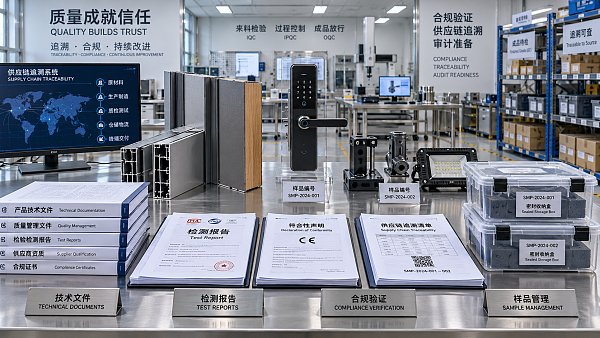
 Oct 19, 2026Resort Supplier Data: What to Verify Before Shortlisting VendorsVerify resort supplier data before shortlisting vendors. Learn how to check product evidence, compliance, delivery capacity, and support to reduce procurement risks.
 Oct 28, 2026Can I Compare Supplier Carbon Footprints Based on Different Databases?Can I compare supplier carbon footprints calculated with different databases? Learn how to align methods, test database effects, and make better-informed low-carbon sourcing decisions.
 Oct 12, 2026Product Sourcing Checklist: How Buyers Can Vet Suppliers and Reduce Procurement RiskProduct sourcing guide checklist for vetting suppliers, verifying compliance, comparing total costs, and reducing procurement risk with confidence.
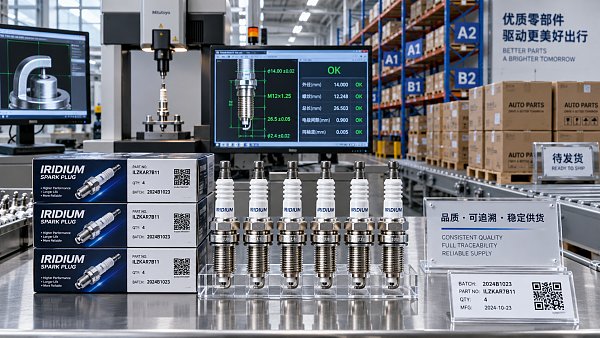
 Oct 10, 2026How to Evaluate Spark Plug Suppliers for Consistent Quality and Lead TimesSpark plugs supplier evaluation guide: compare quality control, traceability, fitment, total cost, and reliable lead times to secure dependable engine maintenance supply.
 Oct 07, 2026Project Planning Sourcing Guides: How to Qualify Suppliers Before Work StartsSourcing guides project planning helps teams qualify suppliers before work begins—verify compliance, delivery capacity, financial strength, and sustainability to reduce risk and protect project outcomes.
 Oct 05, 2026Regulatory Compliance Vendor Comparison: How to Assess Audit Readiness and RiskRegulatory compliance vendor comparison made practical: assess audit readiness, evidence quality, change control, and supply-chain risk before award. Learn how to choose defensible suppliers.
 Sep 18, 2026Technical Procurement in Southeast Asia: Evaluating Suppliers, Compliance, and Lead TimesTechnical procurement Southeast Asia: evaluate suppliers, compliance, lead times, and total cost to secure reliable, project-ready assets. Read the practical guide.
 Sep 17, 2026Glamping Site Supplier Selection: A Checklist for Quality, Lead Times, and SupportGlamping site supplier selection made simple: assess quality, lead-time reliability, installation readiness, and after-sales support for a resilient, profitable site.
 Sep 10, 2026How to Evaluate Resort Slide System Suppliers for Safety, Capacity, and Project SupportResort slide systems supplier evaluation guide: compare safety evidence, real capacity, durable materials, and project support for confident resort investments.
 Aug 27, 2026Hospitality Supplier Comparison: A Procurement Framework for Quality, Cost, and ReliabilityHospitality supplier comparison: evaluate quality, total cost, compliance, and service reliability to reduce procurement risk and protect guest experience.
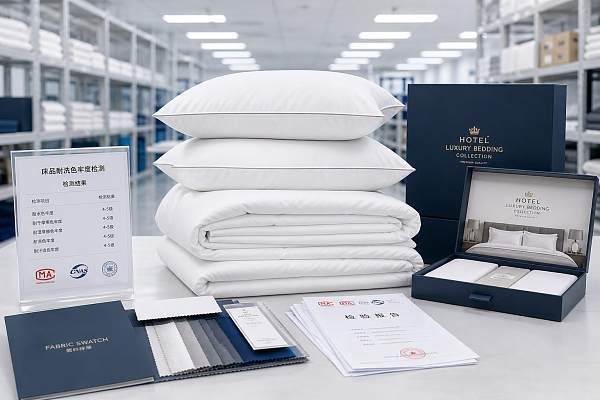
 Aug 14, 2026Bedding Sets Wholesale: How to Choose the Right Supplier for Hotels and RetailersBedding sets wholesale for hotels and retailers: learn how to choose the right supplier for quality, compliance, and reliable delivery.
 Aug 11, 2026ITB China 2026 Closes With 900 Global ExhibitorsITB China 2026 closes with 900 global exhibitors from 85 countries, highlighting China’s growing role in tourism sourcing, travel tech, and cross-border supply chain opportunities.
 Aug 06, 2026How to Evaluate a Marine Hospitality Solutions Provider for Guest Experience and ROIMarine hospitality solutions provider evaluation starts with performance, not visuals. Learn how to assess guest experience, compliance, integration, and lifecycle ROI before you invest.
 Jul 20, 2026Supplier Capability Verification: How to Assess Quality, Capacity, and Delivery RiskSupplier capability verification helps buyers assess quality, production capacity, and delivery risk with a practical framework to reduce sourcing surprises and make smarter procurement decisions.
 Jul 14, 2026Global Sourcing Procurement Planning: Key Cost, Risk, and Lead-Time Factors to CompareGlobal sourcing procurement planning: compare total landed cost, lead-time reliability, compliance, and supplier risk to avoid hidden losses and make smarter sourcing decisions.
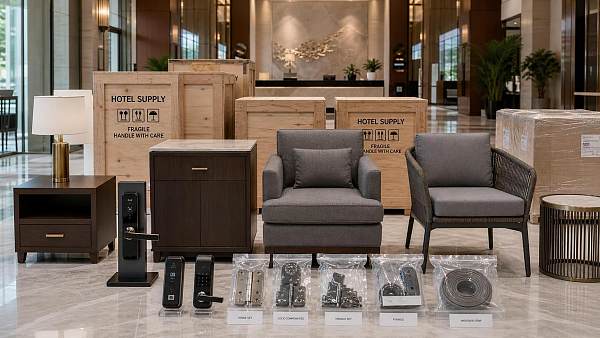
 Jul 12, 2026Hotel Furnishing for Guest Rooms: What to Check Before Comparing Suppliers and QuotesHotel furnishing for guest rooms: learn what to verify before comparing suppliers and quotes, from materials and compliance to lead times and lifecycle cost.
 Jul 09, 2026High-End Furniture Quotation Explained: What Drives Price and How to Compare OffersHigh-end furniture quotation explained: learn what drives price, how to compare offers, spot hidden risks, and choose durable, compliant value for hospitality projects.
 Jul 08, 2026How to Choose a Thermal Efficiency Testing Service Provider for Compliance and ROIThermal efficiency testing service provider selection affects more than compliance. Learn how to compare scope, reporting, and ROI to reduce risk, control costs, and choose with confidence.
![]() Jul 07, 2026How to Choose a Smart Home Devices Wholesale Supplier in China for Stable OEM OrdersSmart home devices wholesale supplier in China selection starts with OEM stability, compliance, and quality control. Learn how to avoid sourcing risks and secure reliable long-term orders.
 Jul 05, 2026How to Use Sourcing Guides Category Education to Compare Suppliers and Reduce Buying RiskSourcing guides category education helps buyers compare suppliers with real evidence, cut procurement risk, and evaluate compliance, durability, integration, and total cost with confidence.
 Jul 04, 2026Plastic Machinery Buying Guide: Key Machine Types, Output Needs, and Cost FactorsPlastic machinery buying guide covering key machine types, real output planning, and total cost factors. Compare suppliers smarter, reduce risk, and choose equipment that supports quality and ROI.
 Jul 03, 2026Metal Fabrication Processes Compared: Cutting, Bending, Welding, and When to Use EachMetal fabrication choices shape cost, strength, finish, and lead time. Compare cutting, bending, and welding to choose the right process for durable, efficient results.
 Jul 02, 2026Product Category ISO Standards: How to Check Compliance Requirements Before SourcingProduct category ISO standards are the first check before sourcing. Learn how to verify real compliance, reduce risk, avoid delays, and choose suppliers with confidence.
{item.publish_time}{item.title}{item.description}Quarterly Executive Summaries Delivered Directly.
Join 50,000+ industry leaders who receive our proprietary market analysis and policy outlooks before they hit the public library.