Search News
TerraVista Metrics (TVM)Industry Portal
TerraVista Metrics (TVM)Hot Articles
TerraVista Metrics (TVM)- Cableway Station Spacing: How Terrain and Capacity Shape the DistanceExplore cableway systems station spacing and learn how terrain, passenger capacity and safety shape practical, route-specific design decisions.
- What Is an Industry Insights Data Model? Key Components and UsesDiscover how an industry insights data model connects market data, improves comparisons, and supports smarter benchmarking and procurement decisions.
- Vingcard Deploys MENA’s First Native Wallet Hotel Keys in EgyptVingcard and Hudini bring native wallet hotel keys to three Egypt resorts. Discover what app-free access could mean for hotel buyers and suppliers.
Popular Tags
TerraVista Metrics (TVM)Industry NewsOutdoor lithium power station factory checks before bulk orders
auth.Time
Nov 16, 2026Click Count
Before placing bulk orders with an outdoor lithium power station factory, buyers need more than brochures—they need measurable proof of safety, battery consistency, and production reliability. For procurement teams comparing tourism infrastructure suppliers, factory checks reduce sourcing risk, clarify compliance, and support smarter decisions across integrated projects, from prefab cabin thermal conductivity benchmark requirements to smart hotel room controller supplier evaluations.
In tourism and hospitality projects, portable and fixed outdoor lithium power stations are no longer niche backup devices. They support glamping cabins, scenic ticketing points, temporary event zones, remote housekeeping stations, emergency lighting, and smart guest services where grid stability is limited or sustainability targets are strict. A bulk order that looks attractive on paper can become costly if the factory cannot prove cell traceability, thermal control discipline, waterproof assembly quality, or stable lead times across 200 to 2,000 units.
For information researchers, procurement managers, commercial evaluators, and distributors, the real question is not simply whether a supplier can manufacture a lithium power station. The practical question is whether the factory can deliver repeatable performance, compliant documentation, and integration readiness for tourism infrastructure with mixed electrical loads, varying climates, and long operating cycles. This article outlines the factory checks that matter before bulk ordering and shows how a metrics-led review reduces commercial and technical uncertainty.
Why factory checks matter for outdoor lithium power station sourcing

An outdoor lithium power station factory check is a pre-order verification process covering production capability, quality systems, battery safety controls, component consistency, and delivery readiness. For tourism developers and hospitality buyers, this step is especially important because deployment conditions are not uniform. A unit used in a shaded glamping site behaves differently from one installed at a coastal kiosk with 85% humidity, airborne salt, and daily charging cycles.
Bulk procurement magnifies small manufacturing weaknesses. If even 3% to 5% of units show abnormal battery imbalance, BMS instability, loose connectors, or poor enclosure sealing, the downstream cost is far higher than the original factory saving. Replacement logistics, on-site troubleshooting, delayed site opening, and distributor complaints can quickly exceed the initial price gap of 8% to 12% between suppliers.
For tourism hardware benchmarking, TVM-style evaluation focuses on measurable engineering indicators instead of showroom presentation. A factory may display attractive samples, but procurement teams should confirm whether the same tolerances, testing routines, and process records are maintained across full production runs. The objective is repeatability, not a one-off demonstration unit.
Factory checks also support better integration planning. Outdoor lithium power stations are often deployed alongside smart room controllers, remote monitoring modules, low-voltage lighting, mini HVAC support devices, or temporary communication equipment. If output waveform quality, charging interface compatibility, or inverter transient response are not validated in advance, the unit may pass a generic test yet underperform in real hospitality infrastructure.
Key risks when buyers skip verification
- Battery cell inconsistency between pilot samples and bulk lots, leading to uneven cycle life after 6 to 12 months.
- Declared protection ratings such as IP54 or IP65 without reliable enclosure and cable-entry validation.
- Insufficient production capacity during peak seasons, causing 2 to 4 week delays on tourism construction schedules.
- Weak documentation control, including missing serial traceability, test logs, or component revision records.
- Limited after-sales structure for cross-border shipments, especially when spare parts and fault codes are not standardized.
The result is not only technical risk but procurement opacity. Without a disciplined factory check, buyers are forced to compare quotations that appear similar while hiding major differences in cells, BMS sourcing, thermal architecture, and end-of-line inspection depth. This is why serious sourcing teams treat the factory audit as part of the commercial evaluation, not as an optional extra.
Core factory checks: battery safety, consistency, and production control
The most important checks begin at the battery level. Buyers should ask the factory to explain cell sourcing, incoming inspection rules, pack matching logic, and BMS protection thresholds. For outdoor use, many projects prioritize lithium iron phosphate chemistry because of thermal stability and long cycle life, but chemistry alone does not guarantee quality. What matters is whether the factory controls voltage difference, internal resistance grouping, and pack assembly discipline within stable limits.
A practical review should follow the production line from cell storage to final packaging. Procurement teams should inspect the ESD control area, torque control process, insulation checks, spot-welding or busbar fastening consistency, and aging test stations. If the factory cannot show clear work instructions or if operators rely mostly on verbal methods, process variability is likely to increase when orders scale from 50 pilot units to 500 or more.
Thermal management deserves special attention. Outdoor lithium power stations often work under ambient temperatures from 0°C to 40°C, and some tourism sites face even wider swings. Buyers should verify air path design, heat dissipation spacing, fan control logic if active cooling is used, and pack temperature cut-off settings. A unit that remains stable in a 25°C showroom may throttle, alarm, or reduce output under sustained 35°C field operation.
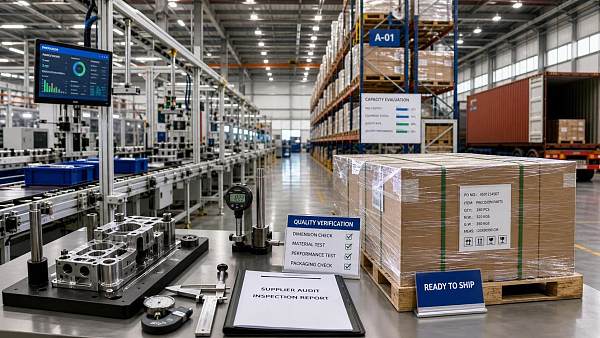
End-of-line testing should never be reduced to a simple power-on check. Good factories usually perform multiple steps: charge and discharge validation, inverter load test, DC output verification, communication inspection, safety alarm review, and cosmetic inspection. A robust routine often takes 20 to 60 minutes per unit depending on capacity class. If a factory claims very high throughput but cannot explain test duration, buyers should question whether full inspection is really happening.
What to verify on site
The table below summarizes the most useful pre-bulk checks for an outdoor lithium power station factory. These checkpoints are relevant across tourism, hospitality, off-grid events, and distributor channels because they connect technical reliability with commercial predictability.
The key takeaway is that a reliable factory can explain each checkpoint with records, operator instructions, and visible process discipline. Buyers do not need confidential formulas, but they do need enough transparency to judge whether the product is engineered for repeatable field performance rather than one-time sample approval.
Minimum documentation to request before deposit
- Product specification sheet covering capacity, rated output, charging profile, operating temperature, and protection functions.
- Process flow or quality control summary showing incoming inspection, in-process checks, and final test points.
- Sample test records from at least 3 units of the same configuration proposed for bulk supply.
- Packing plan and carton drop or transport protection approach for long-distance shipment.
- After-sales response workflow, including parts availability and technical support windows within 24 to 72 hours.
Capacity, compliance, and supply chain checks before committing volume
Even if a factory passes product checks, buyers still need to verify whether it can support the required volume and documentation. For distributors and project buyers, a common mistake is assuming that a capable pilot line can automatically support monthly output of 300, 800, or 1,500 units. In reality, constraints often appear in battery pack assembly, inverter sourcing, plastics or metal housing lead times, and final test station capacity.
The first step is to ask for realistic production rhythm. How many lines are active? How many operators are assigned per line? How many finished units can be tested per shift? If a factory runs one aging area that processes only 80 units every 24 hours, a quotation promising 1,000 units in 10 days deserves close scrutiny. Output claims should be aligned with visible equipment and staffing, not just sales estimates.
Compliance review should also be practical. Buyers should confirm which standards and test files are available for the exact configuration being purchased, not just for a visually similar model. This is especially important where tourism projects involve public use, temporary accommodation, outdoor retail, or event infrastructure. Project stakeholders may request battery transport documentation, electrical safety files, marking consistency, and basic environmental declarations during customs, insurance, or operator approval stages.
Supply chain resilience matters because a lithium power station combines cells, BMS boards, inverters, displays, housings, connectors, and packaging. If one key component has a 4 to 6 week replenishment cycle, the whole project schedule can drift. Buyers should ask which components are dual-sourced, which are single-sourced, and which can trigger engineering changes during long production runs.
Capacity and delivery review matrix
The table below helps procurement teams compare a factory’s stated capability with actual delivery confidence. It is especially useful when screening multiple suppliers for tourism expansion programs or regional distribution partnerships.
A factory does not need to be the largest supplier to be a strong partner. It does need to show operational honesty. A smaller but well-controlled manufacturer with stable 25-day lead times is often a safer choice than an oversized promise backed by thin process control and unclear component planning.
Questions distributors and project buyers should ask
- What is the normal MOQ by capacity range, such as 100 units, 300 units, or mixed-model containers?
- Which parts are stocked for 30 days and which require fresh procurement after deposit?
- How does the factory handle engineering changes after pilot approval but before mass production?
- Can serial numbers be linked to shipment batches, test logs, and after-sales claims?
Application-fit checks for tourism and hospitality projects
A factory can produce a technically sound unit and still be the wrong supplier for a tourism deployment. Outdoor lithium power station selection should be tied to the actual load profile, operating schedule, installation method, and user behavior at the destination. In glamping, buyers may prioritize low noise, overnight autonomy, and compatibility with solar charging. In a scenic retail kiosk, the priority may shift toward short-duration peak output for payment devices, mini refrigeration, displays, and lighting.
This is where cross-system evaluation becomes valuable. TVM’s wider tourism infrastructure lens shows that hardware decisions rarely stand alone. A power station may need to support sensor gateways, guest service devices, camera systems, or small automation modules that interact with smart lodging infrastructure. Buyers should therefore review AC output quality, USB and DC port stability, charging turnaround time, cable management, and service accessibility rather than looking only at battery capacity in watt-hours.
For outdoor hospitality use, environmental resilience is also a commercial issue. If the power station is placed in semi-public zones, enclosure robustness, handle strength, wheel design if applicable, display readability, and connector durability influence operating life. A unit that survives the lab but fails after repeated movement across gravel paths, damp decks, or temporary event setups creates maintenance overhead that many site teams underestimate.
Buyers should request a sample validation plan tied to the intended scenario. A 7 to 14 day on-site pilot is often more valuable than a short showroom demonstration. During the pilot, teams can record charge time, noise level acceptance, usable runtime under realistic loads, and thermal behavior during the hottest operating window of the day.
Typical tourism use cases and recommended checks
The following comparison helps buyers match factory claims with the realities of destination infrastructure and hospitality operations.
The main lesson is simple: a factory check should not end with general quality review. It should confirm fit for the tourism scenario, because the wrong specification can create underperformance even when manufacturing quality is acceptable. Matching the product to site behavior is just as important as matching it to technical standards.
A practical audit workflow before bulk orders
For most B2B buyers, the most effective approach is a staged audit rather than a single yes-or-no inspection. This reduces sourcing risk without slowing procurement unnecessarily. A structured workflow usually fits into 3 phases and can be completed in roughly 2 to 5 weeks depending on sample readiness, site visit timing, and document response speed.
Phase 1 is desktop verification. At this stage, buyers review product specifications, drawings, available test files, production overview, and bill-of-material transparency at a reasonable level. The goal is to eliminate suppliers whose documentation is inconsistent before spending time on travel or third-party inspection. This can often be done in 3 to 5 working days.
Phase 2 is sample and factory review. Buyers inspect the line or appoint a qualified inspection partner to verify cell handling, assembly discipline, test coverage, storage conditions, and packing methods. If the project involves integration with tourism hardware, the sample should be tested against representative loads such as routers, POS terminals, lighting circuits, compact refrigeration, or room control devices.
Phase 3 is pre-shipment control. Even when the supplier has passed earlier checks, buyers should still define batch acceptance criteria before final payment. For example, they may require random inspection by lot, labeling validation, carton inspection, accessory count verification, and basic functional testing on sampled units. This is especially important when the first bulk order exceeds 200 units or when private labeling is involved.
Suggested 5-step decision process
- Clarify site application and load profile, including runtime target, peak load, charging method, and climate conditions.
- Screen 3 to 5 factories using documentation, component transparency, and delivery logic.
- Validate 1 to 2 samples under scenario-based testing for at least several operating cycles.
- Conduct an on-site or third-party factory check focused on battery process, testing, and supply chain control.
- Approve bulk order only after batch acceptance terms, spare parts support, and lead time windows are written into the purchase agreement.
Common procurement mistakes
- Choosing only by rated capacity while ignoring usable output stability and charge management.
- Approving a sample without confirming whether bulk components come from the same source and revision level.
- Skipping packaging review for export logistics, which can increase transit damage on heavy battery equipment.
- Assuming after-sales support exists globally when the supplier has no documented response process.
For distributors, this workflow also improves channel credibility. When you can show that products were vetted through line review, test record checks, and batch control logic, sales conversations become more evidence-based. That matters in markets where buyers increasingly compare measurable durability and integration readiness instead of accepting generic marketing claims.
FAQ for buyers evaluating an outdoor lithium power station factory
How many samples should be tested before a bulk order?
For standard models, at least 1 to 3 samples are useful for basic validation. If the project includes private labeling, custom output configuration, or demanding outdoor deployment, testing 3 units from the same proposed configuration is safer. This helps reveal assembly variation, charging behavior differences, and accessory consistency that a single sample may hide.
What lead time range is reasonable for bulk orders?
A reasonable lead time depends on capacity, customization, and component availability. For many standard orders, 20 to 35 days is common after deposit and artwork confirmation. More complex orders or peak-season schedules may extend to 40 to 60 days. Buyers should ask how much of that timeline is tied to battery packs, housings, testing, and packaging rather than accepting one total number.
Which technical indicators matter most for tourism applications?
The priority indicators usually include usable capacity, continuous and peak output, operating temperature range, recharge time, output compatibility, enclosure protection, and serviceability. For hospitality use, noise behavior, display readability, and reliability over repeated cycles can be just as important as nameplate capacity. Buyers should connect the specification directly to the site load and operating routine.
Can a third-party inspection replace a site visit?
In many cases, yes. A competent third-party inspection can verify production process, quality control points, packing readiness, and random sample function checks. However, for strategic sourcing, a direct visit still offers value because it reveals management discipline, engineering responsiveness, and real integration capability. The best approach is often a combination of document review, sample testing, and one targeted factory inspection.
Outdoor lithium power station sourcing becomes much safer when buyers move from brochure-based comparison to factory-based verification. The most reliable bulk decisions come from checking cell consistency, BMS protection logic, thermal management, end-of-line testing, delivery capacity, and application fit for real tourism infrastructure. For hospitality developers, procurement teams, and distributors, these checks reduce hidden costs, protect project timelines, and improve confidence in long-term field performance.
TerraVista Metrics supports evidence-led evaluation across tourism hardware categories by translating manufacturing claims into usable engineering benchmarks. If you are comparing outdoor lithium power station suppliers for glamping, smart hospitality, scenic operations, or integrated destination projects, contact us to get a tailored assessment framework, request deeper supplier screening criteria, or explore broader infrastructure benchmarking solutions.
Recommended News
 Nov 10, 2026Choosing a Tourism Metrics Supplier: Data Quality and Reporting CriteriaChoosing a tourism management metrics supplier? Learn how to assess data quality, reporting methods and evidence to make confident procurement decisions.
 Oct 19, 2026Resort Supplier Data: What to Verify Before Shortlisting VendorsVerify resort supplier data before shortlisting vendors. Learn how to check product evidence, compliance, delivery capacity, and support to reduce procurement risks.
 Oct 28, 2026Can I Compare Supplier Carbon Footprints Based on Different Databases?Can I compare supplier carbon footprints calculated with different databases? Learn how to align methods, test database effects, and make better-informed low-carbon sourcing decisions.
 Oct 12, 2026Product Sourcing Checklist: How Buyers Can Vet Suppliers and Reduce Procurement RiskProduct sourcing guide checklist for vetting suppliers, verifying compliance, comparing total costs, and reducing procurement risk with confidence.
 Oct 10, 2026How to Evaluate Spark Plug Suppliers for Consistent Quality and Lead TimesSpark plugs supplier evaluation guide: compare quality control, traceability, fitment, total cost, and reliable lead times to secure dependable engine maintenance supply.
 Oct 07, 2026Project Planning Sourcing Guides: How to Qualify Suppliers Before Work StartsSourcing guides project planning helps teams qualify suppliers before work begins—verify compliance, delivery capacity, financial strength, and sustainability to reduce risk and protect project outcomes.
 Oct 05, 2026Regulatory Compliance Vendor Comparison: How to Assess Audit Readiness and RiskRegulatory compliance vendor comparison made practical: assess audit readiness, evidence quality, change control, and supply-chain risk before award. Learn how to choose defensible suppliers.
 Sep 18, 2026Technical Procurement in Southeast Asia: Evaluating Suppliers, Compliance, and Lead TimesTechnical procurement Southeast Asia: evaluate suppliers, compliance, lead times, and total cost to secure reliable, project-ready assets. Read the practical guide.
 Sep 17, 2026Glamping Site Supplier Selection: A Checklist for Quality, Lead Times, and SupportGlamping site supplier selection made simple: assess quality, lead-time reliability, installation readiness, and after-sales support for a resilient, profitable site.
 Sep 10, 2026How to Evaluate Resort Slide System Suppliers for Safety, Capacity, and Project SupportResort slide systems supplier evaluation guide: compare safety evidence, real capacity, durable materials, and project support for confident resort investments.
 Aug 27, 2026Hospitality Supplier Comparison: A Procurement Framework for Quality, Cost, and ReliabilityHospitality supplier comparison: evaluate quality, total cost, compliance, and service reliability to reduce procurement risk and protect guest experience.
 Aug 14, 2026Bedding Sets Wholesale: How to Choose the Right Supplier for Hotels and RetailersBedding sets wholesale for hotels and retailers: learn how to choose the right supplier for quality, compliance, and reliable delivery.
 Aug 11, 2026ITB China 2026 Closes With 900 Global ExhibitorsITB China 2026 closes with 900 global exhibitors from 85 countries, highlighting China’s growing role in tourism sourcing, travel tech, and cross-border supply chain opportunities.
 Aug 06, 2026How to Evaluate a Marine Hospitality Solutions Provider for Guest Experience and ROIMarine hospitality solutions provider evaluation starts with performance, not visuals. Learn how to assess guest experience, compliance, integration, and lifecycle ROI before you invest.
 Jul 20, 2026Supplier Capability Verification: How to Assess Quality, Capacity, and Delivery RiskSupplier capability verification helps buyers assess quality, production capacity, and delivery risk with a practical framework to reduce sourcing surprises and make smarter procurement decisions.
 Jul 14, 2026Global Sourcing Procurement Planning: Key Cost, Risk, and Lead-Time Factors to CompareGlobal sourcing procurement planning: compare total landed cost, lead-time reliability, compliance, and supplier risk to avoid hidden losses and make smarter sourcing decisions.
 Jul 12, 2026Hotel Furnishing for Guest Rooms: What to Check Before Comparing Suppliers and QuotesHotel furnishing for guest rooms: learn what to verify before comparing suppliers and quotes, from materials and compliance to lead times and lifecycle cost.
 Jul 09, 2026High-End Furniture Quotation Explained: What Drives Price and How to Compare OffersHigh-end furniture quotation explained: learn what drives price, how to compare offers, spot hidden risks, and choose durable, compliant value for hospitality projects.
 Jul 08, 2026How to Choose a Thermal Efficiency Testing Service Provider for Compliance and ROIThermal efficiency testing service provider selection affects more than compliance. Learn how to compare scope, reporting, and ROI to reduce risk, control costs, and choose with confidence.
![]() Jul 07, 2026How to Choose a Smart Home Devices Wholesale Supplier in China for Stable OEM OrdersSmart home devices wholesale supplier in China selection starts with OEM stability, compliance, and quality control. Learn how to avoid sourcing risks and secure reliable long-term orders.
 Jul 05, 2026How to Use Sourcing Guides Category Education to Compare Suppliers and Reduce Buying RiskSourcing guides category education helps buyers compare suppliers with real evidence, cut procurement risk, and evaluate compliance, durability, integration, and total cost with confidence.
 Jul 04, 2026Plastic Machinery Buying Guide: Key Machine Types, Output Needs, and Cost FactorsPlastic machinery buying guide covering key machine types, real output planning, and total cost factors. Compare suppliers smarter, reduce risk, and choose equipment that supports quality and ROI.
 Jul 03, 2026Metal Fabrication Processes Compared: Cutting, Bending, Welding, and When to Use EachMetal fabrication choices shape cost, strength, finish, and lead time. Compare cutting, bending, and welding to choose the right process for durable, efficient results.
 Jul 02, 2026Product Category ISO Standards: How to Check Compliance Requirements Before SourcingProduct category ISO standards are the first check before sourcing. Learn how to verify real compliance, reduce risk, avoid delays, and choose suppliers with confidence.
{item.publish_time}{item.title}{item.description}Quarterly Executive Summaries Delivered Directly.
Join 50,000+ industry leaders who receive our proprietary market analysis and policy outlooks before they hit the public library.