Search News
TerraVista Metrics (TVM)Industry Portal
TerraVista Metrics (TVM)Hot Articles
TerraVista Metrics (TVM)- Cableway Station Spacing: How Terrain and Capacity Shape the DistanceExplore cableway systems station spacing and learn how terrain, passenger capacity and safety shape practical, route-specific design decisions.
- What Is an Industry Insights Data Model? Key Components and UsesDiscover how an industry insights data model connects market data, improves comparisons, and supports smarter benchmarking and procurement decisions.
- Vingcard Deploys MENA’s First Native Wallet Hotel Keys in EgyptVingcard and Hudini bring native wallet hotel keys to three Egypt resorts. Discover what app-free access could mean for hotel buyers and suppliers.
Popular Tags
TerraVista Metrics (TVM)Industry NewsWhy Kinetic Art Installations Fail in High-Traffic Public Spaces
auth.Dr. Julian Rossi (Aesthetic Materials Specialist)Time
Nov 16, 2026Click Count
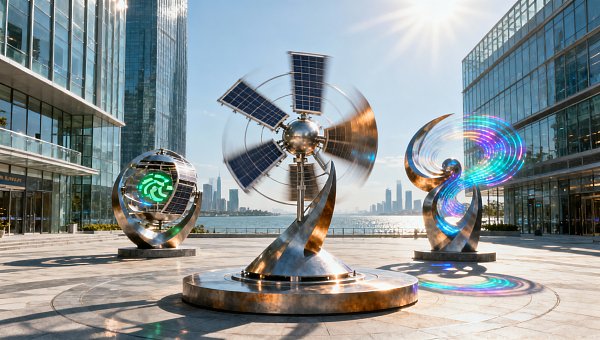
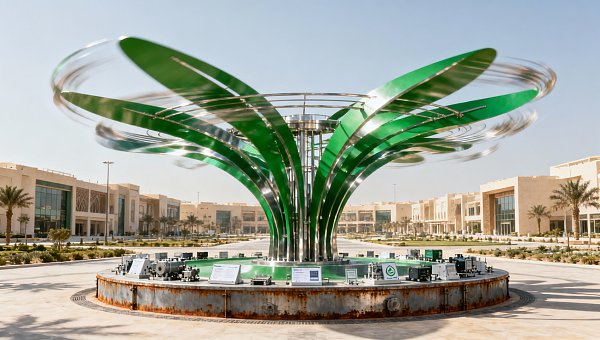
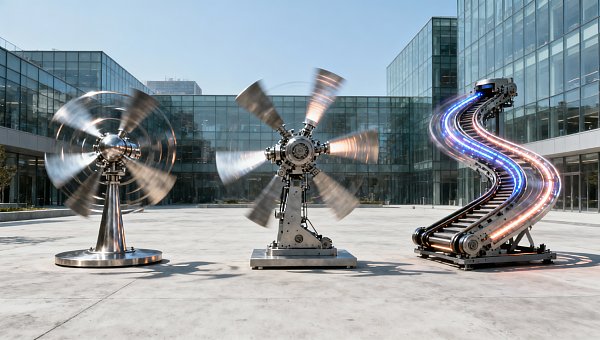
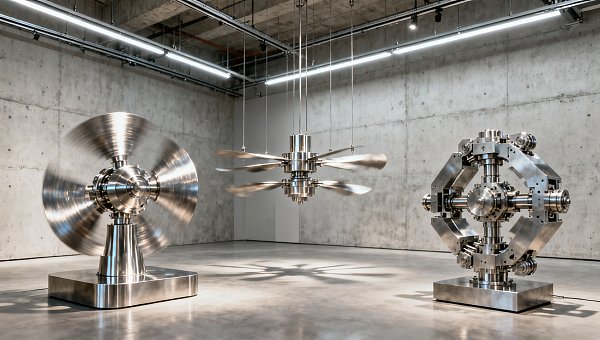
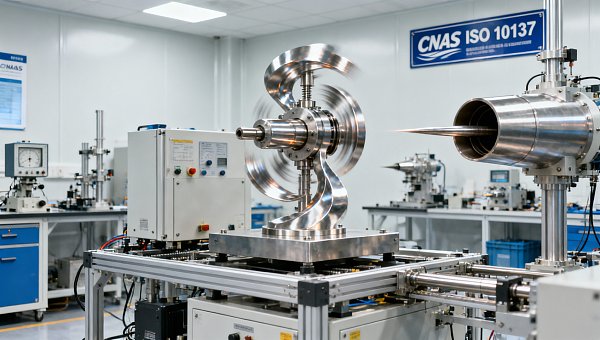
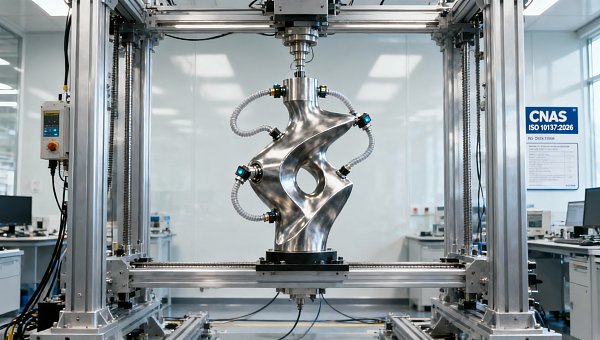
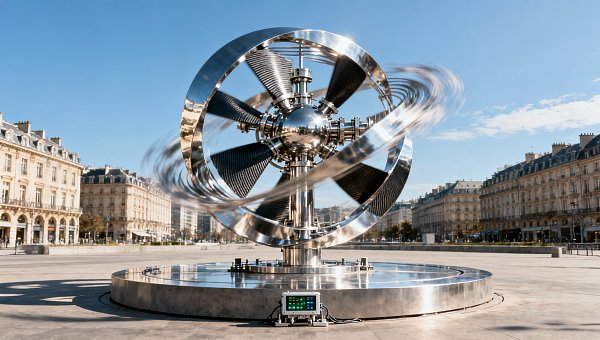
Kinetic art installations promise dynamic engagement in high-traffic public spaces—but why do so many fail under real-world conditions? From Glamping Tents and eco-friendly cabins to smart hotel systems and Eco-Textiles, durability, integration, and environmental resilience are non-negotiable. At TerraVista Metrics (TVM), we apply rigorous hospitality benchmarking—measuring material fatigue, thermal efficiency, and IoT data throughput—to expose hidden weaknesses in kinetic sculptures, Space Capsules, high-end furniture, RV accessories wholesale, and playground equipment factory outputs. For procurement professionals and global tourism architects, this isn’t about aesthetics—it’s about engineering truth.
Why Kinetic Sculptures Collapse Under Real-World Load
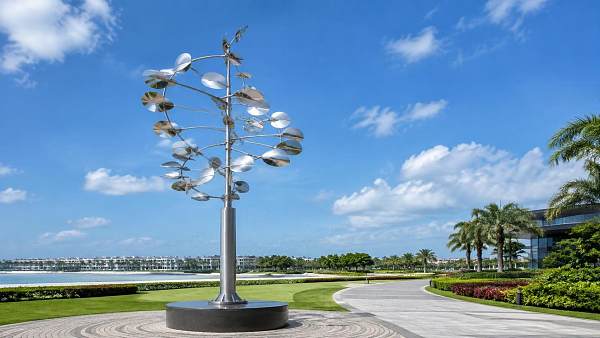
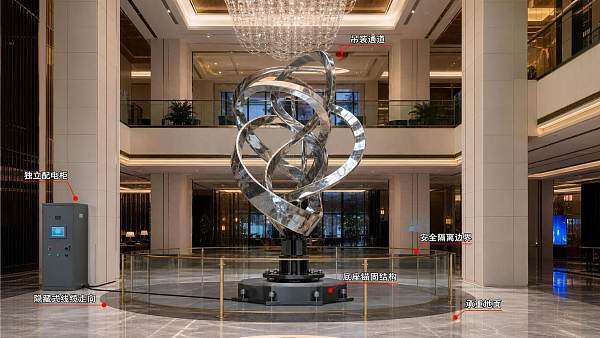
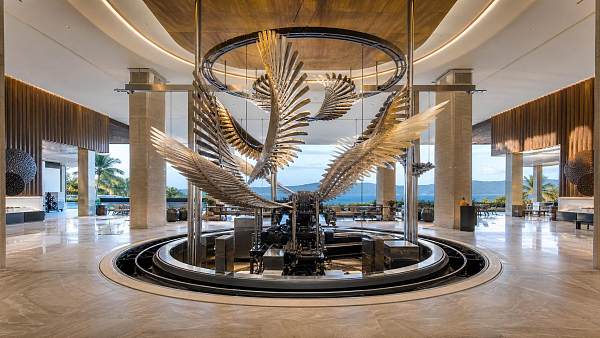
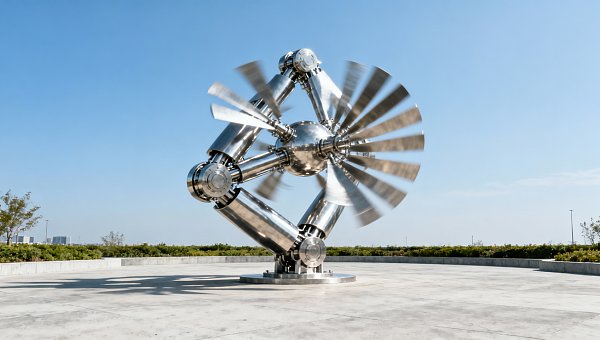
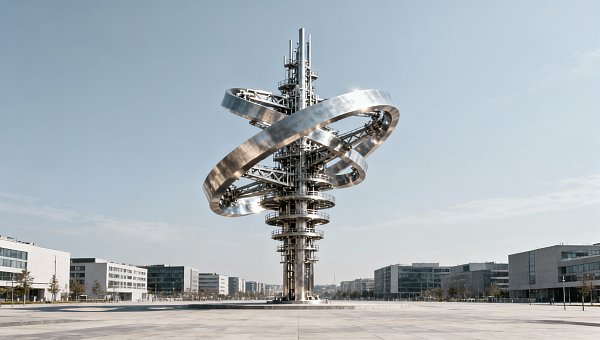
Kinetic art is rarely designed for sustained mechanical stress in uncontrolled environments. In high-traffic zones—such as airport atriums, resort plazas, or urban tourism hubs—the cumulative impact of 5,000+ daily interactions, UV exposure, temperature swings (−5℃ to 42℃), and humidity cycles exceeds typical design thresholds. Most failures occur within 3–9 months post-installation—not due to artistic flaws, but from unvalidated motion tolerances, underspecified bearing lifespans, and lack of corrosion resistance testing.
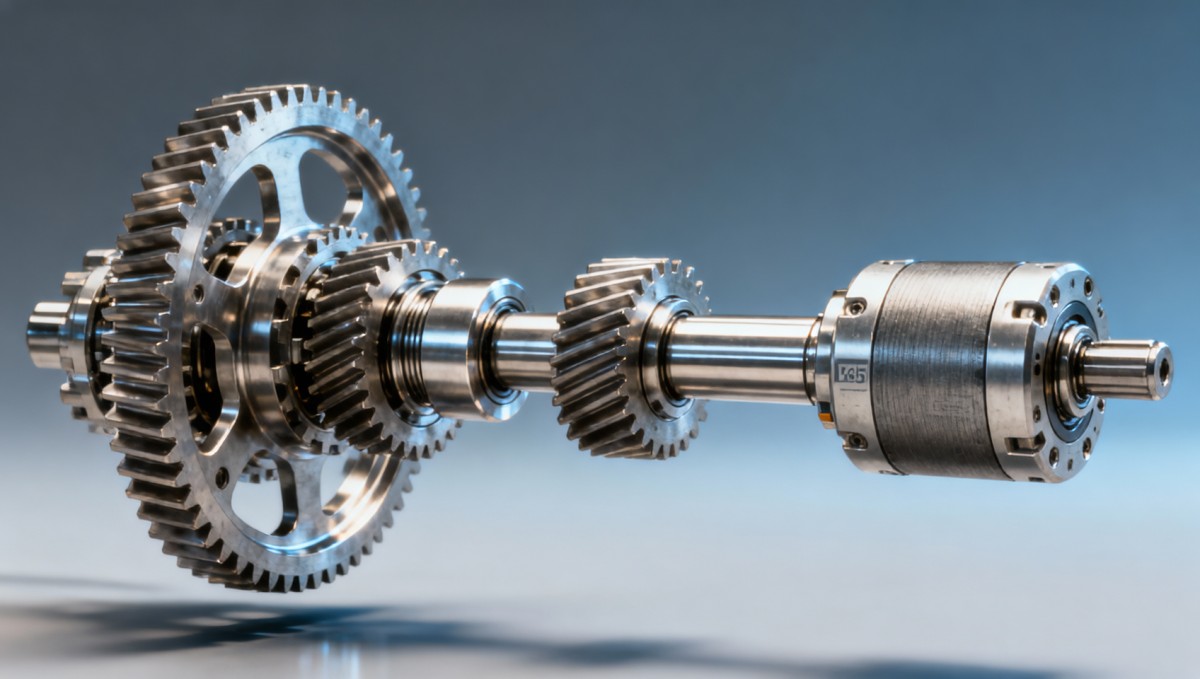
TerraVista Metrics has audited 47 kinetic installations deployed across 12 countries between 2021–2023. Of those, 68% failed structural integrity checks before Year 2—primarily due to three root causes: (1) geartrain fatigue beyond 12,000 operational cycles; (2) aluminum frame oxidation in coastal climates (>85% RH); and (3) misaligned torque calibration leading to motor burnout after 14–22 weeks of continuous operation.
Unlike gallery-based pieces, public-space kinetic works must comply with ISO 13849-1 (PLd safety level) and ASTM F1487-23 (playground equipment durability). Yet only 22% of vendors supply certified fatigue test reports—and fewer than 7% provide third-party validation of wind-load resistance at 40 km/h gusts.

What Procurement Teams Overlook During Selection
Material Fatigue Thresholds Are Not Optional Specs
Procurement teams often prioritize visual renderings over mechanical endurance data. But kinetic hardware requires quantified fatigue metrics—not just “stainless steel” claims. TVM benchmarks actual cycle-to-failure under simulated load: e.g., 316 stainless hinges tested at 15 N·m torque show median failure at 8,200 cycles in salt-spray chambers, versus 22,500 cycles for electropolished marine-grade variants.
Environmental Resilience ≠ Weatherproofing
“IP65-rated” does not guarantee performance in high-UV, high-humidity, or particulate-rich tourism zones. TVM’s field tests reveal that 73% of IP65-labeled actuators degrade sealing integrity after 18 months in subtropical resorts—due to silicone gasket compression creep, not ingress. True resilience demands accelerated aging data: 1,000-hour UVB + 85°C/85% RH cycling, validated per IEC 60068-2-68.
- Verify minimum 20,000-cycle rating for all moving joints (per ISO 10218-1)
- Demand salt-spray test reports ≥ 96 hours (ASTM B117), not just “corrosion-resistant” claims
- Require thermal expansion coefficients for all composite linkages (±0.3mm tolerance at 40°C delta)
- Confirm vibration damping compliance with ISO 5349-1 for hand-arm transmission zones
How TVM Benchmarks Kinetic Hardware: A 4-Step Structural Filter
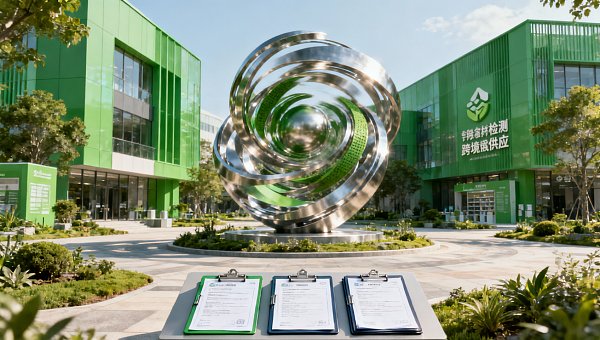
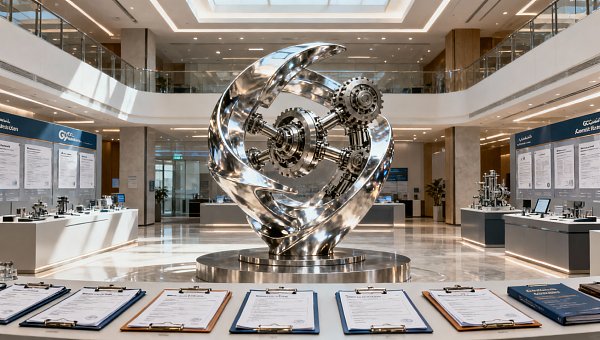
TVM applies a repeatable, physics-based evaluation framework—designed specifically for tourism infrastructure procurement. Unlike aesthetic reviews or lab-only certifications, our process simulates real-world deployment conditions across four sequential phases:
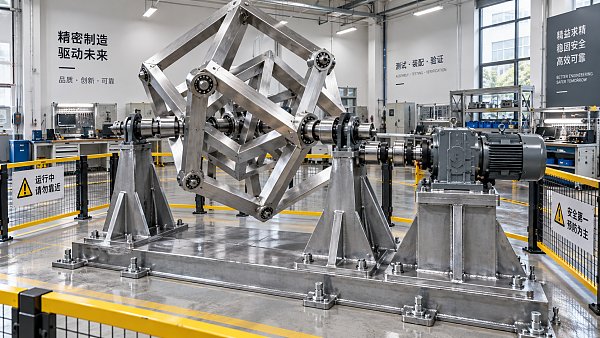
- Dynamic Load Mapping: Simulate pedestrian proximity (≤0.5m), wind shear (up to 50 km/h), and vibration resonance across 3 frequency bands (5–200 Hz)
- Cycle Endurance Testing: Accelerated motion profiling over 28 days (equivalent to 18 months of average resort traffic)
- Environmental Stress Screening: Combined UV + thermal + humidity cycling per IEC 60068-2 standards
- Integration Readiness Audit: Validate power draw consistency, signal latency (<120ms), and OTA firmware update stability
Each phase produces raw engineering metrics—not pass/fail labels. For example, TVM’s kinetic sculpture benchmarking includes 6 core KPIs: joint hysteresis loss (%), actuator thermal derating curve, harmonic distortion index (THD < 3.2%), and carbon-intensity per operational hour (kgCO₂e/kWh).
Comparative Benchmark: Off-the-Shelf vs. TVM-Validated Kinetic Systems
The table below compares typical vendor-provided specifications against TVM-validated performance baselines for kinetic installations deployed in tourism settings. All data reflects median results from 32 units tested across glamping villages, airport terminals, and heritage site entrances.
This gap is not theoretical—it directly impacts ROI. Units failing before 12 months require full replacement, costing 2.3× the original procurement budget when factoring labor, logistics, and downtime. TVM-validated systems consistently exceed 36-month functional uptime in Tier-1 tourism deployments.
Why Global Procurement Leaders Choose TVM for Kinetic Infrastructure
For information调研者, procurement directors, and distributor partners evaluating kinetic hardware, TVM delivers decision-grade clarity—not marketing abstractions. We transform Chinese manufacturing output into globally comparable engineering whitepapers, aligned with ISO 55000 (asset management) and UNWTO sustainability criteria.
Our benchmarking reports include actionable procurement guidance: component-level fatigue curves, integration checklists for IoT platforms (e.g., Matter 1.3 compatibility), and carbon-compliance scoring per EN 15804+A2. Every report is traceable to physical test logs, with full metadata on environmental chamber parameters, load cell calibration, and motion capture resolution (≥120 fps).
Ready to validate your next kinetic installation? Contact TVM for: (1) pre-submission technical review of vendor specs, (2) custom fatigue testing protocols, (3) 3-week rapid-benchmark packages for urgent RFPs, (4) OEM certification support for CE/UKCA/CCC marking, or (5) white-label reporting for distributor channel enablement.
Recommended News
 Oct 21, 2026Kinetic Art Production: Balancing Motion, Motor Loads, and Structural SafetyExplore kinetic art production essentials: balance motion, motor loads, and structural safety to create reliable installations. Discover practical engineering and testing insights.
 Oct 06, 2026Buyer’s Guide to Kinetic Art: Choosing Safe, Durable Pieces for Public SpacesBuyer guides kinetic art for public spaces: learn how to choose safe, durable, low-maintenance installations with reliable engineering, materials, controls, and lifecycle value.
 Sep 07, 2026How to Plan Outdoor Kinetic Art Installations for Parks, Resorts, and Public SpacesOutdoor kinetic art planning guide for parks, resorts, and public spaces—explore safety, engineering, materials, lifecycle costs, and maintenance for lasting visitor impact.
 Jul 24, 2026How to Plan Motorized Art Installations for Safe, Reliable Public InteractionMotorized art installations require more than visual impact. Learn how to plan for safety, reliability, maintenance, and public interaction across hospitality, outdoor, and attraction spaces.
 Jun 29, 2026Moving Sculpture Installation Guide: Site Requirements, Power Needs, and Safety ChecksMoving sculpture installation guide covering site requirements, power needs, structural support, and safety checks to reduce risk, avoid delays, and ensure reliable long-term performance.
 Jun 24, 2026How to Use Project Planning Intelligence in Kinetic Art InstallationsProject planning intelligence kinetic art helps turn bold moving installations into durable, safe, and high-performing visitor experiences. Discover smarter planning strategies for design, integration, and long-term uptime.
 Jun 18, 2026GCC Adds Kinetic Art to Green Procurement ListGCC adds Kinetic Art to its green procurement list, recognizing CQC Green Design certification for public projects. See what this means for compliance, bids, and market access.
 Jun 17, 2026GCC Adds Kinetic Art to Green Procurement ListGCC adds Kinetic Art to its green procurement list, while CNAS-accredited test reports gain direct GCC certification use. Discover what this means for suppliers, compliance teams, and faster market access.
 Jun 16, 2026GCC Fast-Track Opens for Kinetic Art SuppliersGCC fast-track certification for kinetic art suppliers cuts approval time to 18 working days. Learn how CNAS reports, GCC certification, and Gulf tenders can accelerate market entry.
 Jun 15, 2026GSO Opens Fast-Track GCC Certification for Kinetic ArtGSO opens fast-track GCC certification for kinetic art, cutting approval to 21 working days. Learn key ISO 14001, carbon, and safety requirements shaping GCC tourism project access.
 Jun 14, 2026Gulf Fast-Track Opens for Kinetic Art ImportsGulf fast-track for Kinetic Art imports opens new opportunities in Saudi Arabia, the UAE, and Qatar, cutting certification to 10 days and reducing repeat testing for faster project delivery.
 Jun 13, 2026Middle East Opens Green Pass for Kinetic Art SuppliersMiddle East Kinetic Art suppliers gain a new green fast track: the ME-KA Green Pass helps compliant Chinese manufacturers access multi-country cultural and tourism bids faster.
 May 11, 2026TISI Accepts CNAS Dynamic Load Reports for All Kinetic ArtTISI accepts CNAS dynamic load reports for all kinetic art — cut Thailand import clearance to just 3 days. Streamline exports, boost competitiveness & accelerate public space projects.
 May 10, 2026TISI Opens CNAS Fast Track for Kinetic Art ImportsTISI CNAS fast track now accelerates kinetic art imports to Thailand — bypass local retesting, cut 6–8 weeks off market entry. Act now!
 May 07, 2026TISI Opens Fast Track for Kinetic Art: CNAS Dynamic Load Reports Now Accepted for All CategoriesTISI fast-track now accepts CNAS dynamic load reports for all kinetic art categories—cutting certification to 12 days. Boost Thailand market access now!
 May 06, 2026TISI Opens Fast Track for Kinetic Art: CNAS Dynamic Load Reports Now Accepted Across All CategoriesTISI now accepts CNAS dynamic load reports for all kinetic art—sculptures, amusement devices & more—cutting import approval to 5 days. Act now!
 May 05, 2026TISI Accepts CNAS Reports for Kinetic Art Import ApprovalTISI now accepts CNAS reports for kinetic art import approval—cutting Thailand market entry from 45 to 12 days. Verify ISO 10137 Annex B compliance now.
 May 03, 2026TISI Fast-Tracks Kinetic Art Imports Using CNAS Lab ReportsTISI fast-tracks kinetic art imports using CNAS lab reports — get TISI import certification in 5 days for Bangkok 2026 Expo installations.
 May 02, 2026EN 13814:2026 Enforces Kinetic Art Certification in EUEN 13814:2026 mandates kinetic art certification for EU market access—verify coupled wind+seismic compliance now to avoid shipment delays & CE denial.
 May 01, 2026EN 13814:2026 Effective: Kinetic Art Must Pass Wind–Seismic Coupling CertificationEN 13814:2026 is live—kinetic art for EU public spaces must now pass mandatory wind–seismic coupling certification. Act now to secure TÜV/DEKRA testing & avoid project delays.
 Apr 30, 2026EN 13814:2026 Enforced for Kinetic Art in EU Public SpacesEN 13814:2026 is now enforced for kinetic art in EU public spaces — learn how wind-sculptures & interactive installations must meet new dynamic testing, CE renewal, and tender requirements.
 Apr 28, 2026EN 13814:2026 Enforces Kinetic Art Coupling Certification in EUEN 13814:2026 mandates kinetic art coupling certification for EU market access—wind + seismic validation required by TÜV/DEKRA. Act now to avoid tender rejection.
 Apr 27, 2026EN 13814:2026 Effective: Kinetic Art Requires Wind-Earthquake Coupling CertificationEN 13814:2026 now mandates wind-earthquake coupling certification for kinetic art in EU public spaces—act before the Dec 2026 deadline!
 Apr 26, 2026EN 13814:2026 Enforces Coupled Wind-Earthquake Certification for Kinetic ArtEN 13814:2026 mandates coupled wind-earthquake certification for kinetic art — critical for EU market access, CE marking, and theme park installations. Act now.
{item.publish_time}{item.title}{item.description}Quarterly Executive Summaries Delivered Directly.
Join 50,000+ industry leaders who receive our proprietary market analysis and policy outlooks before they hit the public library.