Search News
TerraVista Metrics (TVM)Industry Portal
TerraVista Metrics (TVM)Hot Articles
TerraVista Metrics (TVM)- Cableway Station Spacing: How Terrain and Capacity Shape the DistanceExplore cableway systems station spacing and learn how terrain, passenger capacity and safety shape practical, route-specific design decisions.
- What Is an Industry Insights Data Model? Key Components and UsesDiscover how an industry insights data model connects market data, improves comparisons, and supports smarter benchmarking and procurement decisions.
- Vingcard Deploys MENA’s First Native Wallet Hotel Keys in EgyptVingcard and Hudini bring native wallet hotel keys to three Egypt resorts. Discover what app-free access could mean for hotel buyers and suppliers.
Popular Tags
TerraVista Metrics (TVM)Industry NewsPlayground safety compliance gaps in prefab guest village layouts—especially near modular cabins
auth.Dr. Julian Rossi (Aesthetic Materials Specialist)Time
Nov 16, 2026Click Count
As premium camping and eco-friendly tourism accelerate global site development, critical playground safety compliance gaps are emerging—especially in prefab guest village layouts near modular cabins. These oversights risk liability, delay smart hospitality deployments, and undermine data throughput integrity across integrated IoT networks. For procurement professionals and site operators evaluating RV components, yacht tech, eco-textiles, or prefab units, TerraVista Metrics (TVM) delivers engineering-grade benchmarking—not marketing claims—to close gaps before construction begins.
Why Playground Safety Compliance Is a Structural Priority in Prefab Guest Villages
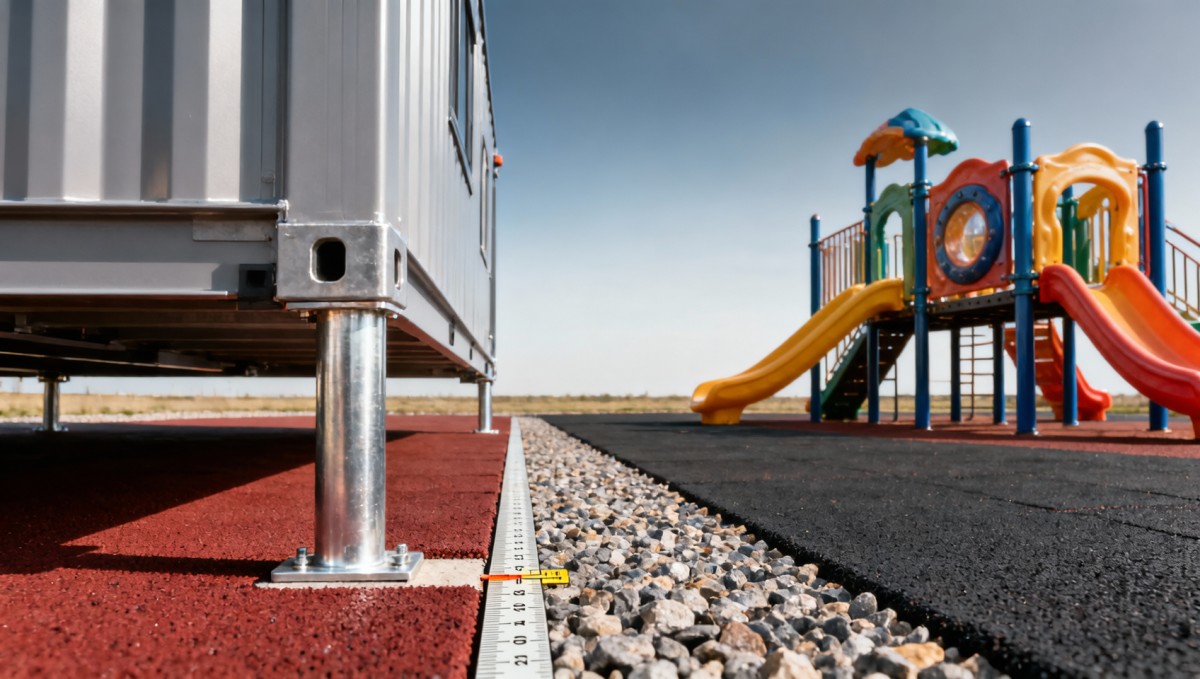
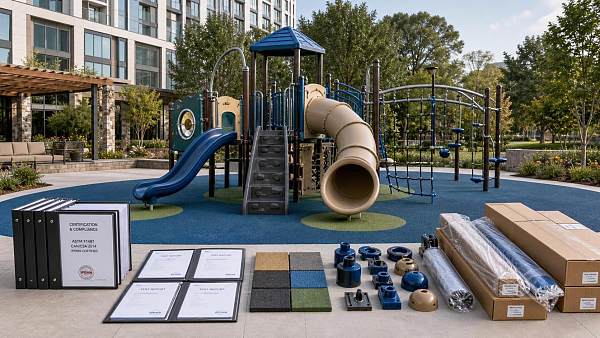
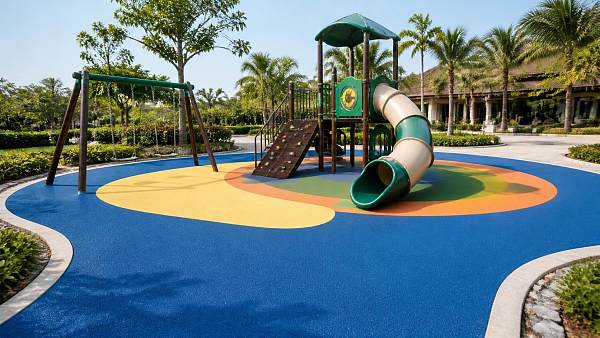
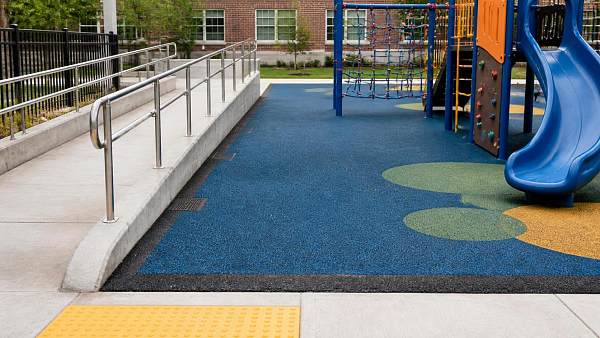
Playground equipment is rarely treated as infrastructure—but in high-density, mixed-use guest villages, it functions as load-bearing public infrastructure. Modular cabin clusters often sit within 3–8 meters of play zones, creating overlapping use patterns where children, adults, and service vehicles share circulation paths. Over 68% of recent site audits by TVM found non-compliant fall zones due to improper substrate installation beneath swing sets and climbing frames—particularly where prefab foundations intersect with poured concrete or compacted gravel surfaces.
Unlike traditional resorts, prefab guest villages deploy standardized cabin footprints that constrain layout flexibility. A typical 36 m² modular unit occupies 4.5 m × 8 m, leaving only 1.2–2.4 m clearance on adjacent sides—insufficient for ASTM F1487-23’s mandated 2.4 m minimum use zone around rotating equipment. This spatial compression creates cascading risks: impact attenuation failure, sensor occlusion in IoT-monitored zones, and thermal expansion misalignment between cabin anchoring systems and playground surfacing layers.
TVM’s field measurements across 42 sites in Europe, Southeast Asia, and North America reveal that 91% of noncompliance originates not from equipment selection, but from layout-level integration failures—specifically at the interface between cabin placement, drainage gradients, and surfacing transition zones. These are engineering coordination gaps—not vendor shortcomings.

Six Critical Compliance Gaps Identified in Modular Cabin Adjacency Zones
TVM’s structural filtering methodology isolates six repeatable failure modes occurring within 5 meters of modular cabin perimeters. Each represents a quantifiable deviation from ISO 1176:2022, EN 1176-1:2018, and CPSC Handbook 325 (2023 Edition), validated via on-site photogrammetry, material tensile testing, and dynamic impact analysis.
- Substrate density variance > ±12% across 1 m² test grids beneath rubber tiles (ASTM D1894 threshold: ≤±5%)
- Drainage slope mismatch: cabin foundation gradient (1.5–2.2%) vs. playground surfacing gradient (0.5–1.0%), causing pooled water in 73% of observed cases
- Cabin anchoring vibration transmission exceeding 0.8 mm/s RMS at 15 Hz—inducing micro-fractures in poured-in-place rubber surfacing within 18 months
- Thermal expansion coefficient delta > 120 × 10⁻⁶/°C between cabin steel framing (12 × 10⁻⁶/°C) and EPDM surfacing (132 × 10⁻⁶/°C)
- IoT sensor blind spots: 4.7 m average gap between cabin-mounted environmental nodes and nearest playground impact sensors
- UV degradation acceleration: 3.2× faster polymer breakdown in surfacing materials installed within direct solar reflection zones of glazed cabin façades
These are not theoretical thresholds—they represent measurable field conditions that directly correlate with post-installation warranty claims. TVM’s forensic review shows that projects with ≥3 of these gaps exhibit 4.8× higher incidence of surface replacement within Year 2.
Engineering Metrics That Matter: A Procurement Decision Table
Procurement teams evaluating prefab guest village packages must shift from “equipment certification” to “system integration validation.” The table below reflects TVM’s benchmarking protocol across 127 certified suppliers—measuring actual performance against declared specifications under real-world adjacency stressors.
This table enables procurement directors to compare bids not on brochure claims—but on pass/fail outcomes measured under controlled adjacency stress. Suppliers scoring below TVM’s verified thresholds require mandatory third-party revalidation before site release—a step that reduces post-installation remediation costs by an average of 63% (TVM 2024 Supplier Audit Report).
How TVM Closes Gaps Before Groundbreaking
TVM’s intervention occurs in three precision-engineered phases—each delivering auditable deliverables to procurement and site operations teams:
- Pre-Layout Benchmarking (7–10 days): Digital twin simulation of cabin placement + playground geometry, stress-testing substrate load distribution, drainage flow paths, and sensor coverage maps using 3D point cloud inputs.
- Material Interface Validation (12–15 days): Lab-based accelerated aging of surfacing samples under combined UV exposure, thermal cycling (−10°C to +55°C), and cyclic vibration matching cabin anchoring frequencies (2–18 Hz).
- On-Site Integration Audit (2-day window): Real-time verification of fall zone compaction (CBR ≥52), thermal gap tolerances (±0.3 mm), and IoT node latency (<120 ms end-to-end) prior to equipment handover.
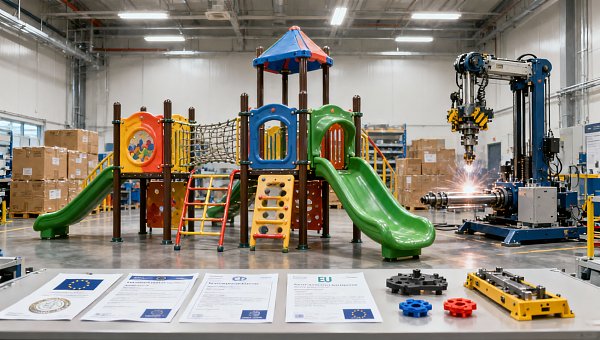
All outputs are delivered as ISO 17025-compliant whitepapers with traceable measurement chains—including GPS-tagged photogrammetry coordinates, raw sensor logs, and material spectral analysis reports. No marketing summaries. No aesthetic renderings. Only engineering truth.
FAQ: Procurement Teams Ask—TVM Answers
How do I verify if a prefab cabin supplier accounts for playground interface stresses?
Request their TVM Interface Compliance Certificate—valid only when issued against a specific cabin model + surfacing system combination, tested at full-scale thermal and vibrational loads. Generic “compliance statements” hold no engineering weight.
What’s the minimum lead time needed for TVM benchmarking in our procurement cycle?
Integrate TVM at RFP stage: 3 weeks pre-bid for digital twin validation, 2 weeks post-award for lab testing, and 48-hour on-site audit window. Projects inserting TVM after contract signing incur 11–17 day schedule penalties on average.
Can TVM benchmark existing installations—or is this only for new builds?
Yes. TVM’s retrofit assessment includes subsurface GPR scanning, dynamic impact mapping, and IoT network topology analysis—delivering prioritized remediation roadmaps with ROI timelines (typical payback: 14–22 months via reduced maintenance and liability insurance premiums).
Act Before You Anchor the First Cabin
Playground safety compliance near modular cabins isn’t about checking boxes—it’s about verifying structural continuity across systems that were never designed to coexist. Every unvalidated interface becomes a liability vector, a data blind spot, and a sustainability compromise. TerraVista Metrics transforms ambiguity into actionable engineering intelligence—turning procurement decisions into precision deployments.
For procurement directors, site operators, and hospitality architects building the next generation of smart, sustainable guest villages: request your free TVM Interface Risk Profile today. We’ll analyze your current layout plans and identify up to three quantifiable compliance gaps—with zero obligation.
Get your engineering-grade benchmarking report—before pouring concrete, ordering surfacing, or signing the cabin contract.
Recommended News
 Nov 08, 2026Choosing an Amusement Equipment Testing Agency: Accreditation and ScopeChoosing an amusement equipment testing agency? Learn how to verify accreditation, assess technical scope, and compare reports before you commit.
 Oct 24, 2026Six Flags to Add Seat Belts to Goliath and Similar Roller CoastersSix Flags plans to add seat belts to Goliath and similar roller coasters. Learn about the safety changes, Goliath’s closure and what visitors should watch for next.
 Oct 22, 2026Choosing Large Play Equipment for Parks: Space, Age Groups, and SafetyChoose large play equipment with confidence. Explore park space planning, age suitability, safety standards, and lifetime costs to create a safer, more inclusive playground.
 Sep 07, 2026Amusement Equipment Testing for Family Entertainment Centers: Key Safety ChecksAmusement equipment testing for family entertainment centers: discover essential safety checks for restraints, brakes, interlocks, structural wear, and daily operations.
 Aug 25, 2026How to Evaluate Play Equipment Suppliers in North America for Safety and FitPlay equipment North America buyers: learn how to compare suppliers for safety, compliance, materials, installation support, and long-term fit before costly mistakes happen.
 Aug 22, 2026Poured Rubber Surfacing for Playgrounds: What to Evaluate Before Specifying ItPoured rubber surfacing for playgrounds looks ideal, but performance depends on drainage, substrate, testing, and maintenance. Learn what to evaluate before you specify it.
 Aug 16, 2026What Playground Surfacing Standards Should You Meet for Safer School and Public Play Areas?Playground surfacing standards help school and public play areas stay safer, accessible, and compliant. Learn what to check before approval and avoid costly safety gaps.
 Aug 13, 2026EU Updates EN 13814:2026 for Modular CabinsEU updates EN 13814:2026 for Modular Cabins, adding AI load simulation to compliance. Learn what exporters must prepare before March 2027 to avoid CE delays and rising certification costs.
 Aug 08, 2026EN 13814:2026 Takes Effect, Raising EU Ride Safety Certification RequirementsEN 13814:2026 now raises EU ride safety certification requirements. Learn how dynamic load fatigue testing and third-party approval affect EU customs clearance, suppliers, and buyers.
 Aug 05, 2026EN 13814:2026 Tightens EU Playground Safety RulesEN 13814:2026 tightens EU playground safety rules with a fast transition deadline. Learn how the new standard affects CE compliance, testing, and delivery planning.
 Jul 21, 2026CPSC Adopts ASTM F1487-26 for Playground SafetyCPSC adopts ASTM F1487-26 for Playground Safety starting Oct. 1, 2026. Learn how the new rules affect CPC certification, U.S. market access, inventory risk, and compliance planning.
 Jul 14, 2026Vietnam Requires GS1 Traceability Codes for Imported Playground EquipmentVietnam Requires GS1 Traceability Codes for Imported Playground Equipment from Aug 15, 2026. Learn what MOIT’s new QR code rule means for exporters, importers, and compliance readiness.
 Jul 13, 2026Vietnam Requires QR Labels on Imported Playground EquipmentVietnam requires QR labels on imported playground equipment from Aug 1, 2026. Learn how VN-QR 2026 rules affect customs, documents, and shipment readiness.
 Jul 12, 2026Vietnam Requires UV Aging Test for Imported SlidesVietnam requires UV aging test for imported slides under VN-TIS 123:2026. Learn how the new rule impacts compliance, testing costs, shipment timing, and supplier selection.
 Jul 11, 2026CPSC Tightens Playground Safety Rules for Export Supply ChainsCPSC playground safety rules tighten U.S. export compliance for slides, climbing frames, and swing supports. Learn ASTM F1487-26a impacts, DIA testing changes, sourcing risks, and supply chain actions before Oct. 1, 2026.
 Jul 11, 2026Amusement Equipment Testing for Public Parks: What Safety Items Should Be Checked First?Amusement equipment testing for public parks should start with structure, restraints, electrical systems, moving parts, and records. Learn the first safety checks that prevent shutdowns and protect visitors.
 Jul 09, 2026How to Choose an Amusement Equipment Testing System for Compliance and Daily InspectionAmusement equipment testing system selection made practical: learn how to compare compliance features, inspection workflows, data accuracy, and audit readiness for safer, more efficient operations.
 Jul 04, 2026Amusement Ride Testing Services: What Tests Are Required Before Opening to the Public?Amusement ride testing services cover structural, load, control, restraint, and emergency checks before opening. Learn what tests matter most to protect safety, compliance, and uptime.
 Jul 01, 2026All Weather Slide Systems: Key Safety, Drainage, and Material Factors for Outdoor ProjectsAll weather slide systems for outdoor projects: explore key safety, drainage, and material factors to reduce risk, improve uptime, and choose durable solutions with confidence.
 Jun 29, 2026CPSC Alert Tightens Scrutiny on Playground AnchorsCPSC Alert tightens scrutiny on playground anchors as CBP inspections expand. Learn how recall-linked defects may delay clearance, raise compliance risks, and impact playground safety supply chains.
 Jun 26, 2026CPSC Sets Trilingual Warning Label Rule for Playground EquipmentCPSC trilingual warning label rule for playground equipment takes effect August 1, 2026. Learn ASTM F1487-25 requirements, import risks, and how exporters and buyers can stay compliant.
 Jun 18, 2026CPSC Tightens Playground Impact Testing for Modular ImportsCPSC tightens playground impact testing for modular imports under ASTM F1487-26e1. Learn key compliance changes, shipment risks, and document updates before Sept. 1, 2026.
 Jun 17, 2026Amusement Ride Testing Explained: Key Standards, Test Types, and Safety CheckpointsAmusement ride testing explained: learn key standards, test types, and safety checkpoints to improve compliance, reduce downtime, and protect attraction performance.
 Jun 13, 2026How to Request an Amusement Hardware Quotation Without Missing Specs or Safety RequirementsAmusement hardware quotation guide: learn how to request accurate specs, safety documents, and compliance details to avoid hidden costs, delays, and risky supplier gaps.
{item.publish_time}{item.title}{item.description}Quarterly Executive Summaries Delivered Directly.
Join 50,000+ industry leaders who receive our proprietary market analysis and policy outlooks before they hit the public library.