Search News
TerraVista Metrics (TVM)Industry Portal
TerraVista Metrics (TVM)Hot Articles
TerraVista Metrics (TVM)- Cableway Station Spacing: How Terrain and Capacity Shape the DistanceExplore cableway systems station spacing and learn how terrain, passenger capacity and safety shape practical, route-specific design decisions.
- What Is an Industry Insights Data Model? Key Components and UsesDiscover how an industry insights data model connects market data, improves comparisons, and supports smarter benchmarking and procurement decisions.
- Vingcard Deploys MENA’s First Native Wallet Hotel Keys in EgyptVingcard and Hudini bring native wallet hotel keys to three Egypt resorts. Discover what app-free access could mean for hotel buyers and suppliers.
Popular Tags
TerraVista Metrics (TVM)Industry NewsTISI Updates Playground Safety Standard: 100,000-Cycle Fatigue Test for Kinetic Equipment
auth.Dr. Julian Rossi (Aesthetic Materials Specialist)Time
Nov 16, 2026Click Count
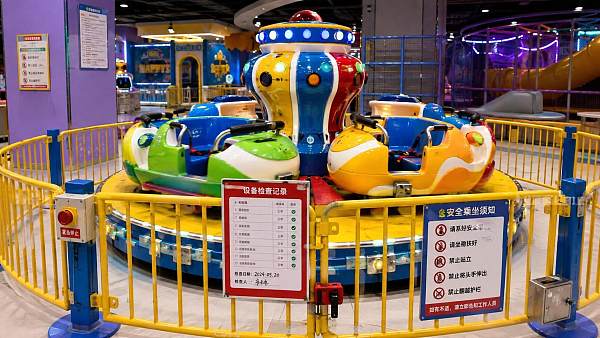
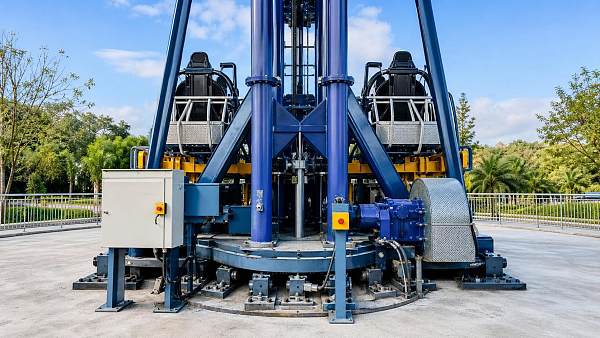
Thailand’s Industrial Standards Institute (TISI) updated its playground safety standard on May 1, 2026, mandating rigorous fatigue testing for kinetic playground equipment. This change directly affects importers, manufacturers, and certification service providers operating in or exporting to the Thai market — particularly those handling rotating, swinging, or lifting devices derived from kinetic art principles.
Event Overview
On May 1, 2026, TISI published the second edition of TIS 2772-2569, which requires all imported kinetic playground equipment — including rotating, swinging, and lifting devices based on kinetic art concepts — to undergo a minimum of 100,000 full-load cycle fatigue testing. Testing must be conducted by an ISO/IEC 17025-accredited laboratory, and original test data packages must be submitted. The standard entered into force immediately and applies to all goods with customs declaration dates on or after May 1, 2026.
Industries Affected
Direct Importers and Exporters
Importers declaring kinetic playground equipment into Thailand after May 1, 2026 must ensure compliance prior to customs clearance. Non-compliant shipments risk rejection, delays, or mandatory retesting at importer expense. This affects documentation workflows, lead time planning, and pre-shipment verification protocols.
Manufacturers of Kinetic Playground Equipment
Manufacturers supplying to the Thai market — especially those producing rotation-, swing-, or lift-based kinetic devices — now face stricter design validation requirements. The 100,000-cycle threshold implies higher durability expectations, potentially influencing material selection, joint engineering, and load-bearing component specifications.
Certification and Testing Service Providers
Laboratories accredited to ISO/IEC 17025 — particularly those offering mechanical fatigue testing for recreational equipment — may see increased demand for standardized kinetic device test reports. However, only labs with documented capability for full-system, real-time cyclic loading of such equipment will meet TISI’s evidentiary requirements.
Supply Chain and Compliance Consultants
Firms supporting cross-border product compliance must update their checklists and client advisories to reflect the new fatigue test mandate. This includes verifying lab accreditation scope (not just general ISO/IEC 17025 status), confirming test parameters match TIS 2772-2569 definitions, and ensuring raw test data — not just pass/fail summaries — are retained and transferable.
What Relevant Enterprises or Practitioners Should Focus On Now
Verify Lab Accreditation Scope Against TIS 2772-2569 Requirements
ISO/IEC 17025 accreditation alone is insufficient. Enterprises must confirm that the selected laboratory’s scope of accreditation explicitly covers fatigue testing of kinetic playground structures under conditions matching TIS 2772-2569 — including load magnitude, cycle frequency, environmental conditions, and failure criteria.
Review Product Design Documentation for Test Readiness
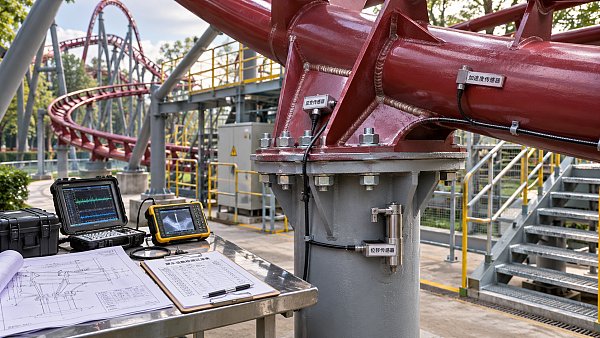
Manufacturers should audit existing technical files to assess whether current designs support 100,000-cycle endurance without modification. Key areas include bearing life estimates, weld integrity under dynamic stress, and fastener retention performance — all of which may require updated calculations or prototype validation.
Update Customs Declarations and Supporting Documents
Importers must ensure that customs submissions for kinetic equipment include traceable references to the fatigue test report and lab accreditation certificate. Blanket statements or third-party summaries do not satisfy TISI’s requirement for submission of the original test data package.
Monitor for Clarifications on ‘Kinetic Art Derivative’ Definition
TIS 2772-2569 references “kinetic art-derived devices” without further technical delineation. Observably, this term may be subject to interpretation during enforcement. Stakeholders should track official TISI guidance or rulings issued post-implementation to avoid misclassification.
Editorial Perspective / Industry Observation
This update is better understood as a regulatory signal than an immediate operational shock — it reflects TISI’s intent to align Thai playground safety standards with international durability benchmarks, particularly for non-traditional, motion-based equipment. Analysis shows the 100,000-cycle threshold approximates 10–15 years of typical public-use intensity, suggesting TISI is prioritizing long-term structural reliability over short-term compliance ease. From an industry perspective, the requirement is less about introducing novelty and more about enforcing verifiable evidence of performance — shifting emphasis from conformity declarations to empirical validation. Continued attention is warranted as enforcement patterns emerge and potential appeals or transitional provisions are clarified.

Thailand’s Industrial Standards Institute (TISI) is the sole confirmed source for this update. No supplementary guidance, FAQs, or implementation timelines beyond the May 1, 2026 effective date have been publicly released as of the publication of this article. Stakeholders should monitor TISI’s official website and authorized notifications for future clarifications.
Recommended News
 Nov 08, 2026Choosing an Amusement Equipment Testing Agency: Accreditation and ScopeChoosing an amusement equipment testing agency? Learn how to verify accreditation, assess technical scope, and compare reports before you commit.
 Oct 24, 2026Six Flags to Add Seat Belts to Goliath and Similar Roller CoastersSix Flags plans to add seat belts to Goliath and similar roller coasters. Learn about the safety changes, Goliath’s closure and what visitors should watch for next.
 Oct 22, 2026Choosing Large Play Equipment for Parks: Space, Age Groups, and SafetyChoose large play equipment with confidence. Explore park space planning, age suitability, safety standards, and lifetime costs to create a safer, more inclusive playground.
 Sep 07, 2026Amusement Equipment Testing for Family Entertainment Centers: Key Safety ChecksAmusement equipment testing for family entertainment centers: discover essential safety checks for restraints, brakes, interlocks, structural wear, and daily operations.
 Aug 25, 2026How to Evaluate Play Equipment Suppliers in North America for Safety and FitPlay equipment North America buyers: learn how to compare suppliers for safety, compliance, materials, installation support, and long-term fit before costly mistakes happen.
 Aug 22, 2026Poured Rubber Surfacing for Playgrounds: What to Evaluate Before Specifying ItPoured rubber surfacing for playgrounds looks ideal, but performance depends on drainage, substrate, testing, and maintenance. Learn what to evaluate before you specify it.
 Aug 16, 2026What Playground Surfacing Standards Should You Meet for Safer School and Public Play Areas?Playground surfacing standards help school and public play areas stay safer, accessible, and compliant. Learn what to check before approval and avoid costly safety gaps.
 Aug 13, 2026EU Updates EN 13814:2026 for Modular CabinsEU updates EN 13814:2026 for Modular Cabins, adding AI load simulation to compliance. Learn what exporters must prepare before March 2027 to avoid CE delays and rising certification costs.
 Aug 08, 2026EN 13814:2026 Takes Effect, Raising EU Ride Safety Certification RequirementsEN 13814:2026 now raises EU ride safety certification requirements. Learn how dynamic load fatigue testing and third-party approval affect EU customs clearance, suppliers, and buyers.
 Aug 05, 2026EN 13814:2026 Tightens EU Playground Safety RulesEN 13814:2026 tightens EU playground safety rules with a fast transition deadline. Learn how the new standard affects CE compliance, testing, and delivery planning.
 Jul 21, 2026CPSC Adopts ASTM F1487-26 for Playground SafetyCPSC adopts ASTM F1487-26 for Playground Safety starting Oct. 1, 2026. Learn how the new rules affect CPC certification, U.S. market access, inventory risk, and compliance planning.
 Jul 14, 2026Vietnam Requires GS1 Traceability Codes for Imported Playground EquipmentVietnam Requires GS1 Traceability Codes for Imported Playground Equipment from Aug 15, 2026. Learn what MOIT’s new QR code rule means for exporters, importers, and compliance readiness.
 Jul 13, 2026Vietnam Requires QR Labels on Imported Playground EquipmentVietnam requires QR labels on imported playground equipment from Aug 1, 2026. Learn how VN-QR 2026 rules affect customs, documents, and shipment readiness.
 Jul 12, 2026Vietnam Requires UV Aging Test for Imported SlidesVietnam requires UV aging test for imported slides under VN-TIS 123:2026. Learn how the new rule impacts compliance, testing costs, shipment timing, and supplier selection.
 Jul 11, 2026CPSC Tightens Playground Safety Rules for Export Supply ChainsCPSC playground safety rules tighten U.S. export compliance for slides, climbing frames, and swing supports. Learn ASTM F1487-26a impacts, DIA testing changes, sourcing risks, and supply chain actions before Oct. 1, 2026.
 Jul 11, 2026Amusement Equipment Testing for Public Parks: What Safety Items Should Be Checked First?Amusement equipment testing for public parks should start with structure, restraints, electrical systems, moving parts, and records. Learn the first safety checks that prevent shutdowns and protect visitors.
 Jul 09, 2026How to Choose an Amusement Equipment Testing System for Compliance and Daily InspectionAmusement equipment testing system selection made practical: learn how to compare compliance features, inspection workflows, data accuracy, and audit readiness for safer, more efficient operations.
 Jul 04, 2026Amusement Ride Testing Services: What Tests Are Required Before Opening to the Public?Amusement ride testing services cover structural, load, control, restraint, and emergency checks before opening. Learn what tests matter most to protect safety, compliance, and uptime.
 Jul 01, 2026All Weather Slide Systems: Key Safety, Drainage, and Material Factors for Outdoor ProjectsAll weather slide systems for outdoor projects: explore key safety, drainage, and material factors to reduce risk, improve uptime, and choose durable solutions with confidence.
 Jun 29, 2026CPSC Alert Tightens Scrutiny on Playground AnchorsCPSC Alert tightens scrutiny on playground anchors as CBP inspections expand. Learn how recall-linked defects may delay clearance, raise compliance risks, and impact playground safety supply chains.
 Jun 26, 2026CPSC Sets Trilingual Warning Label Rule for Playground EquipmentCPSC trilingual warning label rule for playground equipment takes effect August 1, 2026. Learn ASTM F1487-25 requirements, import risks, and how exporters and buyers can stay compliant.
 Jun 18, 2026CPSC Tightens Playground Impact Testing for Modular ImportsCPSC tightens playground impact testing for modular imports under ASTM F1487-26e1. Learn key compliance changes, shipment risks, and document updates before Sept. 1, 2026.
 Jun 17, 2026Amusement Ride Testing Explained: Key Standards, Test Types, and Safety CheckpointsAmusement ride testing explained: learn key standards, test types, and safety checkpoints to improve compliance, reduce downtime, and protect attraction performance.
 Jun 13, 2026How to Request an Amusement Hardware Quotation Without Missing Specs or Safety RequirementsAmusement hardware quotation guide: learn how to request accurate specs, safety documents, and compliance details to avoid hidden costs, delays, and risky supplier gaps.
{item.publish_time}{item.title}{item.description}Quarterly Executive Summaries Delivered Directly.
Join 50,000+ industry leaders who receive our proprietary market analysis and policy outlooks before they hit the public library.