Search News
TerraVista Metrics (TVM)Industry Portal
TerraVista Metrics (TVM)Hot Articles
TerraVista Metrics (TVM)- How to Evaluate Spark Plug Suppliers for Consistent Quality and Lead TimesSpark plugs supplier evaluation guide: compare quality control, traceability, fitment, total cost, and reliable lead times to secure dependable engine maintenance supply.
- What Drives System Interoperability Testing Service Costs in Complex Projects?System interoperability testing service cost depends on integration scope, workflows, environments, and assurance needs. Learn how to budget smarter and reduce project risk.
- Project Planning Sourcing Guides: How to Qualify Suppliers Before Work StartsSourcing guides project planning helps teams qualify suppliers before work begins—verify compliance, delivery capacity, financial strength, and sustainability to reduce risk and protect project outcomes.
Popular Tags
TerraVista Metrics (TVM)Industry NewsWorld's First Automated Playground Safety Testing Line Enters Mass Production
auth.Dr. Julian Rossi (Aesthetic Materials Specialist)Time
Oct 07, 2026Click Count
On May 6, 2026, the world’s first fully automated playground safety testing line—validated by TerraVista Metrics—entered mass production and was delivered from Dongguan. This development is highly relevant to manufacturers of outdoor play equipment, EU export-focused certification service providers, and third-party conformity assessment bodies, as it directly reshapes timelines and technical requirements for EN 1176/1177 compliance reporting.
Event Overview
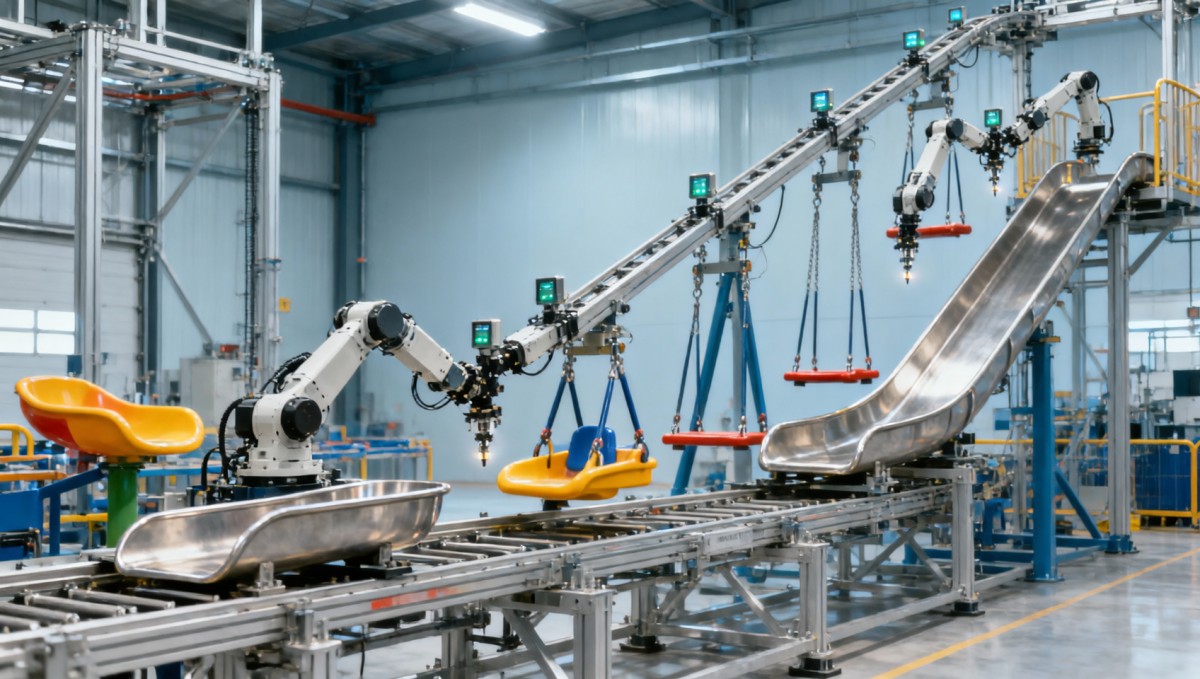
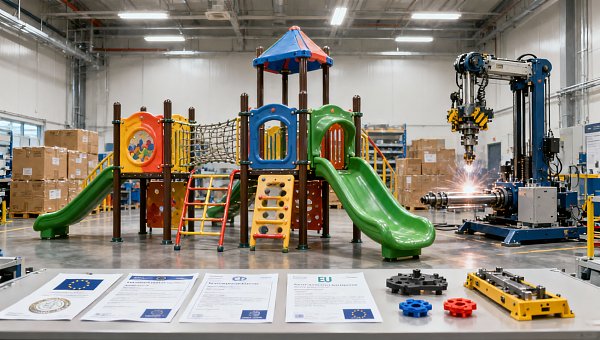
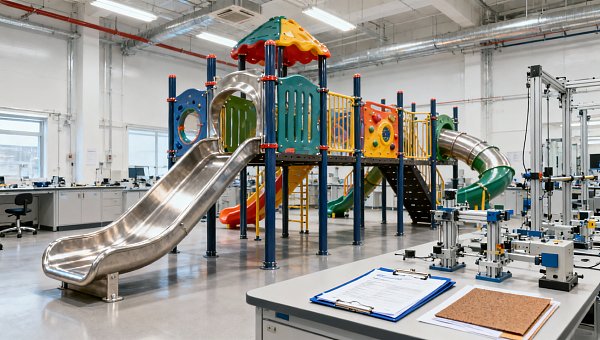
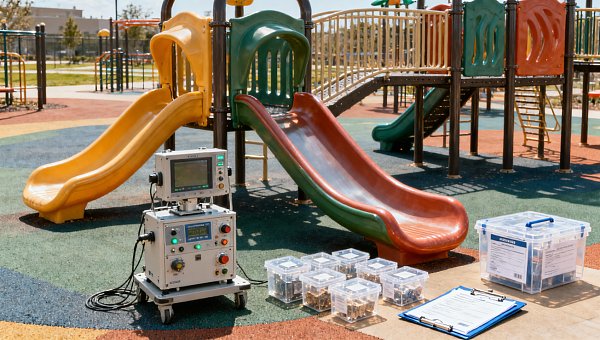
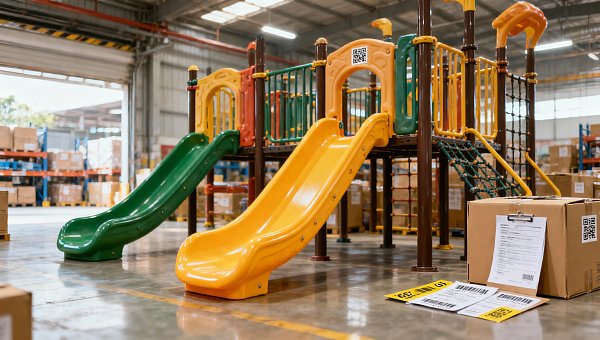
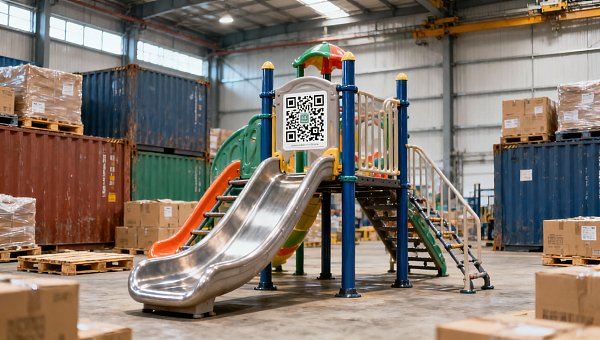
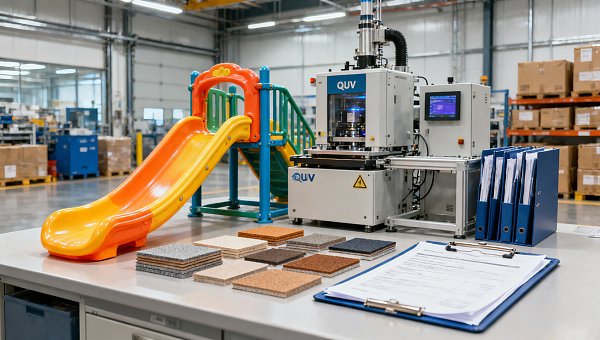
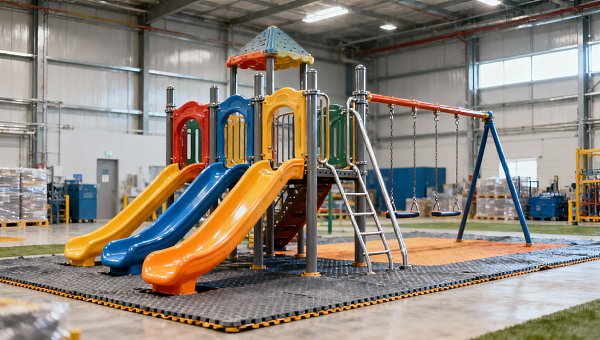
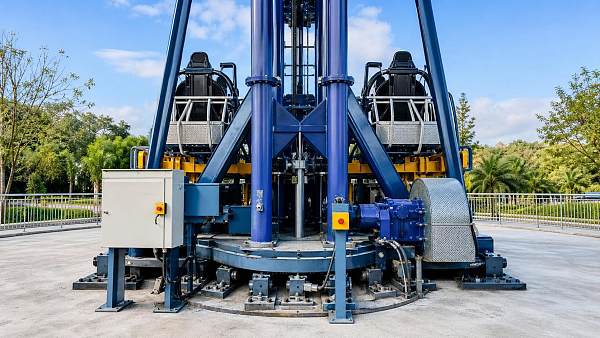
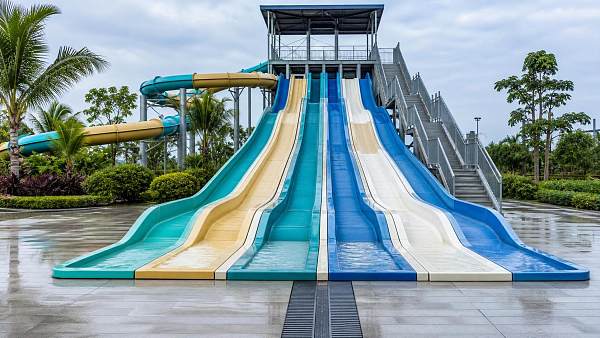
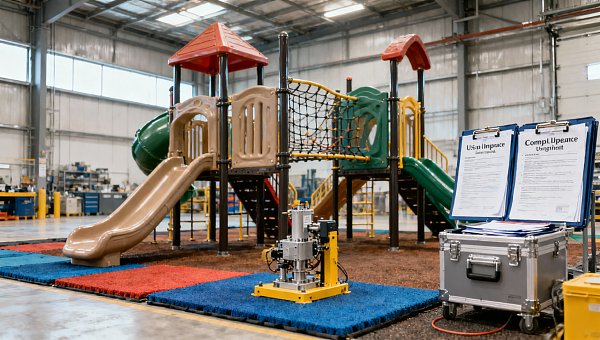
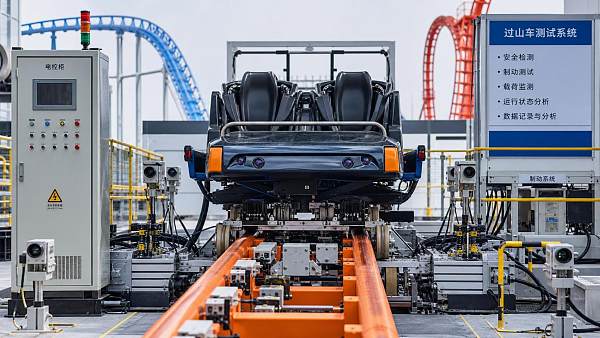
On May 6, 2026, the first globally deployed fully automated playground safety testing line commenced mass production and delivery at the Dongguan base. The line performs full mechanical testing per EN 1176 and EN 1177—including impact absorption, static load, and fatigue cycling—on playground equipment such as slides, swings, and climbing frames. A complete compliance report for a single unit is generated within 72 hours. The production line is integrated with the CNAS remote supervision system, and test reports are transmitted directly to EU Notified Bodies, enabling an accelerated ‘testing–certification–customs clearance’ workflow for Chinese playground equipment exporters.
Impact on Specific Industry Segments
Direct Exporters of Playground Equipment
These companies face revised expectations for documentation turnaround and audit readiness. With test reports now generated in 72 hours and directly accepted by EU Notified Bodies, lead times for CE marking may compress significantly—but only if upstream design and material documentation align with EN 1176/1177 Clause 4 (design verification) and Clause 5 (material traceability). Delays are likely to shift from lab capacity constraints to pre-test documentation gaps.
Third-Party Certification & Conformity Assessment Providers
Providers supporting Chinese exporters must adapt to receiving standardized, machine-generated test reports via CNAS-integrated channels. This reduces manual data entry and interpretation but increases dependency on interoperability between CNAS systems and individual Notified Body portals. Verification workflows may need revalidation where automated reports replace traditional technician-signed records.
Component Suppliers & Material Manufacturers
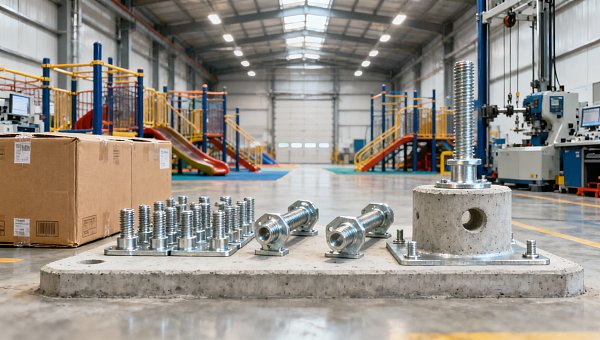
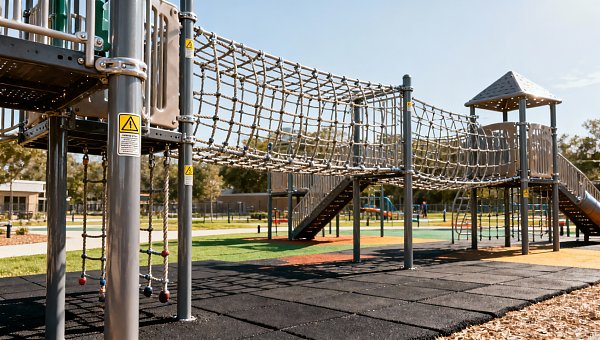
Suppliers of impact-absorbing surfacing materials, structural steel tubing, or fasteners used in EN-compliant equipment may see tighter demand for batch-level traceability and certified mechanical property data. Analysis shows that automated testing lines do not reduce material-level compliance requirements—they increase scrutiny of upstream test evidence referenced in final reports (e.g., foam density vs. HIC values, tensile strength certifications for welded joints).
Logistics & Customs Facilitation Services
Firms offering end-to-end export support—including customs brokers specializing in EU toy/playground goods—may observe shorter document-to-departure cycles. However, current more relevant than speed is consistency: automated reporting reduces human variability but also leaves less room for ad hoc negotiation during customs review. Pre-clearance alignment with EU customs tariff codes (e.g., HS 9506.91 for playground equipment) and origin declarations becomes more critical when test reports are standardized and machine-issued.
What Relevant Companies or Practitioners Should Focus On Now
Monitor official updates on CNAS–Notified Body integration scope
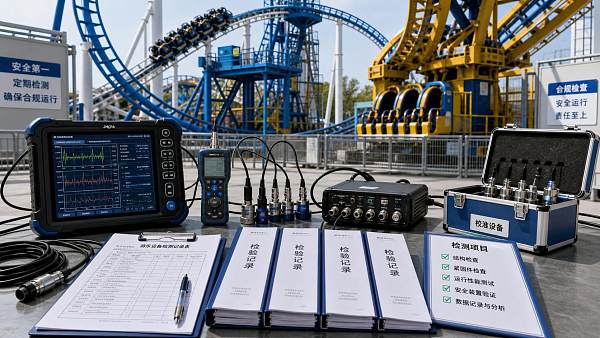
While the line is connected to the CNAS remote supervision system, its acceptance status varies across EU Notified Bodies. Current guidance does not confirm universal recognition; exporters should verify whether their target Notified Body has formally acknowledged this reporting channel—and whether supplementary documentation (e.g., calibration logs, operator qualification records) remains required.
Review internal documentation practices for EN 1176 Clause 4 and Clause 5 alignment
Automated testing accelerates mechanical verification but does not substitute for documented design rationale, risk assessments, or material declarations. Exporters should prioritize gap analysis of existing technical files against EN 1176:2017 Annex A and B requirements—not just test execution.
Distinguish between policy signal and operational readiness
The delivery represents a capability milestone—not yet a de facto market standard. Observably, no regulatory mandate requires use of automated lines. Its value lies in scalability and repeatability, not regulatory substitution. Companies should assess whether volume, product complexity, and margin profile justify transitioning from conventional lab partnerships to this new infrastructure.
Prepare for upstream supply chain coordination
Since automated reports reference raw material certifications and manufacturing process controls, procurement teams should proactively collect and digitize supplier test certificates (e.g., ISO 8501-1 surface prep validation, ASTM F1292 HIC data), ensuring metadata compatibility with CNAS-reporting formats ahead of first-line deployment.
Editorial Perspective / Industry Observation
This milestone is best understood not as an immediate regulatory shift, but as an infrastructure signal: it reflects growing technical capacity to enforce existing standards at scale. Analysis shows that EN 1176/1177 compliance has long been bottlenecked by lab throughput and subjective interpretation—not by lack of clarity in requirements. The Dongguan line addresses the former, not the latter. Therefore, industry attention should focus less on ‘new rules’ and more on how automation exposes latent weaknesses in documentation discipline, material traceability, and cross-functional handoffs between R&D, procurement, and QA. Sustained observation is warranted—not because the line changes the law, but because it changes what consistent compliance looks like in practice.

Conclusion: This delivery marks a step toward industrialized conformity assessment—not a relaxation or revision of safety requirements. For exporters and service providers, it signals that speed will increasingly depend on preparation upstream, not just performance downstream. It is better interpreted as an efficiency enabler anchored firmly within existing regulatory frameworks, rather than a departure from them.
Source: Public announcement dated May 6, 2026, referencing TerraVista Metrics’ validation role and CNAS integration. Note: Ongoing observation is recommended regarding formal acceptance status across individual EU Notified Bodies, as this remains institution-specific and not yet publicly harmonized.
Recommended News
 Sep 07, 2026Amusement Equipment Testing for Family Entertainment Centers: Key Safety ChecksAmusement equipment testing for family entertainment centers: discover essential safety checks for restraints, brakes, interlocks, structural wear, and daily operations.
 Aug 25, 2026How to Evaluate Play Equipment Suppliers in North America for Safety and FitPlay equipment North America buyers: learn how to compare suppliers for safety, compliance, materials, installation support, and long-term fit before costly mistakes happen.
 Aug 22, 2026Poured Rubber Surfacing for Playgrounds: What to Evaluate Before Specifying ItPoured rubber surfacing for playgrounds looks ideal, but performance depends on drainage, substrate, testing, and maintenance. Learn what to evaluate before you specify it.
 Aug 16, 2026What Playground Surfacing Standards Should You Meet for Safer School and Public Play Areas?Playground surfacing standards help school and public play areas stay safer, accessible, and compliant. Learn what to check before approval and avoid costly safety gaps.
 Aug 13, 2026EU Updates EN 13814:2026 for Modular CabinsEU updates EN 13814:2026 for Modular Cabins, adding AI load simulation to compliance. Learn what exporters must prepare before March 2027 to avoid CE delays and rising certification costs.
 Aug 08, 2026EN 13814:2026 Takes Effect, Raising EU Ride Safety Certification RequirementsEN 13814:2026 now raises EU ride safety certification requirements. Learn how dynamic load fatigue testing and third-party approval affect EU customs clearance, suppliers, and buyers.
 Aug 05, 2026EN 13814:2026 Tightens EU Playground Safety RulesEN 13814:2026 tightens EU playground safety rules with a fast transition deadline. Learn how the new standard affects CE compliance, testing, and delivery planning.
 Jul 21, 2026CPSC Adopts ASTM F1487-26 for Playground SafetyCPSC adopts ASTM F1487-26 for Playground Safety starting Oct. 1, 2026. Learn how the new rules affect CPC certification, U.S. market access, inventory risk, and compliance planning.
 Jul 14, 2026Vietnam Requires GS1 Traceability Codes for Imported Playground EquipmentVietnam Requires GS1 Traceability Codes for Imported Playground Equipment from Aug 15, 2026. Learn what MOIT’s new QR code rule means for exporters, importers, and compliance readiness.
 Jul 13, 2026Vietnam Requires QR Labels on Imported Playground EquipmentVietnam requires QR labels on imported playground equipment from Aug 1, 2026. Learn how VN-QR 2026 rules affect customs, documents, and shipment readiness.
 Jul 12, 2026Vietnam Requires UV Aging Test for Imported SlidesVietnam requires UV aging test for imported slides under VN-TIS 123:2026. Learn how the new rule impacts compliance, testing costs, shipment timing, and supplier selection.
 Jul 11, 2026CPSC Tightens Playground Safety Rules for Export Supply ChainsCPSC playground safety rules tighten U.S. export compliance for slides, climbing frames, and swing supports. Learn ASTM F1487-26a impacts, DIA testing changes, sourcing risks, and supply chain actions before Oct. 1, 2026.
 Jul 11, 2026Amusement Equipment Testing for Public Parks: What Safety Items Should Be Checked First?Amusement equipment testing for public parks should start with structure, restraints, electrical systems, moving parts, and records. Learn the first safety checks that prevent shutdowns and protect visitors.
 Jul 09, 2026How to Choose an Amusement Equipment Testing System for Compliance and Daily InspectionAmusement equipment testing system selection made practical: learn how to compare compliance features, inspection workflows, data accuracy, and audit readiness for safer, more efficient operations.
 Jul 04, 2026Amusement Ride Testing Services: What Tests Are Required Before Opening to the Public?Amusement ride testing services cover structural, load, control, restraint, and emergency checks before opening. Learn what tests matter most to protect safety, compliance, and uptime.
 Jul 01, 2026All Weather Slide Systems: Key Safety, Drainage, and Material Factors for Outdoor ProjectsAll weather slide systems for outdoor projects: explore key safety, drainage, and material factors to reduce risk, improve uptime, and choose durable solutions with confidence.
 Jun 29, 2026CPSC Alert Tightens Scrutiny on Playground AnchorsCPSC Alert tightens scrutiny on playground anchors as CBP inspections expand. Learn how recall-linked defects may delay clearance, raise compliance risks, and impact playground safety supply chains.
 Jun 26, 2026CPSC Sets Trilingual Warning Label Rule for Playground EquipmentCPSC trilingual warning label rule for playground equipment takes effect August 1, 2026. Learn ASTM F1487-25 requirements, import risks, and how exporters and buyers can stay compliant.
 Jun 18, 2026CPSC Tightens Playground Impact Testing for Modular ImportsCPSC tightens playground impact testing for modular imports under ASTM F1487-26e1. Learn key compliance changes, shipment risks, and document updates before Sept. 1, 2026.
 Jun 17, 2026Amusement Ride Testing Explained: Key Standards, Test Types, and Safety CheckpointsAmusement ride testing explained: learn key standards, test types, and safety checkpoints to improve compliance, reduce downtime, and protect attraction performance.
 Jun 13, 2026How to Request an Amusement Hardware Quotation Without Missing Specs or Safety RequirementsAmusement hardware quotation guide: learn how to request accurate specs, safety documents, and compliance details to avoid hidden costs, delays, and risky supplier gaps.
 Jun 07, 2026Playground Equipment Factory Audit Guide: What to Check Before Placing a Bulk OrderPlayground equipment factory audit guide: learn what to check before a bulk order, from materials and welding to testing, compliance, and traceability for safer, smarter sourcing.
 Jun 06, 2026How to Use Benchmarking for Amusement Hardware to Compare Safety, Uptime, and ROIBenchmarking for amusement hardware helps buyers compare safety, uptime, and lifecycle ROI with clear metrics. Learn how to avoid costly mistakes and choose attractions with confidence.
 May 24, 2026DRC Mandates IEC 61400-2 Wind Load Certification for All Outdoor Play EquipmentIEC 61400-2 wind load certification now mandatory for all outdoor play equipment in DRC — effective 1 Sep 2026. Avoid delays: verify AFRAC-accredited testing & French technical docs now.
Quarterly Executive Summaries Delivered Directly.
Join 50,000+ industry leaders who receive our proprietary market analysis and policy outlooks before they hit the public library.