Search News
TerraVista Metrics (TVM)Industry Portal
TerraVista Metrics (TVM)Hot Articles
TerraVista Metrics (TVM)- Cableway Station Spacing: How Terrain and Capacity Shape the DistanceExplore cableway systems station spacing and learn how terrain, passenger capacity and safety shape practical, route-specific design decisions.
- What Is an Industry Insights Data Model? Key Components and UsesDiscover how an industry insights data model connects market data, improves comparisons, and supports smarter benchmarking and procurement decisions.
- Vingcard Deploys MENA’s First Native Wallet Hotel Keys in EgyptVingcard and Hudini bring native wallet hotel keys to three Egypt resorts. Discover what app-free access could mean for hotel buyers and suppliers.
Popular Tags
TerraVista Metrics (TVM)Industry NewsChina E-Bike Prices Rise 200–300 CNY Amid Battery Cost Surge
auth.Dr. Hideo Tanaka (Outdoor Gear Engineering Lead)Time
Nov 16, 2026Click Count
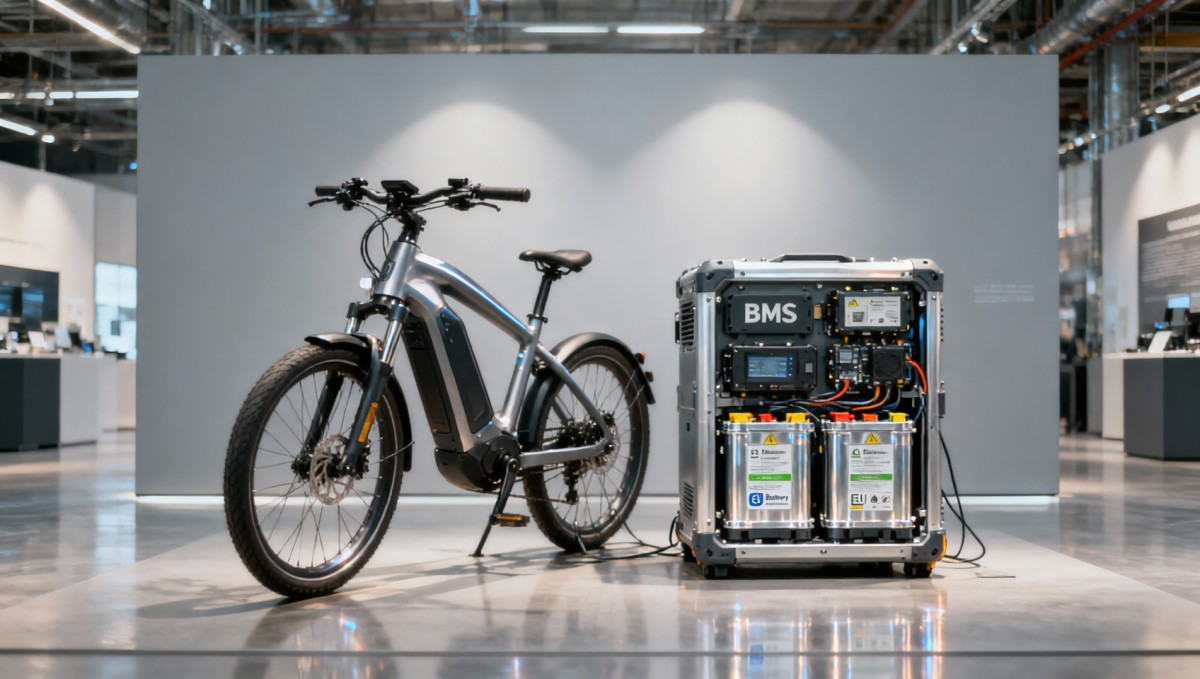
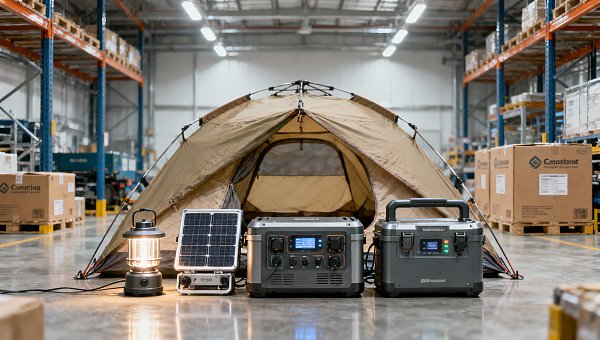
Starting April 1, 2026, major domestic electric bicycle brands in China collectively raised factory prices by 200–300 CNY per unit. This move directly impacts the Premium Camping sector—particularly integrated mobile power systems—and signals broader cost pressures across lithium-ion battery supply chains. Stakeholders in e-mobility, outdoor power solutions, and cross-border trade should monitor downstream pricing, lead times, and compliance-driven BOM adjustments.
Event Overview
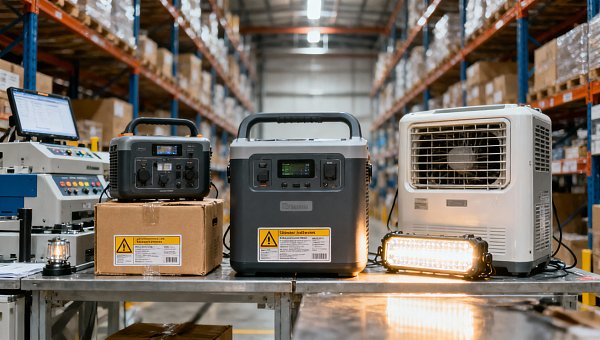
Effective April 1, 2026, leading Chinese electric bicycle manufacturers increased出厂 prices by 200–300 CNY. The adjustment follows rising costs for lithium carbonate—a key cathode material—and additional certification expenses tied to the EU’s Battery Regulation (EU 2023/1542), which now applies retroactively. As a result, Bill of Materials (BOM) costs for integrated mobile power systems used in Premium Camping—including battery cells, inverters, and Battery Management Systems (BMS)—rose by an average of 11%. Some product variants now face delivery lead times of 8–10 weeks.
Impact on Specific Industry Segments
Direct Trade Enterprises
Export-oriented trading firms supplying e-bikes or camping power systems to EU markets face tighter margin pressure. The retroactive application of EU 2023/1542 means previously shipped units may require re-certification or documentation updates—increasing administrative overhead and potential customs delays.
Raw Material Procurement Firms
Procurement teams sourcing lithium carbonate or NMC cathode materials are exposed to renewed volatility. While the current price rebound is confirmed, its duration remains uncertain. Firms relying on fixed-price contracts signed before Q1 2026 may experience unexpected cost leakage during fulfillment.
Manufacturing & Integration Companies
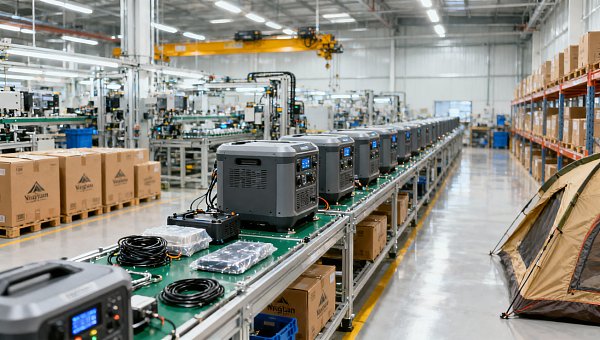
OEMs and system integrators building mobile power units for camping applications report measurable BOM inflation—especially in battery modules and certified inverters. The 11% average BOM increase reflects both raw material costs and newly incurred testing/certification fees—not just component markups.
Distribution & Channel Operators
Wholesalers and specialty retailers handling Premium Camping gear are observing extended order-to-delivery cycles (8–10 weeks). Inventory planning becomes more complex as forward visibility narrows, and promotional timing may need adjustment to align with delayed stock arrivals.
What Relevant Enterprises or Practitioners Should Monitor and Do Now
Track official implementation guidance on EU 2023/1542
The European Commission and notified bodies have not yet published detailed enforcement protocols for the regulation’s retroactive scope. Companies exporting battery-integrated products should subscribe to updates from EU market surveillance authorities and verify whether their existing CE declarations remain valid.
Review lithium carbonate procurement terms and hedge exposure
Firms with open purchase orders or rolling supply agreements should assess clause language around price adjustment mechanisms and force majeure triggers. Where possible, short-term hedging via exchange-traded lithium carbonate futures (where available) may mitigate near-term volatility risk.
Validate BOM-level compliance documentation for all battery-inclusive SKUs
Integrators must confirm that every battery cell, pack, and complete power system carries updated Declaration of Conformity referencing Annex II of EU 2023/1542—including carbon footprint declarations and recycled content reporting. Non-compliant units risk rejection at EU borders post-July 2026.
Adjust inventory and logistics planning for extended lead times
With some models facing 8–10 week delivery windows, channel partners should prioritize safety stock for high-turnover SKUs and coordinate closely with suppliers on rolling forecast updates—not just firm POs—to improve allocation accuracy.
Editorial Perspective / Industry Observation
From industry perspective, this price adjustment is less a one-off correction and more a structural signal: battery supply chain costs are no longer insulated from regulatory compliance overhead. The 11% BOM lift in Premium Camping systems highlights how policy-driven certification—not just commodity prices—now materially shapes hardware economics. Analysis来看, the convergence of material cost rebound and regulatory enforcement suggests that cost pass-through will continue across adjacent segments (e.g., portable power stations, micro-ESS for off-grid recreation) unless alternative chemistries or localized certification pathways emerge. Current more suitable interpretation is that this is an early-stage cost realignment—not yet a full market reset—but one requiring active monitoring over the next two quarters.

This development underscores how regulatory timelines—often overlooked during product development—can rapidly translate into production constraints and commercial friction. For enterprises operating at the intersection of mobility hardware and outdoor energy systems, April 2026 marks a point where compliance ceases to be a back-office function and becomes a core input in cost modeling and go-to-market scheduling.
Information Sources:
• Confirmed price action reported by multiple Tier-1 e-bike OEMs effective April 1, 2026
• EU Regulation (EU) 2023/1542 on batteries and end-of-life management
• Publicly disclosed BOM impact data from Premium Camping system integrators (Q1 2026)
Note: Ongoing observation required for EU enforcement guidance, lithium carbonate price trajectory beyond Q2 2026, and potential national subsidy adjustments in China’s e-bike sector.Recommended News
 Oct 20, 2026How to Evaluate Campground Equipment for Heavy Use and Outdoor ExposureCampground tourism equipment evaluation made practical: assess durability, weather resistance, safety, and lifecycle costs to choose equipment built for heavy use. Explore the guide.
 Oct 29, 2026Does Recycled Plastic Furniture Last in Strong Coastal Sunlight?Does recycled plastic furniture last in strong coastal sunlight? Discover how UV protection, heat resistance, and coastal hardware affect durability—and what to check before buying.
 Oct 25, 2026Can an Eco Lodge Operate Reliably Off-Grid?Can an eco lodge operate reliably off-grid? Discover how solar, batteries, safe water, and backup planning protect guest comfort—and what to check before investing.
 Sep 21, 2026What Do Eco-Lodging Standards Cost, From Certification Fees to Compliance Upgrades?Eco lodging standards cost explained: compare certification fees, compliance upgrades, documentation, and operational investments to budget smarter and avoid costly rework.
 Aug 30, 2026How to Choose Marine-Grade Camping Equipment for Saltwater and Coastal ConditionsMarine grade camping equipment guide for coastal trips: compare salt-resistant materials, wind-ready shelters, protected electronics, and maintenance tips for reliable adventures.
 Aug 01, 2026Technical Procurement for Camping Gear: How to Evaluate Specs, Durability, and Supplier FitTechnical procurement for camping gear starts with the real use case. Learn how to assess specs, durability, test reports, and supplier fit to reduce risk and improve ROI.
 Jul 14, 2026SABER V3.2 Adds Carbon Footprint Filing for Premium CampingSABER V3.2 adds carbon footprint filing for Premium Camping in Saudi Arabia. Learn the ISO 14067 PCoC rule, key dates, supplier impact, and how to avoid compliance delays.
 Jul 10, 2026Europe Brings Forward Q3 Premium Camping OrdersEurope Brings Forward Q3 Premium Camping Orders: European retailers moved premium camping procurement deadlines nearly a month earlier. See affected categories, supplier lead-time risks, and FOB cost checks now.
 Jul 10, 2026How to Choose Corrosion Resistant Hotel Furniture for Coastal and Poolside AreasCorrosion resistant hotel furniture buying guide for coastal and poolside areas: compare materials, finishes, test data, and lifecycle value to choose durable, guest-ready outdoor pieces.
 Jul 04, 2026Scenic Slide Systems Cost Breakdown: What Drives Budget in Park and Resort Projects?Scenic slide systems cost explained for park and resort projects. Discover key budget drivers, hidden risks, and smart ways to compare suppliers before costs escalate.
 Jul 02, 2026How to Choose Anti Mildew Resort Furniture for Coastal and High-Humidity ProjectsAnti mildew resort furniture for coastal and high-humidity projects: learn how to compare materials, drainage, corrosion resistance, and lifecycle value for smarter resort sourcing.
 Jul 01, 2026How to Choose High-Durability Trekking Gear for Mountain Use: Materials, Weight, and Weather ProtectionHigh-durability trekking gear for mountain use: learn how to compare materials, weight, and weather protection to choose safer, longer-lasting gear for demanding trails.
 Jun 30, 2026Vietnam Lifts Import Pause but Adds Blockchain Label CheckVietnam lifts the import pause on premium camping goods, but new blockchain label checks and TV-MARK code rules now shape customs clearance. Learn the compliance risks and next steps.
 Jun 29, 2026Vietnam Halts China Premium Camping Imports Over Label ChecksVietnam Halts China Premium Camping Imports over label checks, disrupting customs clearance for lighting and power products. Learn the compliance risks, shipment impact, and what buyers and exporters should review now.
 Jun 29, 2026Eco Resort Development Cost Breakdown: What Drives Budget from Land to OperationsEco resort development cost explained from land and permits to prefab, utilities, and operations. Discover what really drives budget risk and how to plan smarter before approval.
 Jun 28, 2026Vietnam to Enforce QCVN 101:2026 Camping Lighting LabelsVietnam to Enforce QCVN 101:2026 Camping Lighting Labels from August 1, 2026. Learn labeling, VILAS test report, and compliance risks for LED and solar camping lights.
 Jun 28, 2026How to Choose Durable Camping Stoves for Frequent Outdoor Use and Harsh WeatherDurable camping stoves buying guide: learn how to compare materials, wind performance, fuel systems, and serviceability for reliable cooking in harsh weather and frequent outdoor use.
 Jun 27, 2026Vietnam Expands QCVN 16:2026 to Premium Camping DevicesVietnam QCVN 16:2026 expands to Premium Camping devices from Sept 1, 2026. Learn customs, labeling, certification, and procurement impacts for compliant market access.
 Jun 26, 2026Vietnam Mandates QCVN 16:2026 Labels for Premium Camping ImportsVietnam Mandates QCVN 16:2026 Labels for Premium Camping imports from Oct. 1, 2026. Learn how the new rule impacts customs clearance, compliance, suppliers, and delivery planning.
 Jun 26, 2026Pet Carrier Backpacks: How to Choose the Right Size, Ventilation, and Load SupportPetcarrierbackpacks buying guide: learn how to choose the right size, ventilation, and load support for safer, more comfortable pet travel, commuting, and outdoor use.
 Jun 26, 2026How to Read a Durable Camping Equipment Insulation Rating Before You BuyLearn how to read a durable camping equipment insulation rating before you buy, so you can choose warmer, longer-lasting gear with confidence.
 Jun 25, 2026BITE 2025 Puts Premium Camping Orders in FocusBITE 2025 spotlights premium camping orders as Southeast Asian buyers target tent units and modular bathroom cabins with ISO 21930 and ASEAN green materials compliance in focus.
 Jun 24, 2026Fujia Expands Vietnam Output for Premium CampingFujia Expands Vietnam Output for Premium Camping, investing CNY 378 million to boost localized delivery, ease tariff pressure, and strengthen VAT compliance for global buyers.
 Jun 19, 2026ASX 200 Falls 1% as Premium Camping Faces Supply ShiftPremium Camping demand is shifting as the ASX 200 falls 1%. See how Australian retailers favor certified Chinese camping gear, reshaping sourcing, costs, and payment terms.
{item.publish_time}{item.title}{item.description}Quarterly Executive Summaries Delivered Directly.
Join 50,000+ industry leaders who receive our proprietary market analysis and policy outlooks before they hit the public library.