Search News
TerraVista Metrics (TVM)Industry Portal
TerraVista Metrics (TVM)Hot Articles
TerraVista Metrics (TVM)- Choosing Prefab Cabin Suppliers: Quality, Lead Times and Delivery CostsCompare prefab cabin suppliers on quality, lead times, compliance, and total delivery costs. Learn what to verify before you buy and avoid costly surprises.
- Choosing an Amusement Equipment Testing Agency: Accreditation and ScopeChoosing an amusement equipment testing agency? Learn how to verify accreditation, assess technical scope, and compare reports before you commit.
- Global Temporary Buildings Market Forecast to Reach $5.88 Billion by 2032Global temporary buildings market is forecast to reach $5.88 billion by 2032. Explore the modular, reusable and rapid-assembly trends driving growth.
Popular Tags
TerraVista Metrics (TVM)Industry NewsChina E-Bike Prices Rise $200–300; Premium Camping Power BOM Up 11%
auth.Dr. Hideo Tanaka (Outdoor Gear Engineering Lead)Time
Nov 07, 2026Click Count
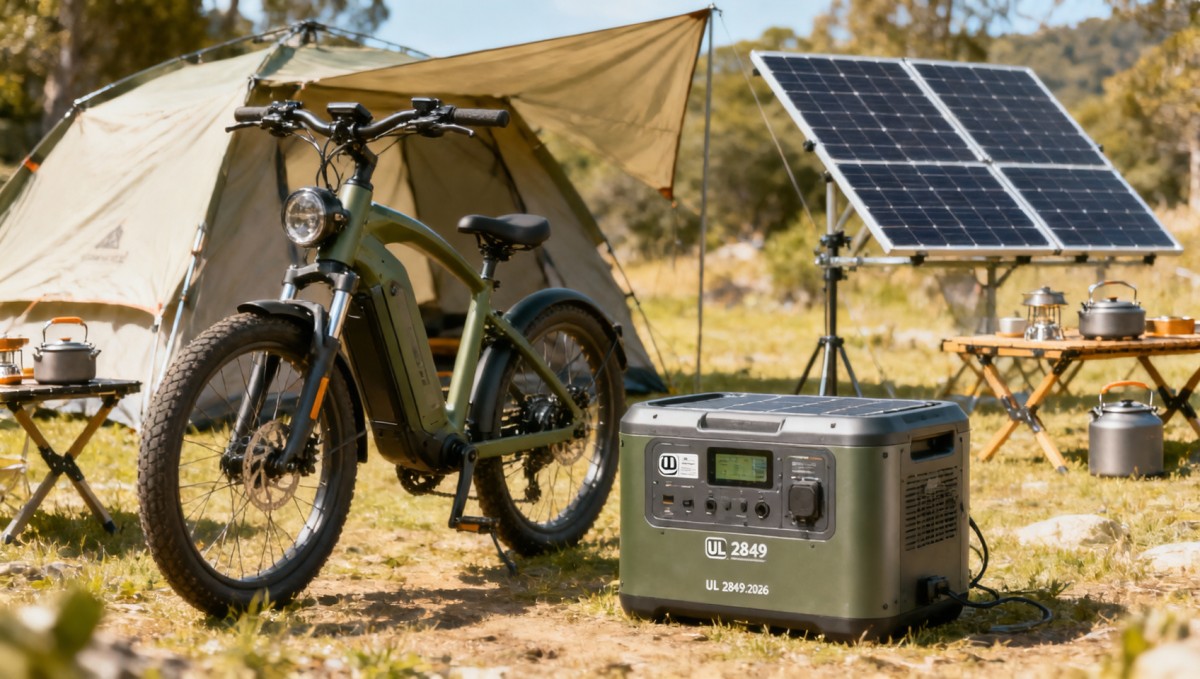
On April 24, 2026, major Chinese e-bicycle brands collectively raised factory prices by USD 200–300 per unit, driven by rebounding lithium cathode material costs and higher compliance expenses for UL 2849:2026 certification. The price adjustment has directly impacted the portable energy storage systems (battery pack + inverter + MPPT controller) supplied to the Premium Camping segment, triggering an average 11% increase in bill-of-materials (BOM) cost and extending lead times for select models to 8–10 weeks — a development with measurable implications for outdoor power, mobility, and cross-sector supply chain stakeholders.
Event Overview
On April 24, 2026, leading domestic electric bicycle manufacturers in China implemented a uniform factory price increase of USD 200–300 per unit. This action followed rising costs for lithium-ion battery cathode materials and additional expenditures associated with compliance to the updated UL 2849:2026 standard for e-bike electrical systems. Concurrently, the BOM cost for portable energy storage systems used in Premium Camping applications rose by 11% on average, and delivery lead times for certain configurations extended to 8–10 weeks.
Industries Affected
Outdoor Power Equipment Manufacturers (Premium Camping Segment)
These firms integrate portable energy storage systems into camping gear such as solar generators, off-grid lighting, and mobile cooking units. Because the systems are standardized across their product lines, the 11% BOM cost increase directly compresses gross margins unless pricing or design adjustments are made. Extended lead times also constrain new product launches and inventory planning cycles.
E-Bike Component Suppliers & Tier-2 Battery Pack Assemblers
Suppliers providing cathode materials, cell modules, or UL 2849-compliant battery management systems face heightened demand for certified components and tighter validation timelines. The certification upgrade requires retesting and documentation updates, increasing engineering overhead and potentially delaying component approvals.
Importers and Distributors Serving North America & EU Markets
Entities importing Chinese-made e-bikes or integrated energy systems into regulated markets must absorb or pass through both the USD 200–300 unit price increase and added UL 2849:2026 compliance verification costs. Margins are further pressured where end-market pricing is fixed under retail contracts or seasonal promotions.
Logistics & Supply Chain Service Providers
Freight forwarders and customs brokers handling e-bike and portable power shipments may observe increased documentation requests related to UL 2849:2026 conformance, including updated test reports and technical files. Longer lead times also affect warehouse capacity planning and just-in-time replenishment schedules.
What Relevant Enterprises or Practitioners Should Monitor and Do
Track official UL 2849:2026 implementation guidance from AHJ authorities
UL 2849:2026 enforcement timelines vary by jurisdiction. Enterprises should monitor announcements from U.S. state authorities and EU Notified Bodies regarding grace periods, grandfathering clauses, and field evaluation options — as these determine whether existing stock can be cleared before full compliance is enforced.
Review BOM alternatives for non-critical energy system functions
For Premium Camping products where peak power or long-duration discharge is not essential, analysis suggests evaluating alternative chemistries (e.g., LFP variants with lower cobalt/nickel dependency) or modular designs that decouple inverter/MPPT procurement from battery pack sourcing — potentially mitigating single-point cost exposure.
Reassess safety certification timing against product launch windows
Manufacturers planning Q3–Q4 2026 model refreshes should treat UL 2849:2026 certification as a gating item, not a parallel task. Testing and documentation typically require 10–14 weeks; aligning this with engineering sign-off avoids schedule slippage.
Update procurement forecasts and buffer stock levels for key subassemblies
Given the 8–10 week lead times now reported for certain portable energy systems, importers and OEMs should revise safety stock targets for battery packs and inverters — especially for SKUs with high seasonal demand in North American and European camping markets.
Editorial Perspective / Industry Observation
From an industry perspective, this coordinated price move is better understood as a near-term cost realignment than a structural market shift. It reflects upstream raw material volatility and regulatory tightening — both of which have precedents in prior battery standard transitions (e.g., UL 2271, EN 15194). However, the simultaneous impact across e-bikes and adjacent portable power applications signals growing interdependence between urban mobility and outdoor energy ecosystems. Observation suggests this convergence will continue to amplify cross-category cost and compliance dependencies — making vertical integration or joint certification strategies increasingly relevant for multi-product suppliers.
Current more suitable interpretation is that this event marks a short-to-medium term operational inflection point rather than a long-term pricing trend. Its significance lies less in the absolute USD 200–300 figure and more in its role as a signal: regulatory compliance is now a primary cost driver alongside materials — and it no longer operates in isolation across product categories.
Conclusion: The April 24, 2026 e-bike price adjustment is not merely a pricing footnote but a measurable indicator of tightening cost and compliance linkages between electrified transportation and portable energy systems. For stakeholders, the priority is not speculation about future hikes, but pragmatic recalibration of procurement, certification, and inventory planning — grounded in verified lead time and BOM data.
Information Sources: Public pricing announcements from major Chinese e-bicycle brands (April 24, 2026); Premium Camping supply chain procurement notices; UL Standards update bulletin UL 2849:2026 (effective date: January 1, 2026, with phased enforcement). Ongoing monitoring required for regional AHJ enforcement timelines and final BOM cost breakdowns from Tier-1 energy system suppliers.

Recommended News
 Oct 20, 2026How to Evaluate Campground Equipment for Heavy Use and Outdoor ExposureCampground tourism equipment evaluation made practical: assess durability, weather resistance, safety, and lifecycle costs to choose equipment built for heavy use. Explore the guide.
 Oct 29, 2026Does Recycled Plastic Furniture Last in Strong Coastal Sunlight?Does recycled plastic furniture last in strong coastal sunlight? Discover how UV protection, heat resistance, and coastal hardware affect durability—and what to check before buying.
 Oct 25, 2026Can an Eco Lodge Operate Reliably Off-Grid?Can an eco lodge operate reliably off-grid? Discover how solar, batteries, safe water, and backup planning protect guest comfort—and what to check before investing.
 Sep 21, 2026What Do Eco-Lodging Standards Cost, From Certification Fees to Compliance Upgrades?Eco lodging standards cost explained: compare certification fees, compliance upgrades, documentation, and operational investments to budget smarter and avoid costly rework.
 Aug 30, 2026How to Choose Marine-Grade Camping Equipment for Saltwater and Coastal ConditionsMarine grade camping equipment guide for coastal trips: compare salt-resistant materials, wind-ready shelters, protected electronics, and maintenance tips for reliable adventures.
 Aug 01, 2026Technical Procurement for Camping Gear: How to Evaluate Specs, Durability, and Supplier FitTechnical procurement for camping gear starts with the real use case. Learn how to assess specs, durability, test reports, and supplier fit to reduce risk and improve ROI.
 Jul 14, 2026SABER V3.2 Adds Carbon Footprint Filing for Premium CampingSABER V3.2 adds carbon footprint filing for Premium Camping in Saudi Arabia. Learn the ISO 14067 PCoC rule, key dates, supplier impact, and how to avoid compliance delays.
 Jul 10, 2026Europe Brings Forward Q3 Premium Camping OrdersEurope Brings Forward Q3 Premium Camping Orders: European retailers moved premium camping procurement deadlines nearly a month earlier. See affected categories, supplier lead-time risks, and FOB cost checks now.
 Jul 10, 2026How to Choose Corrosion Resistant Hotel Furniture for Coastal and Poolside AreasCorrosion resistant hotel furniture buying guide for coastal and poolside areas: compare materials, finishes, test data, and lifecycle value to choose durable, guest-ready outdoor pieces.
 Jul 04, 2026Scenic Slide Systems Cost Breakdown: What Drives Budget in Park and Resort Projects?Scenic slide systems cost explained for park and resort projects. Discover key budget drivers, hidden risks, and smart ways to compare suppliers before costs escalate.
 Jul 02, 2026How to Choose Anti Mildew Resort Furniture for Coastal and High-Humidity ProjectsAnti mildew resort furniture for coastal and high-humidity projects: learn how to compare materials, drainage, corrosion resistance, and lifecycle value for smarter resort sourcing.
 Jul 01, 2026How to Choose High-Durability Trekking Gear for Mountain Use: Materials, Weight, and Weather ProtectionHigh-durability trekking gear for mountain use: learn how to compare materials, weight, and weather protection to choose safer, longer-lasting gear for demanding trails.
 Jun 30, 2026Vietnam Lifts Import Pause but Adds Blockchain Label CheckVietnam lifts the import pause on premium camping goods, but new blockchain label checks and TV-MARK code rules now shape customs clearance. Learn the compliance risks and next steps.
 Jun 29, 2026Vietnam Halts China Premium Camping Imports Over Label ChecksVietnam Halts China Premium Camping Imports over label checks, disrupting customs clearance for lighting and power products. Learn the compliance risks, shipment impact, and what buyers and exporters should review now.
 Jun 29, 2026Eco Resort Development Cost Breakdown: What Drives Budget from Land to OperationsEco resort development cost explained from land and permits to prefab, utilities, and operations. Discover what really drives budget risk and how to plan smarter before approval.
 Jun 28, 2026Vietnam to Enforce QCVN 101:2026 Camping Lighting LabelsVietnam to Enforce QCVN 101:2026 Camping Lighting Labels from August 1, 2026. Learn labeling, VILAS test report, and compliance risks for LED and solar camping lights.
 Jun 28, 2026How to Choose Durable Camping Stoves for Frequent Outdoor Use and Harsh WeatherDurable camping stoves buying guide: learn how to compare materials, wind performance, fuel systems, and serviceability for reliable cooking in harsh weather and frequent outdoor use.
 Jun 27, 2026Vietnam Expands QCVN 16:2026 to Premium Camping DevicesVietnam QCVN 16:2026 expands to Premium Camping devices from Sept 1, 2026. Learn customs, labeling, certification, and procurement impacts for compliant market access.
 Jun 26, 2026Vietnam Mandates QCVN 16:2026 Labels for Premium Camping ImportsVietnam Mandates QCVN 16:2026 Labels for Premium Camping imports from Oct. 1, 2026. Learn how the new rule impacts customs clearance, compliance, suppliers, and delivery planning.
 Jun 26, 2026Pet Carrier Backpacks: How to Choose the Right Size, Ventilation, and Load SupportPetcarrierbackpacks buying guide: learn how to choose the right size, ventilation, and load support for safer, more comfortable pet travel, commuting, and outdoor use.
 Jun 26, 2026How to Read a Durable Camping Equipment Insulation Rating Before You BuyLearn how to read a durable camping equipment insulation rating before you buy, so you can choose warmer, longer-lasting gear with confidence.
 Jun 25, 2026BITE 2025 Puts Premium Camping Orders in FocusBITE 2025 spotlights premium camping orders as Southeast Asian buyers target tent units and modular bathroom cabins with ISO 21930 and ASEAN green materials compliance in focus.
 Jun 24, 2026Fujia Expands Vietnam Output for Premium CampingFujia Expands Vietnam Output for Premium Camping, investing CNY 378 million to boost localized delivery, ease tariff pressure, and strengthen VAT compliance for global buyers.
 Jun 19, 2026ASX 200 Falls 1% as Premium Camping Faces Supply ShiftPremium Camping demand is shifting as the ASX 200 falls 1%. See how Australian retailers favor certified Chinese camping gear, reshaping sourcing, costs, and payment terms.
{item.publish_time}{item.title}{item.description}Quarterly Executive Summaries Delivered Directly.
Join 50,000+ industry leaders who receive our proprietary market analysis and policy outlooks before they hit the public library.