Search News
TerraVista Metrics (TVM)Industry Portal
TerraVista Metrics (TVM)Hot Articles
TerraVista Metrics (TVM)- Choosing an Amusement Equipment Testing Agency: Accreditation and ScopeChoosing an amusement equipment testing agency? Learn how to verify accreditation, assess technical scope, and compare reports before you commit.
- Global Temporary Buildings Market Forecast to Reach $5.88 Billion by 2032Global temporary buildings market is forecast to reach $5.88 billion by 2032. Explore the modular, reusable and rapid-assembly trends driving growth.
- Product Benchmarking: How to Compare Material Performance and DurabilityMaster product benchmarking and material comparison with practical tips for evaluating test data, durability and lifecycle costs. Make confident purchasing decisions.
Popular Tags
TerraVista Metrics (TVM)Industry NewsHow Eco Lodging Cuts Energy Costs Without Sacrificing Comfort
auth.Dr. Hideo Tanaka (Outdoor Gear Engineering Lead)Time
Nov 07, 2026Click Count
For finance decision-makers, eco lodging is no longer a premium concept that trades comfort for cost control.
With rising energy prices and tighter sustainability standards, operating efficiency now shapes long-term asset performance.
The strongest eco lodging models cut utility bills through measurable design choices, not guest-facing compromise.
Comfort remains protected when thermal performance, controls, equipment selection, and occupancy behavior are engineered as one system.
This matters across tourism, hospitality, mixed-use stays, remote resorts, and modular accommodation projects.
Data-led evaluation, the kind associated with TerraVista Metrics, helps translate sustainability claims into operating benchmarks.
Why eco lodging performs differently across property scenarios

Not every eco lodging asset saves energy in the same way.
Climate, occupancy swings, building envelope quality, and guest expectations change the economics.
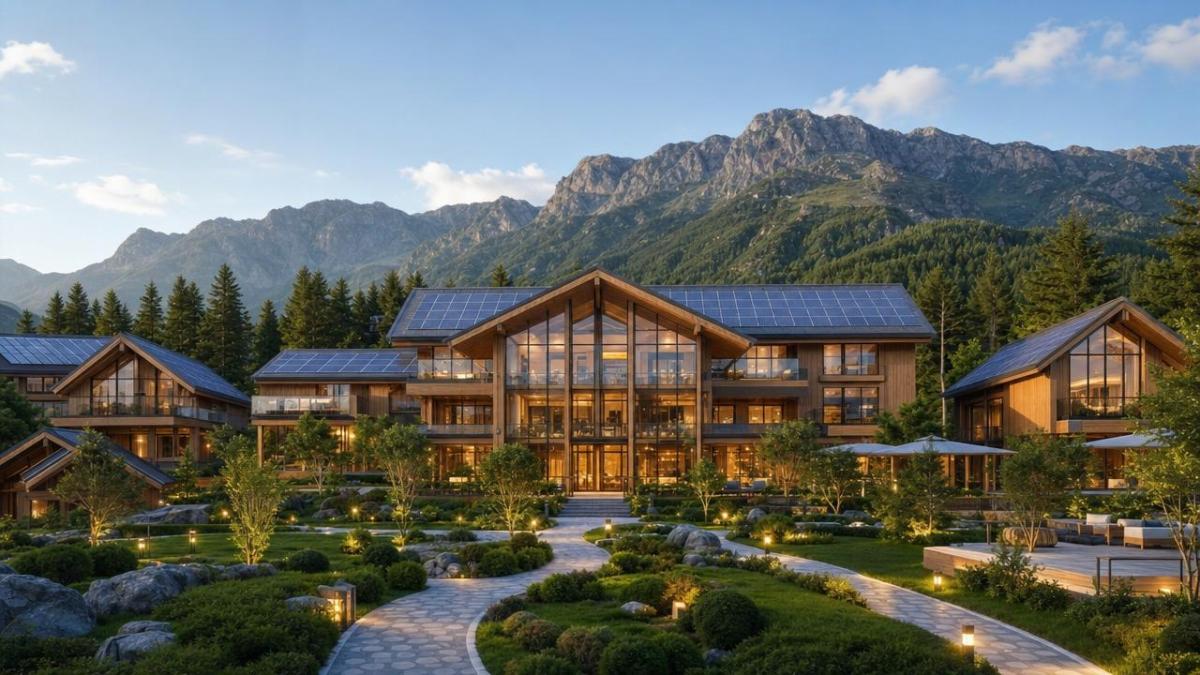
A mountain cabin may lose money through poor insulation.
A coastal resort may struggle more with humidity control and ventilation loads.
An urban smart-stay often wastes energy through lighting, hot water circulation, and unmanaged room conditioning.
The best eco lodging strategy begins with scenario diagnosis.
That means identifying where energy loss actually occurs and which fixes preserve guest comfort fastest.
Scenario 1: Remote cabins and glamping sites with unstable energy supply
Remote eco lodging projects often pay the highest effective energy costs.
Grid connection can be weak, backup fuel expensive, and maintenance visits infrequent.
In this scenario, the building envelope is the first profit lever.
High-R insulation, airtight joints, thermal break framing, and low-e glazing reduce heating and cooling demand before equipment runs.
Comfort improves because indoor temperatures fluctuate less during peak outdoor swings.
Heat pump water heaters and variable-speed mini-splits also outperform resistance systems in most climates.
Battery-ready solar systems can lower generator dependence, especially during shoulder seasons.
Key judgment points include shell leakage rate, panel thermal resistance, solar exposure, storage capacity, and water heating profile.
Scenario 2: Boutique hotels where guest comfort expectations are high
Boutique eco lodging cannot afford visible trade-offs.
If rooms feel stuffy, dim, or slow to heat, savings disappear through poor reviews and lower repeat bookings.
Here, intelligent controls matter more than drastic restrictions.
Occupancy sensors, key-card logic, zoned HVAC, and demand-based ventilation cut waste in empty rooms.
At the same time, guests still enter a room that feels stable and responsive.
High-efficiency ERV systems help preserve fresh air without overloading heating or cooling equipment.
Smart shading also lowers solar gain while supporting daylight quality and visual comfort.
The practical question is not whether technology exists.
It is whether devices integrate cleanly with operations and produce verified savings.
Scenario 3: Large resorts with shared infrastructure and complex load patterns
Large eco lodging sites often lose money in central systems rather than guestrooms.
Pools, spas, laundry, kitchens, circulation areas, and chilled water loops can dominate energy use.
In this scenario, submetering becomes essential.
Without load separation, operators cannot see whether losses come from HVAC, hot water, pumps, or process equipment.
Heat recovery from laundry or cooling systems can offset domestic hot water demand.
Variable frequency drives on pumps and fans also deliver strong returns in partial-load conditions.
The best eco lodging assets treat infrastructure as a controllable network, not a collection of isolated machines.
How energy-saving priorities differ by eco lodging setting
What infrastructure choices usually protect both savings and comfort
Across nearly every eco lodging format, several upgrades repeatedly show balanced results.
- Prioritize envelope testing before adding more mechanical capacity.
- Use inverter-driven HVAC for partial-load efficiency and steadier room conditions.
- Select low-flow fixtures that maintain pressure and user comfort.
- Adopt LED lighting with warm color quality and layered scene control.
- Install energy monitoring at zone level, not only whole-building level.
- Automate ventilation based on occupancy, humidity, or CO2 conditions.
- Choose materials with proven thermal durability, not only sustainability claims.
These actions lower lifecycle cost because they reduce demand first, then optimize supply.
That order matters for eco lodging economics.
Common misjudgments that make eco lodging more expensive
One frequent mistake is treating renewable energy as the first fix.
If the shell leaks or controls fail, solar generation only masks poor efficiency.
Another misjudgment is buying oversized HVAC equipment.
Oversizing often causes short cycling, unstable humidity, and higher maintenance.
Some projects also confuse rustic aesthetics with low-performance construction.
Guests may accept natural finishes, but they rarely tolerate thermal discomfort or hot water inconsistency.
A final blind spot is missing verification.
Without benchmark data, claimed eco lodging savings remain assumptions rather than operating facts.
How to evaluate eco lodging upgrades before capital is committed
A practical decision path helps avoid cosmetic sustainability spending.
- Measure current loads by room type, climate exposure, and occupancy pattern.
- Test the building envelope, ventilation rates, and hot water performance.
- Model savings from demand reduction before generation investments.
- Check whether smart systems integrate with existing hospitality operations.
- Compare payback alongside comfort metrics, maintenance burden, and replacement cycles.
This is where benchmark-focused organizations add value.
TerraVista Metrics supports the industry by translating hardware claims into engineering evidence.
That includes thermal efficiency for prefab lodging, network performance for hotel systems, and material endurance under tourism use.
Next-step actions for lower-cost, higher-comfort eco lodging
The most successful eco lodging strategy is not about less comfort.
It is about better measurement, better fit, and better infrastructure sequencing.
Start with the scenario your property actually faces.
Then identify the dominant energy leak, the guest comfort threshold, and the fastest verifiable upgrade.
For eco lodging investments, precision beats slogans every time.
Projects that benchmark thermal durability, systems integration, and real operating loads can cut energy costs without sacrificing the experience travelers expect.
That is the path to stronger margins, resilient assets, and credible sustainability performance.
Recommended News
 Oct 20, 2026How to Evaluate Campground Equipment for Heavy Use and Outdoor ExposureCampground tourism equipment evaluation made practical: assess durability, weather resistance, safety, and lifecycle costs to choose equipment built for heavy use. Explore the guide.
 Oct 29, 2026Does Recycled Plastic Furniture Last in Strong Coastal Sunlight?Does recycled plastic furniture last in strong coastal sunlight? Discover how UV protection, heat resistance, and coastal hardware affect durability—and what to check before buying.
 Oct 25, 2026Can an Eco Lodge Operate Reliably Off-Grid?Can an eco lodge operate reliably off-grid? Discover how solar, batteries, safe water, and backup planning protect guest comfort—and what to check before investing.
 Sep 21, 2026What Do Eco-Lodging Standards Cost, From Certification Fees to Compliance Upgrades?Eco lodging standards cost explained: compare certification fees, compliance upgrades, documentation, and operational investments to budget smarter and avoid costly rework.
 Aug 30, 2026How to Choose Marine-Grade Camping Equipment for Saltwater and Coastal ConditionsMarine grade camping equipment guide for coastal trips: compare salt-resistant materials, wind-ready shelters, protected electronics, and maintenance tips for reliable adventures.
 Aug 01, 2026Technical Procurement for Camping Gear: How to Evaluate Specs, Durability, and Supplier FitTechnical procurement for camping gear starts with the real use case. Learn how to assess specs, durability, test reports, and supplier fit to reduce risk and improve ROI.
 Jul 14, 2026SABER V3.2 Adds Carbon Footprint Filing for Premium CampingSABER V3.2 adds carbon footprint filing for Premium Camping in Saudi Arabia. Learn the ISO 14067 PCoC rule, key dates, supplier impact, and how to avoid compliance delays.
 Jul 10, 2026Europe Brings Forward Q3 Premium Camping OrdersEurope Brings Forward Q3 Premium Camping Orders: European retailers moved premium camping procurement deadlines nearly a month earlier. See affected categories, supplier lead-time risks, and FOB cost checks now.
 Jul 10, 2026How to Choose Corrosion Resistant Hotel Furniture for Coastal and Poolside AreasCorrosion resistant hotel furniture buying guide for coastal and poolside areas: compare materials, finishes, test data, and lifecycle value to choose durable, guest-ready outdoor pieces.
 Jul 04, 2026Scenic Slide Systems Cost Breakdown: What Drives Budget in Park and Resort Projects?Scenic slide systems cost explained for park and resort projects. Discover key budget drivers, hidden risks, and smart ways to compare suppliers before costs escalate.
 Jul 02, 2026How to Choose Anti Mildew Resort Furniture for Coastal and High-Humidity ProjectsAnti mildew resort furniture for coastal and high-humidity projects: learn how to compare materials, drainage, corrosion resistance, and lifecycle value for smarter resort sourcing.
 Jul 01, 2026How to Choose High-Durability Trekking Gear for Mountain Use: Materials, Weight, and Weather ProtectionHigh-durability trekking gear for mountain use: learn how to compare materials, weight, and weather protection to choose safer, longer-lasting gear for demanding trails.
 Jun 30, 2026Vietnam Lifts Import Pause but Adds Blockchain Label CheckVietnam lifts the import pause on premium camping goods, but new blockchain label checks and TV-MARK code rules now shape customs clearance. Learn the compliance risks and next steps.
 Jun 29, 2026Vietnam Halts China Premium Camping Imports Over Label ChecksVietnam Halts China Premium Camping Imports over label checks, disrupting customs clearance for lighting and power products. Learn the compliance risks, shipment impact, and what buyers and exporters should review now.
 Jun 29, 2026Eco Resort Development Cost Breakdown: What Drives Budget from Land to OperationsEco resort development cost explained from land and permits to prefab, utilities, and operations. Discover what really drives budget risk and how to plan smarter before approval.
 Jun 28, 2026Vietnam to Enforce QCVN 101:2026 Camping Lighting LabelsVietnam to Enforce QCVN 101:2026 Camping Lighting Labels from August 1, 2026. Learn labeling, VILAS test report, and compliance risks for LED and solar camping lights.
 Jun 28, 2026How to Choose Durable Camping Stoves for Frequent Outdoor Use and Harsh WeatherDurable camping stoves buying guide: learn how to compare materials, wind performance, fuel systems, and serviceability for reliable cooking in harsh weather and frequent outdoor use.
 Jun 27, 2026Vietnam Expands QCVN 16:2026 to Premium Camping DevicesVietnam QCVN 16:2026 expands to Premium Camping devices from Sept 1, 2026. Learn customs, labeling, certification, and procurement impacts for compliant market access.
 Jun 26, 2026Vietnam Mandates QCVN 16:2026 Labels for Premium Camping ImportsVietnam Mandates QCVN 16:2026 Labels for Premium Camping imports from Oct. 1, 2026. Learn how the new rule impacts customs clearance, compliance, suppliers, and delivery planning.
 Jun 26, 2026Pet Carrier Backpacks: How to Choose the Right Size, Ventilation, and Load SupportPetcarrierbackpacks buying guide: learn how to choose the right size, ventilation, and load support for safer, more comfortable pet travel, commuting, and outdoor use.
 Jun 26, 2026How to Read a Durable Camping Equipment Insulation Rating Before You BuyLearn how to read a durable camping equipment insulation rating before you buy, so you can choose warmer, longer-lasting gear with confidence.
 Jun 25, 2026BITE 2025 Puts Premium Camping Orders in FocusBITE 2025 spotlights premium camping orders as Southeast Asian buyers target tent units and modular bathroom cabins with ISO 21930 and ASEAN green materials compliance in focus.
 Jun 24, 2026Fujia Expands Vietnam Output for Premium CampingFujia Expands Vietnam Output for Premium Camping, investing CNY 378 million to boost localized delivery, ease tariff pressure, and strengthen VAT compliance for global buyers.
 Jun 19, 2026ASX 200 Falls 1% as Premium Camping Faces Supply ShiftPremium Camping demand is shifting as the ASX 200 falls 1%. See how Australian retailers favor certified Chinese camping gear, reshaping sourcing, costs, and payment terms.
{item.publish_time}{item.title}{item.description}Quarterly Executive Summaries Delivered Directly.
Join 50,000+ industry leaders who receive our proprietary market analysis and policy outlooks before they hit the public library.