Search News
TerraVista Metrics (TVM)Industry Portal
TerraVista Metrics (TVM)Hot Articles
TerraVista Metrics (TVM)- Choosing Prefab Cabin Suppliers: Quality, Lead Times and Delivery CostsCompare prefab cabin suppliers on quality, lead times, compliance, and total delivery costs. Learn what to verify before you buy and avoid costly surprises.
- Choosing an Amusement Equipment Testing Agency: Accreditation and ScopeChoosing an amusement equipment testing agency? Learn how to verify accreditation, assess technical scope, and compare reports before you commit.
- Global Temporary Buildings Market Forecast to Reach $5.88 Billion by 2032Global temporary buildings market is forecast to reach $5.88 billion by 2032. Explore the modular, reusable and rapid-assembly trends driving growth.
Popular Tags
TerraVista Metrics (TVM)Industry NewsPrefab Glamping Designs That Fail in Harsh Climate Conditions
auth.Dr. Hideo Tanaka (Outdoor Gear Engineering Lead)Time
Nov 07, 2026Click Count
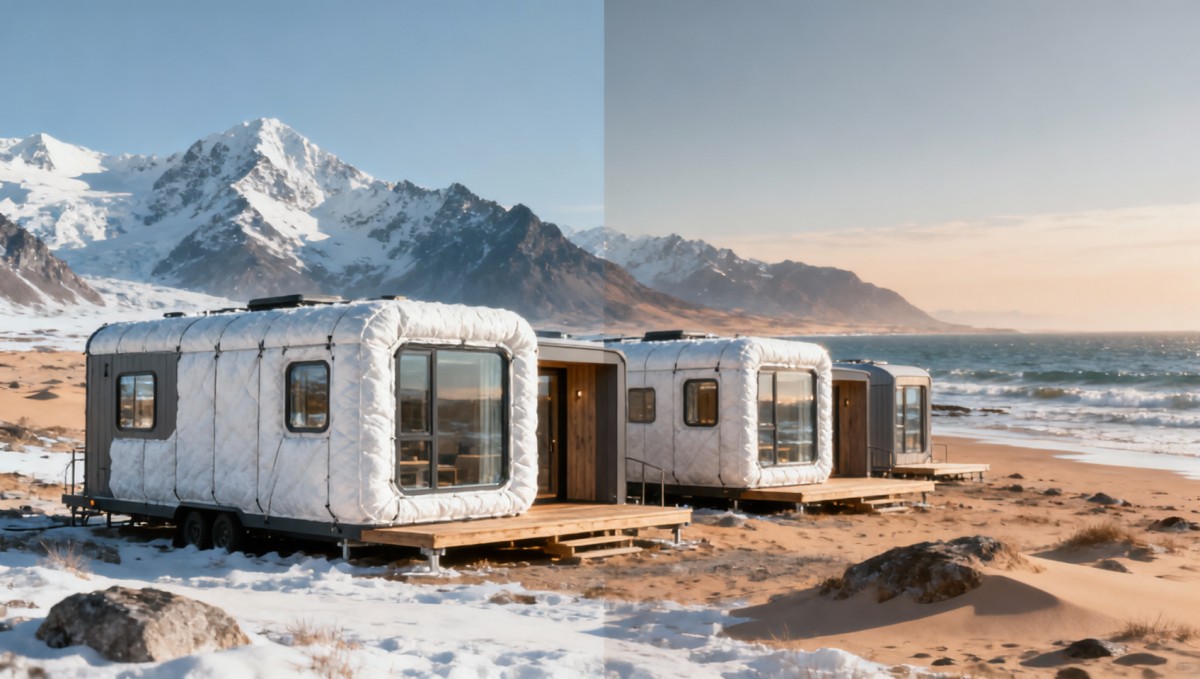
In harsh environments, prefab glamping can fail where aesthetics once looked convincing. For tourism architects, procurement teams, and hospitality benchmarking professionals, real risk lies in thermal loss, structural fatigue, and poor systems integration. This article examines why certain prefab glamping designs underperform in extreme climates and how data-led evaluation supports smarter sourcing across smart hotel IoT, amusement hardware, and resilient tourism infrastructure.
Why do prefab glamping designs fail first in harsh climate projects?

A prefab glamping unit may look premium in a showroom yet underperform within 1–2 seasonal cycles when deployed in alpine zones, desert sites, coastal wind corridors, or high-humidity forest destinations. The failure is rarely caused by a single defect. More often, it comes from a mismatch between design assumptions and site conditions, especially when suppliers optimize for visual appeal rather than climate-resilient engineering.
For information researchers and procurement teams, the first issue is that many prefab glamping proposals describe finishes, layout, and brand storytelling, but provide limited hard data on U-values, condensation control, corrosion resistance, or structural movement tolerance. In severe climates, those missing metrics directly affect operating cost, guest comfort, maintenance frequency, and even insurance discussions.
In tourism infrastructure, failure also extends beyond the cabin shell. A glamping asset must work as part of a broader hospitality system that may include smart hotel IoT, energy controls, water treatment, security devices, and access management. When prefab glamping designs are specified without integration planning, operators face repeated service interruptions, inconsistent room performance, and higher labor dependency during peak occupancy.
This is where TerraVista Metrics (TVM) creates procurement value. Instead of relying on aesthetic claims, TVM evaluates measurable inputs such as thermal retention behavior, material fatigue exposure, and interface compatibility. For developers comparing Chinese manufacturing options, that benchmarking process acts as a structural filter, reducing uncertainty before capital commitment.
The 4 most common climate-related failure modes
- Thermal envelope weakness: insulation layers may be thin, discontinuous, or interrupted at joints, creating heat loss in cold zones and excessive heat gain in hot zones.
- Moisture and condensation damage: poor vapor control can cause hidden mold, swollen interior panels, and reduced service life in 6–18 months.
- Structural fatigue under wind, snow, or transport stress: repeated loading can loosen connections, distort doors and windows, and increase leakage points.
- Systems mismatch: HVAC, controls, and electrical loads are often undersized or poorly integrated for remote tourism operations.
A practical takeaway is simple: harsh climate performance should be evaluated as a system, not as a product brochure. Procurement teams should request at least 5 core data categories before shortlisting suppliers: envelope performance, structural loading assumptions, corrosion strategy, utility integration logic, and maintenance access design. Without those inputs, the risk of post-installation correction rises sharply.
Which technical weaknesses matter most in cold, hot, humid, and windy destinations?
Not every harsh climate stresses prefab glamping in the same way. A mountain resort with sub-zero nights and snow loading will challenge insulation continuity and roof load management. A desert eco-camp may instead expose failures in solar gain control, UV resistance, and cooling efficiency. Coastal and tropical projects add salt corrosion, wind uplift, and high-moisture detailing to the procurement checklist.
That is why procurement decisions should separate climatic categories instead of using one generic specification. In many tenders, the same prefab glamping model is quoted for 3–4 destination types with only cosmetic adjustments. This may reduce quoting time, but it increases lifecycle risk. A technically valid sourcing process should match materials, assembly methods, and systems design to the actual environmental load profile.
The table below shows how failure mechanisms differ by environment and what buyers should ask suppliers to document. These are not fixed universal thresholds, but they reflect common evaluation logic used in tourism infrastructure planning.
The main lesson is that prefab glamping designs should be climate-tuned, not just “upgraded” after the fact. If a supplier cannot explain how one model changes between coastal, mountain, and inland hot-climate projects, buyers should assume the proposal is still at brochure level. TVM helps convert those vague claims into measurable comparison criteria.
Where technical reviews often stop too early
Many commercial reviews focus only on wall thickness, visible finishes, and nominal insulation material. That is not enough. Performance in harsh climates depends heavily on joint design, fastening method, transport-induced deformation, window perimeter sealing, and service penetrations. Even a well-insulated panel can fail if connectors create uncontrolled thermal bridges or if moisture paths are not managed.
TVM’s benchmarking approach is useful because it reads across disciplines. The same analytical mindset applied to smart hotel IoT throughput and amusement hardware fatigue also applies to prefab glamping. Buyers need cross-system logic: if the cabin envelope performs well but controls, power distribution, or sensor integration fail in remote weather conditions, the tourism asset still underdelivers.
Three technical questions that quickly expose weak proposals
- What climate load assumptions were used for wind, snow, humidity, and daily temperature swing?
- How are joints, corners, glazing interfaces, and roof penetrations detailed to manage leakage and thermal interruption?
- What maintenance cycle is expected in years 1–3, and which components are designed for field replacement?
How should procurement teams compare prefab glamping options beyond appearance?
For procurement personnel, the challenge is rarely finding suppliers. The challenge is building a comparison method that survives internal review, budget pressure, and long-term operations. A lower initial quote may hide added HVAC demand, higher maintenance frequency, or retrofit costs within 12–24 months. A stronger selection framework should compare technical durability, integration readiness, and lifecycle exposure together.
In B2B tourism sourcing, at least 6 decision dimensions should be scored in parallel: structural resilience, thermal efficiency, moisture management, utility compatibility, compliance documentation, and serviceability. Distributors and project evaluators should also check how easily the unit can be adapted for local code requirements, transport restrictions, and destination branding without changing core engineering integrity.
The comparison table below is designed for practical bid review. It helps decision-makers move from visual preference to measurable procurement logic when comparing prefab glamping designs intended for harsh climate deployment.
This type of comparison framework matters because harsh climate projects punish ambiguity. When documentation is weak, buyers inherit hidden engineering decisions. TVM reduces that problem by turning fragmented supplier inputs into benchmarkable review materials, including whitepaper-style summaries that help procurement teams align technical and commercial stakeholders faster.
A practical 4-step sourcing workflow
- Step 1: Define the destination load profile, including expected temperature range, humidity behavior, wind exposure, and occupancy pattern.
- Step 2: Screen suppliers using 6–8 technical evidence points rather than catalog images alone.
- Step 3: Review systems integration, especially HVAC controls, energy use logic, and smart hotel IoT compatibility.
- Step 4: Validate lifecycle assumptions for maintenance intervals, spare parts access, and field repair procedures.
For distributors and regional agents, this process also improves channel credibility. It allows you to present a climate-appropriate product strategy to destination owners instead of competing only on price. That positioning becomes especially important in tourism markets where sustainability claims, carbon compliance expectations, and technical procurement audits are becoming stricter.
What standards, compliance checks, and implementation details should not be ignored?
Harsh climate procurement is not only an engineering issue; it is also a documentation and compliance issue. Depending on project location, developers may need to align with local building rules, fire performance expectations, electrical safety requirements, insulation practices, and carbon reporting frameworks. A prefab glamping unit that looks market-ready can still create delays if compliance mapping begins too late in the procurement cycle.
Buyers should avoid assuming that “export-ready” means “site-ready.” In practice, there may be 3 layers of validation: product-level technical documentation, destination-specific code alignment, and system-level commissioning for utilities and controls. For remote resorts, implementation details such as crane access, foundation tolerance, module connection sequencing, and weather-window planning can affect delivery by 2–6 weeks.
The checklist below summarizes the compliance and implementation areas that frequently shape project risk in prefab glamping deployments. These are especially relevant when the unit must interact with smart hospitality infrastructure rather than operate as a standalone shelter.
Critical compliance and execution checklist
- Structural documentation: confirm the design basis for wind, snow, transport stress, anchoring, and foundation interface tolerance.
- Envelope and fire review: verify material layer descriptions, sealant compatibility, insulation logic, and relevant fire-performance statements where required.
- Electrical and controls planning: map power demand, sensor points, access control, occupancy logic, and remote fault visibility.
- Moisture and corrosion strategy: define inspection intervals, drainage detailing, ventilation paths, and replacement schedules for vulnerable components.
- Site implementation plan: review transport dimensions, lifting points, installation sequence, and expected commissioning duration over 3–7 days per unit where applicable.
TVM’s role is valuable here because compliance questions often sit between supplier marketing and engineering reality. By translating manufacturing data into structured evaluation documents, TVM helps procurement and business assessment teams identify where additional evidence is needed before PO issuance. That prevents costly re-interpretation late in the project.
Common misconceptions that lead to costly mistakes
One common misconception is that thicker walls automatically mean better harsh climate performance. They do not if joints, windows, and penetrations remain unresolved. Another is that off-grid or eco-positioned prefab glamping units are naturally suitable for extreme climates. Sustainability branding does not replace engineering verification. A third misconception is that aftermarket HVAC upgrades can fix envelope defects. In reality, poor envelope design often creates comfort instability and energy waste that mechanical equipment cannot fully correct.
A more reliable approach is to review the unit as a tourism operating asset. Ask how it performs during peak occupancy, low-season shutdown, rapid weather change, and utility interruption. Those questions expose whether a cabin has been designed for real hospitality use or merely adapted from a generic modular structure.
FAQ and next-step guidance for buyers, evaluators, and channel partners
For teams researching prefab glamping designs that fail in harsh climate conditions, the final decision usually comes down to evidence, not promises. The questions below reflect common search intent from procurement leads, commercial evaluators, and distributors handling tourism infrastructure opportunities across multiple regions.
How do I know if a prefab glamping unit is suitable for extreme cold or heat?
Ask for climate-specific technical logic, not a general catalog. At minimum, review the envelope build-up, glazing approach, HVAC sizing basis, moisture control method, and design assumptions for the target temperature band. If a supplier cannot explain how the same unit behaves at, for example, sub-zero nights versus 35°C+ daytime exposure, the proposal is not yet procurement-ready.
What should procurement teams prioritize first: price, insulation, or structure?
Start with site load profile and operating model, then evaluate structure, envelope, and systems together. A low purchase price can become expensive if the unit requires higher energy use, more frequent seal replacement, or corrective work after the first wet or windy season. In most tourism projects, the right priority order is resilience, operability, integration, then commercial optimization.
How long does technical evaluation usually take?
For a focused sourcing process, initial technical screening can often be completed in 7–15 business days if supplier data is organized. A deeper comparison involving multiple vendors, compliance review, and systems integration mapping may take 2–4 weeks. The more remote or climate-exposed the site, the more important that early evaluation window becomes.
Why is systems integration relevant to prefab glamping?
Because modern hospitality assets are not isolated boxes. They rely on access systems, occupancy controls, energy monitoring, sensors, hot water logic, and sometimes smart hotel IoT networks. If prefab glamping designs are selected without interface planning, operators face inconsistent guest experience, fragmented maintenance, and weaker data visibility across the destination.
Why choose TVM when comparing suppliers or preparing a sourcing shortlist?
TVM helps buyers move from marketing language to engineering evidence. Our work focuses on measurable infrastructure performance across tourism hardware categories, from prefab glamping units to smart hotel IoT and amusement hardware. If you need support with parameter confirmation, product selection, delivery-cycle assessment, customization feasibility, compliance mapping, sample evaluation, or quotation comparison, TVM can help structure the decision before costly commitments are made.
Contact TVM when your team needs a more rigorous basis for comparison: climate-fit specification review, supplier documentation screening, integration risk analysis, whitepaper-style benchmark interpretation, or procurement support for cross-border tourism infrastructure sourcing. That conversation is especially valuable when project timelines are tight, destination conditions are severe, or internal stakeholders need a defensible technical rationale for vendor selection.
Recommended News
 Oct 20, 2026How to Evaluate Campground Equipment for Heavy Use and Outdoor ExposureCampground tourism equipment evaluation made practical: assess durability, weather resistance, safety, and lifecycle costs to choose equipment built for heavy use. Explore the guide.
 Oct 29, 2026Does Recycled Plastic Furniture Last in Strong Coastal Sunlight?Does recycled plastic furniture last in strong coastal sunlight? Discover how UV protection, heat resistance, and coastal hardware affect durability—and what to check before buying.
 Oct 25, 2026Can an Eco Lodge Operate Reliably Off-Grid?Can an eco lodge operate reliably off-grid? Discover how solar, batteries, safe water, and backup planning protect guest comfort—and what to check before investing.
 Sep 21, 2026What Do Eco-Lodging Standards Cost, From Certification Fees to Compliance Upgrades?Eco lodging standards cost explained: compare certification fees, compliance upgrades, documentation, and operational investments to budget smarter and avoid costly rework.
 Aug 30, 2026How to Choose Marine-Grade Camping Equipment for Saltwater and Coastal ConditionsMarine grade camping equipment guide for coastal trips: compare salt-resistant materials, wind-ready shelters, protected electronics, and maintenance tips for reliable adventures.
 Aug 01, 2026Technical Procurement for Camping Gear: How to Evaluate Specs, Durability, and Supplier FitTechnical procurement for camping gear starts with the real use case. Learn how to assess specs, durability, test reports, and supplier fit to reduce risk and improve ROI.
 Jul 14, 2026SABER V3.2 Adds Carbon Footprint Filing for Premium CampingSABER V3.2 adds carbon footprint filing for Premium Camping in Saudi Arabia. Learn the ISO 14067 PCoC rule, key dates, supplier impact, and how to avoid compliance delays.
 Jul 10, 2026Europe Brings Forward Q3 Premium Camping OrdersEurope Brings Forward Q3 Premium Camping Orders: European retailers moved premium camping procurement deadlines nearly a month earlier. See affected categories, supplier lead-time risks, and FOB cost checks now.
 Jul 10, 2026How to Choose Corrosion Resistant Hotel Furniture for Coastal and Poolside AreasCorrosion resistant hotel furniture buying guide for coastal and poolside areas: compare materials, finishes, test data, and lifecycle value to choose durable, guest-ready outdoor pieces.
 Jul 04, 2026Scenic Slide Systems Cost Breakdown: What Drives Budget in Park and Resort Projects?Scenic slide systems cost explained for park and resort projects. Discover key budget drivers, hidden risks, and smart ways to compare suppliers before costs escalate.
 Jul 02, 2026How to Choose Anti Mildew Resort Furniture for Coastal and High-Humidity ProjectsAnti mildew resort furniture for coastal and high-humidity projects: learn how to compare materials, drainage, corrosion resistance, and lifecycle value for smarter resort sourcing.
 Jul 01, 2026How to Choose High-Durability Trekking Gear for Mountain Use: Materials, Weight, and Weather ProtectionHigh-durability trekking gear for mountain use: learn how to compare materials, weight, and weather protection to choose safer, longer-lasting gear for demanding trails.
 Jun 30, 2026Vietnam Lifts Import Pause but Adds Blockchain Label CheckVietnam lifts the import pause on premium camping goods, but new blockchain label checks and TV-MARK code rules now shape customs clearance. Learn the compliance risks and next steps.
 Jun 29, 2026Vietnam Halts China Premium Camping Imports Over Label ChecksVietnam Halts China Premium Camping Imports over label checks, disrupting customs clearance for lighting and power products. Learn the compliance risks, shipment impact, and what buyers and exporters should review now.
 Jun 29, 2026Eco Resort Development Cost Breakdown: What Drives Budget from Land to OperationsEco resort development cost explained from land and permits to prefab, utilities, and operations. Discover what really drives budget risk and how to plan smarter before approval.
 Jun 28, 2026Vietnam to Enforce QCVN 101:2026 Camping Lighting LabelsVietnam to Enforce QCVN 101:2026 Camping Lighting Labels from August 1, 2026. Learn labeling, VILAS test report, and compliance risks for LED and solar camping lights.
 Jun 28, 2026How to Choose Durable Camping Stoves for Frequent Outdoor Use and Harsh WeatherDurable camping stoves buying guide: learn how to compare materials, wind performance, fuel systems, and serviceability for reliable cooking in harsh weather and frequent outdoor use.
 Jun 27, 2026Vietnam Expands QCVN 16:2026 to Premium Camping DevicesVietnam QCVN 16:2026 expands to Premium Camping devices from Sept 1, 2026. Learn customs, labeling, certification, and procurement impacts for compliant market access.
 Jun 26, 2026Vietnam Mandates QCVN 16:2026 Labels for Premium Camping ImportsVietnam Mandates QCVN 16:2026 Labels for Premium Camping imports from Oct. 1, 2026. Learn how the new rule impacts customs clearance, compliance, suppliers, and delivery planning.
 Jun 26, 2026Pet Carrier Backpacks: How to Choose the Right Size, Ventilation, and Load SupportPetcarrierbackpacks buying guide: learn how to choose the right size, ventilation, and load support for safer, more comfortable pet travel, commuting, and outdoor use.
 Jun 26, 2026How to Read a Durable Camping Equipment Insulation Rating Before You BuyLearn how to read a durable camping equipment insulation rating before you buy, so you can choose warmer, longer-lasting gear with confidence.
 Jun 25, 2026BITE 2025 Puts Premium Camping Orders in FocusBITE 2025 spotlights premium camping orders as Southeast Asian buyers target tent units and modular bathroom cabins with ISO 21930 and ASEAN green materials compliance in focus.
 Jun 24, 2026Fujia Expands Vietnam Output for Premium CampingFujia Expands Vietnam Output for Premium Camping, investing CNY 378 million to boost localized delivery, ease tariff pressure, and strengthen VAT compliance for global buyers.
 Jun 19, 2026ASX 200 Falls 1% as Premium Camping Faces Supply ShiftPremium Camping demand is shifting as the ASX 200 falls 1%. See how Australian retailers favor certified Chinese camping gear, reshaping sourcing, costs, and payment terms.
{item.publish_time}{item.title}{item.description}Quarterly Executive Summaries Delivered Directly.
Join 50,000+ industry leaders who receive our proprietary market analysis and policy outlooks before they hit the public library.