Search News
TerraVista Metrics (TVM)Industry Portal
TerraVista Metrics (TVM)Hot Articles
TerraVista Metrics (TVM)- Cableway Station Spacing: How Terrain and Capacity Shape the DistanceExplore cableway systems station spacing and learn how terrain, passenger capacity and safety shape practical, route-specific design decisions.
- What Is an Industry Insights Data Model? Key Components and UsesDiscover how an industry insights data model connects market data, improves comparisons, and supports smarter benchmarking and procurement decisions.
- Vingcard Deploys MENA’s First Native Wallet Hotel Keys in EgyptVingcard and Hudini bring native wallet hotel keys to three Egypt resorts. Discover what app-free access could mean for hotel buyers and suppliers.
Popular Tags
TerraVista Metrics (TVM)Industry NewsUS CPSC Enforces UL 991 Labeling for Outdoor ESS from Apr 15, 2026
auth.Dr. Hideo Tanaka (Outdoor Gear Engineering Lead)Time
Nov 16, 2026Click Count
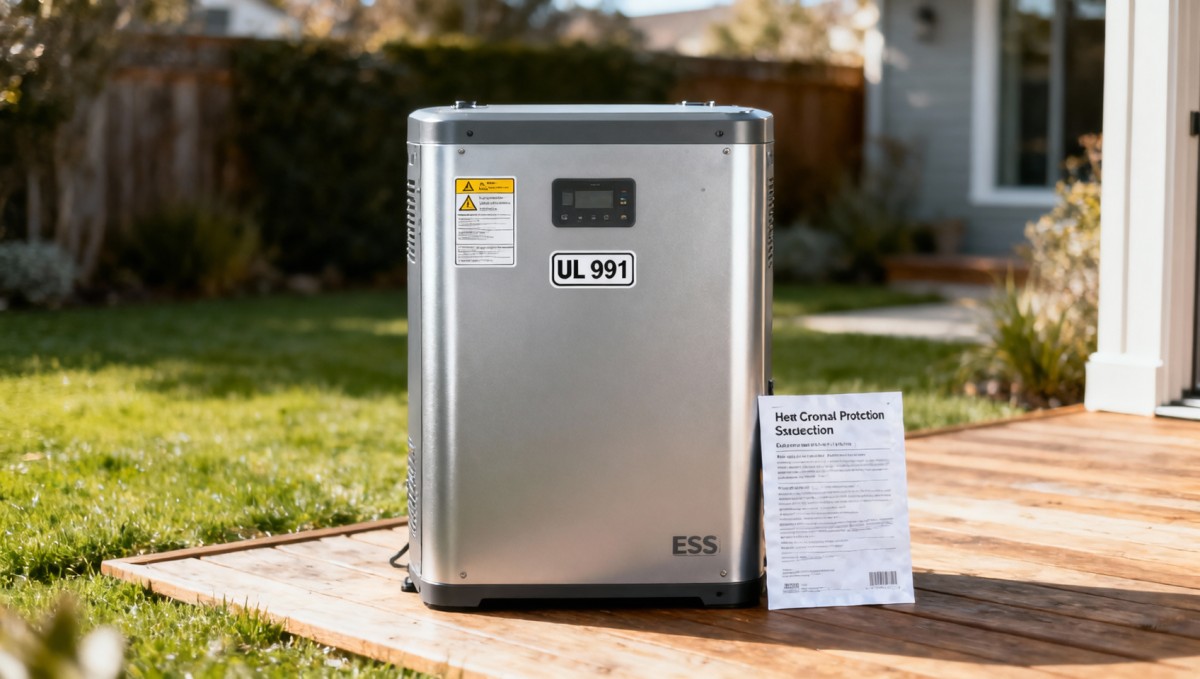
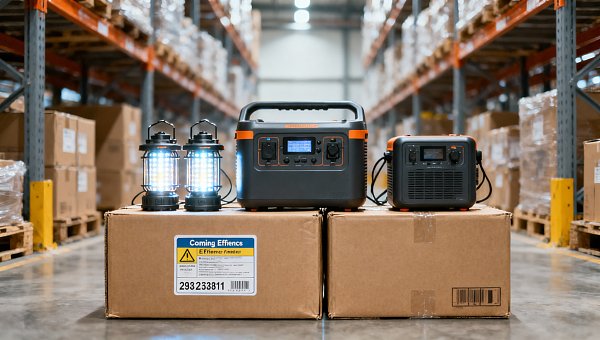
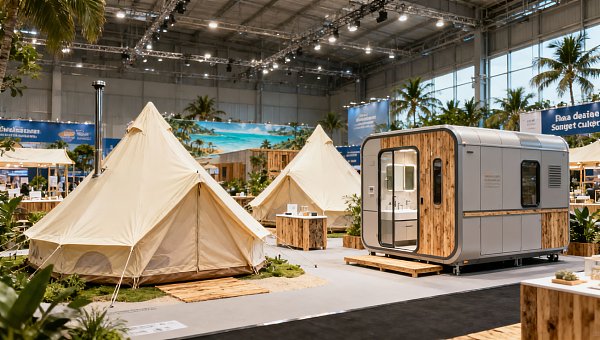
On April 10, 2026, the U.S. Consumer Product Safety Commission (CPSC) issued an emergency notice mandating UL 991 labeling and English-language thermal runaway prevention instructions for all outdoor energy storage systems (ESS) entering the U.S. market as of April 15, 2026 — impacting manufacturers, exporters, and distributors of glamping tent power pods, premium camping mobile energy stations, and RV-integrated storage units.
Event Overview
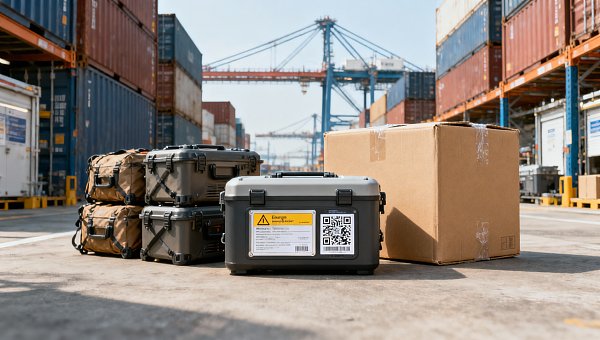
The U.S. CPSC published an emergency notice on April 10, 2026, requiring that all outdoor energy storage systems imported into the United States on or after April 15, 2026, must bear a UL 991 safety label and include an English-language thermal runaway prevention manual. Products failing to meet this requirement will be detained and rejected at U.S. ports of entry by the FDA (acting under delegated authority for consumer product admissibility). Exporters in Shenzhen, Ningbo, and other manufacturing hubs report that U.S. buyers have suspended new orders pending submission of UL 991 witnessed test reports.
Industries Affected
Direct Trading Enterprises
Export-oriented trading companies handling outdoor ESS shipments to the U.S. face immediate compliance risk. Non-compliant units will be intercepted at U.S. ports — triggering shipment delays, return costs, and potential contract penalties. The requirement applies regardless of whether the product is branded, private-labeled, or OEM-sourced.
Manufacturing Enterprises
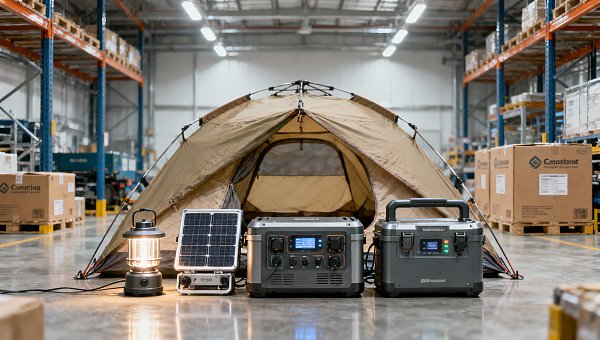
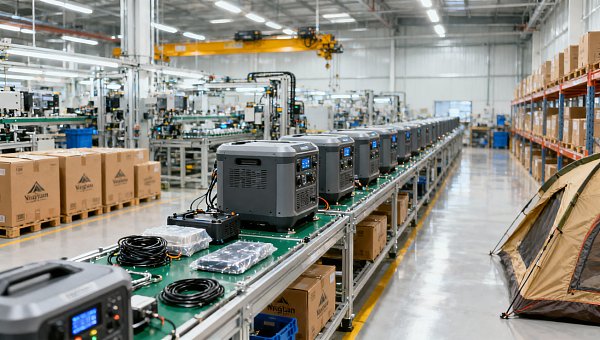
Factories producing glamping tent integrated power cabins, mobile camping energy stations, and RV-mounted storage units must now integrate UL 991 labeling into packaging, unit marking, and documentation workflows. Unlike voluntary certification, this is a mandatory import condition — meaning production lines may need retooling for label placement and manual insertion before shipment.
Supply Chain & Logistics Service Providers
Cargo agents, customs brokers, and freight forwarders handling U.S.-bound outdoor ESS shipments must verify label presence and manual inclusion prior to clearance submission. Port detention due to missing UL 991 elements constitutes a documented non-conformance — potentially affecting future cargo release timelines and carrier liability assessments.
What Relevant Enterprises Should Monitor and Do Now
Track official CPSC guidance updates and enforcement clarifications
The April 10 notice is labeled “emergency” — indicating possible follow-up FAQs, scope definitions (e.g., whether battery-only modules fall under the rule), or transition allowances. Enterprises should monitor the CPSC website and U.S. Federal Register for amendments or interpretive bulletins issued before and after April 15, 2026.
Confirm applicability for specific product categories and configurations
Not all portable power banks or DC-coupled solar kits are covered — only those explicitly classified as outdoor ESS per CPSC’s definition: including Glamping Tents with integrated power cabins, Premium Camping mobile energy stations, and RV Components with onboard storage units. Companies should cross-check product descriptions, marketing materials, and technical specs against the notice’s enumerated examples.
Distinguish between regulatory signal and operational readiness
The notice sets a hard deadline (April 15, 2026), but enforcement granularity — such as sampling frequency, label verification depth (e.g., legibility, substrate durability), or manual content review criteria — remains undefined. Enterprises should treat current requirements as baseline, not final, and prepare for possible tightening in subsequent inspections.
Prepare documentation and labeling workflows ahead of shipment
UL 991 labeling is not equivalent to full UL 991 certification — it refers to application of the label following witnessed testing. Suppliers should coordinate with accredited labs offering UL 991 witnessed test services and ensure labels are applied pre-shipment (not affixed post-arrival). English manuals must accompany each unit — digital-only versions do not satisfy the requirement per current wording.
Editorial Observation / Industry Perspective
From an industry perspective, this CPSC action is best understood as a regulatory escalation rather than a standalone policy shift. It signals intensified focus on thermal safety in consumer-facing portable energy hardware — particularly where lithium-based cells operate in uncontrolled outdoor environments. Analysis来看, the timing (just five days before enforcement) suggests urgency around recent incident data, though no public incident report was cited. Observation来看, the delegation of port enforcement to FDA — typically associated with food/drug imports — reflects inter-agency coordination for high-risk electronics, not a change in statutory authority. Current more appropriate interpretation is that this is both a near-term compliance checkpoint and a leading indicator of broader ESS safety harmonization efforts across North America.
This notice marks a concrete step toward standardized safety accountability for outdoor energy storage — shifting responsibility upstream to manufacturers and exporters. Its significance lies less in novelty and more in enforceability: unlike previous guidance, it carries explicit detention consequences and ties compliance to physical labeling and documentation shipped with every unit. For stakeholders, the priority is not speculation about future rules, but verifying alignment with the April 15 threshold — because non-compliance triggers immediate operational impact, not just reputational risk.
Source: U.S. Consumer Product Safety Commission (CPSC) Emergency Notice, issued April 10, 2026; field reports from export enterprises in Shenzhen and Ningbo (unverified beyond stated context); FDA port enforcement delegation framework (publicly documented under CPSC-FDA Memorandum of Understanding). Ongoing monitoring required for CPSC-issued clarifications regarding label specifications, manual content expectations, and scope exclusions.

Recommended News
 Oct 20, 2026How to Evaluate Campground Equipment for Heavy Use and Outdoor ExposureCampground tourism equipment evaluation made practical: assess durability, weather resistance, safety, and lifecycle costs to choose equipment built for heavy use. Explore the guide.
 Oct 29, 2026Does Recycled Plastic Furniture Last in Strong Coastal Sunlight?Does recycled plastic furniture last in strong coastal sunlight? Discover how UV protection, heat resistance, and coastal hardware affect durability—and what to check before buying.
 Oct 25, 2026Can an Eco Lodge Operate Reliably Off-Grid?Can an eco lodge operate reliably off-grid? Discover how solar, batteries, safe water, and backup planning protect guest comfort—and what to check before investing.
 Sep 21, 2026What Do Eco-Lodging Standards Cost, From Certification Fees to Compliance Upgrades?Eco lodging standards cost explained: compare certification fees, compliance upgrades, documentation, and operational investments to budget smarter and avoid costly rework.
 Aug 30, 2026How to Choose Marine-Grade Camping Equipment for Saltwater and Coastal ConditionsMarine grade camping equipment guide for coastal trips: compare salt-resistant materials, wind-ready shelters, protected electronics, and maintenance tips for reliable adventures.
 Aug 01, 2026Technical Procurement for Camping Gear: How to Evaluate Specs, Durability, and Supplier FitTechnical procurement for camping gear starts with the real use case. Learn how to assess specs, durability, test reports, and supplier fit to reduce risk and improve ROI.
 Jul 14, 2026SABER V3.2 Adds Carbon Footprint Filing for Premium CampingSABER V3.2 adds carbon footprint filing for Premium Camping in Saudi Arabia. Learn the ISO 14067 PCoC rule, key dates, supplier impact, and how to avoid compliance delays.
 Jul 10, 2026Europe Brings Forward Q3 Premium Camping OrdersEurope Brings Forward Q3 Premium Camping Orders: European retailers moved premium camping procurement deadlines nearly a month earlier. See affected categories, supplier lead-time risks, and FOB cost checks now.
 Jul 10, 2026How to Choose Corrosion Resistant Hotel Furniture for Coastal and Poolside AreasCorrosion resistant hotel furniture buying guide for coastal and poolside areas: compare materials, finishes, test data, and lifecycle value to choose durable, guest-ready outdoor pieces.
 Jul 04, 2026Scenic Slide Systems Cost Breakdown: What Drives Budget in Park and Resort Projects?Scenic slide systems cost explained for park and resort projects. Discover key budget drivers, hidden risks, and smart ways to compare suppliers before costs escalate.
 Jul 02, 2026How to Choose Anti Mildew Resort Furniture for Coastal and High-Humidity ProjectsAnti mildew resort furniture for coastal and high-humidity projects: learn how to compare materials, drainage, corrosion resistance, and lifecycle value for smarter resort sourcing.
 Jul 01, 2026How to Choose High-Durability Trekking Gear for Mountain Use: Materials, Weight, and Weather ProtectionHigh-durability trekking gear for mountain use: learn how to compare materials, weight, and weather protection to choose safer, longer-lasting gear for demanding trails.
 Jun 30, 2026Vietnam Lifts Import Pause but Adds Blockchain Label CheckVietnam lifts the import pause on premium camping goods, but new blockchain label checks and TV-MARK code rules now shape customs clearance. Learn the compliance risks and next steps.
 Jun 29, 2026Vietnam Halts China Premium Camping Imports Over Label ChecksVietnam Halts China Premium Camping Imports over label checks, disrupting customs clearance for lighting and power products. Learn the compliance risks, shipment impact, and what buyers and exporters should review now.
 Jun 29, 2026Eco Resort Development Cost Breakdown: What Drives Budget from Land to OperationsEco resort development cost explained from land and permits to prefab, utilities, and operations. Discover what really drives budget risk and how to plan smarter before approval.
 Jun 28, 2026Vietnam to Enforce QCVN 101:2026 Camping Lighting LabelsVietnam to Enforce QCVN 101:2026 Camping Lighting Labels from August 1, 2026. Learn labeling, VILAS test report, and compliance risks for LED and solar camping lights.
 Jun 28, 2026How to Choose Durable Camping Stoves for Frequent Outdoor Use and Harsh WeatherDurable camping stoves buying guide: learn how to compare materials, wind performance, fuel systems, and serviceability for reliable cooking in harsh weather and frequent outdoor use.
 Jun 27, 2026Vietnam Expands QCVN 16:2026 to Premium Camping DevicesVietnam QCVN 16:2026 expands to Premium Camping devices from Sept 1, 2026. Learn customs, labeling, certification, and procurement impacts for compliant market access.
 Jun 26, 2026Vietnam Mandates QCVN 16:2026 Labels for Premium Camping ImportsVietnam Mandates QCVN 16:2026 Labels for Premium Camping imports from Oct. 1, 2026. Learn how the new rule impacts customs clearance, compliance, suppliers, and delivery planning.
 Jun 26, 2026Pet Carrier Backpacks: How to Choose the Right Size, Ventilation, and Load SupportPetcarrierbackpacks buying guide: learn how to choose the right size, ventilation, and load support for safer, more comfortable pet travel, commuting, and outdoor use.
 Jun 26, 2026How to Read a Durable Camping Equipment Insulation Rating Before You BuyLearn how to read a durable camping equipment insulation rating before you buy, so you can choose warmer, longer-lasting gear with confidence.
 Jun 25, 2026BITE 2025 Puts Premium Camping Orders in FocusBITE 2025 spotlights premium camping orders as Southeast Asian buyers target tent units and modular bathroom cabins with ISO 21930 and ASEAN green materials compliance in focus.
 Jun 24, 2026Fujia Expands Vietnam Output for Premium CampingFujia Expands Vietnam Output for Premium Camping, investing CNY 378 million to boost localized delivery, ease tariff pressure, and strengthen VAT compliance for global buyers.
 Jun 19, 2026ASX 200 Falls 1% as Premium Camping Faces Supply ShiftPremium Camping demand is shifting as the ASX 200 falls 1%. See how Australian retailers favor certified Chinese camping gear, reshaping sourcing, costs, and payment terms.
{item.publish_time}{item.title}{item.description}Quarterly Executive Summaries Delivered Directly.
Join 50,000+ industry leaders who receive our proprietary market analysis and policy outlooks before they hit the public library.