Search News
TerraVista Metrics (TVM)Industry Portal
TerraVista Metrics (TVM)Hot Articles
TerraVista Metrics (TVM)- Choosing Prefab Cabin Suppliers: Quality, Lead Times and Delivery CostsCompare prefab cabin suppliers on quality, lead times, compliance, and total delivery costs. Learn what to verify before you buy and avoid costly surprises.
- Choosing an Amusement Equipment Testing Agency: Accreditation and ScopeChoosing an amusement equipment testing agency? Learn how to verify accreditation, assess technical scope, and compare reports before you commit.
- Global Temporary Buildings Market Forecast to Reach $5.88 Billion by 2032Global temporary buildings market is forecast to reach $5.88 billion by 2032. Explore the modular, reusable and rapid-assembly trends driving growth.
Popular Tags
TerraVista Metrics (TVM)Industry News5227802 steering pump: how to confirm SEM loader fitment
auth.Dr. Hideo Tanaka (Outdoor Gear Engineering Lead)Time
Nov 07, 2026Click Count
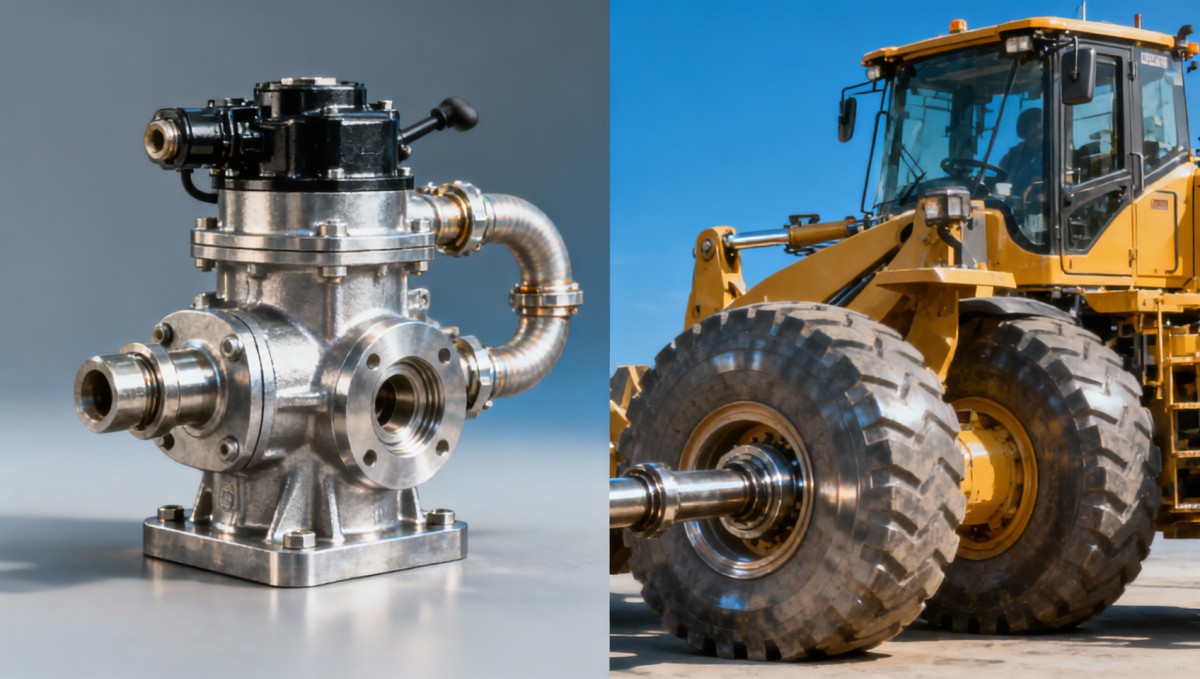
When sourcing the 5227802 STEERING PUMP SEM655D SEM656D SEM660D WHEEL LOADER PARTS, buyers need more than a catalog match—they need verified fitment, operating compatibility, and durable performance data. This guide explains how to confirm SEM loader application accurately, compare related part references such as SEM WHEEL LOADER STARTER 5894530 SEM636D SEM655D PARTS, and reduce procurement risk through specification-based evaluation.
For procurement teams, distributors, and technical evaluators, fitment errors are rarely minor. A steering pump that appears correct by part name alone can still fail on mounting geometry, pressure range, shaft interface, hose routing, or machine revision compatibility. In construction, resort development, logistics yards, and infrastructure support linked to tourism assets, loader uptime directly affects project schedules, labor use, and operating cost.
That is where a metric-based screening approach matters. TerraVista Metrics (TVM) applies the same procurement logic used across tourism infrastructure benchmarking: remove ambiguity, compare engineering data, and verify practical compatibility before purchase. For buyers reviewing the 5227802 steering pump, the goal is not only “will it install,” but also “will it perform correctly over the next 1,000 to 3,000 operating hours under real duty cycles.”
Why 5227802 steering pump fitment requires more than a part number check

A part number is a starting point, not a final confirmation tool. The 5227802 steering pump is commonly associated with SEM loader applications such as SEM655D, SEM656D, and SEM660D, but purchasing decisions should also account for serial range, production year, hydraulic circuit revision, and replacement history. In fleet environments, one loader may already have a substituted pump from a previous repair completed 6 to 24 months earlier.
Steering systems are sensitive to mismatch because they depend on flow stability and pressure consistency. Even a small deviation in rated displacement, relief setting, or port orientation can lead to heavy steering, intermittent response, oil overheating, or accelerated seal wear. In practical terms, a mismatch of only one interface type or one mounting offset can turn a same-day installation into a 3 to 7 day delay.
This issue matters beyond heavy equipment maintenance alone. Tourism construction sites, eco-resort developments, mountain access roads, and destination infrastructure projects often rely on loaders for material movement, grading, and site support. If one steering pump order is wrong, downtime can affect concrete timing, modular cabin placement, or utility trenching, especially when remote sites hold only limited spare inventory.
A good fitment review therefore combines at least 4 layers: machine model confirmation, part number cross-reference, dimensional verification, and operating parameter review. Buyers who skip any one of these layers increase the chance of return handling, customs complications, and on-site labor loss. For cross-border sourcing, that risk is even more significant because reorder lead time may extend from 7 days to 30 days depending on stock location.
Core causes of fitment mistakes
Recommended News
 Oct 29, 2026Lippert Receives Nonbinding Offer as Patrick Reaffirms LCI Merger AgreementLCI Industries receives a nonbinding $101-per-share offer as Patrick reaffirms its merger agreement. Explore what this could mean for RV supply chains.
 Sep 30, 2026How RV Dealers Can Vet Wholesale Accessory Distributors for Reliable StockRV accessories wholesale distributor vetting guide for dealers: verify stock, fitment, fulfillment, terms, and support to reduce delays and protect margins.
 Aug 14, 2026Indonesia’s Nickel Export Buffer Policy Could Ease RV and Yacht Tech Supply ChainsIndonesia’s nickel export buffer policy may ease RV and yacht tech supply chains, helping stabilize battery, steel, and sourcing costs.
 Jul 13, 2026West Coast Port Strike Pauses, RV Lead Time Stays at 52 DaysWest Coast port strike pauses, but RV lead time stays at 52 days. See how congestion, tight booking windows, and 40HQ premiums are impacting exporters and distributors.
 Jul 11, 2026RV Component Freight Jumps 32%, Q3 Lead Times SlipRV component freight jumps 32% as Q3 lead times slip from 8 to 14–16 weeks. See how Red Sea disruption, port strikes, and precision-part gaps may impact sourcing, costs, and delivery plans.
 Jul 09, 2026RV Aluminum Prices Jump 12% as Port Delays DeepenRV aluminum prices jump 12% as port delays deepen, pushing 6061-T6 costs to $3,820/ton. See how RV OEMs, buyers, and suppliers can respond to rising costs and slower deliveries.
 Jul 06, 2026Camper Van Components in Europe: How to Compare Standards, Fit, and Supply OptionsCamper van components Europe guide for buyers: compare compliance, fit, durability, and supply options to reduce risk, improve sourcing decisions, and protect margins.
 Jun 30, 2026CPSC Recall Expansion Raises RV Brake Compliance BarCPSC recall expansion raises RV brake compliance bar as importers demand ISO 26262 ASIL-B validation. See how OEMs, buyers, and suppliers can reduce risk and protect orders.
 Jun 27, 2026CPSC Tightens RV Component Rules With UL 2871:2026CPSC Tightens RV Component Rules With UL 2871:2026: learn how new U.S. import, labeling, and certification rules affect RV batteries, BMS controllers, and DC modules from August 2026.
 Jun 24, 2026U.S. 301 Review May Lift RV Component Tariffs to 25%RV Components face possible U.S. 301 tariffs up to 25%, with a tight July 24 shipping window. Learn how exporters and buyers can protect pricing, compliance, and Q3 supply plans.
 Jun 23, 2026Export Controls Raise RV Chip Supply RiskExport controls raise RV chip supply risk as FPGA and ADC/DAC lead times exceed 26 weeks. Learn how RV controller makers can manage sourcing, compliance, substitution, and delivery pressure.
 Jun 23, 2026Screwdrivers Set Buying Guide: Types, Bit Materials, and What to Check Before PurchaseScrewdriversset buying guide: compare types, bit materials, handle comfort, and key pre-purchase checks to choose a durable set that saves time, money, and repair frustration.
 Jun 22, 2026RV Components Lead Times Stretch to 18 WeeksRV Components lead times stretch to 18 weeks as port disruption and aluminum export limits tighten supply. See what OEMs, buyers, and logistics teams should monitor now.
 Jun 21, 2026RV Parts Lead Times Stretch to 18 Weeks After Port StrikeRV parts lead times stretch to 18 weeks after the LA/Long Beach port strike. Learn how RV OEMs, importers, and suppliers can respond to booking suspensions and sourcing pressure.
 Jun 20, 2026India Issues Final AD Ruling on China TPU Paint Protection FilmIndia Issues Final AD Ruling on China TPU Paint Protection Film—learn how the anti-dumping decision may impact TPU sourcing, pricing, and supply chain planning across India and export-linked markets.
 Jun 18, 2026Vietnam Eases RV Components Clearance for China SuppliersVietnam eases RV components clearance for China suppliers, allowing eligible shipments to use CNAS-recognized test reports and ISO 9001 for faster 7–10 day customs delivery.
 Jun 17, 2026Vietnam Expands RV Component Certification ExemptionsVietnam Expands RV Component Certification Exemptions: learn how the new self-declaration and type-test filing rules can cut import delays, reduce compliance costs, and reshape OEM sourcing strategy.
 Jun 16, 2026UL 9741-2026 Sets Dual-Loop BMS Rule for RV Lithium ComponentsUL 9741-2026 sets a dual-loop BMS rule for RV lithium components, requiring thermal runaway warning and physical cutoff by Dec 1, 2026. Learn the compliance impact now.
 Jun 15, 2026UL Tightens RV Lithium Battery Rules for U.S. MarketUL Tightens RV Lithium Battery Rules for U.S. Market: learn how UL 9741-2026 BMS dual-circuit redundancy requirements may impact RV battery exports, compliance timelines, and supplier planning.
 Jun 14, 2026CPSC Mandates UL 9741 for RV BMS ModulesCPSC mandates UL 9741 for RV BMS modules made after Sept. 1, 2026. Learn the 87-day compliance deadline, supply chain impact, and key actions for U.S.-bound RV components.
 Jun 13, 2026CPSC Sets UL 9741 Deadline for RV Lithium ModulesCPSC sets a UL 9741 deadline for RV lithium modules by Dec. 1, 2026. Learn how BMS, OTA security audits, and thermal runaway testing could impact U.S. market access.
 Jun 11, 2026RV Control MCU Lead Times Stretch to 26 WeeksRV Control MCU lead times stretch to 26 weeks, raising sourcing risks for manufacturers and buyers. Explore qualified domestic alternatives, compliance milestones, and smarter supply-chain planning.
 Jun 11, 2026Resistor Spark Plugs vs Standard Plugs: What’s the Difference and When to Use EachResistor spark plugs vs standard plugs: learn the key differences, when to use each, and how the right choice improves reliability, electronics compatibility, and maintenance confidence.
 Jun 10, 2026RV MCU Lead Times Stretch to 26 Weeks as China Alternatives AdvanceRV MCU lead times stretch to 26 weeks as China alternatives advance. Discover supply risks, qualification progress, and what RV electronics buyers should monitor now.
{item.publish_time}{item.title}{item.description}Quarterly Executive Summaries Delivered Directly.
Join 50,000+ industry leaders who receive our proprietary market analysis and policy outlooks before they hit the public library.