Search News
TerraVista Metrics (TVM)Industry Portal
TerraVista Metrics (TVM)Hot Articles
TerraVista Metrics (TVM)- What Drives System Interoperability Testing Service Costs in Complex Projects?System interoperability testing service cost depends on integration scope, workflows, environments, and assurance needs. Learn how to budget smarter and reduce project risk.
- Project Planning Sourcing Guides: How to Qualify Suppliers Before Work StartsSourcing guides project planning helps teams qualify suppliers before work begins—verify compliance, delivery capacity, financial strength, and sustainability to reduce risk and protect project outcomes.
- Buyer’s Guide to Kinetic Art: Choosing Safe, Durable Pieces for Public SpacesBuyer guides kinetic art for public spaces: learn how to choose safe, durable, low-maintenance installations with reliable engineering, materials, controls, and lifecycle value.
Popular Tags
TerraVista Metrics (TVM)Industry News2026 Shanghai Yacht Show Closes: Chinese Yacht Tech Suppliers Invited for Middle East Factory Audits
auth.Dr. Hideo Tanaka (Outdoor Gear Engineering Lead)Time
Oct 06, 2026Click Count
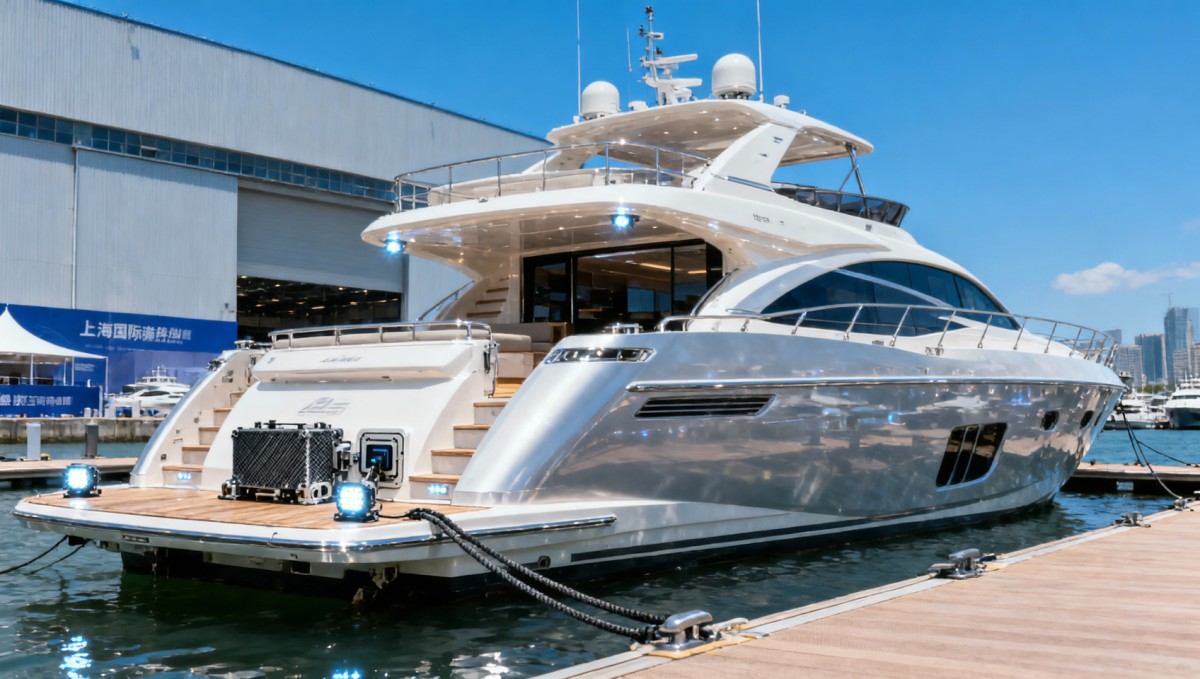
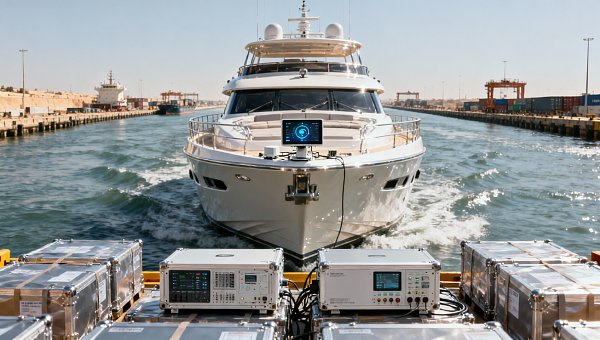
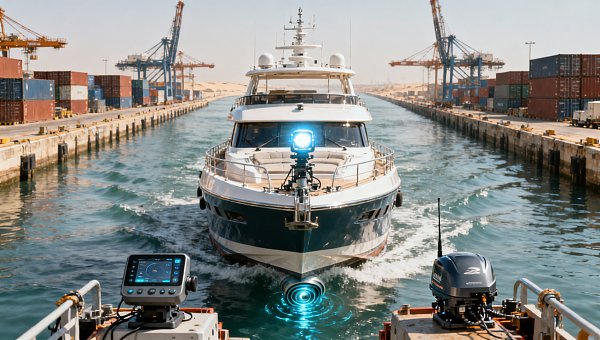
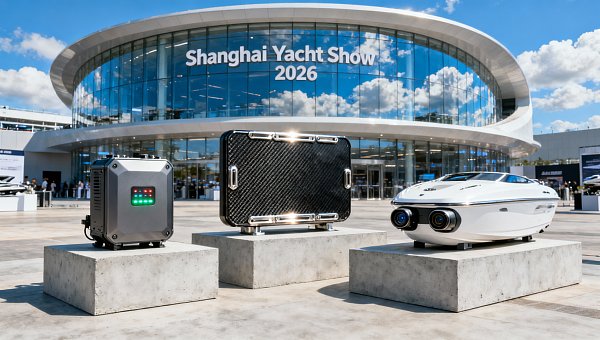
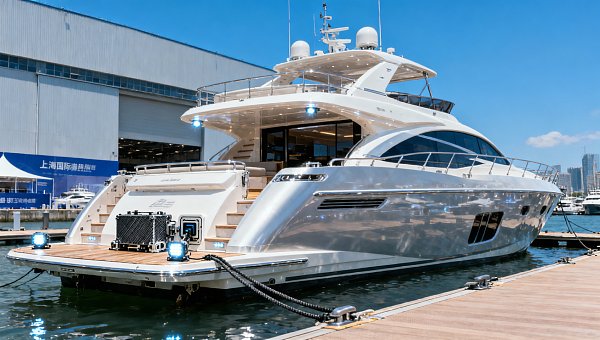
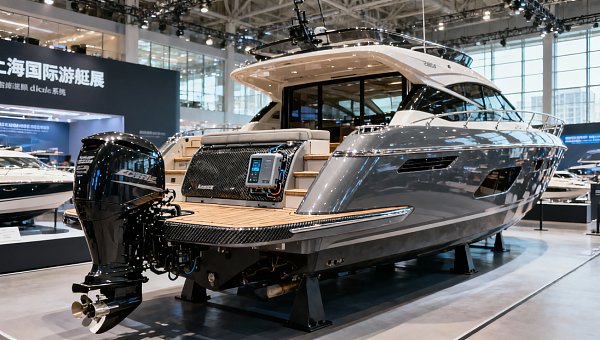
On May 18, 2026, the 22nd Shanghai International Boat Exhibition (SIBEX) concluded. During the event, yacht owners and procurement delegations from Oman, Qatar, and Abu Dhabi signed letters of intent with 12 Chinese Yacht Tech enterprises — including suppliers of underwater LED deck lights, carbon-fiber mooring systems, and AI-assisted docking modules — to conduct factory audits by end-June 2026. This development signals a strategic shift in high-end yacht procurement from the Middle East: away from full-vessel imports and toward direct sourcing of high-value-added subsystems. Marine electronics, marine-grade electrical components, and intelligent marine hardware suppliers should closely monitor this trend.
Event Overview
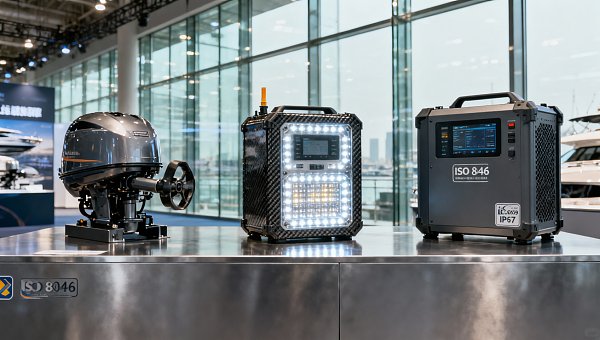
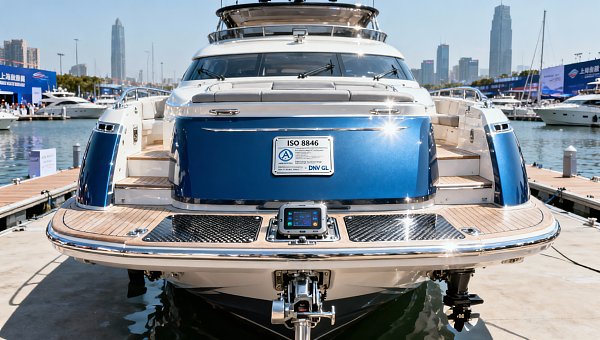
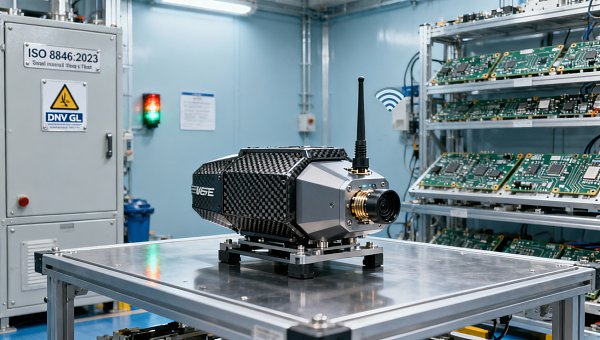
The 22nd Shanghai International Boat Exhibition (SIBEX) closed on May 18, 2026. At the show, yacht owner delegations from Oman, Qatar, and Abu Dhabi issued formal letters of intent to 12 Chinese Yacht Tech companies for factory audits. The audits are scheduled to be completed by the end of June 2026. The delegations specified two mandatory certification requirements: ISO 8846:2025 (Electrical Equipment for Boats – Explosion Protection) and DNV-GL SE-0022 (EMC Requirements for Marine Electronics).
Industries Affected
Direct Exporters of Marine Subsystems
Companies exporting marine lighting, mooring systems, or intelligent docking modules to international markets face immediate implications. The audit invitations indicate that Middle Eastern buyers are now prioritizing technical due diligence over transactional procurement — shifting from price-led negotiations to compliance- and capability-driven engagement.
Manufacturers of Marine-Grade Electrical & Electronic Components
Firms producing certified marine electronics — particularly those targeting explosion-proof or EMC-compliant applications — may see rising demand for pre-audit verification support. The dual-certification requirement (ISO 8846:2025 + DNV-GL SE-0022) highlights tightening technical gateways for market access, especially in safety-critical subsystems.
Contract Manufacturers & Tier-2 Suppliers Supporting Yacht Tech Firms
Suppliers providing carbon fiber fabrication, PCB assembly, or waterproof housing for yacht subsystems may experience upstream pressure. If their downstream clients pursue Middle East audits, these Tier-2 partners may need to align documentation, traceability records, and process controls with ISO 8846:2025 and DNV-GL SE-0022 requirements — even if not directly audited.
Marine Certification & Compliance Support Providers
Third-party testing labs, certification consultants, and technical documentation specialists focused on marine standards may see increased short-term demand for gap assessments, test coordination, and audit preparation services — particularly around the newly referenced ISO 8846:2025 edition and DNV-GL SE-0022.
What Relevant Companies or Practitioners Should Focus On Now
Confirm certification timelines and scope with notified bodies
ISO 8846:2025 is a newly published standard; its adoption timeline and interpretation across certification bodies remain variable. Companies invited for audits should immediately verify with accredited labs whether test protocols, sample requirements, and validity periods for this edition are finalized — rather than assuming equivalence with prior versions.
Prioritize documentation readiness over product modification
The audit focus is on factory capability and quality system alignment, not necessarily redesign. Firms should prioritize assembling production records, material traceability logs, EMC test reports (if available), and explosion-protection design dossiers — rather than initiating engineering changes before confirming exact audit criteria.
Map supply chain dependencies for certification continuity
Since ISO 8846:2025 and DNV-GL SE-0022 apply to final assemblies, firms must verify whether critical subcomponents (e.g., LED drivers, antenna modules, composite anchor housings) carry compliant certifications — or whether retesting at the subsystem level will be required. Cross-check supplier declarations early.
Designate a single point of contact for audit coordination
Given the tight June 2026 deadline, appointing an internal audit liaison — with authority to coordinate QA, engineering, procurement, and documentation teams — avoids delays caused by interdepartmental handoffs. This role should also manage communication with Middle Eastern delegations and certification bodies.
Editorial Perspective / Industry Observation
Observably, this is not yet a commercial order pipeline — but a structured technical validation step preceding potential long-term procurement. Analysis shows the Middle East’s move reflects broader global trends: consolidation of high-end marine supply chains around verifiable compliance, rather than brand reputation alone. From an industry perspective, it marks the transition of Chinese Yacht Tech from ‘cost-competitive supplier’ to ‘certified subsystem partner’ — but only for those already operating within internationally recognized quality frameworks. Current evidence suggests this is a signal, not yet an outcome: the letters of intent do not guarantee contracts, and certification remains a prerequisite — not a confirmation — of market entry.

Conclusion: This development underscores a maturing phase in China’s marine technology export landscape — one defined less by volume and more by verifiable technical alignment. It does not signify broad-based market access, but rather a narrowing, high-bar pathway for select subsystem suppliers. For the industry, it is better understood as an early-stage qualification threshold — not a sales milestone.
Source: Official SIBEX 2026 post-show summary (publicly released, May 18, 2026).
Note: The status of individual company audit confirmations, certification body capacity for ISO 8846:2025, and final contract terms remain unconfirmed and require ongoing monitoring.Recommended News
 Oct 02, 2026North American Yacht Tech: Market Shifts Reshaping Retrofit and New-Build DemandYacht tech North America is reshaping retrofit and new-build choices. Explore smarter energy, connectivity, cybersecurity, and lifecycle strategies for lasting yacht value.
 Aug 19, 2026What Does a Marine Hospitality Consultant Do for Cruise and Yacht Projects?Marine hospitality consultant expertise helps cruise and yacht projects avoid costly design and procurement mistakes, improve guest experience, and build commercially viable onboard spaces.
 Jul 15, 2026Yacht Tech Components Buying Guide: How to Evaluate Compatibility, Durability, and Lead TimeYacht tech components buying guide: learn how to assess compatibility, durability, and lead time to reduce downtime, control hidden costs, and choose suppliers with confidence.
 Jul 15, 2026What Is Digital Marine Hospitality Technology and Which Guest Services Does It Improve?Digital marine hospitality technology improves boarding, cabin access, dining, entertainment, and safety at sea. Learn how smart marine systems boost guest experience and operational performance.
 Jul 12, 2026Saudi SASO Expands Yacht Tech Rules for Smart AnchoringSaudi SASO expands Yacht Tech rules for smart anchoring, adding SABER certification and local cloud logging requirements. Learn key deadlines, firmware upgrade steps, and export risks before October 1.
 Jul 11, 2026UAE Decree 12 Sets LDOM Rule for Imported YachtsUAE Decree 12 sets the LDOM rule for imported yachts from Sept 2026. Learn how the new Local Data Sovereignty Module requirement impacts compliance, delivery, retrofits, and sourcing.
![]() Jul 07, 2026How Yacht Technology in the Middle East Is Shaping Smart Marinas and Onboard SystemsYacht technology Middle East is driving smarter marinas, connected onboard systems, and energy-ready waterfronts. Discover what investors and operators should watch next.
 Jul 04, 2026Suez Canal Tightens Yacht Tech Clearance RulesSuez Canal yacht tech clearance rules tighten from July 3, 2026. Learn how new 72-hour disclosure and approved-list requirements may impact exporters, integrators, logistics, and buyers.
 Jul 03, 2026Suez Canal Adds Tech Whitelist for Yacht Tech CargoSuez Canal Yacht Tech cargo rules now hinge on a tech whitelist. Learn which device models face 18-day delays, what the new clearance means, and how to protect shipping timelines.
 Jul 02, 2026Suez Canal Tightens Yacht Tech Transit ChecksSuez Canal Tightens Yacht Tech Transit Checks: learn how the new whitelist, certification filing, and firmware hash rules may delay shipments and raise costs for yacht tech suppliers.
 Jul 01, 2026Suez Canal Adds Tech Whitelist for Yacht EquipmentSuez Canal tech whitelist now affects yacht equipment transit. Learn how SCA-approved models, EMC/IPX8 verification, and delivery planning impact exporters, buyers, and marine tech suppliers.
 Jun 24, 2026Engineering Performance Testing for Marine Grade Materials: Key Metrics and Failure RisksEngineering performance testing marine grade materials helps uncover corrosion, fatigue, and coating risks before failure. Learn the key metrics that protect coastal assets, uptime, and long-term value.
 Jun 14, 2026How to Evaluate a Yacht Tech Supplier for Navigation, Power, and Onboard SystemsYacht Tech supplier evaluation made simple: learn how to compare navigation, power, and onboard systems for compliance, integration, reliability, and lower long-term risk.
![]() Jun 09, 2026How to Evaluate a Yacht Tech Supplier: Certifications, Lead Times, and After-Sales SupportYacht Tech supplier evaluation starts with proof, not promises. Learn how certifications, lead times, and after-sales support reveal risk, reliability, and long-term value.
 May 22, 20262026 Shanghai Yacht Show Closes; Chinese Suppliers Invited for Middle East Factory Audits2026 Shanghai Yacht Show closed — Chinese marine tech suppliers invited for Middle East factory audits. Act now to meet ISO 8846 & IP67 deadlines!
 May 21, 20262026 Shanghai Yacht Show Closes: Yacht Tech Suppliers Receive Factory Audit Invitations from Middle East OwnersYacht Tech suppliers: 37 factory audit invites from UAE, KSA & Qatar at 2026 Shanghai Yacht Show — verify ISO 8846 & DNV GL compliance now!
 May 20, 20262026 Shanghai Yacht Show Closes; Chinese Suppliers Invited for Middle East Factory Audits2026 Shanghai Yacht Show closed — Chinese yacht tech suppliers invited to Middle East factory audits under Yacht Tech initiative. Act now to meet DNV GL, LR & ASME BPVC requirements.
 May 20, 20262026 Shanghai Yacht Show Closes; Chinese Yacht Tech Suppliers Invited to Middle East FactoriesChinese yacht tech suppliers invited to Middle East factories after 2026 Shanghai Yacht Show — seize audit opportunities in smart outboards, carbon decks & AI marine security.
 May 19, 20262026 Shanghai Yacht Show Closes: Chinese Yacht Tech Suppliers Invited for Middle East Factory AuditsChinese yacht tech suppliers: Act now! Middle East buyers invite factory audits by June 2026 — ISO 8846:2025 & DNV-GL SE-0022 compliance required.
 May 18, 20262026 Shanghai Yacht Show Closes: Chinese Yacht Tech Suppliers Receive Factory Audit Invitations from Middle East OperatorsYacht Tech suppliers: 7 Chinese firms invited to Middle East factory audits after 2026 Shanghai Yacht Show—boost global credibility & unlock Gulf market access now.
 May 17, 20262026 Shanghai Yacht Show Closes with Middle East Shipowners Inviting Chinese Suppliers for Joint Factory Audits2026 Shanghai Yacht Show: Middle East shipowners invite Chinese suppliers for joint factory audits—act now to meet ISO 8846:2023 & DNV GL requirements.
 May 16, 20262026 Shanghai Yacht Show Closes; Chinese Yacht Tech Suppliers Invited to Mid-East Factory AuditsChinese yacht tech suppliers invited to Mid-East factory audits after 2026 Shanghai Yacht Show — seize this strategic gateway to $2.4B regional modernization projects.
 May 15, 20262026 Shanghai Yacht Show Closes with Middle East Factory Audits for Chinese Suppliers2026 Shanghai Yacht Show sparks Middle East factory audits for Chinese yacht tech suppliers — seize cross-border procurement opportunities now.
 May 14, 20262026 Shanghai International Yacht Show Closes with Middle East Shipowners Inviting Chinese Yacht Tech Suppliers for Joint Factory Audits2026 Shanghai International Yacht Show: Middle East shipowners invite Chinese yacht tech suppliers for joint factory audits—smart motors, carbon fiber decks & AI energy systems.
Quarterly Executive Summaries Delivered Directly.
Join 50,000+ industry leaders who receive our proprietary market analysis and policy outlooks before they hit the public library.