Search News
TerraVista Metrics (TVM)Industry Portal
TerraVista Metrics (TVM)Hot Articles
TerraVista Metrics (TVM)- Cableway Station Spacing: How Terrain and Capacity Shape the DistanceExplore cableway systems station spacing and learn how terrain, passenger capacity and safety shape practical, route-specific design decisions.
- What Is an Industry Insights Data Model? Key Components and UsesDiscover how an industry insights data model connects market data, improves comparisons, and supports smarter benchmarking and procurement decisions.
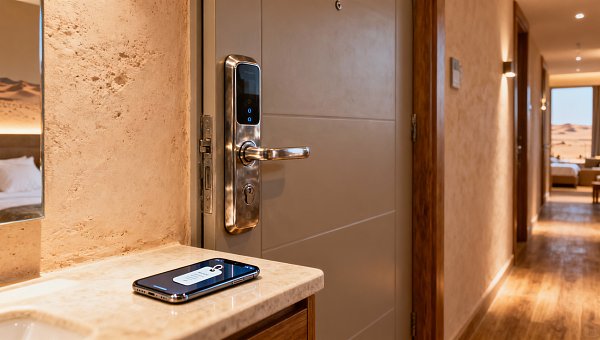
- Vingcard Deploys MENA’s First Native Wallet Hotel Keys in EgyptVingcard and Hudini bring native wallet hotel keys to three Egypt resorts. Discover what app-free access could mean for hotel buyers and suppliers.
Popular Tags
TerraVista Metrics (TVM)Industry NewsJIS T 9001:2026 Enforced: +40% EMC Immunity for Hotel Guestroom Automation
auth.Lydia Vancini (Smart Hospitality IoT Consultant)Time
Nov 16, 2026Click Count
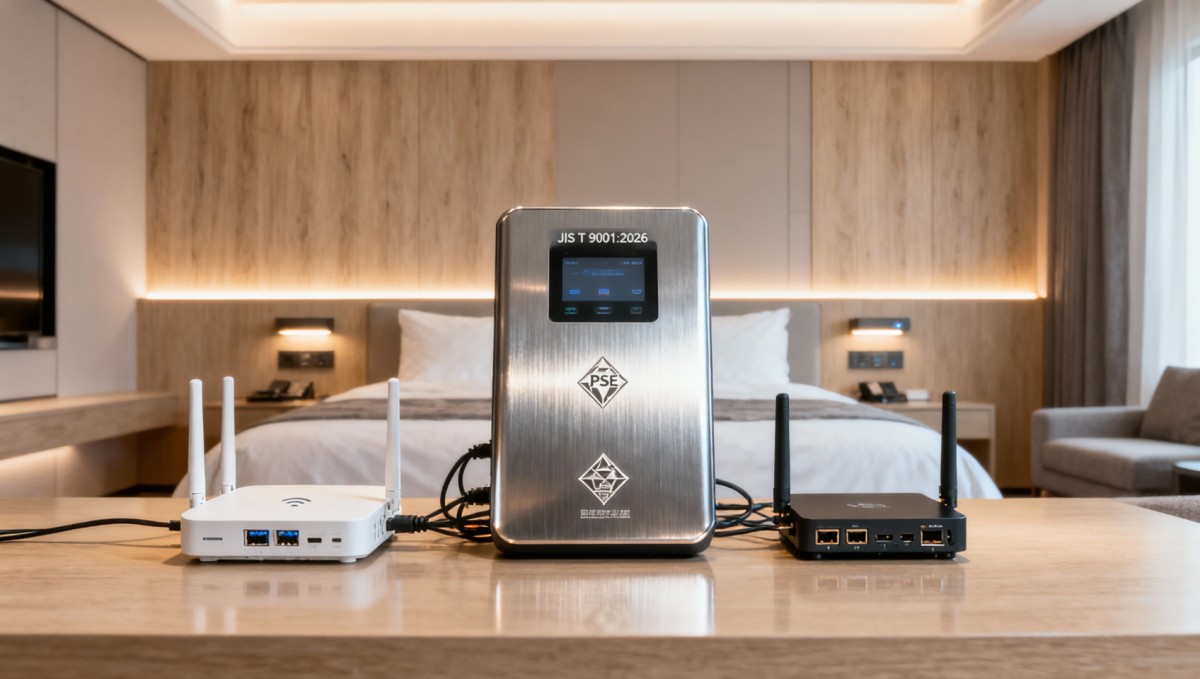
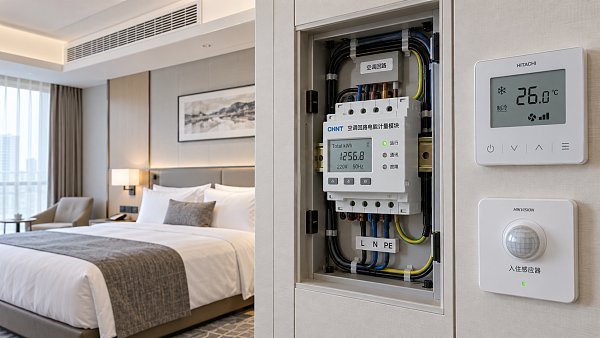
On April 28, 2026, Japan Industrial Standards Committee (JISC) confirmed the immediate enforcement of JIS T 9001:2026, Electromagnetic Compatibility Requirements for Guestroom Automation Equipment. The revision significantly raises electromagnetic immunity thresholds—by 40%—for devices operating in Wi-Fi 6E/Bluetooth 5.4 coexistence environments and introduces new test scenarios simulating high-density device deployment in hotel rooms. Manufacturers supplying to the Japanese hospitality technology market must now meet stricter EMC validation to obtain the PSE diamond mark.
Event Overview
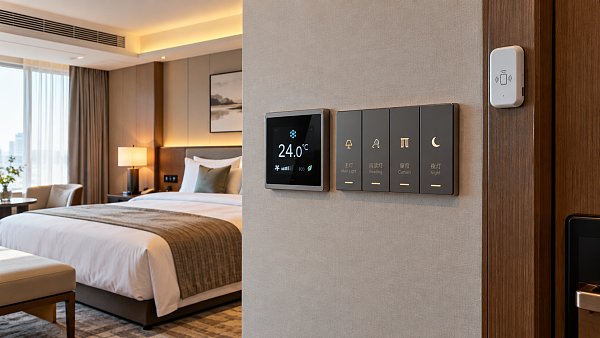
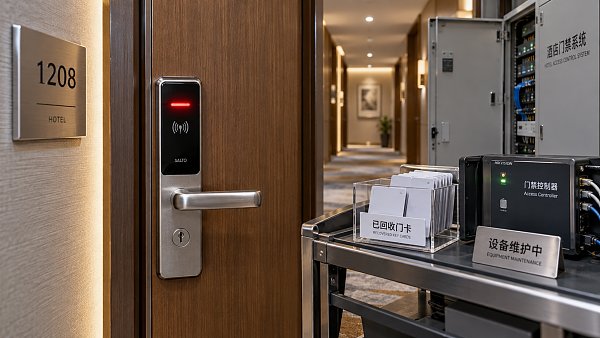
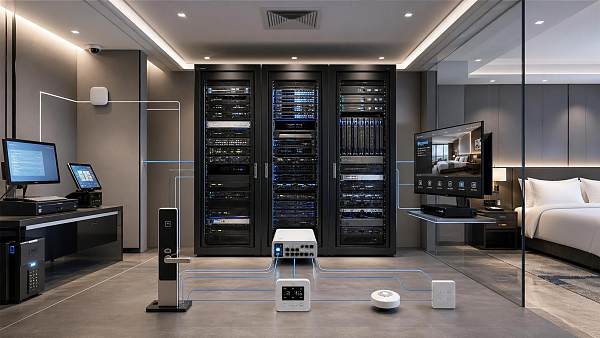
The Japan Industrial Standards Committee (JISC) officially enacted JIS T 9001:2026 on April 28, 2026. This revised standard updates electromagnetic compatibility (EMC) requirements specifically for guestroom automation equipment—including smart thermostats, lighting controllers, door lock interfaces, and integrated room management terminals. Key changes include: (1) raising the immunity test threshold from ±1.5 kV to ±2.1 kV under fast transient burst (FTB) and surge conditions; (2) adding a new test condition that replicates electromagnetic stress in multi-device, spatially confined hotel room settings; and (3) explicitly referencing Wi-Fi 6E (6 GHz band) and Bluetooth 5.4 coexistence as the baseline operational environment. Products failing compliance are ineligible for the mandatory PSE diamond certification required for sale in Japan.
Industries Affected by Segment
Hotel Technology OEMs & System Integrators
These firms design and assemble end-to-end guestroom automation solutions. The revised immunity threshold directly impacts circuit-level design choices—especially power supply filtering, I/O protection, and PCB layout for noise resilience. Failure to validate against the new ±2.1 kV requirement may delay product launch timelines and trigger redesign cycles for legacy platforms still certified to JIS T 9001:2019.
Electronic Component Suppliers (ESD/TVS Diodes, Isolators, Filter Modules)
Suppliers of transient voltage suppression (TVS) diodes, signal isolators, and EMI filter modules face increased demand for higher-rated components capable of withstanding ±2.1 kV fast transients without degradation. Design-in efforts for next-generation guestroom controllers will prioritize parts qualified to IEC 61000-4-4 Level 4 or above—making component selection and qualification data more critical during BOM finalization.
Japan-Focused Importers & Distributors
Importers handling guestroom automation gear for Japanese hotel chains must verify updated PSE certification status before customs clearance. Non-compliant stock already imported but not yet certified under JIS T 9001:2026 cannot be newly affixed with the PSE diamond mark post-enforcement. Inventory planning, labeling workflows, and third-party test lab coordination require immediate review.
EMC Test Laboratories Serving Hospitality Electronics
Labs accredited for JIS T 9001 testing must update their test plans and calibration documentation to reflect the new ±2.1 kV threshold and the added high-density deployment simulation protocol. Facilities lacking surge/FTB generators rated ≥2.1 kV may need hardware upgrades or subcontracting arrangements to maintain service continuity for clients targeting Japan market entry.
What Relevant Enterprises or Practitioners Should Focus On Now
Confirm current product certifications against JIS T 9001:2026’s effective date
Verify whether existing PSE certifications were issued under JIS T 9001:2019 or earlier versions. Certifications granted prior to April 28, 2026 do not automatically extend to the 2026 edition—even if no hardware changes occurred. Re-evaluation is mandatory for continued PSE marking.
Prioritize retesting of products deployed in Wi-Fi 6E/Bluetooth 5.4-enabled hotels
Focus revalidation efforts on models operating in dual-band or tri-band wireless environments—particularly those with exposed Ethernet, RS-485, or dry-contact interfaces. These interfaces show highest susceptibility to the raised ±2.1 kV transient stress per JISC’s technical rationale document (JISC TR 9001-2026 Annex A).
Review supplier declarations for critical passive and protection components
Request updated immunity performance data from TVS diode, ferrite bead, and common-mode choke suppliers—specifically confirming sustained clamping behavior and energy absorption capacity at 2.1 kV/50 Ω source impedance. Do not rely solely on datasheet headline ratings; request application-specific test reports.
Align internal EMC validation protocols with the new high-density scenario
Integrate proximity-based coupling tests—e.g., simultaneous RF emission from adjacent Wi-Fi 6E APs and BLE beacons—into pre-compliance screening. JISC specifies minimum device spacing (≤0.5 m) and concurrent channel loading (3x 6 GHz channels + 2x 2.4 GHz BLE links) as part of the new test condition.
Editorial Perspective / Industry Observation
Observably, JIS T 9001:2026 functions less as an incremental update and more as a targeted response to real-world interference incidents reported by Japanese hotel operators since 2023—particularly uncommanded thermostat resets and lock actuator failures during peak Wi-Fi traffic hours. Analysis shows the 40% immunity boost reflects measured field data rather than theoretical margin expansion. From an industry standpoint, this revision signals growing regulatory attention toward *system-level* EMC in converged IoT deployments—not just component-level robustness. It also implies tighter alignment between JIS and IEC 61000-6-2/6-4, though formal harmonization remains pending. Current enforcement timing—immediate upon publication—suggests urgency, not gradual transition.

Conclusively, JIS T 9001:2026 marks a material tightening of EMC requirements for guestroom automation entering Japan—not merely a procedural refresh. Its immediate effect elevates technical due diligence for all stakeholders in the value chain, from IC designers to certification bodies. It is better understood not as a one-time compliance checkpoint, but as an indicator of accelerating regulatory expectations for reliability in dense, multi-protocol wireless environments.
Source: Japan Industrial Standards Committee (JISC), Official Gazette No. 2026-04-28, JIS T 9001:2026 text and explanatory memorandum (JISC TR 9001-2026). Note: Ongoing observation is warranted for potential JISC guidance documents clarifying implementation of the new high-density test scenario, expected by Q3 2026.
Recommended News
 Nov 16, 2026Vingcard Deploys MENA’s First Native Wallet Hotel Keys in EgyptVingcard and Hudini bring native wallet hotel keys to three Egypt resorts. Discover what app-free access could mean for hotel buyers and suppliers.
 Oct 26, 2026Roseate Targets 30 Hotels by 2030, Plans New Smart Hotel BrandRoseate Hotels & Resorts targets 30 hotels by 2030, with an upscale smart hotel brand planned for early 2027. Explore its expansion strategy across India's smaller cities and core markets.
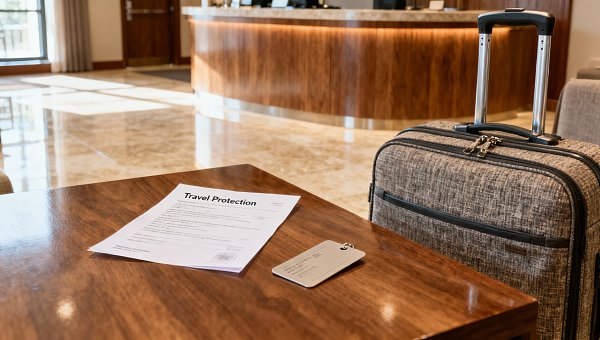
 Oct 20, 2026Amadeus Adds Embedded Travel Protection to iHotelierAmadeus adds embedded travel protection to iHotelier with Pattern. Explore the potential for greater guest confidence, new hotel revenue and key considerations before adoption.
 Oct 17, 2026Custom Smart Hotel Solutions: Integrating Room Controls With Your Existing PMSDiscover a smart hotel custom solution that connects room controls to your existing PMS, enhances guest comfort, and improves reliability without unnecessary infrastructure replacement.
 Oct 26, 2026Why Did Hotel Room Controls Stop Syncing After a Software Update?Why did hotel room controls stop syncing after a software update? Discover common causes, practical fixes, and testing steps to restore reliable lighting, temperature, and occupancy control.
 Oct 25, 2026How Do I Check Smart Lock Compatibility With Existing Hotel Software?How do I check whether smart locks will work with our existing hotel software? Discover PMS checks, mobile-key tests, and outage safeguards to validate compatibility before you invest.
 Oct 22, 2026Where to Place Smart Sensors in Hotels for Early Water Leak DetectionDiscover where to place smart sensors for hospitality properties to detect water leaks early. Protect guestrooms, HVAC units, and service areas with practical placement tips.
 Oct 22, 2026How Smart Sensors Connect to Hotel Property and Building Management SystemsExplore smart sensors for hospitality property management: learn how PMS and BMS integration supports guest comfort, reliable controls, and security—and what to verify before deployment.
 Oct 19, 2026How Can You Verify Energy Cost Savings From Hotel Room Automation?How do I check whether room automation actually reduced energy costs? Learn to verify hotel savings with occupancy-adjusted data, tariff analysis, and comfort checks before investing.
 Oct 17, 2026How Do You Revoke a Former Contractor's Access to Hotel Smart Systems?How do I revoke a former contractor's access to hotel smart systems? Get a practical checklist to disable accounts, revoke keys, and secure integrations without disrupting hotel operations.
 Sep 25, 2026Resort System Integration: How to Connect PMS, Guestroom Controls, and KiosksResort system integration guide: connect PMS, guestroom controls, and kiosks with reliable workflows, secure data, and seamless guest experiences.
 Sep 08, 2026How to Build Stable Interoperability Across Hotel Guestroom SystemsHospitality system interoperability stable: learn how hotels can align room states, command priorities, local fallback, and testing for reliable guestroom operations.
 Aug 18, 2026What Hotel System Interoperability Means for PMS, POS, and Guestroom TechHotel system interoperability shapes how PMS, POS, and guestroom tech perform in real hotels. Learn the key risks, validation points, and smarter ways to build resilient operations.
 Aug 10, 2026How to Evaluate a Smart Hotel System Integration Quotation Before ApprovalSystem integration quotation for smart hotels: learn how to assess scope, interoperability, cybersecurity, lifecycle cost, and hidden risks before approval.
 Jul 28, 2026How to Evaluate a Smart Hotel Application for Guest Experience and Staff EfficiencySmart hotel application evaluation made practical: learn how to compare integrations, guest journey design, staff workflows, security, and total cost to choose a smarter hotel solution.
 Jul 12, 2026Premium Camping Q2 Up 19% as Europe Expands Guestroom AutomationPremium camping grew 19% in Q2 as Europe accelerates guestroom automation. Discover how Germany, France, and Switzerland are driving demand for smarter campsites.
 Jul 11, 2026System Integration Testing for Resorts: Key Steps Before Guestroom Tech Goes LiveSystem integration testing for resorts: discover the 6 essential pre-opening steps to prevent guestroom tech failures, reduce launch risk, and protect guest satisfaction.
 Jul 10, 2026Hospitality System Interoperability Buyer Guide: What to Check Before You BuyHospitality system interoperability buyer guide: learn what to verify before you buy, from APIs and device compatibility to security, scalability, hidden costs, and vendor risk.
 Jul 09, 2026CPSC advisory puts offline AI checks on hotel voice devicesCPSC advisory reshapes compliance for hotel voice devices with offline AI. Learn how FCC Part 15 checks, labeling, and shipment readiness may impact U.S. hotel projects.
 Jul 08, 2026CPSC Sets Offline AI Rule for Guestroom Voice ModulesCPSC Sets Offline AI Rule for Guestroom Voice Modules: learn how the 2026 U.S. update impacts compliance, imports, hotel tech sourcing, and recall risk for suppliers.
 Jul 07, 2026CPSC Sets Offline AI Bar for Hotel Voice DevicesCPSC sets a new offline AI bar for hotel voice devices. Learn how the 2026 guidance impacts guestroom automation, import checks, supplier compliance, and hotel procurement decisions.
![]() Jul 06, 2026CPSC Requires Offline AI in Guestroom Voice SystemsCPSC requires offline AI in guestroom voice systems starting Oct 1, 2026. Learn how this rule impacts Alexa/Google integrations, compliance, procurement, and U.S. market shipments.
 Jul 06, 2026How to Reduce Hospitality System Interoperability Latency Across PMS, POS, and IoTHospitality system interoperability latency affects guest experience, revenue accuracy, and IoT responsiveness. Learn practical ways to reduce delays across PMS, POS, and smart hotel systems.
 Jul 05, 2026CPSC Orders Offline AI for Hotel Voice ModulesCPSC orders offline AI for hotel voice modules by Oct 1, 2026. Learn how local AI inference rules will impact U.S. hotel automation sourcing, integration, and compliance.
{item.publish_time}{item.title}{item.description}Quarterly Executive Summaries Delivered Directly.
Join 50,000+ industry leaders who receive our proprietary market analysis and policy outlooks before they hit the public library.