Search News
TerraVista Metrics (TVM)Industry Portal
TerraVista Metrics (TVM)Hot Articles
TerraVista Metrics (TVM)- How to Evaluate Spark Plug Suppliers for Consistent Quality and Lead TimesSpark plugs supplier evaluation guide: compare quality control, traceability, fitment, total cost, and reliable lead times to secure dependable engine maintenance supply.
- What Drives System Interoperability Testing Service Costs in Complex Projects?System interoperability testing service cost depends on integration scope, workflows, environments, and assurance needs. Learn how to budget smarter and reduce project risk.
- Project Planning Sourcing Guides: How to Qualify Suppliers Before Work StartsSourcing guides project planning helps teams qualify suppliers before work begins—verify compliance, delivery capacity, financial strength, and sustainability to reduce risk and protect project outcomes.
Popular Tags
TerraVista Metrics (TVM)Industry NewsWhat Is a Smart Hotel? Key Systems, Guest Benefits, and Upgrade Priorities
auth.Lydia Vancini (Smart Hospitality IoT Consultant)Time
Oct 07, 2026Click Count
A smart hotel is not simply a hotel with more screens, apps, or gadgets. It is an operating model where connected room controls, cloud-based platforms, integrated building systems, and service data work together to improve the guest stay and the business behind it.
That matters because hospitality technology is moving past novelty. Owners, developers, and operators now need to know which smart hotel features create visible guest value, which systems reduce operating friction, and which upgrades only add complexity without clear returns.
In tourism infrastructure, the gap between marketing language and engineering performance can be wide. This is why benchmarking, interoperability, resilience, and lifecycle cost have become central to any serious smart hotel discussion.
What a smart hotel really includes
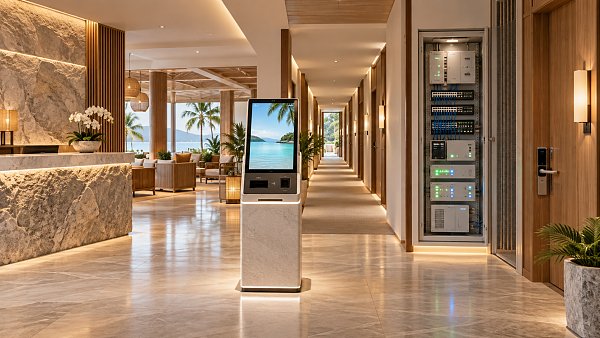
At its core, a smart hotel connects guest-facing systems with property operations. The goal is not automation for its own sake. The goal is a better stay, faster service recovery, tighter energy control, and more consistent decision-making.
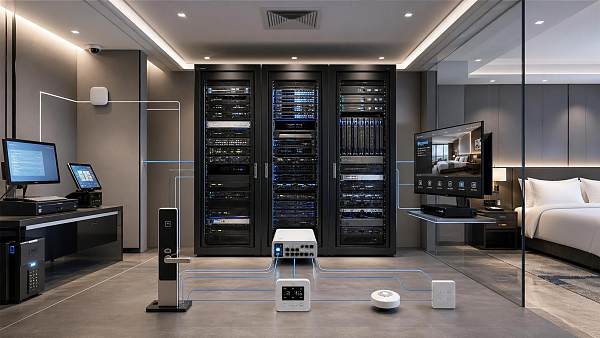
A mature smart hotel usually combines room intelligence, back-end software, network infrastructure, and data governance. These layers should work as one environment rather than as isolated devices purchased at different times.
Core system groups
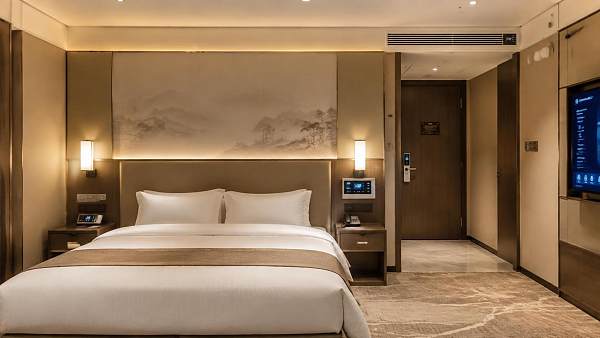
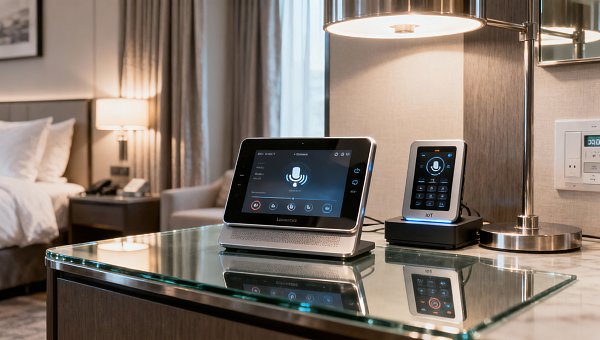
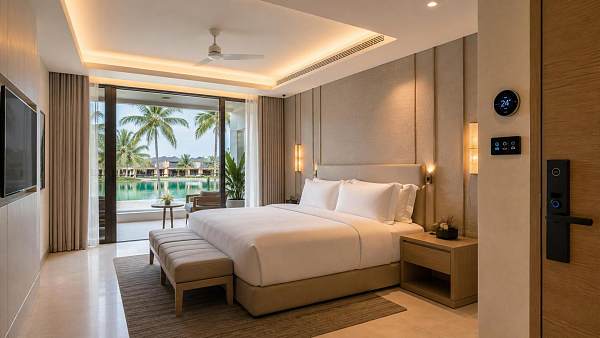
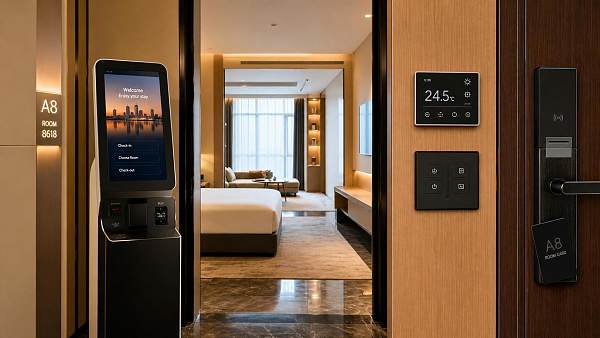
- Smart room controls for lighting, temperature, curtains, occupancy, and entertainment.
- Mobile and self-service tools for check-in, room access, requests, and payments.
- Property management, CRM, and service software connected through shared data.
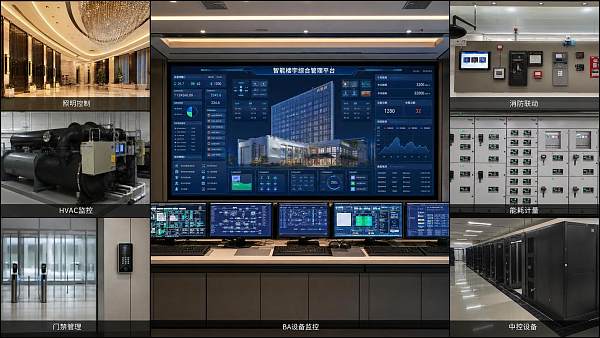
- Building systems covering HVAC, metering, security, and energy monitoring.
- Analytics layers that turn operational signals into maintenance and service insight.
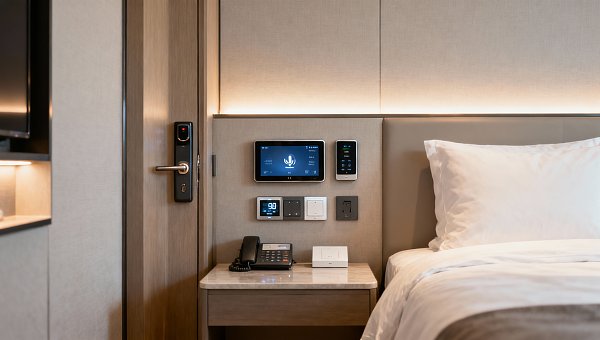
Simple examples include occupancy-based climate control, digital keys, automated maintenance alerts, and housekeeping workflows triggered by real room status. More advanced examples include AI-assisted demand management and cross-property benchmarking.
Why the topic matters now
The hospitality sector is under pressure from several directions at once. Energy costs remain volatile. Labor efficiency matters more than before. Guests expect convenience without losing comfort. At the same time, cybersecurity and compliance risks have grown.
A smart hotel sits at the intersection of those demands. It can support faster response times, lower waste, and more adaptable service models. Yet the wrong system mix can create fragile networks, vendor lock-in, and expensive retrofit problems.
This is where a data-driven view becomes valuable. TerraVista Metrics approaches smart hotel systems through measurable performance, not just product claims. In practice, that means comparing throughput, integration depth, durability, security protocols, and long-term operational fit.
Guest benefits that people actually notice
Guests rarely judge a smart hotel by the number of connected devices in the room. They notice whether the experience feels smoother, faster, and more reliable. When technology disappears into the background, satisfaction tends to rise.
Most visible advantages
- Shorter arrival times through digital registration and mobile access.
- Better in-room comfort through personalized lighting and climate settings.
- Faster service fulfillment through app-based requests and live status updates.
- More consistent connectivity for work, entertainment, and communication.
- Fewer disruptions when maintenance issues are detected before failure.
There is also a trust dimension. When room access, billing, and support channels feel secure and transparent, the smart hotel experience becomes more credible. If systems are confusing or unstable, the same technology can quickly feel intrusive.
Operational value beyond the guest room
The strongest business case for a smart hotel often comes from operations rather than aesthetics. Connected systems can reduce manual reporting, improve asset visibility, and make staff time more productive.
For example, occupancy-linked HVAC controls can limit energy waste in empty rooms. Integrated housekeeping status can reduce communication delays. Predictive maintenance tools can identify abnormal equipment behavior before it becomes an outage.
These gains are especially important in mixed tourism environments, where hotels are increasingly connected to larger ecosystems such as resorts, wellness sites, eco-lodges, attractions, and modular hospitality developments.
Where operators often see measurable returns
Not every property needs the same smart hotel stack
A city business hotel, a resort, a glamping destination, and a mixed-use tourism site do not share identical priorities. The right smart hotel architecture depends on asset type, utility costs, guest expectations, climate, staffing model, and expansion plans.
In compact urban properties, mobile access and streamlined service workflows may create immediate value. In resorts or eco-structures, energy controls, remote monitoring, and equipment resilience may matter more.
That broader view aligns with how TerraVista Metrics evaluates tourism assets. Smart systems should be judged alongside structural durability, sustainability targets, furnishing demands, and the operational realities of high-traffic hospitality environments.
Upgrade priorities that usually make sense
Many smart hotel projects fail because upgrades are selected in the wrong order. It is tempting to begin with visible in-room features, yet foundational systems usually determine whether the overall investment performs well.
A practical sequence
- Start with network capacity, cybersecurity, and system interoperability.
- Then improve platforms that unify room status, maintenance, and service requests.
- Add energy and occupancy intelligence where utility savings are significant.
- Layer in guest-facing personalization once reliability is proven.
- Expand analytics only when source data is clean and governance is clear.
This order reduces the risk of buying standalone features that cannot communicate, cannot scale, or cannot be maintained economically across multiple sites.
What to examine before choosing a system
The most important smart hotel questions are often technical and commercial rather than visual. A polished demo does not reveal how a platform behaves under occupancy peaks, unstable connectivity, legacy integrations, or multi-vendor environments.
Key evaluation points
- Interoperability with PMS, CRM, BMS, locks, sensors, and payment tools.
- Security architecture, access control, update policy, and incident response readiness.
- Hardware lifespan, replacement cycles, and environmental durability.
- Compliance exposure across privacy, safety, and regional building requirements.
- Vendor support depth, documentation quality, and local service coverage.
- Total cost over several years, not only upfront installation cost.
For this reason, benchmarking laboratories and independent tourism intelligence platforms matter. Verified performance data can prevent expensive misalignment between design ambition and operating reality.
How to move from interest to informed action
A useful next step is to map the guest journey and the building infrastructure together. That reveals where delays, waste, or service inconsistency actually occur. Those pressure points should shape the smart hotel roadmap.
After that, compare candidate systems against measurable criteria: integration depth, data reliability, energy impact, maintenance burden, and long-term adaptability. The best smart hotel investment is usually the one that improves both experience and operational resilience.
In a market where tourism assets are becoming more technical, smarter decisions depend on evidence. Whether the project involves a single property or a broader hospitality network, a disciplined evaluation framework will do more than any trend label to clarify what should be upgraded next.
Recommended News
 Sep 25, 2026Resort System Integration: How to Connect PMS, Guestroom Controls, and KiosksResort system integration guide: connect PMS, guestroom controls, and kiosks with reliable workflows, secure data, and seamless guest experiences.
 Sep 08, 2026How to Build Stable Interoperability Across Hotel Guestroom SystemsHospitality system interoperability stable: learn how hotels can align room states, command priorities, local fallback, and testing for reliable guestroom operations.
 Aug 18, 2026What Hotel System Interoperability Means for PMS, POS, and Guestroom TechHotel system interoperability shapes how PMS, POS, and guestroom tech perform in real hotels. Learn the key risks, validation points, and smarter ways to build resilient operations.
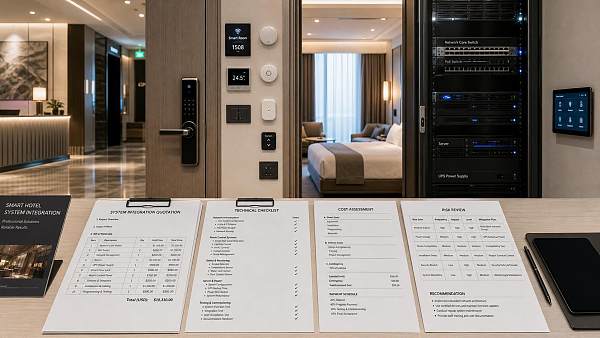
 Aug 10, 2026How to Evaluate a Smart Hotel System Integration Quotation Before ApprovalSystem integration quotation for smart hotels: learn how to assess scope, interoperability, cybersecurity, lifecycle cost, and hidden risks before approval.
 Jul 28, 2026How to Evaluate a Smart Hotel Application for Guest Experience and Staff EfficiencySmart hotel application evaluation made practical: learn how to compare integrations, guest journey design, staff workflows, security, and total cost to choose a smarter hotel solution.
 Jul 12, 2026Premium Camping Q2 Up 19% as Europe Expands Guestroom AutomationPremium camping grew 19% in Q2 as Europe accelerates guestroom automation. Discover how Germany, France, and Switzerland are driving demand for smarter campsites.
 Jul 11, 2026System Integration Testing for Resorts: Key Steps Before Guestroom Tech Goes LiveSystem integration testing for resorts: discover the 6 essential pre-opening steps to prevent guestroom tech failures, reduce launch risk, and protect guest satisfaction.
 Jul 10, 2026Hospitality System Interoperability Buyer Guide: What to Check Before You BuyHospitality system interoperability buyer guide: learn what to verify before you buy, from APIs and device compatibility to security, scalability, hidden costs, and vendor risk.
 Jul 09, 2026CPSC advisory puts offline AI checks on hotel voice devicesCPSC advisory reshapes compliance for hotel voice devices with offline AI. Learn how FCC Part 15 checks, labeling, and shipment readiness may impact U.S. hotel projects.
 Jul 08, 2026CPSC Sets Offline AI Rule for Guestroom Voice ModulesCPSC Sets Offline AI Rule for Guestroom Voice Modules: learn how the 2026 U.S. update impacts compliance, imports, hotel tech sourcing, and recall risk for suppliers.
 Jul 07, 2026CPSC Sets Offline AI Bar for Hotel Voice DevicesCPSC sets a new offline AI bar for hotel voice devices. Learn how the 2026 guidance impacts guestroom automation, import checks, supplier compliance, and hotel procurement decisions.
![]() Jul 06, 2026CPSC Requires Offline AI in Guestroom Voice SystemsCPSC requires offline AI in guestroom voice systems starting Oct 1, 2026. Learn how this rule impacts Alexa/Google integrations, compliance, procurement, and U.S. market shipments.
 Jul 06, 2026How to Reduce Hospitality System Interoperability Latency Across PMS, POS, and IoTHospitality system interoperability latency affects guest experience, revenue accuracy, and IoT responsiveness. Learn practical ways to reduce delays across PMS, POS, and smart hotel systems.
 Jul 05, 2026CPSC Orders Offline AI for Hotel Voice ModulesCPSC orders offline AI for hotel voice modules by Oct 1, 2026. Learn how local AI inference rules will impact U.S. hotel automation sourcing, integration, and compliance.
 Jul 04, 2026CPSC Mandates Offline AI for Guestroom Voice UnitsCPSC mandates offline AI for guestroom voice units entering the U.S. Learn how FCC Part 15B and UL 60730-1 compliance will reshape hotel procurement, OEM design, and delivery plans.
 Jul 03, 2026CPSC Requires Offline AI for Guestroom Voice ModulesCPSC Requires Offline AI for Guestroom Voice Modules: learn what the emergency U.S. rule means for compliance, sourcing, hotel tech procurement, and avoiding delisting or fines.
 Jul 02, 2026CPSC Requires Offline AI for Hotel Voice DevicesCPSC Requires Offline AI for Hotel Voice Devices: learn how the new U.S. rule impacts hotel automation, OEM/ODM suppliers, and guestroom voice compliance.
 Jul 01, 2026CPSC Orders Offline Voice Processing for Hotel Room SystemsCPSC orders offline voice processing for hotel room systems, making cloud-based voice control a live compliance risk. Learn what manufacturers, exporters, and hotel buyers must review now.
 Jul 01, 2026System Integration Testing for Smart Buildings: What to Verify Before HandoverSystem integration testing smart building projects must verify interoperability, alarms, cybersecurity, and data quality before handover. Learn what to check for a safer, smoother launch.
 Jun 28, 2026UL Tightens Guestroom Automation Rules on AI Voice DataUL tightens Guestroom Automation rules on AI voice data from Oct. 1, 2026. Learn how UL 2900-3:2026 affects certification, product design, and U.S. export readiness.
 Jun 26, 2026Smart Hospitality in Southeast Asia: Which Guestroom Automation Features Matter Most?Smart hospitality Southeast Asia is reshaping hotel operations. Discover which guestroom automation features truly boost guest satisfaction, efficiency, and long-term asset value.
 Jun 23, 2026How Smart Hospitality Solutions Improve Check-In, Energy Control, and Guest ExperienceSmart hospitality solutions improve check-in speed, energy control, and guest experience by aligning automation with property type, occupancy patterns, and operational performance.
 Jun 22, 2026Germany Sets TR-03147 Rule for Guestroom AutomationGermany sets TR-03147 V2.1 rule for Guestroom Automation from Oct 1, 2026. Learn CE marking impacts, cybersecurity requirements, and what suppliers, buyers, and exporters must do now.
 Jun 21, 2026Germany Sets Mandatory Cybersecurity Certification for Guestroom AutomationGermany Sets Mandatory Cybersecurity Certification for Guestroom Automation: learn how TR-03163-2 rules from April 2027 will impact hotel tech vendors, integrators, and buyers in Germany.
Quarterly Executive Summaries Delivered Directly.
Join 50,000+ industry leaders who receive our proprietary market analysis and policy outlooks before they hit the public library.