Search News
TerraVista Metrics (TVM)Industry Portal
TerraVista Metrics (TVM)Hot Articles
TerraVista Metrics (TVM)- Cableway Station Spacing: How Terrain and Capacity Shape the DistanceExplore cableway systems station spacing and learn how terrain, passenger capacity and safety shape practical, route-specific design decisions.
- What Is an Industry Insights Data Model? Key Components and UsesDiscover how an industry insights data model connects market data, improves comparisons, and supports smarter benchmarking and procurement decisions.
- Vingcard Deploys MENA’s First Native Wallet Hotel Keys in EgyptVingcard and Hudini bring native wallet hotel keys to three Egypt resorts. Discover what app-free access could mean for hotel buyers and suppliers.
Popular Tags
TerraVista Metrics (TVM)Industry NewsWhat Makes Smart Hotel Design Work in Small Resorts?
auth.Lydia Vancini (Smart Hospitality IoT Consultant)Time
Nov 16, 2026Click Count
In small resorts, smart hotel design succeeds when every detail supports guest comfort, operational efficiency, and long-term value. From smart hotel automation and hotel IoT solutions to lower system integration cost, the best projects balance technology with sustainable tourism solutions. For buyers and evaluators, understanding how smart hotel management aligns with sustainable tourism standards is essential to creating compact resorts that perform reliably and competitively.
For amusement-linked resorts, this question is even more practical. A compact resort attached to a theme park, family attraction, scenic leisure destination, or high-end recreation zone must handle fast guest turnover, uneven occupancy peaks, and strict expectations around safety, comfort, and digital convenience. Smart hotel design is not simply about adding devices. It is about making limited space, limited staffing, and limited utility capacity perform at a higher level.
That is why procurement teams, business evaluators, distributors, and project planners increasingly look beyond brochures. They need measurable guidance on system durability, energy use, interoperability, and maintenance burden. In the tourism and amusement facilities supply chain, TerraVista Metrics (TVM) supports this evaluation mindset by focusing on engineering data, integration logic, and infrastructure benchmarking rather than surface-level design claims.
The sections below explain what makes smart hotel design work in small resorts, which technical choices reduce risk, and how decision-makers can compare solutions based on real operational value.
Why Small Resorts Need a Different Smart Hotel Design Logic
A 20-room to 80-room resort connected to amusement facilities does not operate like a 250-room urban hotel. Occupancy can shift sharply within 2 to 6 hours when park opening times, weather conditions, or event schedules change. In these environments, smart hotel design must reduce manual intervention at the exact moments when guest traffic surges. That includes check-in, room access, lighting presets, HVAC response, and issue reporting.
Space constraints also change design priorities. Small resorts often use compact footprints, modular cabins, or distributed lodging clusters near rides, water zones, wellness areas, or themed entertainment districts. This makes hotel IoT solutions more valuable, because centralized control can replace repeated manual inspections across multiple buildings. A 3-building resort with 40 units may otherwise require 2 to 4 extra staff hours per day just for room readiness verification and energy checks.
Another factor is guest expectation. Visitors to amusement-oriented resorts increasingly compare the lodging experience with the digital smoothness of the attraction itself. If ride ticketing is app-based but hotel room control is slow or inconsistent, the experience feels fragmented. Smart hotel automation creates continuity between the entertainment venue and the accommodation layer.
From a procurement perspective, the challenge is not choosing the most advanced system. It is choosing a system that remains stable under seasonal occupancy cycles, can operate with moderate technical staffing, and keeps system integration cost under control. Many compact resorts overbuy software functions but under-spec network resilience, environmental protection ratings, or device compatibility.
Operational pressures unique to amusement-linked resorts
- High peak-to-average occupancy variation, often rising from 35% to 90% within weekends or holiday blocks.
- Frequent short stays, usually 1 to 2 nights, which increase room turnover and housekeeping coordination pressure.
- Guest demand for mobile access, family-friendly controls, and fast issue resolution after long attraction days.
- Distributed facility layouts where cabins, suites, and activity zones are not always under one roof.
What this means for design planning
The core design goal is not gadget density. It is friction reduction. If a smart hotel management setup can cut check-in wait time from 8 minutes to under 3 minutes, reduce unnecessary HVAC runtime by 15% to 25%, and shorten fault reporting loops from several phone calls to a single dashboard alert, then the design is working. In small resorts, those gains are operationally meaningful.
The table below shows how smart design priorities shift when the resort size is compact and tied to amusement traffic patterns.
The main takeaway is clear: smart hotel design works in small resorts when it is built around occupancy volatility, compact staffing, and cross-zone operational control. This is especially relevant where lodging and amusement facilities function as one combined guest journey.
The Smart Systems That Deliver Measurable Value
Not every smart layer produces equal return. In small resorts, the most effective smart hotel automation usually starts with four system groups: access control, energy management, occupancy-linked room control, and fault monitoring. These are the systems that most directly affect labor use, guest satisfaction, and utility efficiency within the first 12 to 24 months of operation.
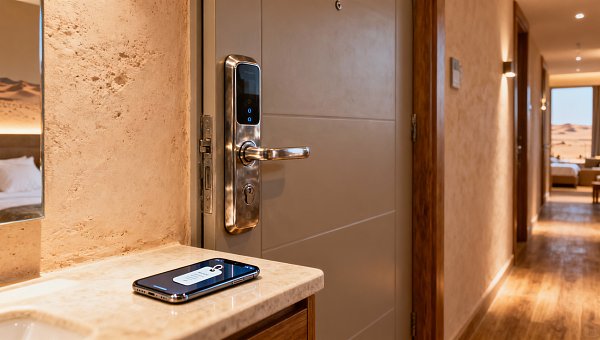
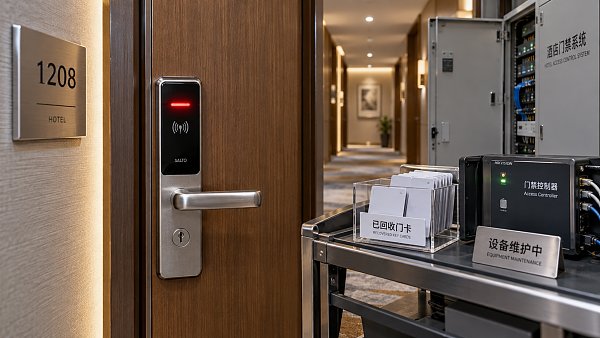
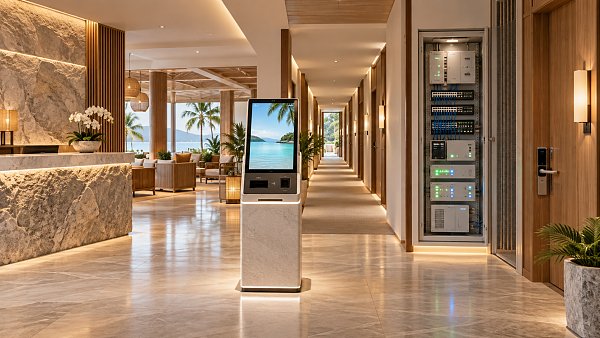
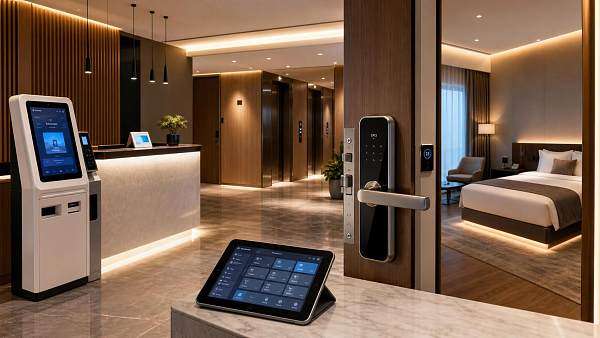
Access control matters because amusement-driven arrivals often cluster before evening entertainment or after park closure. Digital keys, QR-based room issuance, or integrated kiosk issuance can reduce queue dependence. For a 30-room resort, even a savings of 4 minutes per arrival during a 20-room peak creates a substantial operational buffer for front desk teams.
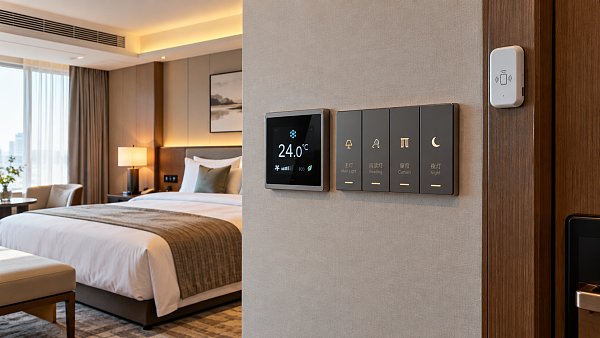
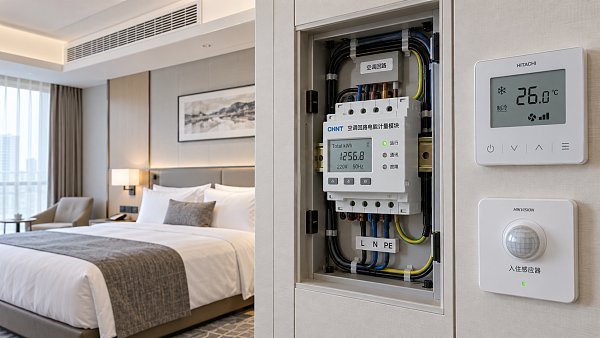
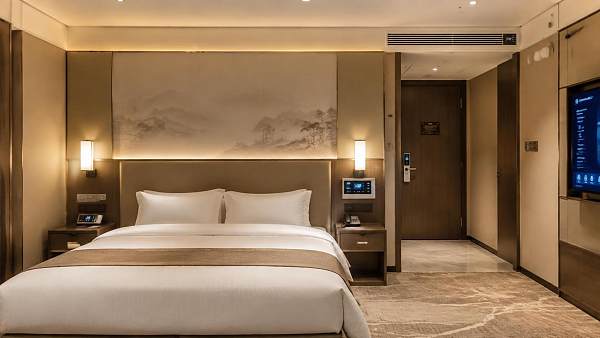
Energy management is equally important. Small resorts frequently operate in environmentally sensitive destinations where sustainable tourism standards influence procurement decisions. HVAC, water heating, and lighting are often the biggest controllable loads. Smart hotel management systems that tie occupancy detection to temperature and lighting scenes can reduce waste during idle periods, especially in modular guest units or glamping cabins.
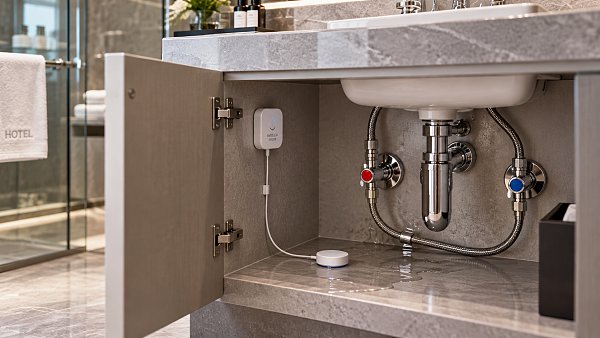
Fault monitoring becomes critical when a resort has limited technical staff on-site. A leaking valve, disconnected gateway, or unstable in-room control panel can create guest dissatisfaction quickly. With hotel IoT solutions, operators can identify failures by zone, device type, and time pattern instead of waiting for repeated guest complaints.
Core systems worth prioritizing first
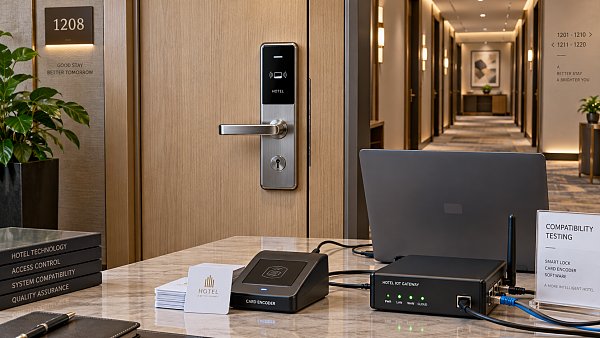
- Smart locks and credential management linked to reservation status.
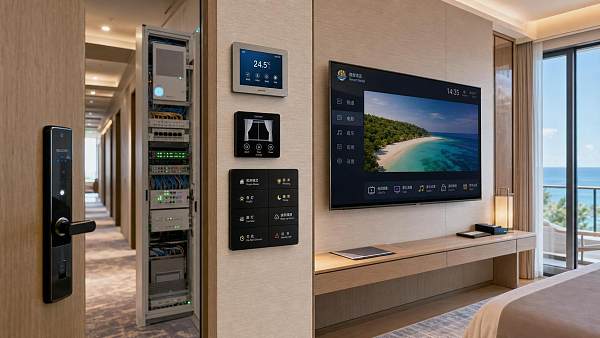
- HVAC and lighting automation tied to occupancy, booking, and housekeeping state.
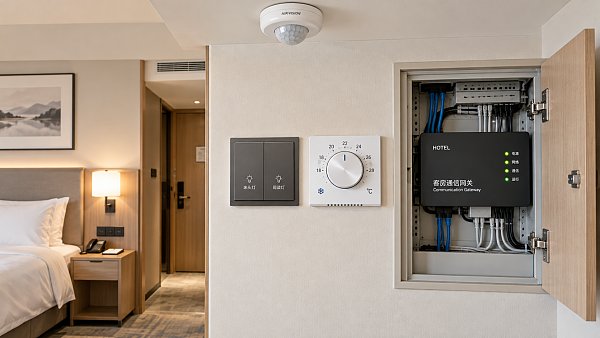
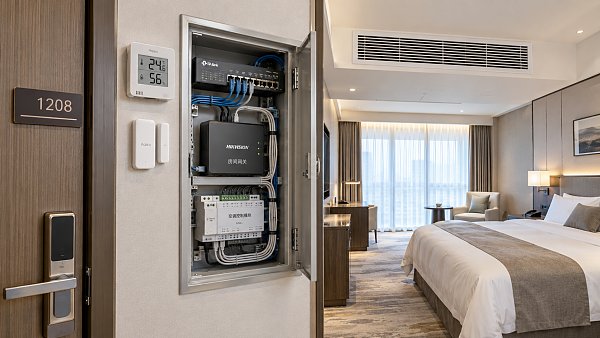
- Gateway-based device monitoring with dashboard alerts for battery, connectivity, and equipment faults.
- Water and energy sub-metering for cabins, villas, or attraction-adjacent lodging blocks.
- Housekeeping status synchronization to reduce room release delays.
Functional depth should match operating scale
A common mistake is installing high-complexity voice control, guest entertainment integration, and multi-platform personalization before the resort has stabilized its network and maintenance process. In a 25-room to 50-room property, reliability often creates more value than feature breadth. Procurement teams should ask whether a function reduces labor steps, lowers downtime, or improves occupancy-linked control. If not, it may be phase-two investment rather than phase-one infrastructure.
The following comparison helps buyers identify which smart components usually offer the best operational return in small resort environments.
For distributors, agents, and evaluators, this means product positioning should emphasize fit-for-purpose integration. In small resorts, “more modules” is not the strongest selling point. “Lower maintenance burden with clear utility and guest-flow gains” is usually the more convincing value proposition.
How to Control System Integration Cost Without Weakening Performance
System integration cost is one of the most underestimated risks in smart hotel design. Buyers often compare visible hardware prices but miss hidden expenses related to gateway duplication, software licensing overlap, custom API work, retraining, and service fragmentation. In a small resort, these hidden costs can materially affect return on investment because total room count is lower and every added cost is spread across fewer units.
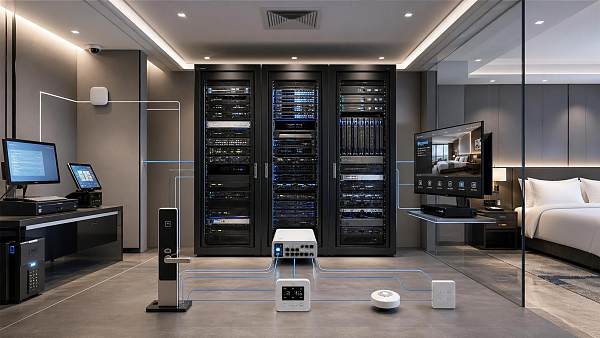
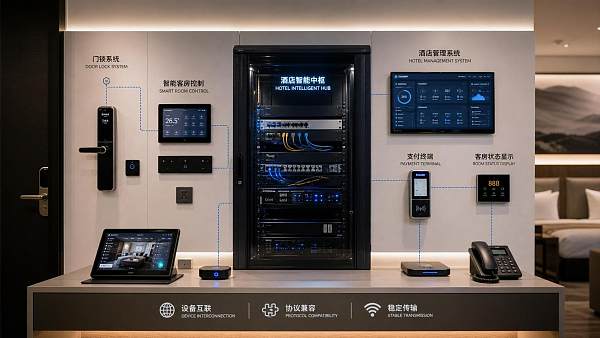
A practical approach is to evaluate integration in three layers: device layer, communication layer, and management layer. If a resort installs smart locks from one supplier, HVAC controls from another, and booking-linked automation from a third, the question is not whether each product works alone. The question is whether the combined architecture can be supported with one operating workflow and one realistic maintenance routine.
For many small projects, lower system integration cost comes from simplification rather than aggressive cost cutting. One reliable gateway serving multiple room functions may be more economical than several isolated control modules. Likewise, standard protocols often reduce long-term dependence on custom coding. In remote tourism destinations, this matters because technical intervention windows may be only every 30 to 60 days.
TVM-style benchmarking logic is useful here: compare not just purchase price, but throughput, durability, compatibility, energy impact, and maintenance interval. A slightly higher-capex component can still be the better procurement decision if it avoids recurring site visits, repeated device resets, or fragmented monitoring tools.
Five checkpoints before approving integration architecture
- Confirm how many platforms staff must use daily. In many small resorts, 1 to 2 interfaces are manageable; 4 or more often create process friction.
- Check whether lock, HVAC, lighting, and occupancy status can share event logic instead of running isolated rules.
- Verify offline fallback behavior for network disruption, especially in outdoor or mountainous resort sites.
- Review software fees over 3 years, not only initial activation charges.
- Ask whether spare parts and replacement lead times are compatible with the resort’s seasonality.
A practical procurement comparison framework
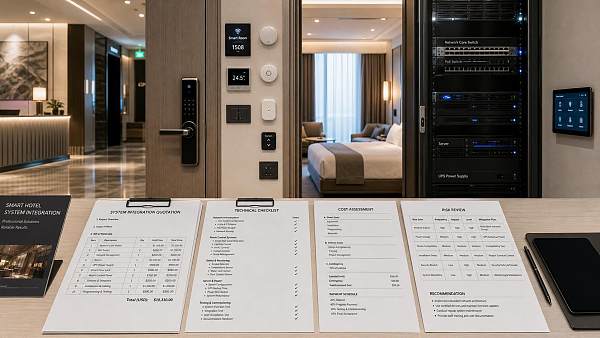
The table below can help business evaluators compare integration proposals using both technical and commercial criteria.
When system integration cost is managed this way, the result is not only cheaper deployment. It is a more sustainable operating model, which is especially important in compact resorts where technical overhead must stay lean.
Sustainable Tourism Standards and Smart Hotel Management in Practice
Sustainability in smart hotel design should be treated as an operating discipline, not a decorative label. For small resorts, especially those connected to amusement facilities in eco-sensitive or premium leisure destinations, sustainable tourism solutions need to deliver measurable outcomes in energy use, material durability, and maintenance efficiency. Procurement teams should therefore connect sustainability targets to specific control systems and building components.
One example is occupancy-based environmental control. If rooms remain empty during attraction hours from 10:00 to 18:00, HVAC and lighting should move to setback mode rather than maintaining full guest settings. Another example is water monitoring in cabin resorts, where localized leaks can remain unnoticed longer than in a single-building hotel. Smart hotel management can flag abnormal use patterns before they become repair-intensive problems.
Material selection also affects whether smart systems truly support sustainable tourism standards. Outdoor-oriented resorts often expose devices to humidity, dust, thermal cycling, or salt air. A control device that fails every 12 months is not sustainable, even if it appears efficient on paper. Buyers should ask about enclosure suitability, expected replacement interval, and serviceability under field conditions.
For amusement-integrated resorts, sustainability can also improve the guest experience. Quiet HVAC operation, stable room temperature recovery within 10 to 20 minutes, and consistent hot water availability after peak attraction hours all contribute to perceived quality. Smart design works best when environmental performance and guest comfort reinforce each other rather than compete.
Key sustainability-linked indicators to monitor
- Room energy use per occupied night across low, medium, and peak season blocks.
- HVAC setback recovery time after unoccupied periods.
- Leak detection response time and false alarm rate.
- Device replacement cycle in exposed outdoor or semi-outdoor installations.
- Guest complaint frequency related to temperature, access, or in-room control issues.
Sustainability decisions should stay measurable
A practical purchasing standard is to define acceptable ranges before ordering. For example, a buyer may require alert visibility within 5 minutes of a critical fault, acceptable room temperature stabilization within 15 minutes after guest entry, and a maintenance inspection cycle of 3 to 6 months depending on climate conditions. These thresholds keep sustainability tied to operating reality.
This is where data-driven review adds value. Instead of relying on broad “green” marketing language, procurement teams can compare thermal performance, monitoring logic, and lifecycle burden in a more disciplined way. That approach aligns closely with how infrastructure benchmarking platforms like TVM support tourism developers and hotel specifiers.
Implementation Roadmap, Common Mistakes, and Buyer FAQs
Even a strong smart hotel design can underperform if the rollout sequence is wrong. Small resorts should usually implement in 3 phases: infrastructure baseline, guest-facing control, and optimization. Phase 1 covers network stability, gateway placement, lock reliability, and dashboard visibility. Phase 2 adds room scenes, self-service arrival workflows, and housekeeping linkage. Phase 3 refines energy logic, reporting, and cross-system automation after at least 60 to 90 days of live operation data.
One frequent mistake is designing only for opening day. Resorts linked to amusement facilities often expand later with extra cabins, family suites, or wellness blocks. If the architecture cannot scale by 10 to 30 additional keys without major redesign, future phases become expensive. Another mistake is failing to align resort operations, IT support, and facility maintenance before deployment. Smart hotel management depends as much on workflow discipline as on hardware quality.
Buyers should also be realistic about training. For compact resorts, a system is not successful if only one specialist understands it. Front desk, housekeeping, and maintenance teams should all be able to use core functions after short training cycles, often within 2 to 5 sessions. Simpler interfaces usually outperform feature-heavy platforms in these settings.
Below is a concise implementation guide that can help evaluators structure supplier discussions and internal approval processes.
The strongest implementation plans are those that combine technical fit, manageable training, and measurable post-opening review. That combination is what turns smart design from a concept into a working resort asset.
How do buyers know if a smart hotel system is over-engineered?
If the system requires multiple dashboards, extensive custom coding, or specialist-only maintenance for a 20-room to 60-room resort, it is probably too complex. A better fit is one that covers core access, room control, and monitoring with limited operational friction and clear fallback behavior.
What delivery timeline is common for small resort smart upgrades?
For retrofit projects, 4 to 10 weeks is a common planning and installation window, depending on room count, wiring conditions, and software integration depth. New-build projects may align installation with the broader MEP schedule and often require earlier interface coordination.
Which indicators matter most during procurement review?
Focus on compatibility, fault visibility, environmental durability, training burden, service interval, and 3-year operating cost. In amusement-oriented resorts, the ability to stay stable during guest surges is often more important than having the longest feature list.
Can smart hotel design support distributors and regional partners?
Yes. Standardized, modular systems with clear technical documentation are easier for distributors, agents, and local integrators to support. They also reduce post-sale friction and improve handover quality across different resort development regions.
What makes smart hotel design work in small resorts is not technology volume, but technical fit. The right combination of smart hotel automation, hotel IoT solutions, durable infrastructure, and sustainable tourism solutions helps compact resorts near amusement facilities operate with less friction, lower utility waste, and stronger guest consistency.
For information researchers, procurement managers, commercial evaluators, and channel partners, the most reliable decisions come from comparing integration logic, maintenance burden, and measurable performance rather than surface features alone. TerraVista Metrics (TVM) supports that approach by translating tourism hardware and hospitality systems into benchmark-driven evaluation criteria that are easier to verify and apply.
If you are assessing smart resort accommodation, planning an amusement-linked hotel upgrade, or screening suppliers for sustainable tourism standards and system integration cost, now is the right time to review your specification framework. Contact us to discuss your project, request a tailored evaluation perspective, or learn more about practical smart hospitality solutions for compact resort environments.
Recommended News
 Nov 16, 2026Vingcard Deploys MENA’s First Native Wallet Hotel Keys in EgyptVingcard and Hudini bring native wallet hotel keys to three Egypt resorts. Discover what app-free access could mean for hotel buyers and suppliers.
 Oct 26, 2026Roseate Targets 30 Hotels by 2030, Plans New Smart Hotel BrandRoseate Hotels & Resorts targets 30 hotels by 2030, with an upscale smart hotel brand planned for early 2027. Explore its expansion strategy across India's smaller cities and core markets.
 Oct 20, 2026Amadeus Adds Embedded Travel Protection to iHotelierAmadeus adds embedded travel protection to iHotelier with Pattern. Explore the potential for greater guest confidence, new hotel revenue and key considerations before adoption.
 Oct 17, 2026Custom Smart Hotel Solutions: Integrating Room Controls With Your Existing PMSDiscover a smart hotel custom solution that connects room controls to your existing PMS, enhances guest comfort, and improves reliability without unnecessary infrastructure replacement.
 Oct 26, 2026Why Did Hotel Room Controls Stop Syncing After a Software Update?Why did hotel room controls stop syncing after a software update? Discover common causes, practical fixes, and testing steps to restore reliable lighting, temperature, and occupancy control.
 Oct 25, 2026How Do I Check Smart Lock Compatibility With Existing Hotel Software?How do I check whether smart locks will work with our existing hotel software? Discover PMS checks, mobile-key tests, and outage safeguards to validate compatibility before you invest.
 Oct 22, 2026Where to Place Smart Sensors in Hotels for Early Water Leak DetectionDiscover where to place smart sensors for hospitality properties to detect water leaks early. Protect guestrooms, HVAC units, and service areas with practical placement tips.
 Oct 22, 2026How Smart Sensors Connect to Hotel Property and Building Management SystemsExplore smart sensors for hospitality property management: learn how PMS and BMS integration supports guest comfort, reliable controls, and security—and what to verify before deployment.
 Oct 19, 2026How Can You Verify Energy Cost Savings From Hotel Room Automation?How do I check whether room automation actually reduced energy costs? Learn to verify hotel savings with occupancy-adjusted data, tariff analysis, and comfort checks before investing.
 Oct 17, 2026How Do You Revoke a Former Contractor's Access to Hotel Smart Systems?How do I revoke a former contractor's access to hotel smart systems? Get a practical checklist to disable accounts, revoke keys, and secure integrations without disrupting hotel operations.
 Sep 25, 2026Resort System Integration: How to Connect PMS, Guestroom Controls, and KiosksResort system integration guide: connect PMS, guestroom controls, and kiosks with reliable workflows, secure data, and seamless guest experiences.
 Sep 08, 2026How to Build Stable Interoperability Across Hotel Guestroom SystemsHospitality system interoperability stable: learn how hotels can align room states, command priorities, local fallback, and testing for reliable guestroom operations.
 Aug 18, 2026What Hotel System Interoperability Means for PMS, POS, and Guestroom TechHotel system interoperability shapes how PMS, POS, and guestroom tech perform in real hotels. Learn the key risks, validation points, and smarter ways to build resilient operations.
 Aug 10, 2026How to Evaluate a Smart Hotel System Integration Quotation Before ApprovalSystem integration quotation for smart hotels: learn how to assess scope, interoperability, cybersecurity, lifecycle cost, and hidden risks before approval.
 Jul 28, 2026How to Evaluate a Smart Hotel Application for Guest Experience and Staff EfficiencySmart hotel application evaluation made practical: learn how to compare integrations, guest journey design, staff workflows, security, and total cost to choose a smarter hotel solution.
 Jul 12, 2026Premium Camping Q2 Up 19% as Europe Expands Guestroom AutomationPremium camping grew 19% in Q2 as Europe accelerates guestroom automation. Discover how Germany, France, and Switzerland are driving demand for smarter campsites.
 Jul 11, 2026System Integration Testing for Resorts: Key Steps Before Guestroom Tech Goes LiveSystem integration testing for resorts: discover the 6 essential pre-opening steps to prevent guestroom tech failures, reduce launch risk, and protect guest satisfaction.
 Jul 10, 2026Hospitality System Interoperability Buyer Guide: What to Check Before You BuyHospitality system interoperability buyer guide: learn what to verify before you buy, from APIs and device compatibility to security, scalability, hidden costs, and vendor risk.
 Jul 09, 2026CPSC advisory puts offline AI checks on hotel voice devicesCPSC advisory reshapes compliance for hotel voice devices with offline AI. Learn how FCC Part 15 checks, labeling, and shipment readiness may impact U.S. hotel projects.
 Jul 08, 2026CPSC Sets Offline AI Rule for Guestroom Voice ModulesCPSC Sets Offline AI Rule for Guestroom Voice Modules: learn how the 2026 U.S. update impacts compliance, imports, hotel tech sourcing, and recall risk for suppliers.
 Jul 07, 2026CPSC Sets Offline AI Bar for Hotel Voice DevicesCPSC sets a new offline AI bar for hotel voice devices. Learn how the 2026 guidance impacts guestroom automation, import checks, supplier compliance, and hotel procurement decisions.
![]() Jul 06, 2026CPSC Requires Offline AI in Guestroom Voice SystemsCPSC requires offline AI in guestroom voice systems starting Oct 1, 2026. Learn how this rule impacts Alexa/Google integrations, compliance, procurement, and U.S. market shipments.
 Jul 06, 2026How to Reduce Hospitality System Interoperability Latency Across PMS, POS, and IoTHospitality system interoperability latency affects guest experience, revenue accuracy, and IoT responsiveness. Learn practical ways to reduce delays across PMS, POS, and smart hotel systems.
 Jul 05, 2026CPSC Orders Offline AI for Hotel Voice ModulesCPSC orders offline AI for hotel voice modules by Oct 1, 2026. Learn how local AI inference rules will impact U.S. hotel automation sourcing, integration, and compliance.
{item.publish_time}{item.title}{item.description}Quarterly Executive Summaries Delivered Directly.
Join 50,000+ industry leaders who receive our proprietary market analysis and policy outlooks before they hit the public library.