Search News
TerraVista Metrics (TVM)Industry Portal
TerraVista Metrics (TVM)Hot Articles
TerraVista Metrics (TVM)- Cableway Station Spacing: How Terrain and Capacity Shape the DistanceExplore cableway systems station spacing and learn how terrain, passenger capacity and safety shape practical, route-specific design decisions.
- What Is an Industry Insights Data Model? Key Components and UsesDiscover how an industry insights data model connects market data, improves comparisons, and supports smarter benchmarking and procurement decisions.
- Vingcard Deploys MENA’s First Native Wallet Hotel Keys in EgyptVingcard and Hudini bring native wallet hotel keys to three Egypt resorts. Discover what app-free access could mean for hotel buyers and suppliers.
Popular Tags
TerraVista Metrics (TVM)Industry NewsCPSC Launches COPPA 2.0 Review for Kiosk Tech with FCC+FTC Dual Certification
auth.Lydia Vancini (Smart Hospitality IoT Consultant)Time
Nov 16, 2026Click Count
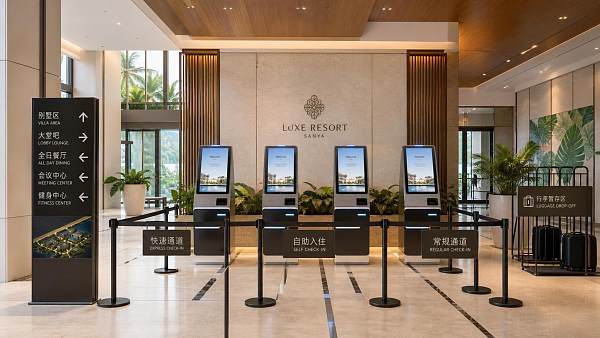
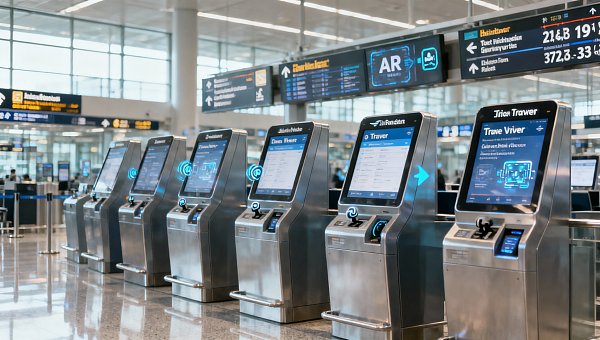
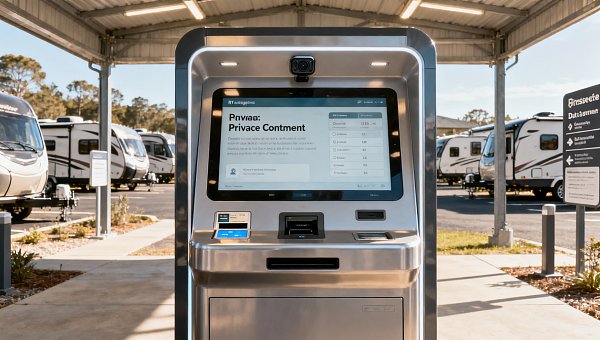
On April 30, 2026, the U.S. Consumer Product Safety Commission (CPSC) initiated a targeted compliance review—Kiosk Tech COPPA 2.0—focusing on interactive kiosks marketed to children, including smart wayfinding terminals in museums, self-service check-in stations in hotels, and retail self-checkout units with AI-driven voice or visual interfaces. This development directly impacts manufacturers, exporters, and distributors supplying into U.S. education, cultural tourism, and retail sectors—and signals a material shift in regulatory expectations for embedded AI in consumer-facing physical devices.
Event Overview
The U.S. Consumer Product Safety Commission (CPSC) announced on April 30, 2026, the launch of a dedicated compliance review program titled 'Kiosk Tech COPPA 2.0'. The initiative applies specifically to kiosk-type devices—including but not limited to interactive guide kiosks and hotel self-service terminals—that incorporate voice- or vision-based artificial intelligence interfaces and are directed at children under 13. Under the new requirement, such devices must satisfy not only existing Children’s Online Privacy Protection Act (COPPA) obligations but also two additional validations: FCC Part 15B electromagnetic compatibility certification and FTC-conducted data minimization audit. No further implementation timelines, grandfathering provisions, or transitional allowances were disclosed in the initial announcement.
Industries Affected by Segment
Manufacturers Exporting to U.S. Education & Tourism Channels
Chinese and other non-U.S. manufacturers producing AI-enabled kiosks for schools, museums, theme parks, or hotels face immediate market access risk. Without both FCC Part 15B certification and FTC data minimization audit documentation, products cannot be legally placed into U.S. educational or cultural tourism environments—even if previously compliant with COPPA alone.
Retail Hardware Integrators & Solution Providers
U.S.-based system integrators deploying kiosk solutions for grocery chains, pharmacies, or department stores must now verify dual certification status for every AI-integrated component—not just software layers. This introduces new procurement checkpoints, extended lead times for device validation, and potential rework of deployed hardware fleets where AI features are enabled post-installation.
Supply Chain Service Providers (Testing Labs, Certification Consultants)
Third-party labs accredited for FCC Part 15B testing—and auditors authorized by the FTC for data minimization assessments—will see increased demand for coordinated evaluation packages. However, no official list of FTC-authorized auditors has been published; current eligibility remains undefined beyond general FTC enforcement authority.
What Enterprises and Practitioners Should Monitor and Do Now
Track CPSC’s forthcoming guidance documents and FTC audit criteria
The CPSC announcement references COPPA 2.0 but does not define its scope, technical thresholds (e.g., what constitutes ‘AI interaction’), or enforcement triggers. Stakeholders should monitor CPSC’s Federal Register notices and FTC public workshops scheduled for Q3 2026—where proposed audit protocols for data minimization may be outlined.
Map product lines against three certification touchpoints: COPPA, FCC Part 15B, FTC audit
Companies should inventory all kiosk models shipped to or intended for U.S. child-directed settings, then classify each by whether it includes voice recognition, facial analysis, gesture tracking, or other AI-mediated input. Only those meeting all three requirements—COPPA compliance, FCC Part 15B, and documented FTC-aligned data minimization—can proceed without restriction.
Distinguish policy signal from enforceable obligation
As of April 30, 2026, the CPSC has launched a ‘review’, not a rulemaking. Enforcement action requires either a formal notice-and-comment rule or a CPSC resolution citing imminent hazard. Current status is best understood as a high-priority examination phase—not yet a binding mandate with penalties. Nonetheless, importers and retailers are already adjusting procurement policies in anticipation.
Prepare for parallel engagement with FCC and FTC pathways
FCC Part 15B is a well-established technical certification process, but FTC data minimization audits have no standardized template. Companies should initiate internal data flow mapping (especially for audio/video inputs, biometric processing, and cloud-based inference) and engage legal counsel experienced in FTC privacy enforcement precedents—not generic GDPR consultants.
Editorial Observation / Industry Perspective
Observably, this CPSC action functions less as an immediate compliance deadline and more as a structured warning: AI capabilities embedded in physical devices—long treated as ‘hardware-only’ under legacy frameworks—are now being evaluated through layered digital privacy and electromagnetic safety lenses. Analysis shows that the pairing of FCC and FTC requirements reflects a broader interagency coordination trend, where device safety and data governance are no longer siloed domains. From an industry perspective, this signals growing regulatory convergence across physical-digital hybrid products—but also highlights unresolved gaps, particularly around FTC audit scalability and cross-border evidence acceptance.
Current status is better understood as a preparatory phase rather than a finalized regime. While CPSC has authority over product safety, its invocation of FTC standards suggests reliance on interagency alignment rather than independent rulemaking power. Sustained attention is warranted—not because enforcement is imminent, but because precedent-setting reviews often inform future statutory amendments or state-level adoption.
Conclusion: The CPSC’s Kiosk Tech COPPA 2.0 review marks a procedural escalation in how U.S. agencies assess AI-integrated physical products aimed at children. It does not yet constitute a new law or enforceable standard, but it establishes a clear expectation: compliance must span electromagnetic safety, online privacy law, and data handling rigor—simultaneously. For stakeholders, the most pragmatic stance is proactive alignment—not reactive remediation—with the tripartite framework emerging across CPSC, FCC, and FTC jurisdictions.
Information Source: U.S. Consumer Product Safety Commission (CPSC) official press release dated April 30, 2026. Note: FTC audit methodology, authorized auditor list, and CPSC enforcement thresholds remain pending clarification and are subject to ongoing observation.
Recommended News
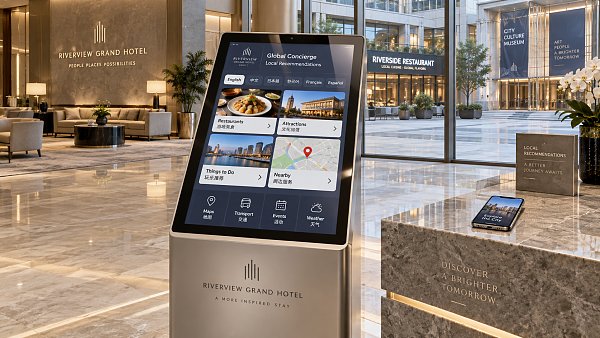
 Oct 24, 2026Using a Concierge Kiosk to Offer Multilingual Local RecommendationsUse a concierge kiosk to deliver multilingual local recommendations guests can trust. Discover practical tips for accurate listings, smart filters, and seamless QR directions.
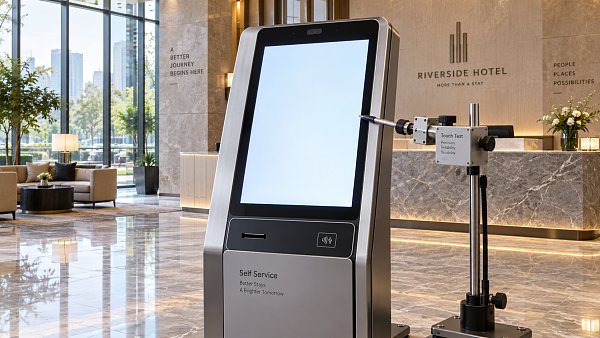
 Oct 24, 2026Choosing a Hotel Kiosk Display: Brightness, Touch Accuracy, and DurabilityChoose the right hotel kiosk display with expert guidance on brightness, touch accuracy, and durability. Discover what to test to improve guest experiences and reduce maintenance costs.
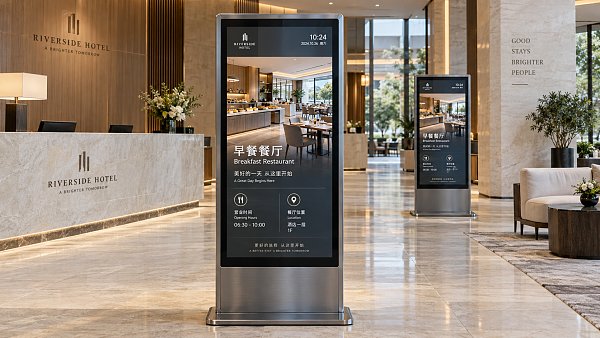
 Oct 23, 2026Keeping Hotel Information Kiosks Accurate When Guest Services ChangeKeep hotels information kiosk content accurate as services change. Discover practical workflows, screen checks, and multilingual tips to reduce confusion and improve guest service.
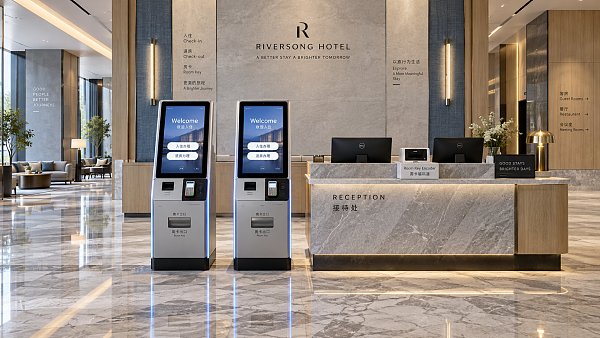
 Oct 23, 2026Self-Service Kiosks vs. Staffed Check-In: Which Fits Your Hotel?Considering a kiosk in hospitality sector operations? Compare self-service and staffed hotel check-in, costs, integration, and guest experience to find the right fit for your property.
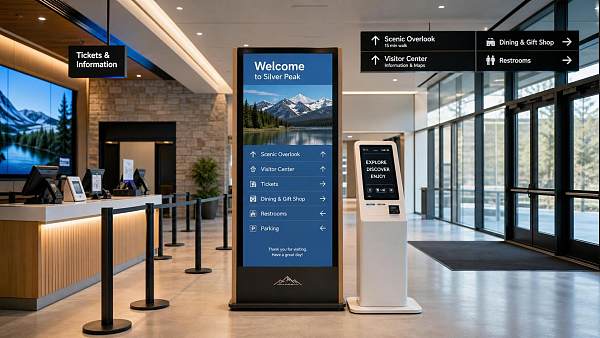
 Aug 04, 2026What Tourism Hardware Does a Visitor Center Need for Better Wayfinding and Service?Tourism hardware for visitor centers: discover the essential signs, kiosks, counters, and queue systems that improve wayfinding, service efficiency, accessibility, and visitor experience.
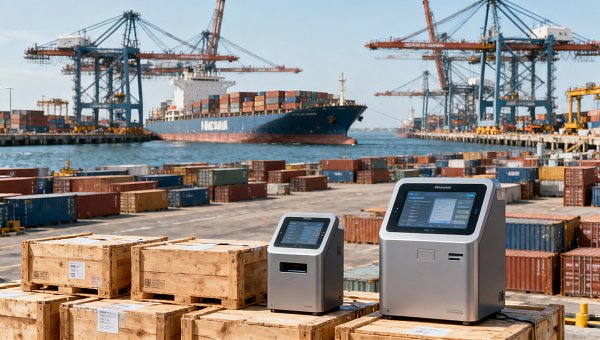
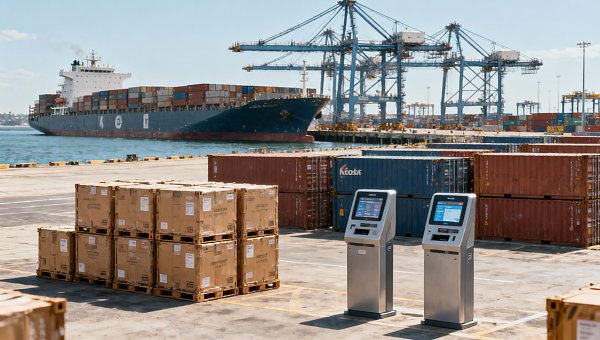
 Jul 14, 2026West Coast Port Strain Extends Kiosk Tech Sea Lead TimesWest Coast port strain is extending Kiosk Tech sea lead times to 48 days, raising PSS and delivery risk. See what exporters, buyers, and service teams must do now.
 Jul 12, 2026US West Coast Strike Extends Kiosk Tech Lead TimesUS West Coast Strike Extends Kiosk Tech Lead Times—learn how port disruption, Red Sea rerouting, and Mexico diversion are reshaping Q3 inventory, routing, and delivery planning.
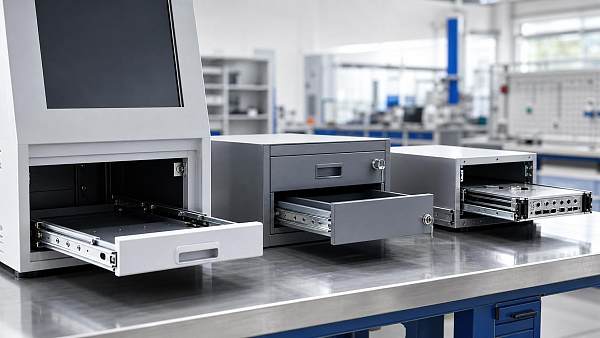
 Jul 12, 2026How to Compare Cost Effective Slide Systems for Kiosks, Cabinets, and Compact EquipmentCost effective slide systems compared for kiosks, cabinets, and compact equipment. Learn how to evaluate load, cycle life, fit, and maintenance for smarter sourcing.
 Jul 10, 2026GCC Rule Adds Local Privacy Sandbox to Facial Recognition KiosksGCC rule updates put facial recognition kiosks under tighter compliance from July 10, 2026. Learn how local privacy sandbox firmware, GSO reports, and longer lead times affect GCC market access.
 Jul 09, 2026Singapore Tightens Kiosk Imports for Facial RecognitionSingapore Tightens Kiosk Imports for Facial Recognition: learn the new PSB rules, firmware SDK, and local data caching requirements before August 1, 2026.
 Jul 08, 2026ISPO Munich Adds Smart Wayfinding Pavilion as EU-US Interest Jumps 67%ISPO Munich spotlights smart wayfinding as EU-US interest jumps 67%. Explore AR navigation, multilingual kiosks, and offline maps shaping outdoor venue projects.
 Jul 07, 2026ISPO 2026 Kiosk Zone Signals New Buying RulesISPO 2026 Kiosk Zone signals new buying rules for smart wayfinding terminals, highlighting EN 301 549 compliance, localized CMS needs, and rising EU buyer demand.
![]() Jul 06, 2026ISPO Adds Kiosk Tech as China Draws Buyer InterestISPO adds Kiosk Tech as China draws buyer interest, signaling rising demand for IP65 outdoor kiosk terminals, offline OTA maps, and multilingual guidance solutions for parks, resorts, and ski areas.
 Jul 06, 2026Resort Self Check-In Kiosks: Best Use Cases, Guest Flow Risks, and Setup TipsResort self check in kiosks explained: discover the best use cases, common guest flow risks, and practical setup tips to reduce queues and improve resort arrivals.
 Jul 05, 2026ISPO Munich 2026 Adds Kiosk Tech Zone as Chinese Outdoor Terminals Draw OrdersISPO Munich 2026 spotlights kiosk tech as Chinese outdoor terminals win 1,240 orders. Explore how smart wayfinding, AR navigation, and solar-powered kiosks are reshaping parks and resorts.
 Jul 04, 2026ISPO Opens Kiosk Tech Zone as China Devices Draw BuyersISPO Opens Kiosk Tech Zone as China devices draw buyers, highlighting demand for smart guide terminals with offline maps, AR, and LoRaWAN/NB-IoT—see what suppliers and buyers should prepare now.
 Jul 03, 2026ISPO Munich 2026 Debuts Kiosk Tech ZoneISPO Munich 2026 debuts Kiosk Tech Zone, spotlighting smart wayfinding kiosks for ski resorts. Explore buyer demand for IP65+, -30°C performance, AR navigation, and offline maps.
 Jul 02, 2026ISPO Adds Kiosk Tech Zone as China Suppliers Draw OrdersISPO adds Kiosk Tech Zone as China suppliers win orders for smart wayfinding kiosks. Explore how IP66, solar charging, offline maps, and rising MOQs are reshaping procurement.
 Jul 01, 2026ISPO Munich 2026 Adds Kiosk Tech as Chinese Guide Terminals Draw BuyersISPO Munich 2026 spotlights Kiosk Tech as Chinese guide terminals attract buyers with multilingual AR navigation and offline maps. Explore the 210% order surge, delivery timelines, and GDPR-ready deployment trends.
 Jul 01, 2026Kiosk Technology for Guest Services: Which Features Improve Check-In and Self-ServiceKiosk technology for guest services: discover which features improve check-in, self-service speed, system integration, and guest satisfaction across hotels, resorts, and attractions.
 Jun 30, 2026SASO Opens 72-Hour Fast Track for Kiosk TechSASO Opens 72-Hour Fast Track for Kiosk Tech: learn how Saudi local cloud hosting, ISO/IEC 27001:2022, and FastTrack-3 can cut approval time and speed market entry.
 Jun 29, 2026Saudi SASO Tightens Kiosk Cloud Hosting RulesSaudi SASO Tightens Kiosk Cloud Hosting Rules: learn how the 2026 SABER update affects smart kiosk compliance, local cloud hosting, certification, and Saudi market entry.
 Jun 25, 2026Tongcheng Links to WeChat AI Ecosystem for Kiosk ExpansionTongcheng Links to WeChat AI Ecosystem for Kiosk Expansion: explore how multilingual voice, AR wayfinding, and offline facial verification could reshape airport kiosks and cross-border travel tech.
 Jun 12, 2026China Ticketing Probe Raises Kiosk Compliance FocusChina Ticketing Probe raises urgent Kiosk Tech compliance questions for RV Components suppliers, from biometric data controls to GDPR and China PIPL readiness across global deployments.
{item.publish_time}{item.title}{item.description}Quarterly Executive Summaries Delivered Directly.
Join 50,000+ industry leaders who receive our proprietary market analysis and policy outlooks before they hit the public library.