Search News
TerraVista Metrics (TVM)Industry Portal
TerraVista Metrics (TVM)Hot Articles
TerraVista Metrics (TVM)- Cableway Station Spacing: How Terrain and Capacity Shape the DistanceExplore cableway systems station spacing and learn how terrain, passenger capacity and safety shape practical, route-specific design decisions.
- What Is an Industry Insights Data Model? Key Components and UsesDiscover how an industry insights data model connects market data, improves comparisons, and supports smarter benchmarking and procurement decisions.
- Vingcard Deploys MENA’s First Native Wallet Hotel Keys in EgyptVingcard and Hudini bring native wallet hotel keys to three Egypt resorts. Discover what app-free access could mean for hotel buyers and suppliers.
Popular Tags
TerraVista Metrics (TVM)Industry NewsCPSC Urges Dual UL Certification for Outdoor Energy Kiosks by Oct 2026
auth.Lydia Vancini (Smart Hospitality IoT Consultant)Time
Nov 16, 2026Click Count
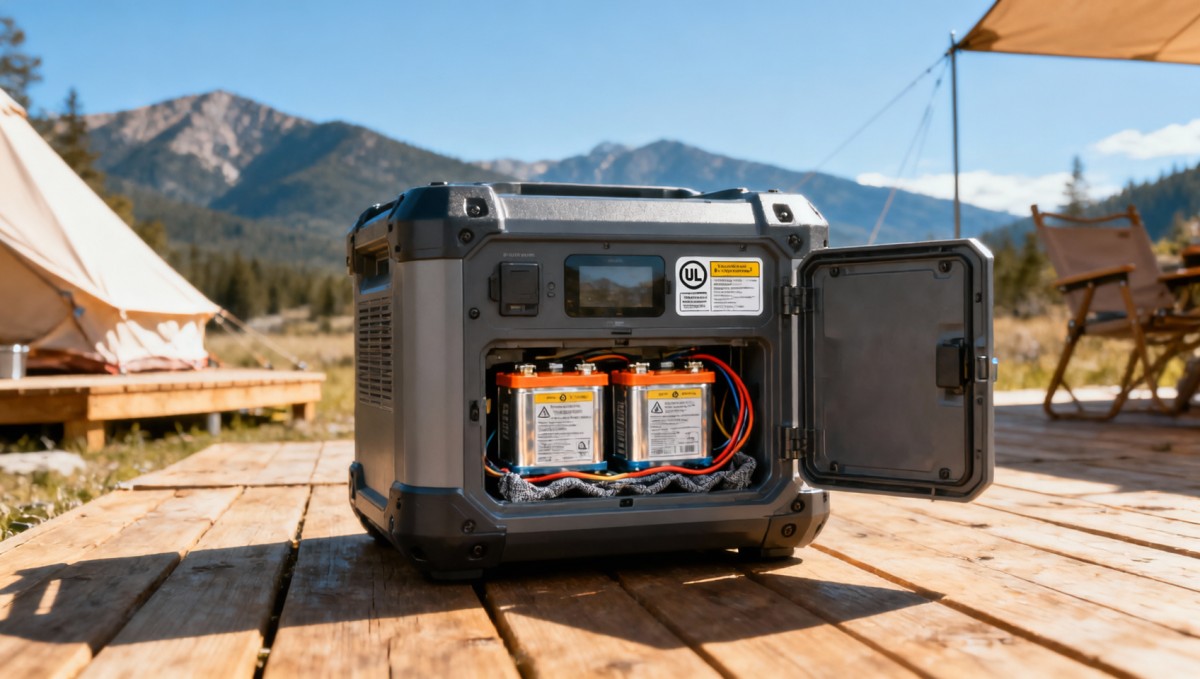
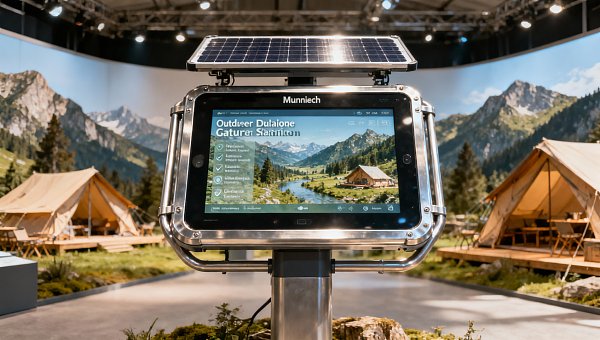
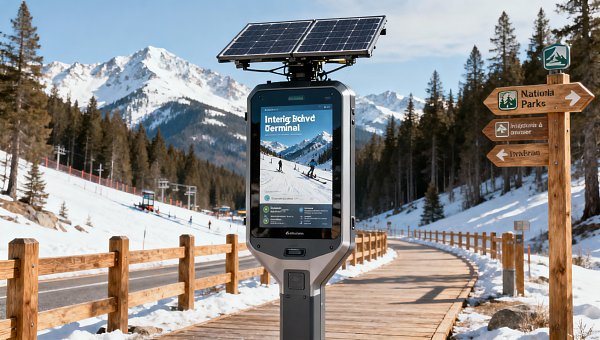
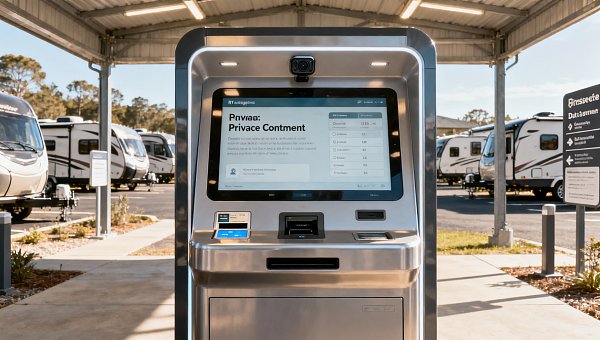
On April 18, 2026, the U.S. Consumer Product Safety Commission (CPSC) issued Safety Alert SA-2026-0418, mandating dual certification—UL 991 (electrical fire risk assessment) and UL 1642 (thermal runaway fuse module)—for all lithium-battery-integrated outdoor smart terminals sold or distributed in the U.S. This includes campsite kiosk tech, glamping energy stations, and RV auxiliary power units. The deadline for compliance is October 1, 2026. Non-compliant products face platform delisting and U.S. Customs detention—making this a high-priority regulatory shift for exporters, OEMs, and channel partners serving the North American outdoor energy market.
Event Overview
The U.S. Consumer Product Safety Commission (CPSC) published Safety Alert SA-2026-0418 on April 18, 2026. The alert requires that all outdoor lithium-ion energy storage systems embedded in smart terminals—including campsite kiosk technology, glamping energy stations, and RV component power units—must obtain both UL 991 certification (for electrical fire risk evaluation) and UL 1642 certification (for thermal runaway mitigation via integrated fusing) before October 1, 2026. The requirement applies to all products entering U.S. sales and distribution channels. Failure to comply may result in e-commerce platform removal and U.S. Customs import detention.
Which Subsectors Are Affected
Direct Exporters & U.S.-Bound Manufacturers
Manufacturers exporting outdoor smart terminals with integrated lithium battery systems to the U.S. are directly subject to the new requirement. Compliance affects product listing eligibility, import clearance, and post-sale liability exposure. Impact manifests as extended time-to-market due to certification lead times, potential redesign costs for thermal management and circuit protection modules, and increased documentation burden for customs declarations.
OEM/ODM Suppliers Serving Outdoor Tech Brands
Contract manufacturers producing kiosk tech, glamping energy hubs, or RV power units for branded clients must now embed dual-certified safety architecture at the system level—not just rely on cell-level UL 1642. This shifts design responsibility upstream and may trigger revisions to BOMs, firmware logic for thermal monitoring, and mechanical housing layouts accommodating UL 991–compliant wiring pathways and isolation zones.
Distribution & E-Commerce Channel Operators
U.S.-based distributors, marketplace sellers (e.g., Amazon, REI.com), and fulfillment centers handling outdoor energy hardware must verify certification status prior to warehousing or listing. Absence of valid UL 991 + UL 1642 documentation may block inventory intake or trigger automated deactivation of ASINs after October 1, 2026. This increases reliance on supplier-provided test reports and certificate traceability.
What Stakeholders Should Monitor & How to Respond
Track Official CPSC Guidance Updates and Enforcement Timelines
While SA-2026-0418 is an alert—not a formal rulemaking—it signals imminent enforcement posture. Stakeholders should monitor CPSC’s public docket for any follow-up notices, FAQs, or clarification letters, especially regarding transitional provisions, third-party lab recognition, and acceptable evidence formats (e.g., full test reports vs. summary letters).
Verify Certification Scope for Specific Product Configurations
UL 991 applies to system-level fire risk assessment, not individual components. Companies must confirm whether their existing certifications cover the exact configuration shipped (e.g., enclosure type, ventilation design, battery pack integration method). Re-testing may be required if prior UL 991 evaluations were performed on prototypes differing materially from production units.
Assess Supply Chain Readiness for Dual-Certified Thermal Fusing Modules
UL 1642 thermal runaway fusing requires dedicated hardware—such as pyro-fuses or thermally triggered disconnects—that must be validated within the full system context. Procurement teams should audit current suppliers’ ability to provide certified, drop-in-ready fusing solutions compliant with both UL 1642 and the system-level UL 991 evaluation boundary.
Prepare Documentation for Customs and Platform Compliance Checks
U.S. Customs and major e-commerce platforms are expected to request proof of compliance starting mid-2026. Companies should consolidate UL 991 and UL 1642 certificates, test reports, and a signed declaration of conformity into a single, version-controlled compliance dossier per SKU—ready for upload or submission upon request.
Editorial Perspective / Industry Observation
This alert is best understood not as a finalized regulation but as a strong, actionable signal of CPSC’s prioritization of thermal safety in consumer-facing outdoor energy hardware. Analysis来看, the pairing of UL 991 (system-level fire risk) with UL 1642 (cell-level thermal runaway control) reflects a layered safety philosophy—moving beyond isolated component certification toward integrated hazard mitigation. From industry角度看, it marks a shift from voluntary best practice to mandatory baseline expectation for U.S.-bound products. Current more relevant interpretation is that CPSC is aligning enforcement posture with recent incident trends involving lithium battery fires in unattended outdoor settings—rather than introducing entirely novel technical requirements.
Conclusion
This CPSC safety alert introduces a clear, time-bound compliance obligation with tangible operational consequences for manufacturers, suppliers, and distributors engaged in the U.S. outdoor energy terminal market. It does not redefine lithium battery safety fundamentals—but rather consolidates and enforces existing standards into a mandatory, dual-certification gate. Stakeholders are advised to treat it as a near-term execution priority, not a distant policy development. The most appropriate understanding is that this is an enforcement escalation grounded in established safety frameworks—not a technical pivot or speculative regulatory expansion.
Source Attribution
Main source: U.S. Consumer Product Safety Commission (CPSC), Safety Alert SA-2026-0418, issued April 18, 2026.
Areas requiring ongoing observation: CPSC’s official implementation guidance, recognition status of third-party testing laboratories for combined UL 991/UL 1642 evaluation, and enforcement patterns at U.S. ports of entry post-October 2026.
Recommended News
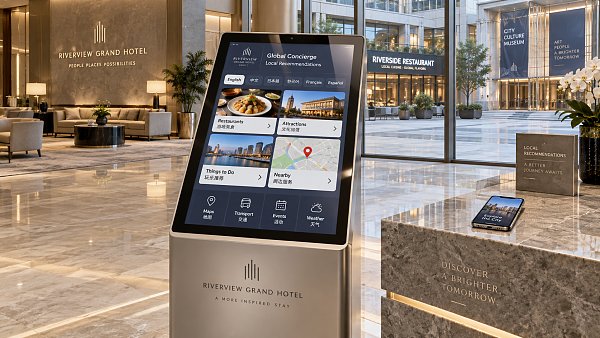
 Oct 24, 2026Using a Concierge Kiosk to Offer Multilingual Local RecommendationsUse a concierge kiosk to deliver multilingual local recommendations guests can trust. Discover practical tips for accurate listings, smart filters, and seamless QR directions.
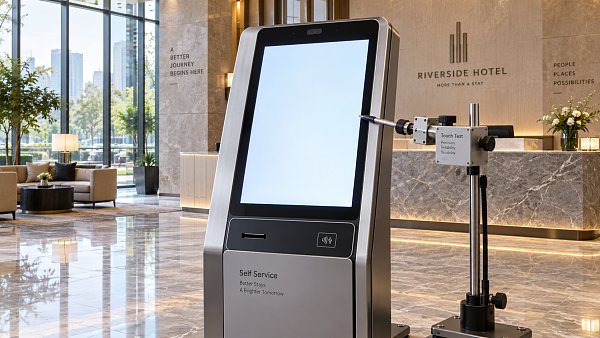
 Oct 24, 2026Choosing a Hotel Kiosk Display: Brightness, Touch Accuracy, and DurabilityChoose the right hotel kiosk display with expert guidance on brightness, touch accuracy, and durability. Discover what to test to improve guest experiences and reduce maintenance costs.
 Oct 23, 2026Keeping Hotel Information Kiosks Accurate When Guest Services ChangeKeep hotels information kiosk content accurate as services change. Discover practical workflows, screen checks, and multilingual tips to reduce confusion and improve guest service.
 Oct 23, 2026Self-Service Kiosks vs. Staffed Check-In: Which Fits Your Hotel?Considering a kiosk in hospitality sector operations? Compare self-service and staffed hotel check-in, costs, integration, and guest experience to find the right fit for your property.
 Aug 04, 2026What Tourism Hardware Does a Visitor Center Need for Better Wayfinding and Service?Tourism hardware for visitor centers: discover the essential signs, kiosks, counters, and queue systems that improve wayfinding, service efficiency, accessibility, and visitor experience.
 Jul 14, 2026West Coast Port Strain Extends Kiosk Tech Sea Lead TimesWest Coast port strain is extending Kiosk Tech sea lead times to 48 days, raising PSS and delivery risk. See what exporters, buyers, and service teams must do now.
 Jul 12, 2026US West Coast Strike Extends Kiosk Tech Lead TimesUS West Coast Strike Extends Kiosk Tech Lead Times—learn how port disruption, Red Sea rerouting, and Mexico diversion are reshaping Q3 inventory, routing, and delivery planning.
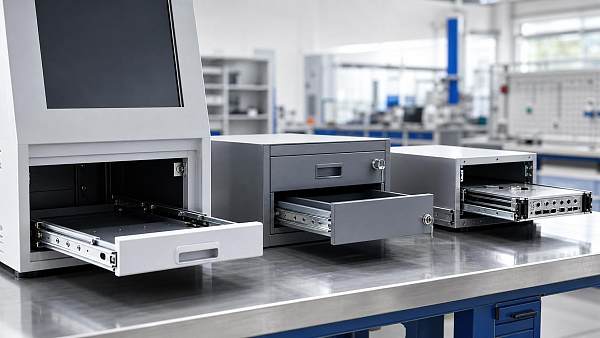
 Jul 12, 2026How to Compare Cost Effective Slide Systems for Kiosks, Cabinets, and Compact EquipmentCost effective slide systems compared for kiosks, cabinets, and compact equipment. Learn how to evaluate load, cycle life, fit, and maintenance for smarter sourcing.
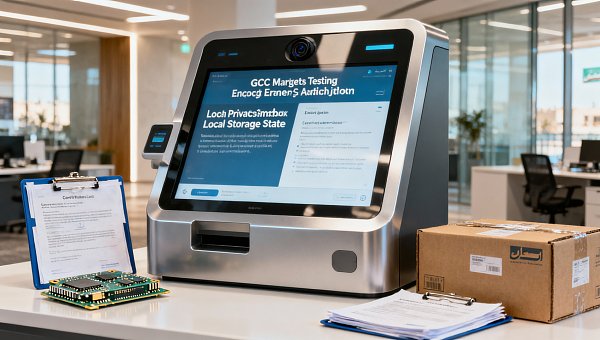
 Jul 10, 2026GCC Rule Adds Local Privacy Sandbox to Facial Recognition KiosksGCC rule updates put facial recognition kiosks under tighter compliance from July 10, 2026. Learn how local privacy sandbox firmware, GSO reports, and longer lead times affect GCC market access.
 Jul 09, 2026Singapore Tightens Kiosk Imports for Facial RecognitionSingapore Tightens Kiosk Imports for Facial Recognition: learn the new PSB rules, firmware SDK, and local data caching requirements before August 1, 2026.
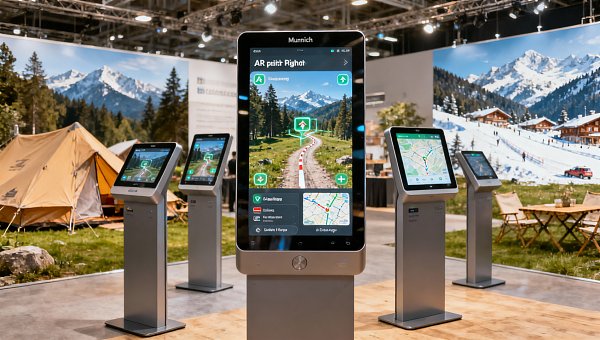
 Jul 08, 2026ISPO Munich Adds Smart Wayfinding Pavilion as EU-US Interest Jumps 67%ISPO Munich spotlights smart wayfinding as EU-US interest jumps 67%. Explore AR navigation, multilingual kiosks, and offline maps shaping outdoor venue projects.
 Jul 07, 2026ISPO 2026 Kiosk Zone Signals New Buying RulesISPO 2026 Kiosk Zone signals new buying rules for smart wayfinding terminals, highlighting EN 301 549 compliance, localized CMS needs, and rising EU buyer demand.
![]() Jul 06, 2026ISPO Adds Kiosk Tech as China Draws Buyer InterestISPO adds Kiosk Tech as China draws buyer interest, signaling rising demand for IP65 outdoor kiosk terminals, offline OTA maps, and multilingual guidance solutions for parks, resorts, and ski areas.
 Jul 06, 2026Resort Self Check-In Kiosks: Best Use Cases, Guest Flow Risks, and Setup TipsResort self check in kiosks explained: discover the best use cases, common guest flow risks, and practical setup tips to reduce queues and improve resort arrivals.
 Jul 05, 2026ISPO Munich 2026 Adds Kiosk Tech Zone as Chinese Outdoor Terminals Draw OrdersISPO Munich 2026 spotlights kiosk tech as Chinese outdoor terminals win 1,240 orders. Explore how smart wayfinding, AR navigation, and solar-powered kiosks are reshaping parks and resorts.
 Jul 04, 2026ISPO Opens Kiosk Tech Zone as China Devices Draw BuyersISPO Opens Kiosk Tech Zone as China devices draw buyers, highlighting demand for smart guide terminals with offline maps, AR, and LoRaWAN/NB-IoT—see what suppliers and buyers should prepare now.
 Jul 03, 2026ISPO Munich 2026 Debuts Kiosk Tech ZoneISPO Munich 2026 debuts Kiosk Tech Zone, spotlighting smart wayfinding kiosks for ski resorts. Explore buyer demand for IP65+, -30°C performance, AR navigation, and offline maps.
 Jul 02, 2026ISPO Adds Kiosk Tech Zone as China Suppliers Draw OrdersISPO adds Kiosk Tech Zone as China suppliers win orders for smart wayfinding kiosks. Explore how IP66, solar charging, offline maps, and rising MOQs are reshaping procurement.
 Jul 01, 2026ISPO Munich 2026 Adds Kiosk Tech as Chinese Guide Terminals Draw BuyersISPO Munich 2026 spotlights Kiosk Tech as Chinese guide terminals attract buyers with multilingual AR navigation and offline maps. Explore the 210% order surge, delivery timelines, and GDPR-ready deployment trends.
 Jul 01, 2026Kiosk Technology for Guest Services: Which Features Improve Check-In and Self-ServiceKiosk technology for guest services: discover which features improve check-in, self-service speed, system integration, and guest satisfaction across hotels, resorts, and attractions.
 Jun 30, 2026SASO Opens 72-Hour Fast Track for Kiosk TechSASO Opens 72-Hour Fast Track for Kiosk Tech: learn how Saudi local cloud hosting, ISO/IEC 27001:2022, and FastTrack-3 can cut approval time and speed market entry.
 Jun 29, 2026Saudi SASO Tightens Kiosk Cloud Hosting RulesSaudi SASO Tightens Kiosk Cloud Hosting Rules: learn how the 2026 SABER update affects smart kiosk compliance, local cloud hosting, certification, and Saudi market entry.
 Jun 25, 2026Tongcheng Links to WeChat AI Ecosystem for Kiosk ExpansionTongcheng Links to WeChat AI Ecosystem for Kiosk Expansion: explore how multilingual voice, AR wayfinding, and offline facial verification could reshape airport kiosks and cross-border travel tech.
 Jun 12, 2026China Ticketing Probe Raises Kiosk Compliance FocusChina Ticketing Probe raises urgent Kiosk Tech compliance questions for RV Components suppliers, from biometric data controls to GDPR and China PIPL readiness across global deployments.
{item.publish_time}{item.title}{item.description}Quarterly Executive Summaries Delivered Directly.
Join 50,000+ industry leaders who receive our proprietary market analysis and policy outlooks before they hit the public library.