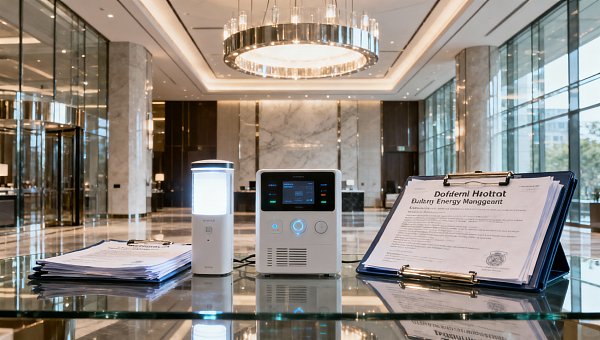
For hotel owners, developers, and procurement leaders, lighting is no longer just a design choice. It is a measurable operating asset.
Cost-effective smart lighting solutions can reduce waste, automate ambiance, and connect guest rooms with wider hotel IoT management systems.
The strongest projects do not buy the cheapest devices. They match controls, sensors, luminaires, software, and maintenance models to business outcomes.
What Decision-Makers Really Need From Smart Lighting
Most hotel executives search this topic because they need a practical answer: will smart lighting lower costs without creating operational complexity?
The answer is yes, but only when procurement decisions are based on lifecycle value, not catalog pricing or isolated energy-saving claims.
Hotels need lighting that improves energy performance, protects guest comfort, supports staff efficiency, and integrates cleanly with existing property systems.
For new developments, smart lighting can be designed into the room architecture. For retrofits, the priority is minimizing disruption and compatibility risk.
Enterprise buyers should therefore evaluate solutions through four lenses: payback period, guest experience, integration readiness, and long-term serviceability.
Why Lighting Is a Strategic Cost Center in Hotels
Guest room lighting affects electricity consumption, HVAC load, housekeeping productivity, maintenance scheduling, brand perception, and sustainability reporting.
In many properties, lights remain active when rooms are vacant, corridors are overlit, and back-of-house areas run on fixed schedules.
Smart controls address these losses by linking lighting behavior to occupancy, daylight availability, room status, and operational requirements.
The business case becomes stronger when lighting data supports broader energy management across rooms, public areas, meeting spaces, and exterior zones.
For asset owners, this shifts lighting from a passive expense into a controlled system with measurable performance indicators.
Where Cost-Effective Smart Lighting Solutions Deliver the Fastest Returns
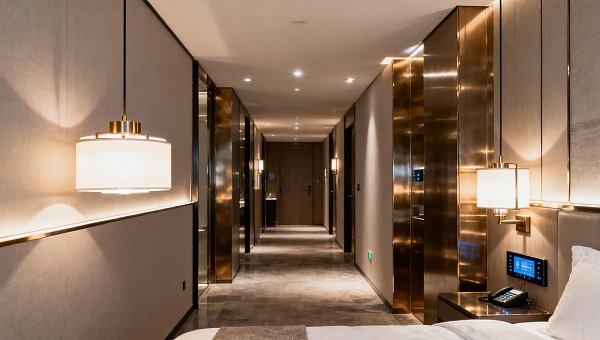
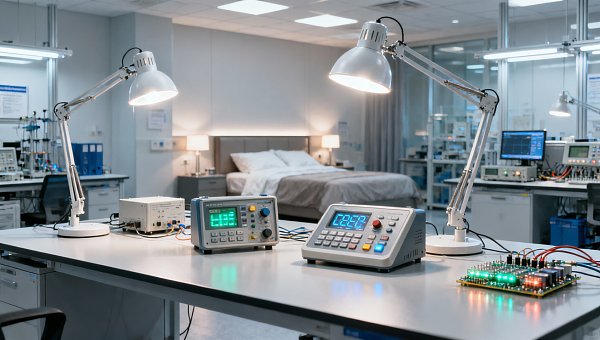
Guest rooms usually offer the most visible value because they combine high usage variation with strong guest expectations for comfort.
Occupancy-based lighting ensures unused rooms do not consume unnecessary power, while welcome scenes create a premium arrival experience.
Corridors, parking areas, service passages, and staff zones also generate savings through dimming schedules, motion detection, and zone-based control.
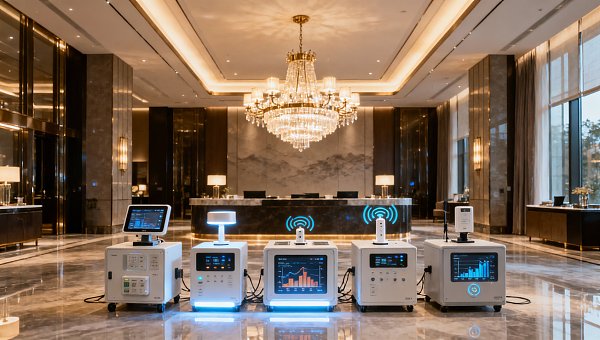
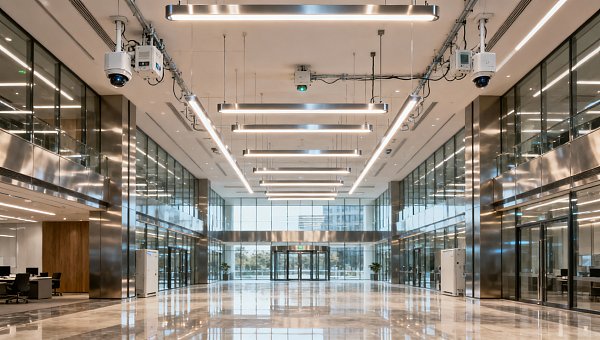
Public spaces require a more careful balance because lighting contributes directly to atmosphere, safety, wayfinding, and commercial revenue.
The best strategy is not total automation. It is targeted automation where usage patterns are predictable and waste is measurable.
Core Components That Matter More Than Marketing Claims
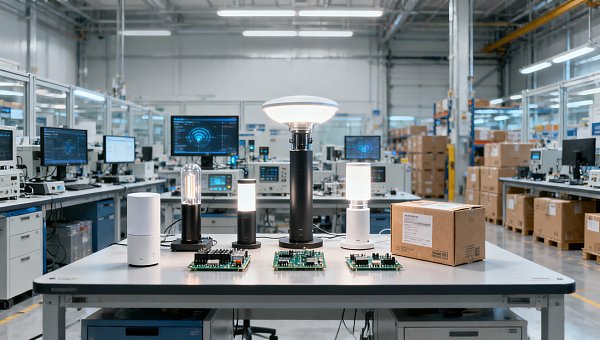
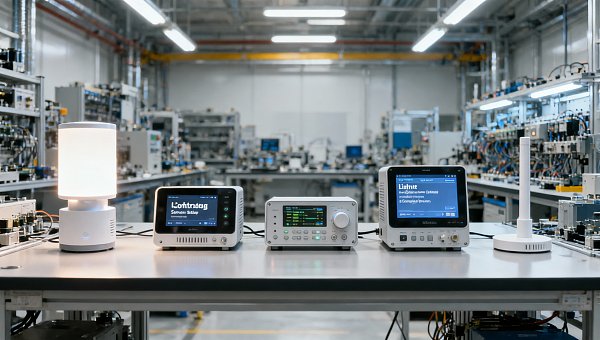
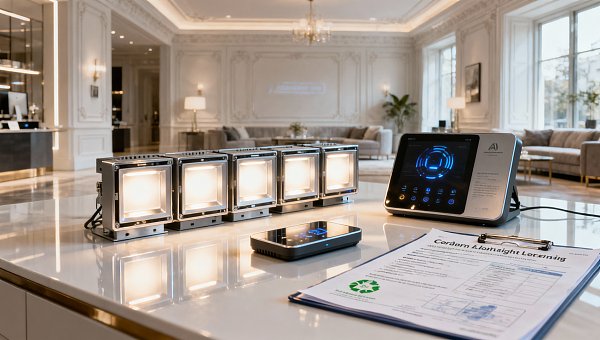
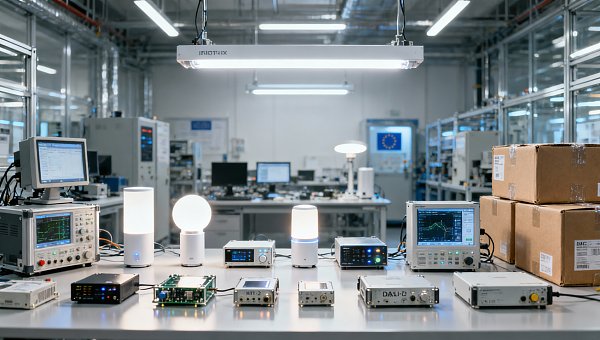
A smart lighting project normally includes LED luminaires, drivers, sensors, gateways, control panels, software, and integration interfaces.
Decision-makers should avoid evaluating these elements separately. Poor interoperability can erase the savings promised by efficient fixtures.
Occupancy sensors must detect real guest behavior without nuisance switching. Poor sensitivity creates complaints, especially in bathrooms and bedside zones.
Dimming drivers should support smooth transitions, stable low-level output, and compatibility with selected control protocols.
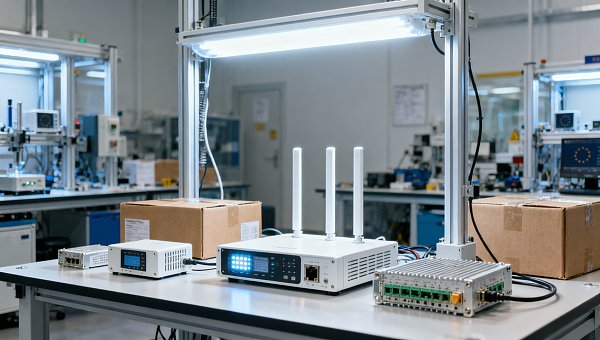
Gateways and controllers need secure connectivity, remote diagnostics, and enough capacity for future room additions or system expansion.
Software should provide actionable dashboards, not just attractive interfaces. Operators need fault alerts, usage trends, and room-level performance data.
How to Evaluate ROI Beyond Simple Energy Savings
Energy reduction is the easiest benefit to calculate, but it is rarely the only source of financial return.
Maintenance savings can be significant when LED lifespan, remote monitoring, and fault detection reduce manual inspections and emergency replacements.
Housekeeping teams benefit when lighting integrates with room status, occupancy, or property management workflows.
Guest satisfaction can also improve when lighting scenes support sleep, work, relaxation, and safe nighttime movement.
Procurement teams should model total cost of ownership, including hardware, installation, commissioning, software licenses, training, support, and replacement cycles.
A credible ROI model should compare baseline consumption, projected savings, labor impact, maintenance reduction, and expected technology lifespan.
Guest Experience Should Not Be Sacrificed for Automation
Hotels often fail with smart lighting when systems feel clever to engineers but confusing to guests.
Controls must be intuitive. Guests should understand switches, scenes, and bedside functions without reading a manual.
Automation should support comfort quietly. Lights should not turn off during a shower, late-night reading, or extended desk work.
Warm color temperatures, smooth dimming, glare control, and well-designed scenes are as important as sensor logic.
Luxury hotels may prioritize personalized ambiance, while limited-service properties may emphasize durability, simplicity, and fast maintenance.
The right standard depends on brand promise, room type, guest profile, and operational staffing model.
Integration With Hotel IoT and Building Systems
Smart lighting becomes more valuable when it communicates with property management systems, building management systems, energy platforms, and access control.
When a guest checks in, the room can enter a welcome mode. When vacant, it can shift to conservation mode.
Integration with HVAC is especially important because occupancy data can help reduce cooling or heating in unused rooms.
Open protocols and documented APIs reduce vendor lock-in and make future upgrades easier for multi-property operators.
For enterprise buyers, interoperability should be tested during pilot deployment, not assumed from sales documentation.
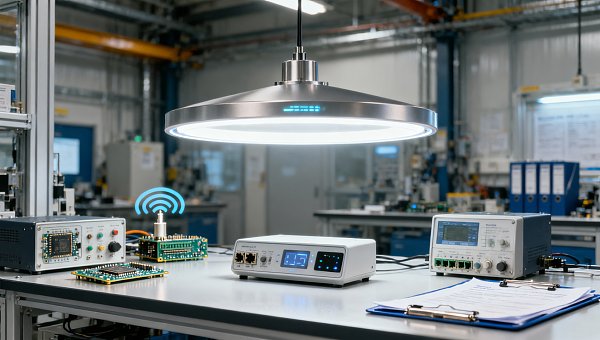
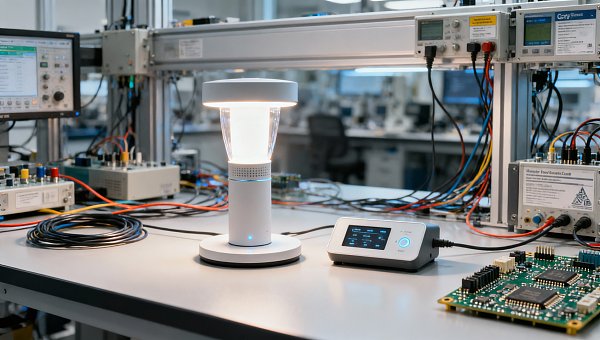
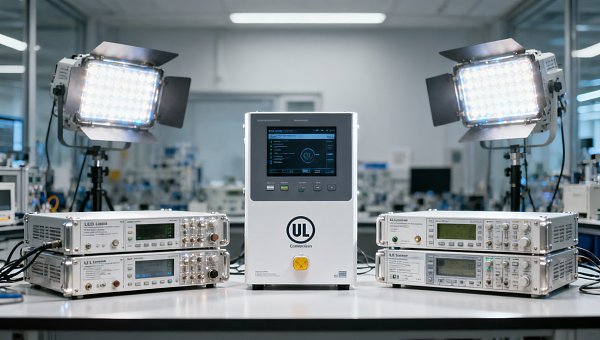
Technical benchmarking can reveal latency, control reliability, cybersecurity posture, and data consistency across different room scenarios.
Retrofit Versus New Build: Different Procurement Logic
New hotel projects can embed smart lighting into electrical design, room controls, network architecture, and sustainability targets from the beginning.
This allows cleaner wiring, better sensor placement, unified design standards, and lower commissioning friction.
Retrofit projects have different priorities. Installation speed, guest disruption, wall damage, wiring limitations, and phased deployment become critical.
Wireless or hybrid systems may reduce renovation complexity, but they require careful assessment of signal reliability and battery maintenance.
For operating hotels, pilots should test real rooms, real staff workflows, and real guest behavior before property-wide rollout.
A phased approach helps finance teams validate savings while reducing the risk of technology mismatch.
Cybersecurity, Privacy, and Operational Risk
Because smart lighting systems collect occupancy and usage data, they must be reviewed as part of the hotel technology environment.
Security requirements should include encrypted communication, access control, firmware update policies, network segmentation, and vendor support commitments.
Hotels should avoid systems that depend on unsecured default credentials or unclear cloud data practices.
Privacy matters because occupancy data can reveal guest presence patterns, even when personally identifiable information is not collected.
Procurement contracts should define data ownership, retention periods, breach responsibilities, service-level commitments, and end-of-life support.
These issues are not barriers to adoption. They are governance requirements for responsible smart hospitality infrastructure.
Sustainability and Compliance Value for Hotel Assets
Smart lighting supports sustainability goals by reducing electricity consumption, extending equipment life, and enabling more accurate energy reporting.
For developers and institutional owners, documented energy performance can support green building certifications and investor reporting.
LED upgrades alone can reduce consumption, but connected controls improve results by aligning lighting output with actual demand.
In regions with stricter carbon rules or utility incentives, verified lighting performance can improve project economics.
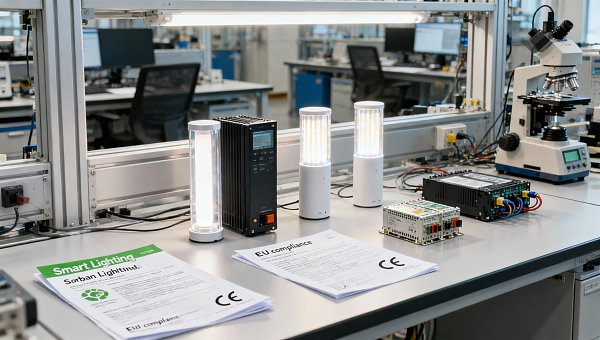
Hotel groups should request documentation on efficiency ratings, material compliance, product lifespan, repairability, and disposal requirements.
Sustainable procurement is not only about lower energy use. It also involves durability, responsible sourcing, and reduced replacement waste.
Procurement Criteria for Selecting the Right Vendor
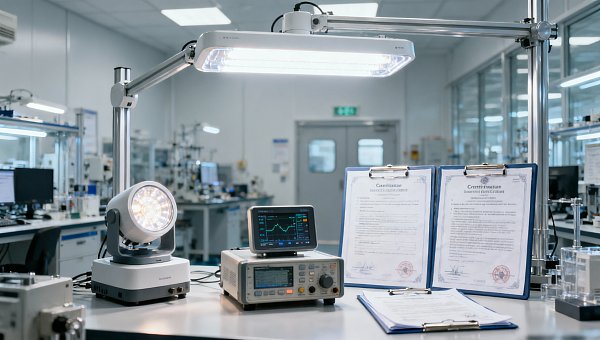
Vendors should be evaluated on engineering evidence, hospitality experience, integration capability, and after-sales support.
Decision-makers should ask for measured performance data, not only brochures showing idealized savings percentages.
Important criteria include luminaire quality, sensor accuracy, control protocol support, cybersecurity documentation, warranty terms, and spare parts availability.
Hospitality references matter because guest rooms create different requirements from offices, retail stores, or residential apartments.
Suppliers should provide commissioning support, staff training, troubleshooting processes, and clear escalation channels for property operators.
For multi-site groups, standardization is valuable, but it should allow local adaptation for regulations, climate, and property type.
Key Metrics to Track After Installation
A smart lighting project should not end at installation. Performance must be measured continuously against pre-defined targets.
Core metrics include lighting energy consumption, room vacancy savings, fault frequency, maintenance response time, and guest complaint rates.
Hotels should also track scene usage, sensor overrides, dimming levels, and unusual consumption patterns by floor or room category.
These data points help operators adjust schedules, identify faulty equipment, and refine room control logic.
Procurement teams can use post-installation data to improve future purchasing decisions and negotiate better supplier performance terms.
For ownership groups, consistent benchmarking across properties helps identify which assets need modernization first.
Common Mistakes That Reduce Project Value
The first mistake is buying the lowest-cost hardware without considering installation, support, integration, and replacement expenses.
The second is over-automating guest rooms, creating confusion or discomfort that damages satisfaction scores.
The third is ignoring staff workflows. Housekeeping, engineering, and front desk teams must understand how the system behaves.
The fourth is failing to test interoperability with property systems before full deployment.
The fifth is accepting vague savings projections without baseline measurements or clear verification methods.
A disciplined pilot program can prevent these mistakes and build internal confidence before capital is committed at scale.
Practical Implementation Roadmap for Hotel Leaders
Start by defining business objectives. Clarify whether the priority is energy savings, sustainability reporting, guest experience, maintenance reduction, or modernization.
Next, audit current lighting assets, room types, occupancy patterns, utility costs, maintenance records, and guest feedback.
Then identify the highest-value zones, such as guest rooms, corridors, meeting spaces, parking areas, or back-of-house facilities.
Run a controlled pilot with representative rooms and operational teams, including housekeeping and maintenance staff.
Measure results for enough time to capture weekday, weekend, seasonal, and occupancy-level variations.
Only after validation should the hotel finalize standards, negotiate procurement terms, and plan phased rollout.
How TerraVista Metrics Views Data-Backed Lighting Decisions
From a benchmarking perspective, smart lighting should be treated as infrastructure, not decoration or a standalone technology purchase.
Hotels need verified information on performance, durability, interoperability, cybersecurity, and lifecycle cost before selecting a system.
Independent assessment helps separate marketing aesthetics from engineering reality, especially when suppliers present similar claims.
For tourism developers, this evidence is critical because lighting choices affect asset efficiency and guest perception for years.
Data-backed procurement also supports capital planning by making benefits, risks, and payback assumptions visible to stakeholders.
This is where technical evaluation, market intelligence, and hospitality operations must meet in a single decision framework.
Conclusion: Choose Value, Not Just Smart Features
Cost-effective smart lighting solutions are most valuable when they reduce waste, simplify operations, and improve the guest environment simultaneously.
The best systems are not defined by the number of features. They are defined by measurable performance in real hotel conditions.
For decision-makers, the right approach is to connect lighting investment with energy strategy, brand standards, staff workflows, and technology governance.
Hotels that evaluate lifecycle value, integration readiness, and guest usability will achieve stronger returns than those chasing the lowest device price.
Smart lighting is ultimately a practical infrastructure decision: one that can improve margins, sustainability outcomes, and long-term asset competitiveness.