Search News
TerraVista Metrics (TVM)Industry Portal
TerraVista Metrics (TVM)Hot Articles
TerraVista Metrics (TVM)- Cableway Station Spacing: How Terrain and Capacity Shape the DistanceExplore cableway systems station spacing and learn how terrain, passenger capacity and safety shape practical, route-specific design decisions.
- What Is an Industry Insights Data Model? Key Components and UsesDiscover how an industry insights data model connects market data, improves comparisons, and supports smarter benchmarking and procurement decisions.
- Vingcard Deploys MENA’s First Native Wallet Hotel Keys in EgyptVingcard and Hudini bring native wallet hotel keys to three Egypt resorts. Discover what app-free access could mean for hotel buyers and suppliers.
Popular Tags
TerraVista Metrics (TVM)Industry NewsWhat makes a smart lighting supplier reliable in hotels?
auth.Lydia Vancini (Smart Hospitality IoT Consultant)Time
Nov 16, 2026Click Count
In hotels, a reliable smart lighting supplier is not simply the company that offers the lowest unit price or the most attractive app demo. It is the partner that can prove stable product performance, integrate cleanly with the wider smart hotel system, support room automation at scale, and keep the installation maintainable over years of operation. For procurement teams, hotel developers, distributors, and commercial evaluators, the real question is not “Who sells smart lights?” but “Who can deliver a dependable lighting infrastructure that works with guest-room controls, building systems, and long-term operational goals?”
For most searchers, the core intent behind this topic is practical evaluation. They want to know how to identify a supplier that is technically credible, commercially low-risk, and suitable for hotel deployment rather than residential or generic smart-building use. That means the most useful criteria are measurable ones: compatibility, failure rates, response stability, dimming consistency, interoperability, service support, certification, carbon and energy performance, and project delivery capability.
What hotel buyers are really asking when they evaluate a smart lighting supplier
Hotel procurement is different from buying decorative lighting or consumer smart devices. Buyers are usually assessing whether a supplier can support a complex operating environment where guest comfort, energy efficiency, maintenance speed, and brand consistency all matter at once.
The most common decision questions are:
- Will the system integrate with the hotel’s existing or planned smart hotel technology stack?
- Can the supplier support guest room automation, central control, and energy-saving logic without instability?
- Are the products durable enough for high-occupancy hospitality use?
- What happens when devices fail, firmware needs updates, or the property expands?
- Can the supplier provide verifiable technical data rather than sales claims?
- Will the system remain serviceable across multiple sites and over multiple years?
A reliable supplier answers these questions with documented performance, project references, integration evidence, and a clear service model.
Reliability starts with proven technical performance, not marketing language
In hotel projects, reliability begins with hardware and control performance under real operating conditions. A supplier should be able to demonstrate consistent results in core technical areas, including:
- Dimming stability: smooth low-end dimming, no flicker, no visible stepping, and predictable scene transitions
- Color consistency: tight binning and stable color temperature across rooms and batches
- Driver quality: long-life drivers with low failure rates and thermal resilience
- Control response: fast command execution for scenes such as check-in, sleep, cleaning, and vacancy mode
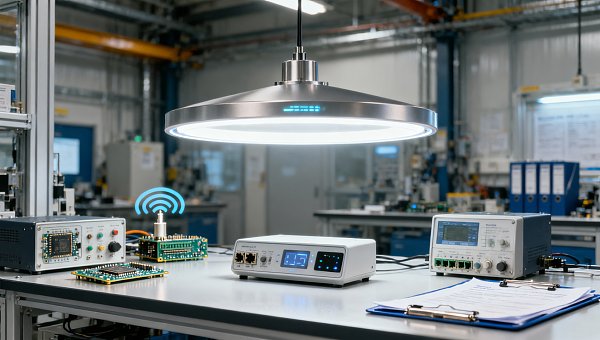
- Network reliability: stable communication in wired or wireless deployments without frequent dropouts
- Environmental endurance: tolerance for heat, humidity, and long operating hours in hospitality settings
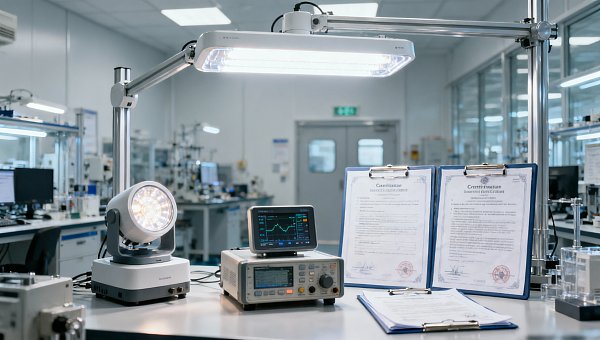
For commercial buyers, performance claims should ideally be backed by lab reports, project data, or benchmarking results. This is where independent benchmarking services become useful. They help buyers compare suppliers using engineering metrics rather than brochure language, especially when evaluating smart hotel solutions across several vendors.
Compatibility with the wider smart hotel system is a non-negotiable factor
A smart lighting supplier may look strong on product quality but still be a poor fit if integration is weak. In hotels, lighting rarely works alone. It is typically part of a broader smart hotel room automation environment that may include:
- HVAC controls
- occupancy sensors
- curtain and blind systems
- door locks and room status indicators
- guest control panels and bedside interfaces
- property management system links
- building management systems
- energy management platforms
A reliable supplier should clearly explain which protocols and ecosystems it supports, such as DALI, KNX, Zigbee, BLE mesh, Modbus, BACnet, or platform-specific APIs where relevant. More importantly, it should show evidence of successful multi-system integration in hotel environments.
For buyers, this reduces one of the largest hidden risks in smart hotel system procurement: buying components that function individually but fail to operate smoothly as one hospitality ecosystem.
Hotel-grade reliability means lifecycle support, not just delivery
One of the biggest mistakes in supplier selection is evaluating only pre-sale responsiveness and initial pricing. In practice, reliability is tested after installation. Hotels need continuity, because lighting systems affect guest satisfaction, housekeeping workflows, engineering response times, and energy costs every day.
A dependable supplier should have a credible lifecycle support structure, including:
- commissioning assistance
- clear documentation and as-built records
- firmware and software update policies
- replacement part availability
- defined warranty terms
- local or regional service capability
- technical escalation procedures
- training for installers, hotel engineers, and operators
For multi-property groups and distributors, support consistency matters even more. A supplier that performs well on one pilot project but cannot standardize service across locations is not truly reliable from a procurement perspective.
Certifications, compliance, and sustainability data matter more in hospitality procurement
As hotel developers and operators face stricter regulatory and ESG expectations, supplier reliability also includes compliance discipline. A serious supplier should be prepared to provide documentation on relevant product safety, electromagnetic compatibility, energy performance, and environmental compliance.
Depending on the market and project type, buyers may need evidence related to:
- electrical safety certification
- EMC compliance
- RoHS or equivalent material compliance
- energy efficiency metrics
- carbon-related manufacturing or product disclosures
- fire and installation suitability for hospitality environments
For organizations like hotel developers, operators, and specifiers, this is not just a paperwork issue. Missing compliance can delay opening schedules, complicate inspections, or create downstream liability. In higher-end or sustainability-driven projects, suppliers that can support carbon-conscious procurement with transparent data have a clear advantage.
How to tell whether a supplier understands hotel operations, not just lighting products
A reliable smart lighting supplier for hotels understands that hospitality outcomes are operational, not purely technical. The right supplier should be able to connect product capabilities to hotel use cases such as:
- faster room turnover for housekeeping
- guest-friendly lighting scenes for arrival, work, relaxation, and sleep
- reduced energy waste through occupancy-linked control logic
- easy override and maintenance modes for staff
- brand-standard room experiences across properties
- lower engineering workload through fault visibility and modular replacement
If a supplier speaks only about lumens, mobile apps, and smart-home features, that is often a warning sign. Hotel buyers should prioritize suppliers that can discuss guest journey design, room mode logic, back-of-house workflows, and total operating impact.
What data-driven benchmarking adds to supplier selection
For information researchers and commercial evaluators, one of the hardest parts of supplier comparison is that many vendors appear similar at the proposal stage. This is why a transparent benchmarking methodology is so valuable.
Independent benchmarking can help compare suppliers across criteria such as:
- signal stability and control latency
- thermal performance and driver durability
- dimming accuracy and flicker behavior
- batch consistency
- integration readiness
- documentation completeness
- maintenance complexity
- energy and sustainability indicators
For organizations evaluating smart hotel solutions sourced from different manufacturers, a structured benchmark reduces procurement ambiguity. It turns broad claims into measurable differences and helps decision-makers justify supplier choices internally.
This is particularly relevant in today’s hospitality supply chain, where technical durability, carbon compliance, and integration quality increasingly define project success.
A practical checklist for judging whether a smart lighting supplier is reliable
Before making a shortlist, buyers can use a simple evaluation framework:
- Check hospitality project history. Ask for hotel-specific references, not only office or residential cases.
- Verify integration capability. Confirm supported protocols, past integrations, and smart hotel system compatibility.
- Request measurable product data. Look for test reports, failure data, and performance specifications.
- Review service structure. Understand warranty, spare parts, support response times, and training.
- Assess scalability. Can the supplier support rollouts across multiple floors, buildings, or properties?
- Examine compliance documentation. Ensure the paperwork meets market and project requirements.
- Test maintainability. Ask how faults are diagnosed, components replaced, and updates managed.
- Compare total value, not just price. Include lifecycle cost, operational risk, and downtime exposure.
This process is especially useful for procurement teams, distributors, and agents who need a repeatable way to evaluate multiple offers without relying on subjective impressions.
Conclusion: the most reliable supplier is the one that reduces technical and operational risk
In hotel environments, a reliable smart lighting supplier is not defined by product catalogs alone. Reliability comes from proven technical performance, strong compatibility with smart hotel technology, lifecycle support, compliance readiness, and a real understanding of hospitality operations.
For buyers assessing smart hotel room automation and broader smart hotel solutions, the best decisions come from evidence-based evaluation. Suppliers should be judged on how well they reduce integration risk, support long-term maintenance, improve guest experience, and contribute to energy and sustainability goals. When these factors are validated through transparent data and benchmarking methodology, procurement becomes more precise, defensible, and valuable over the full life of the hotel asset.
Recommended News
 Aug 02, 2026EU EN 16798-2:2026 Raises Smart Lighting Export BarEN 16798-2:2026 reshapes smart lighting exports to the EU with stricter CE-related testing, faster compliance deadlines, and new customs risks. Learn what buyers and manufacturers must do now.
 Jul 23, 2026How to Choose Commercial LED Lighting for Offices, Retail Stores, and WarehousesCommercial LED lighting guide for offices, retail stores, and warehouses. Learn how to compare performance, controls, and lifecycle cost to choose smarter, longer-lasting solutions.
 Jul 15, 2026UL 1598C v2.1 Takes Effect for Smart LightingUL 1598C v2.1 takes effect for smart lighting, making cybersecurity certification mandatory for U.S. market entry. Learn who is affected, what products are in scope, and how to stay compliant.
 Jul 14, 2026UL 1598C v2.1 Makes Cybersecurity a Gate for Smart LightingUL 1598C v2.1 makes cybersecurity mandatory for smart lighting in the U.S. and Canada. Learn what cULus changes mean for compliance, exports, ODMs, and market access before Dec 1, 2026.
 Jul 13, 2026UL 1598C Rule Tightens Access for Smart Lighting ExportsUL 1598C Rule Tightens Access for Smart Lighting exports to the U.S. and Canada. Learn how OTA security, firmware verification, and network isolation now impact certification, listings, and shipment continuity.
 Jul 10, 2026UL 62368-3:2026 Reshapes U.S. Smart Lighting ExportsUL 62368-3:2026 reshapes U.S. smart lighting exports with new dynamic blue light and system certification rules. Learn the compliance risks, listing impact, and actions exporters should take now.
 Jun 28, 2026ISH 2027 Signals New Hotel Lighting Bid RulesISH 2027 highlights new hotel lighting bid rules as smart lighting buyers favor DALI-2 and Bluetooth Mesh. See what exporters and suppliers must prepare to win more hotel projects.
 Jun 27, 2026ITMA 2026 Countdown: Smart Lighting Enters Hotel TendersITMA 2026 smart lighting tenders are reshaping hotel procurement. Discover how DALI-2, EnOcean, ISO 50001 data, and EN 50131-1 may impact supplier shortlist access.
 Jun 26, 2026Berlin ITMA 2026 Signals New Hotel Buying RulesBerlin ITMA 2026 signals new hotel buying rules as smart lighting shifts into compliance. Learn how certification, BEMS interoperability, and procurement standards may reshape supplier selection.
 Jun 25, 2026Beijing Summit Report Makes Smart Lighting a New Procurement BenchmarkSmart lighting is emerging as a new procurement benchmark after the Beijing Summit report. See how DALI-2, Bluetooth Mesh, AI optimization, and response latency may reshape tourism infrastructure tenders.
 Jun 24, 2026HiYue Sets Up Singapore Unit for Smart Lighting ComplianceSmart Lighting exporters should watch HiYue’s new Singapore unit as it may streamline ASEAN origin certification, SGS energy-efficiency labeling, and REACH market-entry compliance.
 Jun 23, 2026CME Disruption Delays Quotes, Raises Copper Cost RisksCME disruption delays quotes and heightens copper cost risks, pressuring Smart Lighting Q3 pricing, surcharges, and supply chains. See what exporters and buyers should monitor now.
 Jun 23, 2026Zhejiang E-commerce Expo Opens with Compliance FocusZhejiang E-commerce Expo Opens with Compliance Focus, highlighting overseas warehousing, logistics, and cross-border compliance support to help exporters enter 22 markets with confidence.
 Jun 22, 2026Vietnam Requires VietCloud SDK in Smart Lighting ImportsVietnam Requires VietCloud SDK in Smart Lighting Imports from Sept. 1, 2026. Learn compliance steps, VIEPA testing impact, and how exporters can avoid licensing delays.
 Jun 21, 2026Vietnam Tightens Smart Lighting Entry RulesSmart lighting exporters face new Vietnam entry rules as VIEPA ties imports to VnCloud-IoT connectivity and lab verification. Learn the key compliance risks, timeline, and trade impact.
 Jun 20, 2026Indium Export Review Raises Display Module ConcernsIndium export review raises display module concerns for OLED and Mini-LED supply. Learn how sourcing, compliance, BOM costs, and delivery risks may impact smart hardware projects.
 Jun 18, 2026EU Sets 2026 Carbon Footprint Label Rule for Smart LightingEU 2026 carbon footprint label rule for smart lighting: learn how EPD, EN 15804+A2 verification, and new EU compliance deadlines will affect exporters, buyers, and project planning.
 Jun 17, 2026EU Moves to Require Carbon Labels for Smart LightingEU carbon labels for Smart Lighting are set to reshape compliance. Learn how ESPR rules, CE DoC carbon modules, and third-party verification impact EU exports and guestroom automation projects.
 Jun 16, 2026EU Enforces System-Level Smart Lighting Energy CertificationEU smart lighting energy certification now shifts to system-level testing under EN 15193-1:2026. Learn the new EU compliance rules, third-party certification impact, and export risks.
 Jun 15, 2026EU Rule Takes Effect: Smart Lighting Exports Need EN 15193-1:2026EU Rule Takes Effect: Smart Lighting Exports Need EN 15193-1:2026. Learn who must prove system-level energy efficiency, avoid EU customs holds, and protect shipments.
 Jun 14, 2026EU EPBD Rule Raises Integration Bar for Smart LightingEU EPBD Rule Raises Integration Bar for Smart Lighting from May 2026. Learn how EU smart lighting compliance, building automation, Matter, DALI-253, and SRI may reshape tenders and market access.
 Jun 13, 2026EU Enforces EN 63284-1:2026 for Smart LightingEU enforces EN 63284-1:2026 for smart lighting, making CE compliance and new certification essential for EU market access. Learn the risks, scope, and urgent actions for exporters and buyers.
 Jun 12, 2026EU Starts EN 63284-1:2026 Certification for Smart LightingEU Starts EN 63284-1:2026 Certification for Smart Lighting: learn how the new EU rules on EMC, cybersecurity, OTA security, and AI dimming affect exports, customs clearance, and market access.
 Jun 10, 2026UL 60335-2-107:2026 Adds New Tests for Smart LightingUL 60335-2-107:2026 adds new tests for smart lighting, including RF immunity and thermal runaway checks. Learn how the Dec 1, 2026 rule affects US exports, documents, and lead times.
{item.publish_time}{item.title}{item.description}Quarterly Executive Summaries Delivered Directly.
Join 50,000+ industry leaders who receive our proprietary market analysis and policy outlooks before they hit the public library.