Search News
TerraVista Metrics (TVM)Industry Portal
TerraVista Metrics (TVM)Hot Articles
TerraVista Metrics (TVM)- How to Evaluate Spark Plug Suppliers for Consistent Quality and Lead TimesSpark plugs supplier evaluation guide: compare quality control, traceability, fitment, total cost, and reliable lead times to secure dependable engine maintenance supply.
- What Drives System Interoperability Testing Service Costs in Complex Projects?System interoperability testing service cost depends on integration scope, workflows, environments, and assurance needs. Learn how to budget smarter and reduce project risk.
- Project Planning Sourcing Guides: How to Qualify Suppliers Before Work StartsSourcing guides project planning helps teams qualify suppliers before work begins—verify compliance, delivery capacity, financial strength, and sustainability to reduce risk and protect project outcomes.
Popular Tags
TerraVista Metrics (TVM)Industry NewsWhat to check before adopting smart lighting technology
auth.Lydia Vancini (Smart Hospitality IoT Consultant)Time
Oct 07, 2026Click Count
Before adopting smart lighting technology, early enthusiasm should be replaced by disciplined verification. Lighting now affects energy use, cybersecurity, user comfort, maintenance planning, and digital interoperability.
That is especially true in tourism, hospitality, mixed-use developments, and public-facing infrastructure. A visually impressive demo does not guarantee reliable operation across rooms, outdoor zones, guest pathways, and control platforms.
The right evaluation process checks technical fit, operational resilience, lifecycle value, and compliance. This guide explains what to check before adopting smart lighting technology in real projects.
What does smart lighting technology actually include?
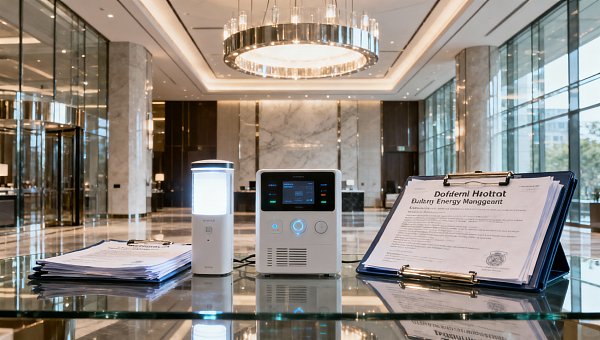
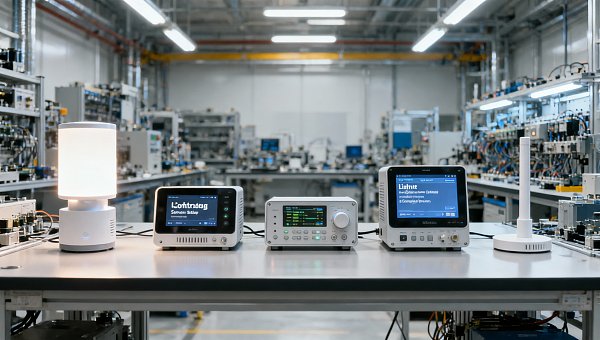
Smart lighting technology is more than app-controlled bulbs. It usually combines luminaires, drivers, sensors, gateways, software, communication protocols, and automation logic.
Some systems focus on simple occupancy response. Others support daylight harvesting, scene control, asset monitoring, predictive maintenance, and integration with building management systems.
In hospitality settings, smart lighting technology may also link with guest room controls, HVAC, access systems, shading, and energy dashboards. That expands benefits, but also increases technical complexity.
A useful first step is to define the intended function clearly:
- Energy reduction through adaptive dimming
- Guest comfort through scene personalization
- Safety improvement in corridors, paths, and exterior zones
- Operational analytics for maintenance and uptime
- Integration with wider smart hotel systems
Without this scope definition, comparisons become misleading. A low-cost package may appear competitive, yet fail to support later expansion or required control depth.
How can you verify interoperability before adopting smart lighting technology?
Interoperability is often the most important checkpoint. Many smart lighting technology failures begin when separate devices connect in theory, but not consistently in field conditions.
Check which protocols are supported. Common options include DALI, Zigbee, Bluetooth Mesh, KNX, BACnet, and proprietary cloud platforms. Each choice affects compatibility, latency, and future flexibility.
Open standards usually reduce lock-in risk. However, “supports standard X” is not enough. Ask whether support is native, partial, or dependent on extra gateways and software licenses.
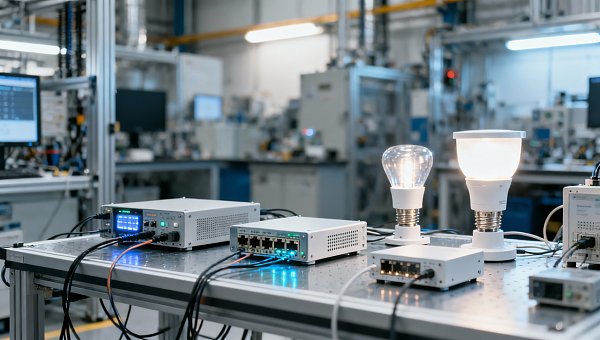
Field testing matters more than brochure claims. Validate whether the system works with:
- Existing room automation platforms
- Building management systems
- Emergency lighting interfaces
- Access control and occupancy sources
- Energy reporting dashboards
Also confirm device provisioning procedures. If replacing one fixture requires a specialist visit or cloud approval, maintenance costs may rise sharply over time.
For multi-site operators, interoperability should include centralized visibility. A system that works in one property but cannot standardize reporting across locations creates long-term friction.
What cybersecurity and data risks should be checked?
Smart lighting technology is now part of the connected infrastructure stack. That means every node, gateway, API, and cloud dashboard can become a security concern.
Start with basic questions. Are communications encrypted? Are credentials unique by device? Can firmware be updated securely? Is there logging for unauthorized access attempts?
Network architecture is equally important. Lighting controls should not sit on an unrestricted network shared with guest traffic or sensitive operational systems.
Key security checkpoints include:
- Encrypted data in transit and at rest
- Role-based access controls
- Signed firmware and patch management policy
- Segmentation from critical business networks
- Documented incident response procedures
Data governance should not be overlooked. Some smart lighting technology platforms collect occupancy patterns, room-use statistics, and behavioral timing data. Understand what is stored, where, and for how long.
If the system supports remote vendor access, define boundaries carefully. Convenience should not override auditability, change control, or local operational oversight.
How do you judge energy performance and user experience realistically?
Energy savings are a major selling point of smart lighting technology, but projections often depend on ideal assumptions. Verification should focus on measured performance, not optimistic simulations alone.
Request baseline methodology. Savings claims should compare against a realistic existing condition, operating schedule, occupancy profile, and daylight environment.
Then assess user experience. Poorly tuned automation can create discomfort, complaint volume, and override behavior. Frequent false triggers reduce trust in the entire system.
Evaluate these performance areas:
- Sensor accuracy in occupied and low-traffic zones
- Transition smoothness during dimming or scene shifts
- Color consistency across fixtures and spaces
- Response speed after occupancy detection
- Manual override simplicity for staff and guests
Outdoor and leisure environments need added caution. Weather, dust, vibration, and variable traffic patterns can degrade sensor reliability and fixture lifespan if products are selected only for indoor conditions.
In premium hospitality environments, lighting quality also shapes brand perception. Smart lighting technology should support ambiance and comfort, not just reduce electricity bills.
What lifecycle cost and maintenance factors matter most?
Initial purchase price rarely reflects total cost. Smart lighting technology involves software, commissioning, updates, spare parts, diagnostics, training, and periodic reconfiguration.
A cheaper system may become expensive if components are proprietary, support contracts are mandatory, or replacement parts have long lead times.
Before approval, map the full lifecycle cost structure:
- Hardware acquisition and installation
- Commissioning and programming hours
- Cloud subscriptions or license renewals
- Maintenance labor and spare inventory
- Cybersecurity updates and system support
- End-of-life replacement planning
Check maintainability in practical terms. Can drivers, sensors, and controls be swapped without replacing full luminaires? Can local teams perform resets and diagnostics quickly?
Scalability matters too. A pilot may succeed in twenty rooms, yet struggle across hundreds of endpoints if software architecture, wireless density, or support capacity is weak.
Which standards, compliance, and implementation details should not be skipped?
Compliance should be reviewed early, not after vendor selection. Smart lighting technology may intersect with electrical safety, electromagnetic compatibility, wireless regulations, emergency systems, accessibility, and sustainability targets.
For hospitality and tourism developments, implementation conditions are often complex. Retrofit projects may involve legacy wiring, occupancy constraints, phased installation windows, and mixed indoor-outdoor environments.
A strong review should confirm:
- Relevant electrical and product safety certifications
- EMC and wireless compliance documentation
- Emergency lighting compatibility where required
- Ingress protection and environmental durability ratings
- Commissioning plan and site acceptance criteria
Pilot installations are highly recommended. They reveal blind spots in glare control, coverage, network stability, and staff usability before full deployment.
Independent benchmarking adds value here. A data-based review can separate aesthetic promises from engineering performance, which aligns with broader infrastructure risk management principles.
FAQ checklist: what should be answered before a final decision?
Adopting smart lighting technology is not only a design decision. It is an infrastructure decision with direct effects on energy, resilience, comfort, security, and long-term operating efficiency.
The strongest outcomes come from structured validation. Define the use case, test interoperability, examine cybersecurity, verify performance claims, calculate lifecycle cost, and confirm compliance before scaling.
Where project stakes are high, independent benchmarking can provide the evidence needed for confident adoption. A careful review today helps smart lighting technology deliver measurable value well beyond installation day.
Recommended News
 Aug 02, 2026EU EN 16798-2:2026 Raises Smart Lighting Export BarEN 16798-2:2026 reshapes smart lighting exports to the EU with stricter CE-related testing, faster compliance deadlines, and new customs risks. Learn what buyers and manufacturers must do now.
 Jul 23, 2026How to Choose Commercial LED Lighting for Offices, Retail Stores, and WarehousesCommercial LED lighting guide for offices, retail stores, and warehouses. Learn how to compare performance, controls, and lifecycle cost to choose smarter, longer-lasting solutions.
 Jul 15, 2026UL 1598C v2.1 Takes Effect for Smart LightingUL 1598C v2.1 takes effect for smart lighting, making cybersecurity certification mandatory for U.S. market entry. Learn who is affected, what products are in scope, and how to stay compliant.
 Jul 14, 2026UL 1598C v2.1 Makes Cybersecurity a Gate for Smart LightingUL 1598C v2.1 makes cybersecurity mandatory for smart lighting in the U.S. and Canada. Learn what cULus changes mean for compliance, exports, ODMs, and market access before Dec 1, 2026.
 Jul 13, 2026UL 1598C Rule Tightens Access for Smart Lighting ExportsUL 1598C Rule Tightens Access for Smart Lighting exports to the U.S. and Canada. Learn how OTA security, firmware verification, and network isolation now impact certification, listings, and shipment continuity.
 Jul 10, 2026UL 62368-3:2026 Reshapes U.S. Smart Lighting ExportsUL 62368-3:2026 reshapes U.S. smart lighting exports with new dynamic blue light and system certification rules. Learn the compliance risks, listing impact, and actions exporters should take now.
 Jun 28, 2026ISH 2027 Signals New Hotel Lighting Bid RulesISH 2027 highlights new hotel lighting bid rules as smart lighting buyers favor DALI-2 and Bluetooth Mesh. See what exporters and suppliers must prepare to win more hotel projects.
 Jun 27, 2026ITMA 2026 Countdown: Smart Lighting Enters Hotel TendersITMA 2026 smart lighting tenders are reshaping hotel procurement. Discover how DALI-2, EnOcean, ISO 50001 data, and EN 50131-1 may impact supplier shortlist access.
 Jun 26, 2026Berlin ITMA 2026 Signals New Hotel Buying RulesBerlin ITMA 2026 signals new hotel buying rules as smart lighting shifts into compliance. Learn how certification, BEMS interoperability, and procurement standards may reshape supplier selection.
 Jun 25, 2026Beijing Summit Report Makes Smart Lighting a New Procurement BenchmarkSmart lighting is emerging as a new procurement benchmark after the Beijing Summit report. See how DALI-2, Bluetooth Mesh, AI optimization, and response latency may reshape tourism infrastructure tenders.
 Jun 24, 2026HiYue Sets Up Singapore Unit for Smart Lighting ComplianceSmart Lighting exporters should watch HiYue’s new Singapore unit as it may streamline ASEAN origin certification, SGS energy-efficiency labeling, and REACH market-entry compliance.
 Jun 23, 2026CME Disruption Delays Quotes, Raises Copper Cost RisksCME disruption delays quotes and heightens copper cost risks, pressuring Smart Lighting Q3 pricing, surcharges, and supply chains. See what exporters and buyers should monitor now.
 Jun 23, 2026Zhejiang E-commerce Expo Opens with Compliance FocusZhejiang E-commerce Expo Opens with Compliance Focus, highlighting overseas warehousing, logistics, and cross-border compliance support to help exporters enter 22 markets with confidence.
 Jun 22, 2026Vietnam Requires VietCloud SDK in Smart Lighting ImportsVietnam Requires VietCloud SDK in Smart Lighting Imports from Sept. 1, 2026. Learn compliance steps, VIEPA testing impact, and how exporters can avoid licensing delays.
 Jun 21, 2026Vietnam Tightens Smart Lighting Entry RulesSmart lighting exporters face new Vietnam entry rules as VIEPA ties imports to VnCloud-IoT connectivity and lab verification. Learn the key compliance risks, timeline, and trade impact.
 Jun 20, 2026Indium Export Review Raises Display Module ConcernsIndium export review raises display module concerns for OLED and Mini-LED supply. Learn how sourcing, compliance, BOM costs, and delivery risks may impact smart hardware projects.
 Jun 18, 2026EU Sets 2026 Carbon Footprint Label Rule for Smart LightingEU 2026 carbon footprint label rule for smart lighting: learn how EPD, EN 15804+A2 verification, and new EU compliance deadlines will affect exporters, buyers, and project planning.
 Jun 17, 2026EU Moves to Require Carbon Labels for Smart LightingEU carbon labels for Smart Lighting are set to reshape compliance. Learn how ESPR rules, CE DoC carbon modules, and third-party verification impact EU exports and guestroom automation projects.
 Jun 16, 2026EU Enforces System-Level Smart Lighting Energy CertificationEU smart lighting energy certification now shifts to system-level testing under EN 15193-1:2026. Learn the new EU compliance rules, third-party certification impact, and export risks.
 Jun 15, 2026EU Rule Takes Effect: Smart Lighting Exports Need EN 15193-1:2026EU Rule Takes Effect: Smart Lighting Exports Need EN 15193-1:2026. Learn who must prove system-level energy efficiency, avoid EU customs holds, and protect shipments.
 Jun 14, 2026EU EPBD Rule Raises Integration Bar for Smart LightingEU EPBD Rule Raises Integration Bar for Smart Lighting from May 2026. Learn how EU smart lighting compliance, building automation, Matter, DALI-253, and SRI may reshape tenders and market access.
 Jun 13, 2026EU Enforces EN 63284-1:2026 for Smart LightingEU enforces EN 63284-1:2026 for smart lighting, making CE compliance and new certification essential for EU market access. Learn the risks, scope, and urgent actions for exporters and buyers.
 Jun 12, 2026EU Starts EN 63284-1:2026 Certification for Smart LightingEU Starts EN 63284-1:2026 Certification for Smart Lighting: learn how the new EU rules on EMC, cybersecurity, OTA security, and AI dimming affect exports, customs clearance, and market access.
 Jun 10, 2026UL 60335-2-107:2026 Adds New Tests for Smart LightingUL 60335-2-107:2026 adds new tests for smart lighting, including RF immunity and thermal runaway checks. Learn how the Dec 1, 2026 rule affects US exports, documents, and lead times.
Quarterly Executive Summaries Delivered Directly.
Join 50,000+ industry leaders who receive our proprietary market analysis and policy outlooks before they hit the public library.