Search News
TerraVista Metrics (TVM)Industry Portal
TerraVista Metrics (TVM)Hot Articles
TerraVista Metrics (TVM)- A Procurement Checklist for Tourism Hardware Equipment in Resorts and Visitor CentersTourism hardware equipment procurement checklist for resorts and visitor centers: compare durability, compliance, lifecycle costs, supplier support, and logistics.
- Verified Performance Certification: What It Proves During Product QualificationVerified performance certification helps teams qualify products with confidence. Learn how to assess scope, test conditions, and delivery controls before approval.
- North American Yacht Tech: Market Shifts Reshaping Retrofit and New-Build DemandYacht tech North America is reshaping retrofit and new-build choices. Explore smarter energy, connectivity, cybersecurity, and lifecycle strategies for lasting yacht value.
Popular Tags
TerraVista Metrics (TVM)Industry NewsTourism sustainability is now shaping guest booking decisions
auth.Time
Oct 02, 2026Click Count
Tourism sustainability is no longer a side topic in travel planning. It now influences how guests compare brands, judge value, and complete bookings across lodging, attractions, and experience-led destinations.
Travelers increasingly expect visible environmental action, measurable resource efficiency, and credible operational standards. Comfort still matters, but comfort without accountability is losing appeal in a competitive tourism market.
This shift matters across the broader industry, from eco-structures and smart hotels to leisure infrastructure, attractions, and hospitality furnishing. Tourism sustainability is becoming a practical booking signal, not just a branding message.
For organizations seeking long-term relevance, the key question is not whether sustainability matters. The real question is how to prove performance, reduce risk, and align investment with changing guest expectations.
Understanding tourism sustainability in a booking-driven market

Tourism sustainability refers to travel development and operations that protect environmental resources, support social value, and maintain economic viability over time.
In practical terms, tourism sustainability covers energy use, water management, waste reduction, material durability, local impact, digital efficiency, and lifecycle performance.
Guests rarely evaluate every technical detail. However, they respond strongly to outcomes they can understand, such as lower waste, better air quality, reduced plastic use, and responsible design.
The booking decision is increasingly shaped by trust. If a destination claims to be sustainable, travelers want evidence that the claim reflects engineering reality, not visual storytelling alone.
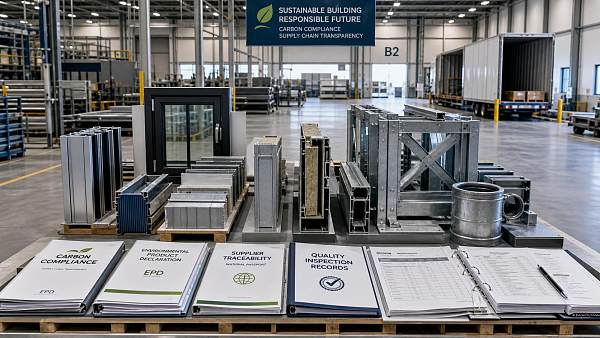
That is why verified data matters. Performance benchmarks, regulatory alignment, and supply chain transparency help turn tourism sustainability from a vague promise into a market advantage.
Core dimensions that define the concept
- Environmental efficiency, including carbon, water, energy, and waste performance.
- Asset resilience, including durability, maintenance needs, and climate adaptation.
- Guest-facing quality, including comfort, wellness, safety, and digital convenience.
- Operational accountability, including certification, reporting, and measurable compliance.
Why the industry is paying closer attention now
Several market forces are accelerating the role of tourism sustainability in guest behavior. These forces affect both premium destinations and mainstream travel products.
The result is clear. Tourism sustainability now connects guest expectation, asset performance, and commercial resilience in one decision framework.
This is especially relevant in tourism systems shaped by modular construction, smart technology, durable outdoor equipment, safe attractions, and high-traffic furnishing.
Business value behind tourism sustainability
The value of tourism sustainability extends beyond public image. It improves operational quality, strengthens asset lifecycles, and supports better capital allocation.
When sustainability is measured properly, it helps reduce uncertainty. It clarifies which systems perform reliably, which materials last longer, and which upgrades support both guest satisfaction and cost control.
Key areas of practical impact
- Lower resource waste through efficient buildings, lighting, water systems, and automation.
- Better guest confidence through visible sustainability standards and consistent reporting.
- Improved asset resilience through durable materials and climate-ready design.
- Stronger procurement discipline through benchmarked technical comparisons.
- Reduced reputational risk by replacing unsupported claims with verified evidence.
For a data-led organization such as TerraVista Metrics, this is where benchmarking becomes essential. Real tourism sustainability depends on measurable performance across supply chains and operating environments.
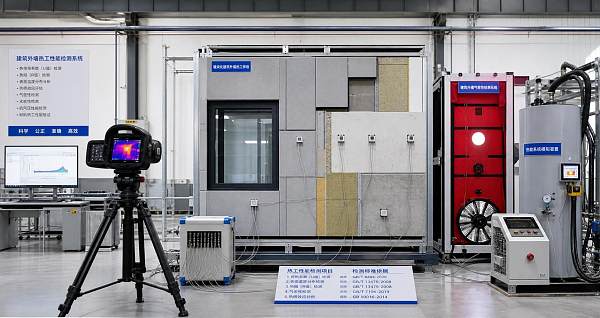
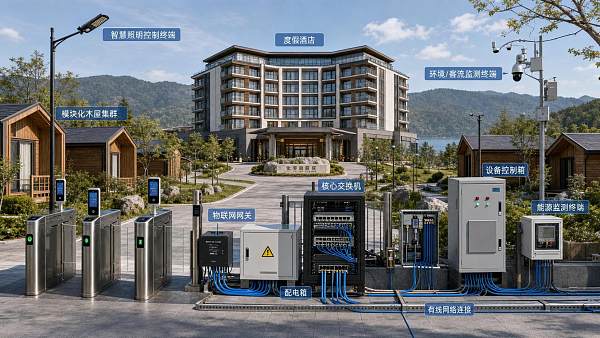
That includes thermal efficiency in modular cabins, interoperability in smart hotel systems, wear resistance in furniture, and regulatory compliance in amusement infrastructure.
Where booking decisions are most influenced
Not every sustainability feature carries equal weight. Guests respond most strongly where sustainability improves comfort, clarity, or experience quality.
These examples show that tourism sustainability works best when it is embedded in the actual experience. Guests notice outcomes before they notice technical language.
How to translate sustainability into credible performance
A common problem in tourism is the gap between attractive sustainability messaging and measurable operational reality. Closing that gap requires disciplined evaluation.
Practical steps that improve credibility
- Define priority metrics such as energy intensity, water use, lifecycle durability, and maintenance frequency.
- Compare assets using standardized benchmarks instead of promotional descriptions.
- Validate compliance with local and international standards before deployment.
- Review digital systems for interoperability, cyber resilience, and data efficiency.
- Track guest-facing outcomes, including comfort, air quality, quietness, and ease of use.
- Update sustainability reporting regularly to reflect actual operating performance.
This approach supports better long-term decisions. It also makes tourism sustainability easier to communicate because the claims are tied to observed results.
Independent analysis is useful here. Benchmarking laboratories and research-based review frameworks help compare materials, systems, and infrastructure across diverse tourism environments.
Common risks and points that deserve attention
Tourism sustainability can create value, but only when it is applied with precision. Several issues frequently weaken results.
- Overreliance on labels without checking actual technical performance.
- Selecting low-cost materials that fail early in high-traffic conditions.
- Adding smart systems that do not integrate well with existing infrastructure.
- Treating sustainability as a communication exercise instead of an engineering one.
- Ignoring regional climate, local regulation, or maintenance constraints.
The strongest results usually come from combining technical validation, lifecycle thinking, and market awareness. That balance is central to sustainable tourism development in 2026 and beyond.
A practical next step for tourism sustainability planning
As booking behavior changes, tourism sustainability should be treated as a measurable performance layer across the entire destination ecosystem.
A useful starting point is a structured review of buildings, systems, equipment, attractions, and interiors against current sustainability benchmarks and guest expectations.
With verified performance data, it becomes easier to identify weak points, prioritize upgrades, and align investment with future demand.
TerraVista Metrics supports this path by connecting tourism sustainability with engineering evidence, regulatory analysis, and global supply chain insight. That combination helps transform sustainability from a claim into a reliable booking advantage.
In today’s market, guests are not only choosing destinations. They are choosing standards, transparency, and long-term responsibility. Tourism sustainability is increasingly the signal that brings those choices together.
Recommended News
 Oct 04, 2026A Procurement Checklist for Tourism Hardware Equipment in Resorts and Visitor CentersTourism hardware equipment procurement checklist for resorts and visitor centers: compare durability, compliance, lifecycle costs, supplier support, and logistics.
 Sep 23, 2026Planning Smart Classroom Solutions for Hybrid Learning Without Creating AV Support GapsSmart classroom solutions for reliable hybrid learning: standardize workflows, strengthen AV support, and deliver seamless teaching experiences.
 Sep 11, 2026Hotel Security Protocols: A Compliance Checklist for Protecting Guests and StaffSecurity protocols for hospitality: use this practical hotel compliance checklist to protect guests, staff, data, access points, and emergency operations.
 Sep 03, 2026How to Plan Theme Park Infrastructure for Mixed-Use DevelopmentsTheme park infrastructure for mixed use developments: plan resilient utilities, circulation, attractions, hospitality, and digital systems for scalable destinations.
 Aug 23, 2026What Makes Community Based Eco Resort Development Successful in Rural Destinations?Community based eco resort development succeeds when land fit, local participation, infrastructure, and operations align. Discover practical strategies for resilient, high-value rural eco resorts.
 Aug 21, 2026How Many Rooms Should an Eco Resort Have to Balance ROI and Guest Experience?Eco resort development room count directly shapes ROI, infrastructure efficiency, and guest privacy. Learn how to choose the right key range to protect margins and elevate the experience.
 Aug 15, 2026How to Analyze Stainless Steel Fatigue in Cyclic Load ApplicationsStainless steel fatigue analysis helps you spot hidden cyclic load risks early, improve reliability, and prevent costly failures in real-world applications.
 Aug 08, 2026Hospitality Engineering Standards for Resorts: Key Compliance Checks Before Design ApprovalHospitality engineering standards for resorts explained: discover the key compliance checks before design approval to avoid delays, reduce risk, and build guest-ready, resilient resort projects.
 Jul 21, 2026Tourism Destination Infrastructure Solutions: How to Plan Smarter Visitor FacilitiesTourism destination infrastructure solutions for smarter visitor facilities: learn how to reduce risk, improve uptime, and plan scalable, data-backed destinations that perform long term.
 Jul 19, 2026How to Choose Rustproof Hotel Furniture for Coastal and High-Humidity PropertiesRustproof hotel furniture is essential for coastal and high-humidity properties. Learn how to compare materials, finishes, and supplier claims to reduce maintenance costs and extend service life.
 Jul 16, 2026How to Choose Resort Bar Furniture for Outdoor Hospitality SpacesResort bar furniture buying guide for outdoor hospitality spaces: compare materials, durability, comfort, and maintenance to choose stylish, long-lasting commercial pieces.
 Jul 15, 2026Commercial Thermal Efficiency Testing: Key Metrics, Test Methods, and Compliance BasicsCommercial thermal efficiency testing explained: learn key metrics, test methods, common compliance risks, and practical steps to improve performance, cut costs, and make smarter asset decisions.
 Jul 14, 2026Smart Tourism Integration vs Standalone Systems: Which Setup Fits Multi-Site Operations?Smart tourism integration or standalone systems? Discover which setup best fits multi-site tourism operations, improves visibility, compliance, scalability, and guest experience.
 Jul 13, 2026Export Market Opportunities in Latin America: How to Identify Profitable Entry PointsExport market opportunities in Latin America are shifting toward high-margin, compliant sectors. Discover how to spot profitable entry points in tourism, hospitality, and smart infrastructure.
 Jul 12, 2026Carbon Compliance in North America: Key Reporting Rules and Risk Points for ManufacturersCarbon compliance North America: learn the key U.S. and Canada reporting rules, top risk points for manufacturers, and how to strengthen data, supplier checks, and compliance readiness.
 Jul 11, 2026How to Evaluate Coated Surface Structural Performance Testing for Outdoor InstallationsCoated surface structural performance testing for outdoor installations: learn how to assess adhesion, crack resistance, corrosion durability, and real-world structural risk before procurement.
 Jul 10, 2026Outdoor Furniture Durability Cost: Which Materials Last Longer and Cost Less to Maintain?Outdoor furniture durability cost explained: compare aluminum, teak, steel, and HDPE to find materials that last longer, reduce maintenance, and deliver better long-term value.
 Jul 09, 2026Technical Integration Security: Key Standards, System Architecture, and Risk ChecksTechnical integration security explained: explore key standards, system architecture signals, and risk checks to build resilient, compliant, and scalable connected infrastructure.
 Jul 08, 2026Tourism Asset Evaluation in Middle East: Key Metrics for Hotel and Resort ProjectsTourism asset evaluation in Middle East explained through key metrics for hotel and resort projects, covering location, infrastructure, lifecycle cost, sustainability, and technology.
![]() Jul 07, 2026Eco Building Materials Manufacturer Checklist: Certifications, MOQ, and Custom OptionsEco building materials manufacturer checklist covering certifications, MOQ, and custom options. Learn how to compare suppliers, reduce project risk, and choose sustainable materials with confidence.
Jul 07, 2026Eco Building Materials Manufacturer Checklist: Certifications, MOQ, and Custom OptionsEco building materials manufacturer checklist covering certifications, MOQ, and custom options. Learn how to compare suppliers, reduce project risk, and choose sustainable materials with confidence. Jul 06, 2026Hospitality Fire Safety Standards Explained: Key Compliance Points for Hotels and ResortsHospitality fire safety standards explained for hotels and resorts: learn key compliance points, risk areas, and practical steps to protect guests, assets, and operations.
 Jul 03, 2026How to Specify High Traffic Furniture Weight Capacity for Hotels, Lobbies, and Public AreasHigh traffic furniture weight capacity for hotels, lobbies, and public areas: learn how to verify load ratings, testing standards, and durability specs to reduce risk and choose smarter.
 Jul 03, 2026Hospitality Procurement Finish Standards Explained: How to Compare Durability, Cost, and ComplianceHospitality procurement finish standards explained: compare durability, lifecycle cost, and compliance with a practical framework for smarter sourcing and fewer costly project delays.
 Jun 30, 2026Tourism Equipment Evaluation Compliance: What to Check Before Purchase and Site DeploymentTourism equipment evaluation compliance: learn what to verify before purchase and site deployment to reduce risk, control costs, ensure safety, and choose suppliers with confidence.
Quarterly Executive Summaries Delivered Directly.
Join 50,000+ industry leaders who receive our proprietary market analysis and policy outlooks before they hit the public library.