Search News
TerraVista Metrics (TVM)Industry Portal
TerraVista Metrics (TVM)Hot Articles
TerraVista Metrics (TVM)- How to Choose Rustproof Hotel Furniture for Coastal and High-Humidity PropertiesRustproof hotel furniture is essential for coastal and high-humidity properties. Learn how to compare materials, finishes, and supplier claims to reduce maintenance costs and extend service life.
- EN 13814:2026 Tightens EU Cableway Entry RulesEN 13814:2026 tightens EU cableway entry rules with new AI monitoring, wind load validation, and data interface demands. Learn what manufacturers, suppliers, and buyers must prepare now.
- How to Read a Prefab Durability Testing Report Before Specifying Modular UnitsPrefab durability testing report essentials: learn how to assess test scope, standards, margins, and hidden risks before specifying modular units with confidence.
Popular Tags
TerraVista Metrics (TVM)Industry NewsFCVC 2026 Adds Hydrogen Camping Gear Certification
auth.Dr. Hideo Tanaka (Outdoor Gear Engineering Lead)Time
Jul 18, 2026Click Count
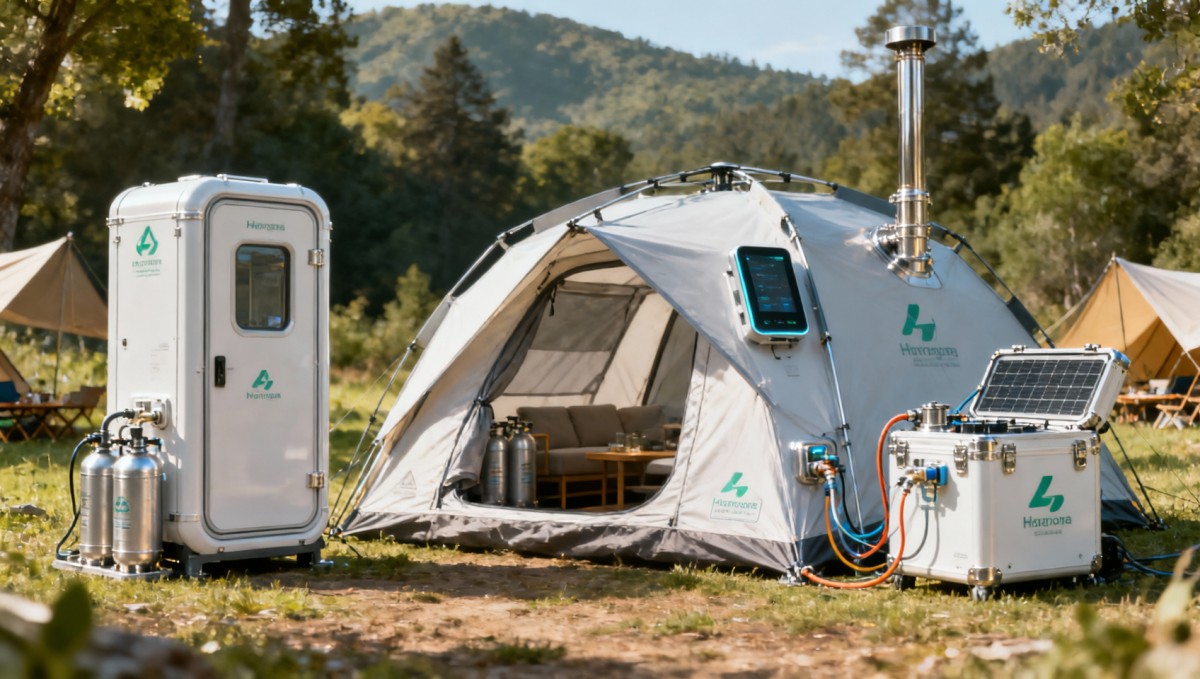
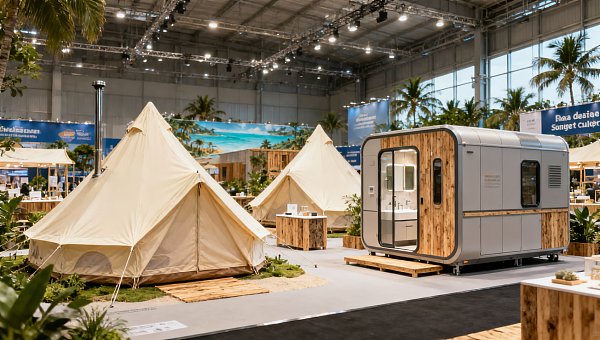
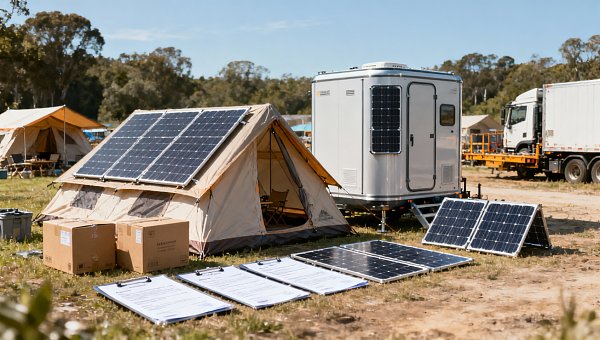
On June 10, 2026, FCVC 2026 in Kunshan announced a new certification track for hydrogen-powered camping equipment, bringing hydrogen-powered smart tents, mobile sanitary cabins, and off-grid energy storage modules into a formal technical framework. For exporters, outdoor equipment makers, hydrogen system suppliers, and compliance teams, this matters because the newly released technical white paper has also been adopted by TÜV Rheinland in Germany as a CE supplementary assessment reference for EU-bound “green camping products,” with Q3 2026 filing requirements including a hydrogen system energy efficiency ratio of at least 3.2 kWh/kg and a carbon-footprint LCA report.

Event Overview
According to the published event information, FCVC 2026 will be held in Kunshan from June 10 to 12, 2026. During the event, the organizer officially released the Technical White Paper for Hydrogen-Powered Outdoor Equipment (H-POE).
The confirmed scope disclosed so far includes the first-time inclusion of hydrogen-powered smart tents, mobile sanitary cabins, and off-grid energy storage modules in a certification system. At the same time, the white paper was adopted by TÜV Rheinland in Germany as a supplementary CE assessment basis for the export of “green camping products” to the European Union.
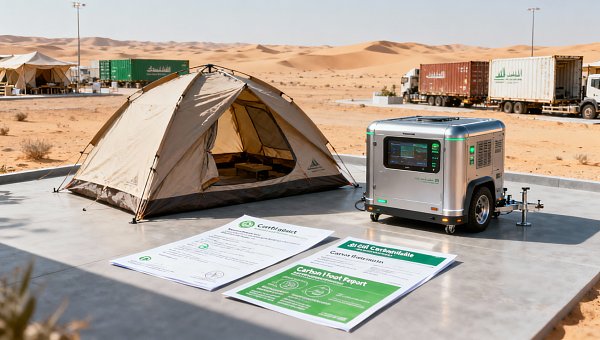
The currently disclosed requirement is that, starting from Q3 2026, products applying under this framework must provide evidence showing a hydrogen system energy efficiency ratio of no less than 3.2 kWh/kg, together with a carbon-footprint life cycle assessment report.
Which Industry Segments Will Be Affected
Outdoor equipment manufacturers focused on premium camping products
These companies are the most directly affected because the new certification scope explicitly covers hydrogen-powered camping-related products such as smart tents and mobile sanitary cabins. The impact is likely to appear first in product definition, technical documentation, and export readiness. From an industry perspective, this means some products may no longer be judged only by conventional safety and electrical compliance expectations, but also by hydrogen-system efficiency and carbon-footprint documentation when targeting the EU market under a “green camping products” positioning.
Export traders and EU-facing brand operators
Trading companies and brand owners serving the European market are affected because TÜV Rheinland has adopted the white paper as a CE supplementary assessment reference for relevant exports. The practical impact is not limited to product testing. It may also change customer communication, quotation cycles, filing preparation, and market-entry timelines. Analysis shows that for businesses selling premium camping products into Europe, the issue is no longer only whether a product can be shipped, but whether it can be documented in line with the newly referenced assessment basis from Q3 2026 onward.
Hydrogen system and component suppliers
Suppliers connected to hydrogen-powered outdoor equipment are also affected, especially where their components support energy conversion, storage, or system integration. They may face stronger documentation and performance-verification demands from downstream manufacturers. Observably, once a minimum energy efficiency threshold is written into application requirements, upstream suppliers may be asked to provide more structured technical evidence to support end-product filings.
Testing, certification, and compliance service providers
Service providers involved in CE preparation, product testing, and sustainability documentation will likely see a more specialized compliance workload. The impact mainly lies in the need to interpret the new white paper framework, align technical submissions, and support LCA reporting. Current attention should focus on how supplementary assessment language is applied in practice, because the disclosed information confirms the reference basis and filing requirements, but operational details may continue to evolve.
Supply chain and project delivery teams for off-grid outdoor solutions
Teams responsible for integrated outdoor projects, including off-grid energy storage modules, may be affected in procurement planning and delivery coordination. The reason is that product eligibility may increasingly depend on whether hydrogen-related performance data and carbon-footprint records can be assembled on time. More appropriately understood, the issue is not only product manufacturing, but also whether the supply chain can support export-grade documentation without delaying project schedules.
What Companies and Practitioners Should Watch and How to Respond
Track the exact wording of official certification and assessment documents
Companies should closely follow any subsequent official wording tied to the H-POE white paper, FCVC 2026 disclosures, and TÜV Rheinland assessment practice. Analysis shows that small differences in scope, product definition, or filing applicability could materially affect whether a product falls into the new review path. Compliance teams should avoid assuming that all camping products are covered in the same way, and instead map their product lines specifically against the disclosed categories.
Review whether target products can meet the disclosed efficiency threshold
For companies already developing hydrogen-powered smart tents, sanitary cabins, or off-grid modules, a near-term task is to review whether internal designs and test evidence can support the disclosed threshold of at least 3.2 kWh/kg. Current attention should focus on products intended for EU export from Q3 2026 onward, because these are the cases where documentation timing may become commercially sensitive.
Prepare carbon-footprint LCA materials early rather than at the filing stage
The disclosed requirement for a carbon-footprint LCA report means sustainability documentation should not be treated as a final administrative step. From an industry perspective, businesses should identify which internal or supplier-side records are needed to compile an LCA package and whether current documentation practices are sufficient. This is especially relevant for companies with multi-party supply chains, where missing upstream records may delay filing even if the product itself is technically ready.
Separate policy signaling from immediate market execution
Observably, this development sends a clear signal about the direction of premium camping exports and green compliance expectations in the EU-facing market. At the same time, companies should distinguish between a published framework and fully standardized business implementation. More appropriately understood, the immediate response is not broad market speculation, but practical checks on product scope, technical evidence, certification pathways, and customer communication for shipments planned after Q3 2026.
Editor’s View / Industry Observation
Observably, this announcement is important because it links hydrogen-powered outdoor equipment with both certification language and EU-facing export assessment at the same time. That combination gives the development significance beyond a single exhibition release.
Analysis shows that the current development is better read as both a concrete compliance signal and an early market filter. It is concrete because disclosed filing requirements already include a measurable energy-efficiency threshold and an LCA reporting obligation. It is also still a signal because the market impact will depend on how widely the framework is adopted in actual export review and buyer-side procurement requirements.
From an industry perspective, the reason this deserves continued attention is that it may change what counts as “export-ready” for higher-end camping products positioned around green value. The issue is not only new technology adoption, but also whether product claims, technical performance, and carbon documentation can move together in a certifiable way.
Conclusion
The FCVC 2026 announcement gives the outdoor equipment and export supply chain a clearer view of how hydrogen-powered camping products may be evaluated under a more demanding green compliance framework. For manufacturers, exporters, and compliance teams, the immediate significance lies in product categorization, technical proof, and LCA readiness rather than headline interpretation alone.
Current attention should focus on this development as a meaningful compliance and market-access signal, not merely as a routine exhibition update. More appropriately understood, it marks a point at which premium camping exports tied to hydrogen power may face a more structured green threshold, especially in EU-facing business from Q3 2026 onward.
Source Information
Main sources: FCVC 2026 event information; the announced Technical White Paper for Hydrogen-Powered Outdoor Equipment (H-POE); the disclosed adoption reference involving TÜV Rheinland Germany for supplementary CE assessment of EU-bound “green camping products.”
Items requiring continued observation: Any subsequent official clarification on product scope, filing procedures, implementation details, and the practical application of the supplementary assessment reference from Q3 2026 onward.
Recommended News
 Jul 14, 2026SABER V3.2 Adds Carbon Footprint Filing for Premium CampingSABER V3.2 adds carbon footprint filing for Premium Camping in Saudi Arabia. Learn the ISO 14067 PCoC rule, key dates, supplier impact, and how to avoid compliance delays.
 Jul 10, 2026Europe Brings Forward Q3 Premium Camping OrdersEurope Brings Forward Q3 Premium Camping Orders: European retailers moved premium camping procurement deadlines nearly a month earlier. See affected categories, supplier lead-time risks, and FOB cost checks now.
 Jul 10, 2026How to Choose Corrosion Resistant Hotel Furniture for Coastal and Poolside AreasCorrosion resistant hotel furniture buying guide for coastal and poolside areas: compare materials, finishes, test data, and lifecycle value to choose durable, guest-ready outdoor pieces.
 Jul 04, 2026Scenic Slide Systems Cost Breakdown: What Drives Budget in Park and Resort Projects?Scenic slide systems cost explained for park and resort projects. Discover key budget drivers, hidden risks, and smart ways to compare suppliers before costs escalate.
 Jul 02, 2026How to Choose Anti Mildew Resort Furniture for Coastal and High-Humidity ProjectsAnti mildew resort furniture for coastal and high-humidity projects: learn how to compare materials, drainage, corrosion resistance, and lifecycle value for smarter resort sourcing.
 Jul 01, 2026How to Choose High-Durability Trekking Gear for Mountain Use: Materials, Weight, and Weather ProtectionHigh-durability trekking gear for mountain use: learn how to compare materials, weight, and weather protection to choose safer, longer-lasting gear for demanding trails.
 Jun 30, 2026Vietnam Lifts Import Pause but Adds Blockchain Label CheckVietnam lifts the import pause on premium camping goods, but new blockchain label checks and TV-MARK code rules now shape customs clearance. Learn the compliance risks and next steps.
 Jun 29, 2026Vietnam Halts China Premium Camping Imports Over Label ChecksVietnam Halts China Premium Camping Imports over label checks, disrupting customs clearance for lighting and power products. Learn the compliance risks, shipment impact, and what buyers and exporters should review now.
 Jun 29, 2026Eco Resort Development Cost Breakdown: What Drives Budget from Land to OperationsEco resort development cost explained from land and permits to prefab, utilities, and operations. Discover what really drives budget risk and how to plan smarter before approval.
 Jun 28, 2026Vietnam to Enforce QCVN 101:2026 Camping Lighting LabelsVietnam to Enforce QCVN 101:2026 Camping Lighting Labels from August 1, 2026. Learn labeling, VILAS test report, and compliance risks for LED and solar camping lights.
 Jun 28, 2026How to Choose Durable Camping Stoves for Frequent Outdoor Use and Harsh WeatherDurable camping stoves buying guide: learn how to compare materials, wind performance, fuel systems, and serviceability for reliable cooking in harsh weather and frequent outdoor use.
 Jun 27, 2026Vietnam Expands QCVN 16:2026 to Premium Camping DevicesVietnam QCVN 16:2026 expands to Premium Camping devices from Sept 1, 2026. Learn customs, labeling, certification, and procurement impacts for compliant market access.
 Jun 26, 2026Vietnam Mandates QCVN 16:2026 Labels for Premium Camping ImportsVietnam Mandates QCVN 16:2026 Labels for Premium Camping imports from Oct. 1, 2026. Learn how the new rule impacts customs clearance, compliance, suppliers, and delivery planning.
 Jun 26, 2026Pet Carrier Backpacks: How to Choose the Right Size, Ventilation, and Load SupportPetcarrierbackpacks buying guide: learn how to choose the right size, ventilation, and load support for safer, more comfortable pet travel, commuting, and outdoor use.
 Jun 26, 2026How to Read a Durable Camping Equipment Insulation Rating Before You BuyLearn how to read a durable camping equipment insulation rating before you buy, so you can choose warmer, longer-lasting gear with confidence.
 Jun 25, 2026BITE 2025 Puts Premium Camping Orders in FocusBITE 2025 spotlights premium camping orders as Southeast Asian buyers target tent units and modular bathroom cabins with ISO 21930 and ASEAN green materials compliance in focus.
 Jun 24, 2026Fujia Expands Vietnam Output for Premium CampingFujia Expands Vietnam Output for Premium Camping, investing CNY 378 million to boost localized delivery, ease tariff pressure, and strengthen VAT compliance for global buyers.
 Jun 19, 2026ASX 200 Falls 1% as Premium Camping Faces Supply ShiftPremium Camping demand is shifting as the ASX 200 falls 1%. See how Australian retailers favor certified Chinese camping gear, reshaping sourcing, costs, and payment terms.
 Jun 16, 2026What to Look for in Cat Trees and Towers: Size, Stability, Materials, and Cat Agecattreesandtowers buying guide: learn how to compare size, stability, materials, and cat age needs to choose a safer, longer-lasting cat tree your pet will actually use.
 Jun 12, 2026Polysilicon Limit-Up Puts Pressure on Solar Camping CostsPolysilicon limit-up is raising solar camping costs fast. See how BOM pressure, quote volatility, and export contract risks could reshape solar tents and premium camping supply chains.
 Jun 06, 2026New China-Laos-Thailand Route Cuts Land Transit 40%New China-Laos-Thailand Route cuts land transit 40%, reduces customs touchpoints, and lowers multimodal costs for exporters, buyers, and logistics teams moving high-value cargo.
 Jun 05, 2026China-Laos-Thailand Route Cuts Transit Time for Camping and RV CargoChina-Laos-Thailand Route cuts transit time from 12 to 7 days and lowers freight costs 18%, boosting delivery stability for camping tent modules and RV cargo exports.
![]() Jun 05, 2026Outdoor Gear Durability Explained: Waterproof Ratings, Fabric Strength, and Abrasion TestsOutdoor gear durability explained through waterproof ratings, fabric strength, and abrasion tests. Learn how to compare real-world performance, reduce replacement risk, and choose gear that lasts.
Jun 05, 2026Outdoor Gear Durability Explained: Waterproof Ratings, Fabric Strength, and Abrasion TestsOutdoor gear durability explained through waterproof ratings, fabric strength, and abrasion tests. Learn how to compare real-world performance, reduce replacement risk, and choose gear that lasts. Jun 04, 2026New China-Laos-Thailand Route Cuts Camping Lead TimesNew China-Laos-Thailand Route cuts camping lead times with 2-hour clearance for Glamping tents and RV components. See how faster cross-border logistics can improve delivery planning.
Quarterly Executive Summaries Delivered Directly.
Join 50,000+ industry leaders who receive our proprietary market analysis and policy outlooks before they hit the public library.