Search News
TerraVista Metrics (TVM)Industry Portal
TerraVista Metrics (TVM)Hot Articles
TerraVista Metrics (TVM)- Product Sourcing Checklist: How Buyers Can Vet Suppliers and Reduce Procurement RiskProduct sourcing guide checklist for vetting suppliers, verifying compliance, comparing total costs, and reducing procurement risk with confidence.
- How to Evaluate Spark Plug Suppliers for Consistent Quality and Lead TimesSpark plugs supplier evaluation guide: compare quality control, traceability, fitment, total cost, and reliable lead times to secure dependable engine maintenance supply.
- What Drives System Interoperability Testing Service Costs in Complex Projects?System interoperability testing service cost depends on integration scope, workflows, environments, and assurance needs. Learn how to budget smarter and reduce project risk.
Popular Tags
TerraVista Metrics (TVM)Industry NewsEU Fire Rule Tightens Testing for Modular Cabins
auth.Julian Thorne (Sustainable Infrastructure Architect)Time
Oct 08, 2026Click Count
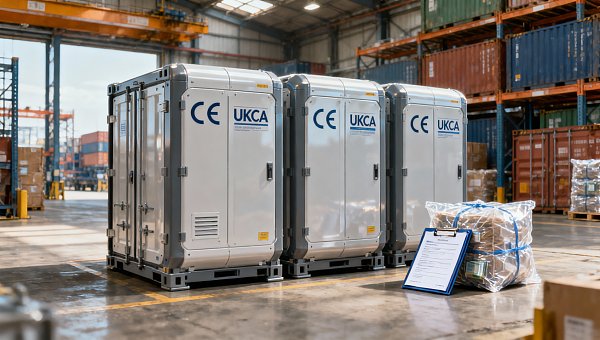
On July 12, 2026, the revised EN 13501-1:2026 entered into force in the EU, changing how fire classification is handled for Modular Cabins. The update shifts the compliance focus from whole-cabin certification to mandatory combustion testing of individual structural and finish components such as walls, floors, and ceilings. For exporters supplying holiday cabins, emergency medical units, and education modules to the EU, this is a practical compliance and delivery issue because it directly affects CE preparation, testing schedules, and shipment planning.

A direct change in the CE compliance path
The confirmed change is that, from July 12, 2026, the revised EN 13501-1:2026 is formally in effect in the EU. Under this revision, all structural and finish components used in Modular Cabins, including wall, floor, and ceiling elements, are brought into mandatory classified combustion testing. Whole-cabin system-level certification is no longer accepted as a substitute for this component-level approach.
The information provided also makes clear that this change directly affects the CE compliance route for Chinese exporters delivering Modular Cabins to the EU, especially in product categories such as holiday units, emergency medical cabins, and education modules. It also indicates that individual component testing now needs to be arranged around 6 to 8 weeks in advance.
Where the pressure is likely to appear first
Export delivery teams face a narrower documentation window
From an industry perspective, exporters are likely to feel the change first because the rule now attaches compliance to the tested status of each relevant component rather than to a completed cabin as a single system. The practical effect is that export teams need to pay closer attention to whether component-level test records are aligned with the actual bill of materials used in production and shipment.
What deserves closer attention is the link between compliance timing and delivery timing. If single components must be sent for testing 6 to 8 weeks in advance, order confirmation, production scheduling, and final shipment preparation may need tighter coordination than before.
Manufacturing and sourcing teams need closer material control
For manufacturers and procurement functions, the rule change matters because walls, floors, ceilings, and other structural or finish elements are now central to the compliance route. Analysis shows that any change in component selection, finish specification, or supplier arrangement may have implications for whether existing test results still support the intended export configuration.
This does not by itself confirm any specific enforcement outcome, but it does mean companies should watch how component records, technical files, and material consistency are managed across sourcing and assembly stages.
Testing and certification support work becomes more front-loaded
Certification-related service providers and testing coordinators are also directly touched by the change because the compliance process now requires more attention at the component level. Observably, the operational burden may shift earlier in the project cycle, with more emphasis on booking tests, preparing technical submissions, and matching reports to specific cabin configurations before delivery milestones are fixed.
For buyers and project owners, this may also become a procurement issue. If tenders or purchasing documents continue to rely on broad system-level language while the compliance route has moved to component testing, contract review and technical alignment may need more scrutiny.
What companies should review now
Check whether current CE files still match the new testing logic
Analysis shows that companies supplying Modular Cabins to the EU should first review whether their current CE preparation relies on whole-system certification logic that may no longer be sufficient under EN 13501-1:2026. The immediate concern is not only whether testing exists, but whether the testing structure matches the revised requirement for component-level fire classification.
Rebuild testing timelines around individual components
The provided information specifically points to a 6 to 8 week lead time for sending single components for testing. That makes timeline planning a practical issue. Companies may need to examine whether quoting, sample confirmation, procurement release, and production sequencing leave enough time for component submission before delivery dates are committed.
Watch technical documents and bid language more closely
Where sales depend on tenders, project specifications, or customer technical schedules, it is advisable to review whether the wording reflects the new compliance route. Observably, technical files, test reports, and supporting documents may need to describe component-level fire performance more clearly than before, especially where multiple finish or structural options are involved.
Track execution signals beyond the rule text itself
The confirmed facts establish that the revised standard is in force and that the compliance route has changed. However, where detailed execution language is not provided in the input, it is more appropriate to monitor how certification interpretation, project documentation practice, and customer-side acceptance requirements develop in actual transactions.
Why this looks like an execution signal, not just a standards update
Analysis shows that this development is better understood as an implemented compliance change rather than a distant policy discussion, because the effective date is explicit and the testing requirement has been described in operational terms. At the same time, it should not be overstated as a complete picture of market enforcement, since the input does not provide detailed implementation guidance, case outcomes, or project-by-project acceptance practice.
From an industry perspective, the more meaningful signal is that fire compliance for Modular Cabins in the EU is becoming more granular. That raises the importance of component traceability, technical consistency, and earlier testing preparation across export projects. Continued attention is still needed because the way these requirements appear in certification practice, procurement documents, and delivery review may evolve.
How this update is best understood at this stage
At this stage, the event is best read as a confirmed rule change with immediate relevance to compliance preparation for Modular Cabins entering the EU market. The key implication is not simply that a standard has been revised, but that the practical route to CE-related readiness now depends more directly on individual component testing and earlier planning.
A neutral reading is that companies exposed to EU-bound cabin projects should treat this as an active compliance and delivery planning issue, while continuing to watch for further clarity in execution language, customer requirements, and market feedback.
Basis of this article and points that still need verification
This article is based on the user-provided news title, event date, and event summary. For developments of this kind, commonly relevant source types may include official notices, regulator publications, trade or customs authority information, industry association updates, standard-setting documents, and reporting by authoritative media. A specific official source link was not provided in the input, so the underlying publication path still needs to be verified on an ongoing basis.
Further observation is still warranted on detailed implementation language, certification interpretation, bid-document changes, market feedback, and how affected companies adjust testing and delivery arrangements in practice.
Recommended News
 Sep 22, 2026Industrial Compressors: How to Size Air Capacity and Pressure for Factory DemandIndustrial compressors sizing guide: calculate factory air capacity, end-use pressure, peak demand, receiver storage, leakage, and energy-efficient system performance.
 Sep 09, 2026Sustainable Building Materials Pricing: How Buyers Compare Cost, Life Cycle, and RiskSustainable building materials pricing explained: compare installed cost, life-cycle value, carbon evidence, and supply-chain risk for smarter procurement decisions.
 Aug 29, 2026How to Assess Modular Building Suitability for Middle East Climate and Site ConditionsModular building assessment Middle East: evaluate heat, dust, corrosion, logistics, compliance, and lifecycle value for resilient site-ready projects.
 Aug 16, 2026EU Sets Mandatory Carbon Footprint Certification for Imported Modular CabinsEU mandatory carbon footprint certification will reshape imported modular cabins compliance from 2027. Learn key EU rules, EN 15804+A2 impacts, exporter risks, and how to prepare early.
 Aug 12, 2026New Exit Compliance Rule Reshapes Bids and AI Travel ProofExit compliance rule now reshapes bids and AI travel proof, raising export compliance demands for glamping tents, modular cabins, smart lighting, and kiosk tech. Learn what changes first.
 Jul 13, 2026EU Fire Rule Tightens Testing for Modular CabinsEU Fire Rule Tightens Testing for Modular Cabins: learn how EN 13501-1:2026 shifts CE compliance to component fire testing, impacts lead times, and affects EU export planning.
 Jul 12, 2026Prefab Thermal Efficiency Analysis: Which Metrics Matter for Off-Grid Cabin Design?Prefab thermal efficiency analysis for off-grid cabins: discover the key metrics that shape energy use, comfort, moisture control, and smarter supplier selection.
 Jul 11, 2026EN 16893:2026 Takes Effect for Modular CabinsEN 16893:2026 takes effect for modular cabins in the EU, making third-party verification essential for customs, listing, and project approval. Learn the key compliance changes now.
 Jul 10, 2026China Customs Tightens EU Modular Cabin DeclarationsChina Customs tightens EU Modular Cabin declarations: learn the new EN 16893:2026 and CNAS filing rules, 72-hour delay risks, and how exporters can stay compliant.
 Jul 09, 2026Berlin ITMA 2026 Adds Modular Cabins ZoneBerlin ITMA 2026 adds a Modular Cabins Zone for carbon-neutral prefab solutions, featuring verification, compatibility testing, and cross-border sourcing insights. See what buyers and suppliers should watch.
 Jul 09, 2026Modular Tourism Structures Cost: 7 Factors That Affect Budget, Transport, and InstallationModular tourism structures cost explained: discover the 7 key factors shaping budget, transport, and installation, and learn how to avoid hidden expenses before signing.
 Jul 07, 2026Vietnam Enforces New Import Rules for Modular CabinsVietnam Enforces New Import Rules for Modular Cabins: learn how VNSP registration, QR labeling, and LCA carbon filings affect customs clearance, supplier readiness, and delivery risk.
![]() Jul 06, 2026Vietnam Mandates QR Traceability Labels for Modular CabinsVietnam mandates QR traceability labels for Modular Cabins from July 15, 2026. Learn the new compliance rules, port return risks, and key actions for exporters and buyers.
Jul 06, 2026Vietnam Mandates QR Traceability Labels for Modular CabinsVietnam mandates QR traceability labels for Modular Cabins from July 15, 2026. Learn the new compliance rules, port return risks, and key actions for exporters and buyers. Jul 05, 2026Pre-Engineered Cabins Buying Guide: Key Specs, Layout Options, and Cost FactorsPre-engineered cabins buying guide covering key specs, layout options, and real cost factors. Learn how to compare suppliers, avoid hidden costs, and choose units built for long-term performance.
 Jul 04, 2026How to Choose Insulated Hospitality Units for Year-Round Resorts and Remote SitesInsulated hospitality units for year-round resorts and remote sites: learn how to compare thermal performance, durability, compliance, and lifecycle cost for smarter investment decisions.
 Jul 01, 2026EN 13501-1:2026 Takes Effect for Modular CabinsEN 13501-1:2026 now reshapes market access for Modular Cabins. Learn how B-s1,d0 ratings, third-party testing, and CE/UKCA marking affect exports, customs, and delivery planning.
 Jun 30, 2026Djibouti Port Adds Dual Checks for Modular CabinsDjibouti Port adds dual checks for Modular Cabins: thermal imaging and advance EPD filing. Learn how the 3.7-day pre-clearance rule impacts Red Sea shipping, escort priority, and delivery planning.
 Jun 29, 2026EU Fire Rule Tightens for Modular Cabin ExportsModular Cabins exporters face a major EU compliance shift: EN 13501-1:2026 now ties CE marking to mandatory SBI fire testing. Learn the risks, deadlines, and actions needed for EU market access.
 Jun 27, 2026EU EN 16435:2026 Takes Effect for Modular CabinsEU EN 16435:2026 takes effect for Modular Cabins on July 1, 2026, adding Rf 60 and Sd2 tests. Learn how the new CE compliance rules impact certification, testing timelines, and EU shipments.
 Jun 27, 2026Prefab Hospitality Testing and Code Compliance: What to Check Before Project ApprovalPrefab hospitality testing code compliance starts with the right checks. Learn what to verify in structure, fire, MEP, accessibility, and documentation before project approval.
 Jun 26, 2026Red Sea Disruption Extends Modular Cabin Lead TimesRed Sea disruption extends Modular Cabin lead times as Asia-Europe shipping costs rise and 40HQ transit reaches 42 days. See how exporters and buyers can reduce delivery risk now.
 Jun 24, 2026Riyadh Modular Housing Tenders AccelerateRiyadh modular housing tenders accelerate as 27 projects seek SASO 2201:2025-compliant prefabricated units. Explore the 32,000 modular cabins opportunity and 180-day delivery challenge.
 Jun 23, 2026Hormuz Reopening May Cut Camp Export Freight Costs 12%Hormuz reopening may cut camp export freight costs 12%, helping Modular Cabins and Glamping Tents shipments to Saudi Arabia, the UAE, and Qatar. See what exporters should adjust now.
 Jun 22, 2026CBAM Reporting Extends to PV Mounts From JulyCBAM Reporting Extends to PV Mounts From July, making batch-level carbon reporting a critical export requirement. Learn how PV mounts suppliers can protect EU and U.S. project access.
Quarterly Executive Summaries Delivered Directly.
Join 50,000+ industry leaders who receive our proprietary market analysis and policy outlooks before they hit the public library.