Search News
TerraVista Metrics (TVM)Industry Portal
TerraVista Metrics (TVM)Hot Articles
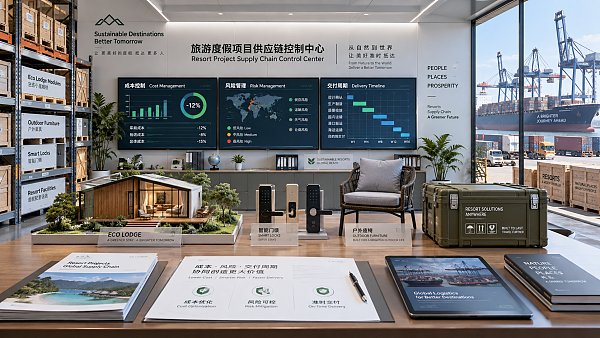
TerraVista Metrics (TVM)- Tourism Procurement Planning in Europe: Budgets, Suppliers, and Seasonal DeadlinesTourism procurement planning Europe: Compare full costs, vet suppliers, and align seasonal deadlines. Discover practical steps to protect your budget and open on time.
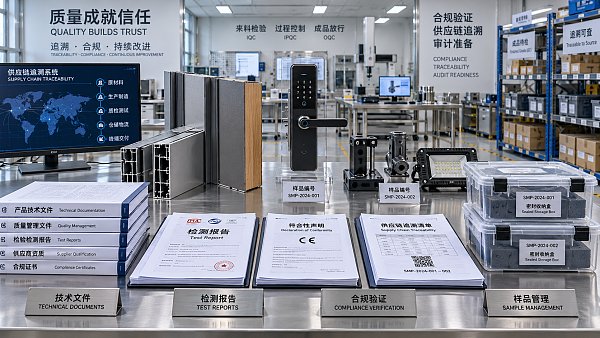
- Product Sourcing Checklist: How Buyers Can Vet Suppliers and Reduce Procurement RiskProduct sourcing guide checklist for vetting suppliers, verifying compliance, comparing total costs, and reducing procurement risk with confidence.
- How to Evaluate Spark Plug Suppliers for Consistent Quality and Lead TimesSpark plugs supplier evaluation guide: compare quality control, traceability, fitment, total cost, and reliable lead times to secure dependable engine maintenance supply.
Popular Tags
TerraVista Metrics (TVM)Industry NewsChina Introduces First AI Guestroom Automation Compliance Framework
auth.Time
Oct 10, 2026Click Count
On 20 May 2026, China’s Cyberspace Administration, National Development and Reform Commission, and Ministry of Industry and Information Technology jointly issued the Implementation Opinions on Standardized Application and Innovative Development of Intelligent Agents, marking the first time AI-powered guestroom automation systems have been formally integrated into a national regulatory framework centered on security control and orderly governance—directly impacting global hospitality technology suppliers and system integrators.

New Regulatory Framework for Intelligent Agent Systems
Effective 20 May 2026, the tri-departmental policy establishes binding technical and operational requirements for AI-driven guestroom automation (Guestroom Automation) systems deployed in China. Key stipulations include mandatory local data storage, edge-layer self-healing response time ≤200 ms upon failure, and cross-vendor interoperability through standardized protocols—including Matter, KNX, and IP-based architectures. The regulation explicitly positions Guestroom Automation within the broader ‘intelligent agent’ category under the principle of ‘secure, controllable, and orderly development’.
Impact Across the Hospitality Technology Value Chain
Export-Oriented System Integrators
These firms face immediate compliance review cycles for existing and upcoming deployments. Impact manifests in tender qualification assessments, technical documentation submissions, and post-deployment audit readiness—especially concerning data residency verification and real-time fault-response logs.
Hardware Manufacturers & Component Suppliers
Manufacturers supplying controllers, sensors, or edge gateways must now validate protocol stack conformance (Matter/KNX/IP), latency performance under failure conditions, and firmware-level data isolation capabilities. Procurement specifications are expected to shift toward certified components with embedded compliance evidence.
Software Platform Providers
Cloud and on-premise platform vendors must re-architect data routing logic to enforce strict local storage boundaries and implement deterministic edge-side recovery workflows. Integration testing against certified hardware ecosystems becomes a prerequisite—not optional—for market access.
Supply Chain Certification & Logistics Services
Third-party certification bodies, test labs, and logistics partners supporting cross-border deployment will need updated accreditation scopes covering edge responsiveness validation, protocol conformance testing, and localized data handling audits—potentially extending lead times for certification clearance.
Key Compliance Priorities for Enterprises
Protocol Interoperability Verification
Confirm full support for Matter 1.3, KNX Secure, and standardized IP-based control interfaces across all device tiers; maintain vendor-agnostic test reports from accredited labs.
Edge Resilience Documentation
Prepare certified technical documentation demonstrating sub-200 ms self-healing behavior under defined fault scenarios—including network partitioning, power interruption, and sensor failure modes.
Data Localization Architecture Review
Validate that no guestroom telemetry, biometric inputs, or behavioral metadata leaves designated on-premises or regional edge nodes without explicit legal authorization—and document data flow maps accordingly.
Export Tender Alignment
Update technical bid packages to reflect China-specific compliance markers (e.g., certified edge latency, protocol conformance certificates, data sovereignty architecture diagrams) to remain competitive in public and private sector tenders.
Industry Observation: A Strategic Shift Toward Edge-Centric Governance
Analysis shows this regulation signals more than incremental compliance—it reflects a deliberate pivot toward edge-native governance of AI-enabled infrastructure. Observably, the 200 ms self-healing threshold aligns closely with real-time safety expectations in industrial control systems, suggesting convergence between hospitality automation and critical infrastructure standards. It is more appropriate to understand this as an early indicator of how AI regulation may evolve beyond cloud-centric models toward distributed, latency-bound accountability frameworks. What deserves closer attention is whether similar edge-responsiveness benchmarks will emerge in other regulated verticals—including healthcare IoT and smart building management.
Strategic Implications for Global Market Access
This framework does not merely raise compliance thresholds—it redefines baseline expectations for AI-integrated building systems entering China. For international suppliers, meeting these requirements offers dual benefit: eligibility in domestic tenders and strengthened credibility in export markets adopting comparable standards (e.g., EU AI Act-aligned building certifications). However, success hinges less on standalone product features and more on verifiable, auditable system behavior—particularly at the edge layer.
Source Attribution & Ongoing Monitoring
This article is based exclusively on the provided title, event date (20 May 2026), and summary description. Specific official source links were not provided in the input and should be verified continuously. Stakeholders are advised to monitor forthcoming implementation guidelines, certification body announcements, model tender clauses from major hotel groups and government procurement platforms, and industry feedback on protocol conformance testing procedures.
Recommended News
 Oct 13, 2026Tourism Procurement Planning in Europe: Budgets, Suppliers, and Seasonal DeadlinesTourism procurement planning Europe: Compare full costs, vet suppliers, and align seasonal deadlines. Discover practical steps to protect your budget and open on time.
 Oct 12, 2026Product Sourcing Checklist: How Buyers Can Vet Suppliers and Reduce Procurement RiskProduct sourcing guide checklist for vetting suppliers, verifying compliance, comparing total costs, and reducing procurement risk with confidence.
 Oct 10, 2026How to Evaluate Spark Plug Suppliers for Consistent Quality and Lead TimesSpark plugs supplier evaluation guide: compare quality control, traceability, fitment, total cost, and reliable lead times to secure dependable engine maintenance supply.
 Oct 08, 2026What Drives System Interoperability Testing Service Costs in Complex Projects?System interoperability testing service cost depends on integration scope, workflows, environments, and assurance needs. Learn how to budget smarter and reduce project risk.
 Oct 07, 2026Project Planning Sourcing Guides: How to Qualify Suppliers Before Work StartsSourcing guides project planning helps teams qualify suppliers before work begins—verify compliance, delivery capacity, financial strength, and sustainability to reduce risk and protect project outcomes.
 Oct 06, 2026Buyer’s Guide to Kinetic Art: Choosing Safe, Durable Pieces for Public SpacesBuyer guides kinetic art for public spaces: learn how to choose safe, durable, low-maintenance installations with reliable engineering, materials, controls, and lifecycle value.
 Oct 05, 2026Regulatory Compliance Vendor Comparison: How to Assess Audit Readiness and RiskRegulatory compliance vendor comparison made practical: assess audit readiness, evidence quality, change control, and supply-chain risk before award. Learn how to choose defensible suppliers.
 Oct 04, 2026A Procurement Checklist for Tourism Hardware Equipment in Resorts and Visitor CentersTourism hardware equipment procurement checklist for resorts and visitor centers: compare durability, compliance, lifecycle costs, supplier support, and logistics.
 Oct 03, 2026Verified Performance Certification: What It Proves During Product QualificationVerified performance certification helps teams qualify products with confidence. Learn how to assess scope, test conditions, and delivery controls before approval.
 Oct 02, 2026North American Yacht Tech: Market Shifts Reshaping Retrofit and New-Build DemandYacht tech North America is reshaping retrofit and new-build choices. Explore smarter energy, connectivity, cybersecurity, and lifecycle strategies for lasting yacht value.
 Oct 01, 2026Multiaxial Material Fatigue Analysis for Predicting Service Life Under Variable LoadsMultiaxial material fatigue analysis helps predict service life under variable loads, enabling safer procurement, lower lifecycle risk, and durable tourism infrastructure.
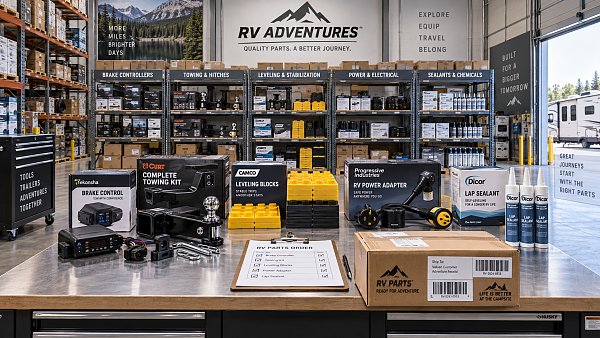
 Sep 30, 2026How RV Dealers Can Vet Wholesale Accessory Distributors for Reliable StockRV accessories wholesale distributor vetting guide for dealers: verify stock, fitment, fulfillment, terms, and support to reduce delays and protect margins.
 Sep 29, 2026When Does a Cableway System Upgrade Improve Capacity and Reduce Downtime?Discover when a cableway systems upgrade can increase real capacity, cut unplanned downtime, and deliver a stronger lifecycle return for tourism operations.
 Sep 28, 2026What Does Tourism Destination Infrastructure Cost? A Budgeting Guide for DevelopersTourism destination infrastructure price guide for developers: budget utilities, systems, installation, lifecycle costs, and contingencies for smarter investments.
 Sep 27, 2026How to Design Scalable System Integration Testing for Multi-Vendor DeploymentsScalable system integration testing for multi-vendor deployments: build resilient, secure, and growth-ready operations with proven interface, resilience, and acceptance strategies.
 Sep 26, 2026Regulatory Compliance Procurement Support: How to Vet Suppliers Before Contract AwardRegulatory compliance procurement support helps buyers vet suppliers, verify evidence, manage risks, and secure compliant assets before contract award.
 Sep 25, 2026Resort System Integration: How to Connect PMS, Guestroom Controls, and KiosksResort system integration guide: connect PMS, guestroom controls, and kiosks with reliable workflows, secure data, and seamless guest experiences.
 Sep 24, 2026Hotel Tourism Benchmarking: Which KPIs Reveal Competitive Market Position?Tourism benchmarking for hotels reveals the KPIs that define competitive position, from RevPAR index and demand quality to profit, guest experience, and asset resilience.
 Sep 23, 2026Planning Smart Classroom Solutions for Hybrid Learning Without Creating AV Support GapsSmart classroom solutions for reliable hybrid learning: standardize workflows, strengthen AV support, and deliver seamless teaching experiences.
 Sep 22, 2026Industrial Compressors: How to Size Air Capacity and Pressure for Factory DemandIndustrial compressors sizing guide: calculate factory air capacity, end-use pressure, peak demand, receiver storage, leakage, and energy-efficient system performance.
 Sep 21, 2026What Do Eco-Lodging Standards Cost, From Certification Fees to Compliance Upgrades?Eco lodging standards cost explained: compare certification fees, compliance upgrades, documentation, and operational investments to budget smarter and avoid costly rework.
 Sep 20, 2026Supply Chain Analysis: How to Identify Cost, Risk, and Lead-Time BottlenecksSupply chain analysis helps tourism project leaders uncover cost, risk, and lead-time bottlenecks—protecting opening dates, budgets, and guest-ready operations.
 Sep 19, 2026How to Choose Industry Benchmarking Tools That Deliver Actionable Performance InsightsIndustry benchmarking tools: learn how to validate data, compare lifecycle costs, assess compliance, and turn performance evidence into smarter decisions.
 Sep 18, 2026Technical Procurement in Southeast Asia: Evaluating Suppliers, Compliance, and Lead TimesTechnical procurement Southeast Asia: evaluate suppliers, compliance, lead times, and total cost to secure reliable, project-ready assets. Read the practical guide.
Quarterly Executive Summaries Delivered Directly.
Join 50,000+ industry leaders who receive our proprietary market analysis and policy outlooks before they hit the public library.