Search News
TerraVista Metrics (TVM)Industry Portal
TerraVista Metrics (TVM)Hot Articles
TerraVista Metrics (TVM)- Verified Performance Certification: What It Proves During Product QualificationVerified performance certification helps teams qualify products with confidence. Learn how to assess scope, test conditions, and delivery controls before approval.
- North American Yacht Tech: Market Shifts Reshaping Retrofit and New-Build DemandYacht tech North America is reshaping retrofit and new-build choices. Explore smarter energy, connectivity, cybersecurity, and lifecycle strategies for lasting yacht value.
- Multiaxial Material Fatigue Analysis for Predicting Service Life Under Variable LoadsMultiaxial material fatigue analysis helps predict service life under variable loads, enabling safer procurement, lower lifecycle risk, and durable tourism infrastructure.
Popular Tags
TerraVista Metrics (TVM)Industry NewsBenchmarking Data: Which Metrics Matter Most in 2026
auth.Time
Oct 01, 2026Click Count
In 2026, benchmarking data has become a core decision tool across tourism, hospitality, and related infrastructure planning. It turns broad product claims into measurable evidence.
For lodging systems, guest technology, and destination equipment, the most useful benchmarking data is not the longest spreadsheet. It is the shortest path to verified performance.
This matters because tourism assets now combine energy systems, digital networks, structural materials, and regulatory obligations. A weak metric can hide a costly weakness.
TerraVista Metrics (TVM) addresses this gap by translating engineering performance into comparable benchmarks. Its tourism-focused benchmarking data helps evaluate durability, efficiency, compliance, and integration readiness.
What Benchmarking Data Means in 2026

Benchmarking data is structured comparative evidence. It shows how one product, system, or supplier performs against defined technical standards or peer baselines.
In 2026, useful benchmarking data goes beyond price and brochure features. It connects field conditions, test methods, lifecycle costs, and interoperability outcomes.
Within tourism infrastructure, benchmarking data often covers prefab accommodations, hotel automation, energy consumption, amusement hardware, water systems, and connected guest services.
The purpose is simple: compare options using repeatable metrics, not visual presentation. This reduces selection bias and improves long-term asset confidence.
Core characteristics of reliable benchmarking data
- Clearly defined test conditions
- Consistent measurement units
- Transparent sampling methods
- Third-party or independent validation
- Direct relevance to operating environments
Industry Signals Shaping Benchmarking Priorities
Tourism development now faces tighter sustainability rules, higher guest expectations, and more integrated digital operations. These pressures change which benchmarking data matters most.
The shift is visible across resort construction, eco-lodging, urban hotels, and destination attractions. Performance proof now influences both selection speed and risk exposure.
This is why benchmarking data must be both technical and commercial. A metric only matters when it supports real operating decisions.
Which Metrics Matter Most in 2026
Not every metric deserves equal weight. The best benchmarking data focuses on performance areas that affect safety, cost, uptime, guest comfort, and compliance.
1. Thermal efficiency and environmental control
For prefab cabins, glamping units, and modular hospitality spaces, thermal efficiency remains a top metric. It influences comfort, HVAC load, and total operating expense.
- U-value and insulation consistency
- Air leakage under pressure tests
- Interior temperature stability
- Moisture resistance in humid climates
2. Durability and material fatigue
High-use tourism assets experience repeated stress. Strong benchmarking data should show how materials behave after cycles of load, vibration, weathering, and corrosion exposure.
- Fatigue life under repeated use
- Salt spray and corrosion resistance
- Impact tolerance and structural deformation
- Surface wear rates in public zones
3. Smart system reliability
Hotels and resorts increasingly depend on connected devices. Benchmarking data must therefore include digital reliability, not only hardware specifications.
- Network uptime and failover response
- Data throughput across peak occupancy
- Device interoperability with BMS, PMS, and IoT layers
- Cybersecurity patch readiness and recovery windows
4. Carbon and compliance indicators
Sustainability claims now need measurable support. In many cases, benchmarking data must map directly to carbon reporting, environmental disclosure, or green building frameworks.
- Embodied carbon per unit or square meter
- Operational energy consumption
- Recyclable content and end-of-life recovery
- Conformance with regional technical standards
5. Lifecycle cost performance
A lower purchase price can hide higher replacement and service costs. Good benchmarking data compares total cost over the expected operating life.
Useful cost metrics include maintenance intervals, spare parts dependency, energy draw, labor intensity, and mean time between failures.
How Benchmarking Data Creates Business Value
The value of benchmarking data is practical. It supports faster evaluation, stronger design confidence, and more accurate forecasting across the tourism asset lifecycle.
For example, comparing prefab lodging by thermal loss and moisture behavior can reduce future retrofit risk. Comparing hotel networks by throughput can prevent hidden service failures.
Benchmarking data also improves communication between engineering teams, planners, investors, and site operators. Shared metrics create a common decision language.
Direct benefits of strong benchmarking data
- Reduces uncertainty during supplier comparison
- Exposes weak points before installation
- Supports compliance and sustainability reporting
- Improves lifecycle budgeting accuracy
- Strengthens long-term asset resilience
Typical Benchmarking Categories Across Tourism Infrastructure
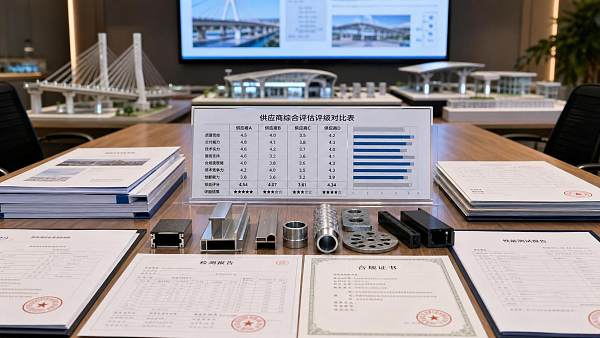
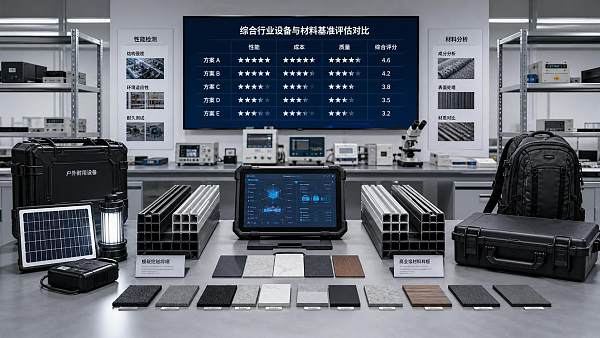
Different asset types require different benchmarking data. The table below shows representative categories and the metrics that usually carry the most weight.
This is where TerraVista Metrics (TVM) adds clarity. Its benchmarking data aligns technical testing with tourism-specific use conditions rather than generic industrial assumptions.
Practical Guidance for Using Benchmarking Data Well
Even high-quality benchmarking data can mislead if used without context. The goal is not to collect more numbers. The goal is to compare the right numbers correctly.
Focus on comparable test conditions
A thermal score from a dry climate test may not predict tropical performance. A network benchmark from low occupancy may not reflect peak season stress.
Separate headline metrics from decision metrics
Some figures look impressive but have weak decision value. Benchmarking data should prioritize metrics tied to operational risk, compliance, and lifecycle economics.
Check integration and maintenance assumptions
A system may test well in isolation yet perform poorly when connected to local infrastructure. Good benchmarking data should include interface and servicing realities.
Use third-party validation when possible
Independent benchmarking data reduces interpretation bias. It also improves trust when results need to support investment, certification, or cross-border evaluation.
Next-Step Evaluation Framework
A practical 2026 evaluation process starts by defining the asset type, operating climate, digital dependencies, and compliance targets. Only then should metric weighting begin.
Next, shortlist the benchmarking data that directly affects cost, resilience, comfort, and interoperability. Remove metrics that do not change the final decision.
Finally, compare options using normalized testing methods and documented assumptions. This creates a more defensible and future-ready selection model.
In a market shaped by sustainability targets and smart infrastructure, benchmarking data is no longer supplementary. It is foundational.
For tourism infrastructure requiring clear technical evidence, TerraVista Metrics (TVM) provides benchmarking data that filters noise, standardizes comparisons, and supports precise long-term decisions.
Recommended News
 Sep 27, 2026How to Design Scalable System Integration Testing for Multi-Vendor DeploymentsScalable system integration testing for multi-vendor deployments: build resilient, secure, and growth-ready operations with proven interface, resilience, and acceptance strategies.
 Sep 24, 2026Hotel Tourism Benchmarking: Which KPIs Reveal Competitive Market Position?Tourism benchmarking for hotels reveals the KPIs that define competitive position, from RevPAR index and demand quality to profit, guest experience, and asset resilience.
 Sep 20, 2026Supply Chain Analysis: How to Identify Cost, Risk, and Lead-Time BottlenecksSupply chain analysis helps tourism project leaders uncover cost, risk, and lead-time bottlenecks—protecting opening dates, budgets, and guest-ready operations.
 Sep 19, 2026How to Choose Industry Benchmarking Tools That Deliver Actionable Performance InsightsIndustry benchmarking tools: learn how to validate data, compare lifecycle costs, assess compliance, and turn performance evidence into smarter decisions.
 Sep 14, 2026Engineering Performance Testing Trends Reshaping Product Validation WorkflowsEngineering performance testing trend analysis reveals how assembly validation, realistic environmental loads, and digital resilience improve product reliability and reduce field failures.
 Sep 12, 2026Cloud Integration Interoperability Testing: Methods, Metrics, and Release GatesSystem interoperability testing cloud integration: explore practical methods, key metrics, and evidence-based release gates for secure, reliable connected operations.
 Sep 05, 2026What Engineering Performance Testing Should Cover During a Specification ReviewEngineering performance testing for specification review: learn how to verify structural strength, durability, safety, sustainability, and system reliability before costly project decisions.
 Aug 11, 2026How to Evaluate Materials Performance Analysis Services in Europe for Compliance-Critical ProjectsMaterials performance analysis Europe: learn how to compare accredited labs, verify compliance readiness, and choose a provider whose data, methods, and reports stand up to real project scrutiny.
 Jul 27, 2026Product Application Analysis for Procurement: How to Compare Fit, Risk, and ROIProduct application analysis for procurement helps buyers compare fit, compliance risk, lifecycle cost, and ROI with confidence. Learn a practical framework to avoid costly sourcing mistakes.
 Jul 22, 2026How to Evaluate Weather Resistance in Materials Performance Analysis?Materials performance analysis weather resistance explained: learn how to assess UV, moisture, temperature, and corrosion risks to choose durable materials with confidence.
 Jul 15, 2026Cloud Storage for Business: How to Compare Security, Access Speed, and Backup CostsCloud storage for business: compare security, access speed, and backup costs with a practical framework to reduce risk, control spend, and choose the right provider with confidence.
 Jul 14, 2026What Are Standardized Performance Benchmarks Ratings Used For in Vendor Evaluation?Standardized performance benchmarks rating explains how buyers compare vendors with verified data on compliance, durability, and lifecycle value for smarter procurement decisions.
 Jul 13, 2026Product Benchmarking Rating Explained: How to Compare Scores Across SuppliersProduct benchmarking rating explained: learn how to compare supplier scores with confidence, verify methodology, spot hidden risks, and make smarter procurement decisions.
 Jul 13, 2026How to Choose a Product Benchmarking Data Provider for Reliable Market ComparisonsProduct benchmarking data provider selection starts with methodology, transparency, and sector fit. Learn how to compare providers for reliable market insights and smarter procurement decisions.
 Jul 10, 2026Technical Integration Resilience Explained: How to Reduce Downtime Across Connected SystemsTechnical integration resilience explained: learn how to reduce downtime, prevent cascading failures, and improve uptime across connected systems with practical planning insights.
 Jul 08, 2026How to Use Product Benchmarking KPIs to Compare Competing SolutionsProduct benchmarking KPIs help you compare competing solutions with real evidence. Learn how to measure performance, lifecycle cost, compliance, and risk for smarter buying decisions.
 Jul 05, 2026How to Run an Environmental Sustainability Assessment: Metrics, Boundaries, and Trend AnalysisEnvironmental sustainability assessment trend analysis made practical: learn how to set metrics and boundaries, compare lifecycle impacts, and turn sustainability data into smarter decisions.
 Jul 04, 2026Hospitality Design Benchmarks Metrics Explained: Which KPIs Matter for Guestroom Upgrades?Hospitality design benchmarks metrics explained: discover the KPIs that matter most for guestroom upgrades, from lifecycle cost and durability to energy use, maintenance, and guest satisfaction.
 Jul 02, 2026How to Compare Product Category Pricing Models for Better Margin PlanningProduct category pricing model comparison made practical: learn how to evaluate total cost, hidden risks, and lifecycle value to improve margin planning and make smarter sourcing decisions.
 Jun 30, 2026How Technical Explainer Content for Procurement Helps Compare Specs, Risks, and SuppliersTechnical explainer content for procurement helps teams compare specs, uncover supplier risks, and choose solutions that improve compliance, lifecycle value, and long-term performance.
 Jun 29, 2026System Interoperability Testing Vendors: Key Criteria for Compliance and PerformanceSystem interoperability testing vendors compared: discover how to assess compliance, performance, independence, and real-world reliability before costly integration failures happen.
 Jun 28, 2026Product Benchmarking Explained: How to Compare Performance, Cost, and QualityProduct benchmarking explained: learn how to compare performance, cost, and quality with a practical framework that reduces risk, improves supplier selection, and supports smarter long-term decisions.
 Jun 27, 2026How to Build a Product Benchmarking Comparison Matrix for Hospitality Equipment SelectionProduct benchmarking comparison matrix guide for hospitality equipment selection. Learn to compare cost, compliance, durability, and lifecycle value with confidence.
 Jun 25, 2026What Drives System Interoperability Testing Implementation Cost in Multi-Vendor Projects?System interoperability testing implementation cost rises in multi-vendor projects due to scope gaps, retesting, compliance, and downtime risk. Learn how to control costs early.
Quarterly Executive Summaries Delivered Directly.
Join 50,000+ industry leaders who receive our proprietary market analysis and policy outlooks before they hit the public library.