Search News
TerraVista Metrics (TVM)Industry Portal
TerraVista Metrics (TVM)Hot Articles
TerraVista Metrics (TVM)- Regulatory Compliance Procurement Support: How to Vet Suppliers Before Contract AwardRegulatory compliance procurement support helps buyers vet suppliers, verify evidence, manage risks, and secure compliant assets before contract award.
- Resort System Integration: How to Connect PMS, Guestroom Controls, and KiosksResort system integration guide: connect PMS, guestroom controls, and kiosks with reliable workflows, secure data, and seamless guest experiences.
- Hotel Tourism Benchmarking: Which KPIs Reveal Competitive Market Position?Tourism benchmarking for hotels reveals the KPIs that define competitive position, from RevPAR index and demand quality to profit, guest experience, and asset resilience.
Popular Tags
TerraVista Metrics (TVM)Industry NewsTillage Equipment Choices That Raise Fuel Costs Fast
auth.Time
Sep 24, 2026Click Count
Choosing the wrong tillage equipment can raise fuel use much faster than expected. Small selection errors often become large operating losses across a season.
Fuel cost is shaped by soil resistance, working depth, implement width, field speed, and tractor balance. When tillage equipment is mismatched, engines work harder, wheel slip rises, and acres per hour fall.
This matters beyond farming alone. In broader infrastructure planning, energy efficiency, equipment durability, and measurable performance are now core decision factors.
TerraVista Metrics applies that same evidence-first logic to procurement analysis. Clear engineering benchmarks help separate attractive specifications from real operating efficiency.
Why does tillage equipment raise fuel costs so quickly?
Tillage equipment creates draft load. Draft load is the pulling force needed to move an implement through soil at a given depth and speed.
As draft increases, fuel burn climbs. A deeper pass, wider frame, or aggressive shank design can increase engine load immediately.
Many cost spikes come from stacking minor inefficiencies. One extra inch of depth, 1 mph more speed, and poor ballast can combine into a major fuel penalty.
Soil moisture also changes the picture. Wet, sticky ground adds drag, while dry, compacted layers demand more force from the same tillage equipment.
Another issue is overlap. Wide tillage equipment may look productive on paper, but irregular fields can create repeated passes and unnecessary fuel use.
- Higher draft from deep or aggressive tools
- Excessive travel speed
- Poor tractor-to-implement matching
- High wheel slip and poor traction
- Worn points, discs, or bearings
- Extra passes caused by poor finish quality
Which tillage equipment choices usually waste the most fuel?
The biggest fuel waste often comes from choosing more aggressive tillage equipment than the field actually needs. Not every surface issue requires deep, full-width disturbance.
Primary tillage tools, such as heavy chisel plows and deep rippers, demand significant horsepower. They are valuable in compaction zones, but wasteful in lighter conditions.
Vertical tillage, strip tillage, and shallow conservation systems can lower fuel use when residue management and seedbed goals allow reduced disturbance.
Disc angle matters too. A more aggressive setting can improve mixing, yet it often raises drag enough to offset any short-term productivity gain.
Oversized tillage equipment is another common mistake. If the tractor cannot hold target speed efficiently, the wider tool may consume more fuel per acre.
Common high-cost selection errors
- Using deep tillage equipment without confirmed compaction data
- Selecting width based on transport limits, not field efficiency
- Choosing speed-sensitive tools for uneven or small plots
- Ignoring residue levels and plugging risk
- Prioritizing finish appearance over energy efficiency
How should tillage equipment be matched to tractor power and field conditions?
Matching tillage equipment starts with real field conditions, not catalog width. Soil type, slope, residue load, moisture, and depth target should be measured first.
Next, compare draft demand with drawbar power, not only engine horsepower. A strong engine cannot save efficiency when traction losses are high.
Tire setup and ballast are part of the match. Under-ballasted tractors slip more, while over-ballasted tractors waste fuel carrying unnecessary weight.
Transmission range matters as well. Efficient tillage equipment performance depends on maintaining the correct working speed without forcing unstable engine loads.
On mixed terrain, flexible width can outperform maximum width. The best tillage equipment often supports stable productivity across varied field zones.
Practical matching checklist
- Confirm normal and peak operating depth
- Measure soil resistance by zone
- Review residue coverage after harvest
- Check target speed against horsepower curve
- Verify acceptable wheel slip range
- Estimate acres per hour after headland losses
What are the hidden fuel-cost risks in daily use?
Even well-chosen tillage equipment can become expensive through poor setup. Maintenance and operating discipline influence fuel cost almost every day.
Worn sweeps, dull disc blades, and damaged points increase soil friction. That means more fuel is burned for the same acre and the same job target.
Leveling errors create uneven depth. Some sections run too deep, others too shallow, and extra correction passes quickly erase any planned savings.
Turning patterns matter more than many teams assume. Tight headland turns and unnecessary transport movement lower productive time and raise fuel consumption per acre.
Weather timing is another hidden factor. Running tillage equipment in unsuitable moisture conditions can double resistance and accelerate wear at the same time.
How can tillage equipment be compared before purchase or deployment?
A useful comparison should go beyond purchase price. Good tillage equipment evaluation combines fuel use, field capacity, wear rate, and pass quality.
Start with fuel per acre, not only fuel per hour. High hourly consumption may still be acceptable if the tool covers more acres efficiently.
Then compare disturbance level. If two tools create similar agronomic outcomes, the one with lower draft often delivers better long-term cost control.
Durability should be measured in real conditions. Frame stress, bearing life, and replacement intervals change the full economics of tillage equipment ownership.
This is where benchmarking adds value. TVM’s analytical approach shows why normalized engineering metrics are more useful than styling, branding, or broad claims.
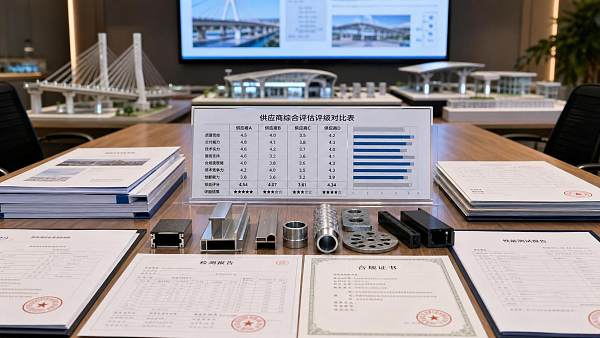
Decision table for comparing tillage equipment
What is the smartest way to reduce fuel cost without sacrificing tillage results?
The first step is to question whether every field needs the same tillage equipment strategy. Uniform plans often ignore major differences in compaction and residue.
Use the least aggressive tool that still achieves the desired agronomic outcome. That single principle prevents many avoidable fuel losses.
Depth discipline is critical. Running one inch shallower, when technically acceptable, can produce meaningful savings over large acre programs.
Speed should also be optimized, not maximized. Every tillage equipment design has an efficient window where finish quality and fuel use remain balanced.
Routine data logging helps. Record fuel per acre, slip, field speed, and wear part life. The pattern usually reveals the true cost drivers quickly.
- Reduce passes wherever residue and soil goals allow
- Verify depth settings at the start of each field
- Maintain sharp and correctly aligned wear parts
- Adjust ballast for seasonal operating conditions
- Benchmark similar tillage equipment with field data
Tillage equipment decisions affect fuel, maintenance, scheduling, and asset life together. The fastest savings often come from better matching, better timing, and measured comparison.
A disciplined evaluation model can turn equipment choice from a guess into a controlled engineering decision. That is the most reliable path to lower fuel costs and steadier performance.
When comparing future options, prioritize field-tested metrics over assumptions. Stronger evidence leads to smarter tillage equipment selection and fewer expensive surprises.
Recommended News
 Sep 24, 2026Hotel Tourism Benchmarking: Which KPIs Reveal Competitive Market Position?Tourism benchmarking for hotels reveals the KPIs that define competitive position, from RevPAR index and demand quality to profit, guest experience, and asset resilience.
 Sep 20, 2026Supply Chain Analysis: How to Identify Cost, Risk, and Lead-Time BottlenecksSupply chain analysis helps tourism project leaders uncover cost, risk, and lead-time bottlenecks—protecting opening dates, budgets, and guest-ready operations.
 Sep 19, 2026How to Choose Industry Benchmarking Tools That Deliver Actionable Performance InsightsIndustry benchmarking tools: learn how to validate data, compare lifecycle costs, assess compliance, and turn performance evidence into smarter decisions.
 Sep 14, 2026Engineering Performance Testing Trends Reshaping Product Validation WorkflowsEngineering performance testing trend analysis reveals how assembly validation, realistic environmental loads, and digital resilience improve product reliability and reduce field failures.
 Sep 12, 2026Cloud Integration Interoperability Testing: Methods, Metrics, and Release GatesSystem interoperability testing cloud integration: explore practical methods, key metrics, and evidence-based release gates for secure, reliable connected operations.
 Sep 05, 2026What Engineering Performance Testing Should Cover During a Specification ReviewEngineering performance testing for specification review: learn how to verify structural strength, durability, safety, sustainability, and system reliability before costly project decisions.
 Aug 11, 2026How to Evaluate Materials Performance Analysis Services in Europe for Compliance-Critical ProjectsMaterials performance analysis Europe: learn how to compare accredited labs, verify compliance readiness, and choose a provider whose data, methods, and reports stand up to real project scrutiny.
 Jul 27, 2026Product Application Analysis for Procurement: How to Compare Fit, Risk, and ROIProduct application analysis for procurement helps buyers compare fit, compliance risk, lifecycle cost, and ROI with confidence. Learn a practical framework to avoid costly sourcing mistakes.
 Jul 22, 2026How to Evaluate Weather Resistance in Materials Performance Analysis?Materials performance analysis weather resistance explained: learn how to assess UV, moisture, temperature, and corrosion risks to choose durable materials with confidence.
 Jul 15, 2026Cloud Storage for Business: How to Compare Security, Access Speed, and Backup CostsCloud storage for business: compare security, access speed, and backup costs with a practical framework to reduce risk, control spend, and choose the right provider with confidence.
 Jul 14, 2026What Are Standardized Performance Benchmarks Ratings Used For in Vendor Evaluation?Standardized performance benchmarks rating explains how buyers compare vendors with verified data on compliance, durability, and lifecycle value for smarter procurement decisions.
 Jul 13, 2026Product Benchmarking Rating Explained: How to Compare Scores Across SuppliersProduct benchmarking rating explained: learn how to compare supplier scores with confidence, verify methodology, spot hidden risks, and make smarter procurement decisions.
 Jul 13, 2026How to Choose a Product Benchmarking Data Provider for Reliable Market ComparisonsProduct benchmarking data provider selection starts with methodology, transparency, and sector fit. Learn how to compare providers for reliable market insights and smarter procurement decisions.
 Jul 10, 2026Technical Integration Resilience Explained: How to Reduce Downtime Across Connected SystemsTechnical integration resilience explained: learn how to reduce downtime, prevent cascading failures, and improve uptime across connected systems with practical planning insights.
 Jul 08, 2026How to Use Product Benchmarking KPIs to Compare Competing SolutionsProduct benchmarking KPIs help you compare competing solutions with real evidence. Learn how to measure performance, lifecycle cost, compliance, and risk for smarter buying decisions.
 Jul 05, 2026How to Run an Environmental Sustainability Assessment: Metrics, Boundaries, and Trend AnalysisEnvironmental sustainability assessment trend analysis made practical: learn how to set metrics and boundaries, compare lifecycle impacts, and turn sustainability data into smarter decisions.
 Jul 04, 2026Hospitality Design Benchmarks Metrics Explained: Which KPIs Matter for Guestroom Upgrades?Hospitality design benchmarks metrics explained: discover the KPIs that matter most for guestroom upgrades, from lifecycle cost and durability to energy use, maintenance, and guest satisfaction.
 Jul 02, 2026How to Compare Product Category Pricing Models for Better Margin PlanningProduct category pricing model comparison made practical: learn how to evaluate total cost, hidden risks, and lifecycle value to improve margin planning and make smarter sourcing decisions.
 Jun 30, 2026How Technical Explainer Content for Procurement Helps Compare Specs, Risks, and SuppliersTechnical explainer content for procurement helps teams compare specs, uncover supplier risks, and choose solutions that improve compliance, lifecycle value, and long-term performance.
 Jun 29, 2026System Interoperability Testing Vendors: Key Criteria for Compliance and PerformanceSystem interoperability testing vendors compared: discover how to assess compliance, performance, independence, and real-world reliability before costly integration failures happen.
 Jun 28, 2026Product Benchmarking Explained: How to Compare Performance, Cost, and QualityProduct benchmarking explained: learn how to compare performance, cost, and quality with a practical framework that reduces risk, improves supplier selection, and supports smarter long-term decisions.
 Jun 27, 2026How to Build a Product Benchmarking Comparison Matrix for Hospitality Equipment SelectionProduct benchmarking comparison matrix guide for hospitality equipment selection. Learn to compare cost, compliance, durability, and lifecycle value with confidence.
 Jun 25, 2026What Drives System Interoperability Testing Implementation Cost in Multi-Vendor Projects?System interoperability testing implementation cost rises in multi-vendor projects due to scope gaps, retesting, compliance, and downtime risk. Learn how to control costs early.
 Jun 24, 2026Maintenance Planning Workflow Automation: Which Tasks Should You Automate First?Maintenance planning workflow automation starts with the right tasks. Learn what to automate first to cut downtime, improve data quality, and boost asset performance.
Quarterly Executive Summaries Delivered Directly.
Join 50,000+ industry leaders who receive our proprietary market analysis and policy outlooks before they hit the public library.