Search News
TerraVista Metrics (TVM)Industry Portal
TerraVista Metrics (TVM)Hot Articles
TerraVista Metrics (TVM)- Synthetic Rattan Resort Furniture: What to Check for Coastal DurabilityBuying synthetic rattan resort furniture? Discover key checks for UV resistance, corrosion protection, and warranty coverage to reduce coastal replacement costs and buy with confidence.
- Six Flags to Add Seat Belts to Goliath and Similar Roller CoastersSix Flags plans to add seat belts to Goliath and similar roller coasters. Learn about the safety changes, Goliath’s closure and what visitors should watch for next.
- Which Hospitality Furniture Compliance Standards Apply to U.S. Hotels?Explore hospitality furniture compliance standards for U.S. hotels, from fire safety and ADA requirements to supplier documentation. Make informed purchases and reduce compliance risks.
Popular Tags
TerraVista Metrics (TVM)Industry NewsHospitality Benchmarking: Which Metrics Matter
auth.Time
Oct 24, 2026Click Count
In today’s hospitality market, benchmarking only becomes useful when it helps buyers answer a practical question: which metrics actually predict long-term operational performance, compliance, integration success, and lifecycle cost? For procurement teams, tourism developers, and commercial evaluators, the most important hospitality benchmarking metrics are rarely the ones highlighted in brochures. The metrics that matter are the ones that reduce technical risk, verify durability, support sustainability claims, and confirm that cabins, hotel systems, lighting, amusement hardware, and smart infrastructure will perform reliably in real operating conditions.
For most information researchers and purchasing decision-makers, the core takeaway is simple: the best benchmarking framework combines engineering performance, compliance readiness, operational efficiency, maintenance burden, and integration compatibility. If one of these dimensions is missing, comparisons can look attractive on paper but fail in deployment.
What is the real purpose of hospitality benchmarking?
Hospitality benchmarking is not just a price comparison exercise. Its real purpose is to create a decision framework that allows buyers and project teams to compare suppliers, systems, and physical assets using measurable standards rather than subjective sales language.
In tourism and hospitality projects, this matters because procurement now spans very different categories: prefabricated glamping cabins, hotel automation boards, IoT-connected room controls, commercial outdoor lighting, environmental systems, and leisure hardware. These products do not create value simply by existing; they create value when they remain durable, efficient, compliant, and easy to integrate over time.
That is why strong hospitality benchmarking should answer five business-critical questions:
- Will this product or system perform consistently under real operating conditions?
- Does it meet local and international compliance requirements?
- How much maintenance, downtime, or replacement risk does it introduce?
- Can it integrate smoothly with other systems in the property or destination?
- Does its lifecycle value justify its upfront cost?
If benchmarking does not answer those questions, it is not yet decision-grade.
Which metrics matter most in hospitality procurement?
The most useful hospitality benchmarking metrics depend on the asset category, but decision-makers generally benefit from grouping them into six priority areas.
1. Durability and structural reliability
In hospitality environments, guest-facing assets experience continuous use, weather exposure, cleaning cycles, transport stress, and seasonal operating peaks. For that reason, durability metrics are often more meaningful than cosmetic finish or short-term promotional pricing.
For example, buyers evaluating prefab tourism units may need to review:
- Structural load capacity
- Material fatigue resistance
- Corrosion resistance
- Waterproofing and thermal insulation performance
- Expected service life under climate-specific conditions
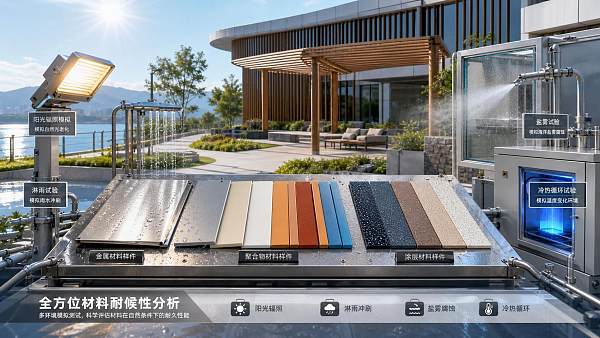
For outdoor hospitality infrastructure and amusement hardware, durability benchmarking should also include vibration tolerance, UV resistance, seal integrity, and wear cycles. These metrics help procurement teams estimate whether an asset will remain reliable in a high-use commercial setting rather than just in a showroom demonstration.
2. Energy efficiency and environmental performance
As sustainability becomes a competitive and regulatory requirement, environmental benchmarking is now central to tourism development. Buyers increasingly need proof of actual performance, not just sustainability claims.
Useful metrics may include:
- Thermal efficiency of prefabricated cabins or modular hospitality units
- Energy consumption per operating hour
- Carbon footprint or embodied carbon data
- Material recyclability
- Water-use efficiency where applicable
For accommodation projects, thermal performance is especially important because it affects guest comfort, HVAC load, and operating cost at the same time. A unit with better insulation may have a higher purchase price but lower total cost of ownership.
3. Compliance and safety verification
Compliance metrics are often underestimated until a project reaches inspection, installation, or insurance review. In reality, this is one of the most important areas in hospitality benchmarking because non-compliant infrastructure can delay opening dates, increase liability, or require expensive rework.
Examples include:
- Commercial outdoor lighting IP rating for moisture and dust protection
- Fire resistance classifications
- Electrical safety certifications
- EMC or signal interference standards for smart systems
- Accessibility-related design compliance
- Regional environmental or building code conformity
For hotel automation and electronic systems, PCB assembly quality and certification history can be highly relevant. A hotel automation PCB assembly may look equivalent across suppliers, but differences in soldering quality, thermal stability, component sourcing, and failure-rate testing can have major implications for reliability.
4. Integration and interoperability
Modern hospitality projects increasingly rely on connected systems. A product is no longer evaluated only as a standalone item but as part of a digital and operational ecosystem.
That means benchmarking should include:
- Compatibility with PMS, BMS, and EMS platforms
- Data throughput for hotel IoT networks
- Protocol support and API availability
- Latency and network stability
- Cybersecurity baseline readiness
- Ease of installation and commissioning
Procurement teams should treat integration failure as a major hidden cost. A lower-cost system that requires custom middleware, frequent troubleshooting, or fragmented data management can quickly become more expensive than a better-benchmarked alternative.
5. Maintenance burden and serviceability
Some products perform well initially but create ongoing operational friction. In hospitality, where uptime and guest experience are tightly linked, maintenance metrics are essential.
Important indicators include:
- Mean time between failures
- Spare parts availability
- Repair turnaround time
- Modular replacement design
- Technical support responsiveness
- Required maintenance frequency
For business evaluators and distributors, these metrics are especially important because they affect warranty exposure, service revenue models, and long-term reputation.
6. Lifecycle cost and ROI
One of the biggest mistakes in hospitality purchasing is overemphasizing initial quotation price. The metric that matters more is total economic impact over the usable life of the asset.
Lifecycle cost benchmarking should account for:
- Upfront purchase cost
- Installation and integration cost
- Energy consumption
- Maintenance and downtime cost
- Replacement intervals
- Residual value or upgradeability
This is often where the strongest suppliers differentiate themselves. Better engineering, lower failure rates, and easier compatibility may not always produce the cheapest quote, but they frequently produce the strongest operating return.
What do buyers and evaluators care about most when comparing suppliers?
Target readers such as procurement managers, business assessment teams, and channel partners usually care about three things above all: risk, proof, and comparability.
First, they want to reduce risk. They need confidence that the product will not fail under real hospitality conditions, trigger compliance issues, or create integration problems after purchase.
Second, they want proof. General marketing claims like “premium quality,” “smart-ready,” or “eco-friendly” are not enough. They need test data, performance reports, engineering tolerances, and evidence from standardized benchmarks.
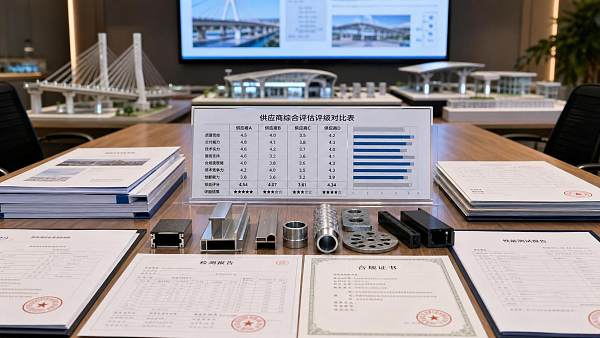
Third, they want comparability. In many hospitality procurement categories, suppliers present specifications in inconsistent ways. One vendor highlights material thickness, another highlights design aesthetics, and another focuses on software features. Without a normalized benchmarking model, comparisons become distorted.
This is why independent, data-driven benchmarking is valuable. It creates a common language for evaluating technical merit across suppliers and manufacturing origins.
How should hospitality benchmarking differ by asset type?
Not all hospitality assets should be benchmarked using the same framework. The metrics must reflect the operational role of each category.
Prefab cabins and glamping structures
Priority metrics should include thermal insulation, weather resistance, structural performance, transport resilience, assembly accuracy, and carbon-related material data. Buyers should also assess whether the unit is suitable for the destination climate and intended occupancy model.
Smart hotel systems and IoT infrastructure
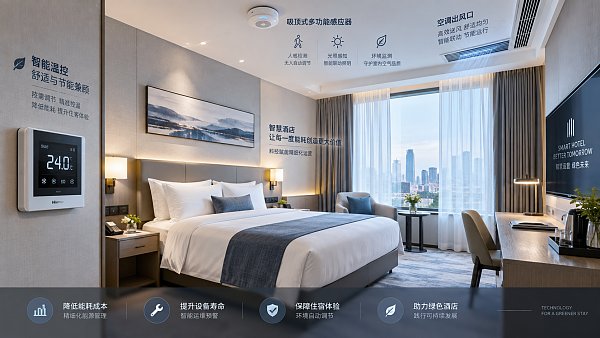
Priority metrics should include network throughput, protocol compatibility, device stability, software update management, cybersecurity support, and hotel automation PCB assembly quality. Long-term system reliability matters more than short-term feature density.
Commercial outdoor lighting
Priority metrics should include IP rating, corrosion resistance, lumen maintenance, energy efficiency, optical consistency, and electrical safety compliance. Outdoor hospitality environments often expose lighting systems to moisture, salt, heat, or dust, making enclosure protection especially important.
Amusement and guest-experience hardware
Priority metrics should include fatigue resistance, safety tolerances, moving-part wear rates, maintenance intervals, and load performance under repeated use. In this category, durability and inspection readiness are often more important than visual impact alone.
What mistakes make hospitality benchmarking unreliable?
Even experienced teams can make benchmarking errors that weaken purchasing decisions. The most common problems include:
- Comparing quoted prices without normalizing technical specifications
- Relying on self-declared supplier claims without third-party validation
- Ignoring integration costs and focusing only on product cost
- Using generic benchmarks that do not reflect local climate or operating conditions
- Overlooking maintenance complexity and spare parts logistics
- Assuming certification in one market automatically covers another
A useful rule is this: if a benchmark cannot help predict operational outcomes, it is probably too shallow. Reliable hospitality benchmarking must connect technical metrics to real business consequences.
How can procurement teams build a better hospitality benchmarking process?
A stronger benchmarking process does not need to be overly complex, but it does need structure. A practical approach includes the following steps:
- Define the operating context. Clarify climate, guest volume, project class, local compliance requirements, and system architecture.
- Separate must-have metrics from nice-to-have features. This prevents visual or promotional features from distracting from operational essentials.
- Use weighted scoring. Assign different importance levels to durability, compliance, efficiency, integration, and serviceability based on project priorities.
- Request evidence, not claims. Ask for lab reports, test certificates, engineering data sheets, and documented tolerance ranges.
- Model lifecycle cost. Include downtime, replacement, energy, and service costs in the comparison.
- Validate scalability. Confirm that the solution can support future upgrades, additional sites, or system expansion.
For distributors and agents, this approach also improves product portfolio selection. It helps identify which suppliers are most likely to perform reliably across multiple projects and customer types.
Why independent benchmarking is becoming more important in tourism infrastructure
As global tourism assets become more technical and sustainability-focused, the gap between marketing presentation and engineering reality continues to widen. Buyers no longer just need a supplier; they need verified performance data that supports capital allocation and procurement confidence.
This is where independent benchmarking becomes a strategic advantage. It helps tourism architects, hotel developers, and sourcing teams filter options based on measurable evidence such as thermal efficiency, data throughput, material fatigue, environmental performance, and compliance readiness.
For international buyers evaluating manufacturing sources, especially across different regions, independent metrics also reduce uncertainty. They make it easier to compare systems fairly, identify hidden risk, and convert technical complexity into procurement clarity.
Final takeaway: the metrics that matter are the ones tied to outcomes
When decision-makers ask, “Which metrics matter in hospitality benchmarking?” the best answer is: the metrics that predict whether an asset will perform, comply, integrate, endure, and deliver value over time.
In practice, that means focusing less on surface-level claims and more on measurable indicators such as structural durability, thermal efficiency, hotel IoT performance, commercial outdoor lighting IP rating, automation PCB assembly quality, maintenance burden, and lifecycle cost.
For information researchers, purchasers, business evaluators, and channel partners, effective hospitality benchmarking is not about collecting more specifications. It is about identifying the right specifications—the ones that help distinguish attractive proposals from dependable investments.
In a market where hospitality projects are increasingly shaped by sustainability, technology, and operational complexity, better benchmarking is not just helpful. It is a core part of building with confidence.
Recommended News
 Oct 20, 2026Hotel Technology ROI: Calculating Payback Beyond Labor SavingsCalculate hotel technology ROI beyond labor savings. Discover how revenue gains, energy savings, ownership costs, and adoption risks affect payback—and make smarter investment decisions.
 Sep 27, 2026How to Design Scalable System Integration Testing for Multi-Vendor DeploymentsScalable system integration testing for multi-vendor deployments: build resilient, secure, and growth-ready operations with proven interface, resilience, and acceptance strategies.
 Sep 24, 2026Hotel Tourism Benchmarking: Which KPIs Reveal Competitive Market Position?Tourism benchmarking for hotels reveals the KPIs that define competitive position, from RevPAR index and demand quality to profit, guest experience, and asset resilience.
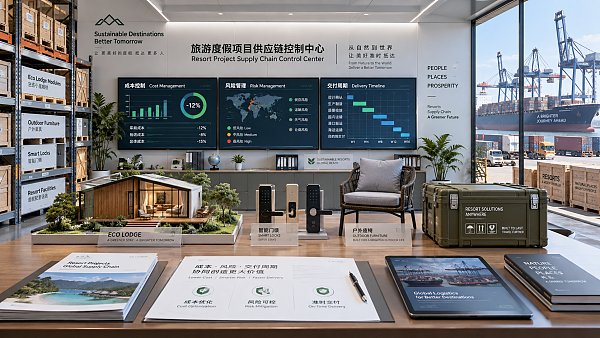
 Sep 20, 2026Supply Chain Analysis: How to Identify Cost, Risk, and Lead-Time BottlenecksSupply chain analysis helps tourism project leaders uncover cost, risk, and lead-time bottlenecks—protecting opening dates, budgets, and guest-ready operations.
 Sep 19, 2026How to Choose Industry Benchmarking Tools That Deliver Actionable Performance InsightsIndustry benchmarking tools: learn how to validate data, compare lifecycle costs, assess compliance, and turn performance evidence into smarter decisions.
 Sep 14, 2026Engineering Performance Testing Trends Reshaping Product Validation WorkflowsEngineering performance testing trend analysis reveals how assembly validation, realistic environmental loads, and digital resilience improve product reliability and reduce field failures.
 Sep 12, 2026Cloud Integration Interoperability Testing: Methods, Metrics, and Release GatesSystem interoperability testing cloud integration: explore practical methods, key metrics, and evidence-based release gates for secure, reliable connected operations.
 Sep 05, 2026What Engineering Performance Testing Should Cover During a Specification ReviewEngineering performance testing for specification review: learn how to verify structural strength, durability, safety, sustainability, and system reliability before costly project decisions.
 Aug 11, 2026How to Evaluate Materials Performance Analysis Services in Europe for Compliance-Critical ProjectsMaterials performance analysis Europe: learn how to compare accredited labs, verify compliance readiness, and choose a provider whose data, methods, and reports stand up to real project scrutiny.
 Jul 27, 2026Product Application Analysis for Procurement: How to Compare Fit, Risk, and ROIProduct application analysis for procurement helps buyers compare fit, compliance risk, lifecycle cost, and ROI with confidence. Learn a practical framework to avoid costly sourcing mistakes.
 Jul 22, 2026How to Evaluate Weather Resistance in Materials Performance Analysis?Materials performance analysis weather resistance explained: learn how to assess UV, moisture, temperature, and corrosion risks to choose durable materials with confidence.
 Jul 15, 2026Cloud Storage for Business: How to Compare Security, Access Speed, and Backup CostsCloud storage for business: compare security, access speed, and backup costs with a practical framework to reduce risk, control spend, and choose the right provider with confidence.
 Jul 14, 2026What Are Standardized Performance Benchmarks Ratings Used For in Vendor Evaluation?Standardized performance benchmarks rating explains how buyers compare vendors with verified data on compliance, durability, and lifecycle value for smarter procurement decisions.
 Jul 13, 2026Product Benchmarking Rating Explained: How to Compare Scores Across SuppliersProduct benchmarking rating explained: learn how to compare supplier scores with confidence, verify methodology, spot hidden risks, and make smarter procurement decisions.
 Jul 13, 2026How to Choose a Product Benchmarking Data Provider for Reliable Market ComparisonsProduct benchmarking data provider selection starts with methodology, transparency, and sector fit. Learn how to compare providers for reliable market insights and smarter procurement decisions.
 Jul 10, 2026Technical Integration Resilience Explained: How to Reduce Downtime Across Connected SystemsTechnical integration resilience explained: learn how to reduce downtime, prevent cascading failures, and improve uptime across connected systems with practical planning insights.
 Jul 08, 2026How to Use Product Benchmarking KPIs to Compare Competing SolutionsProduct benchmarking KPIs help you compare competing solutions with real evidence. Learn how to measure performance, lifecycle cost, compliance, and risk for smarter buying decisions.
 Jul 05, 2026How to Run an Environmental Sustainability Assessment: Metrics, Boundaries, and Trend AnalysisEnvironmental sustainability assessment trend analysis made practical: learn how to set metrics and boundaries, compare lifecycle impacts, and turn sustainability data into smarter decisions.
 Jul 04, 2026Hospitality Design Benchmarks Metrics Explained: Which KPIs Matter for Guestroom Upgrades?Hospitality design benchmarks metrics explained: discover the KPIs that matter most for guestroom upgrades, from lifecycle cost and durability to energy use, maintenance, and guest satisfaction.
 Jul 02, 2026How to Compare Product Category Pricing Models for Better Margin PlanningProduct category pricing model comparison made practical: learn how to evaluate total cost, hidden risks, and lifecycle value to improve margin planning and make smarter sourcing decisions.
 Jun 30, 2026How Technical Explainer Content for Procurement Helps Compare Specs, Risks, and SuppliersTechnical explainer content for procurement helps teams compare specs, uncover supplier risks, and choose solutions that improve compliance, lifecycle value, and long-term performance.
 Jun 29, 2026System Interoperability Testing Vendors: Key Criteria for Compliance and PerformanceSystem interoperability testing vendors compared: discover how to assess compliance, performance, independence, and real-world reliability before costly integration failures happen.
 Jun 28, 2026Product Benchmarking Explained: How to Compare Performance, Cost, and QualityProduct benchmarking explained: learn how to compare performance, cost, and quality with a practical framework that reduces risk, improves supplier selection, and supports smarter long-term decisions.
 Jun 27, 2026How to Build a Product Benchmarking Comparison Matrix for Hospitality Equipment SelectionProduct benchmarking comparison matrix guide for hospitality equipment selection. Learn to compare cost, compliance, durability, and lifecycle value with confidence.
{item.publish_time}{item.title}{item.description}Quarterly Executive Summaries Delivered Directly.
Join 50,000+ industry leaders who receive our proprietary market analysis and policy outlooks before they hit the public library.