Search News
TerraVista Metrics (TVM)Industry Portal
TerraVista Metrics (TVM)Hot Articles
TerraVista Metrics (TVM)- Tourism Procurement Planning in Europe: Budgets, Suppliers, and Seasonal DeadlinesTourism procurement planning Europe: Compare full costs, vet suppliers, and align seasonal deadlines. Discover practical steps to protect your budget and open on time.
- Product Sourcing Checklist: How Buyers Can Vet Suppliers and Reduce Procurement RiskProduct sourcing guide checklist for vetting suppliers, verifying compliance, comparing total costs, and reducing procurement risk with confidence.
- How to Evaluate Spark Plug Suppliers for Consistent Quality and Lead TimesSpark plugs supplier evaluation guide: compare quality control, traceability, fitment, total cost, and reliable lead times to secure dependable engine maintenance supply.
Popular Tags
TerraVista Metrics (TVM)Industry NewsContract Manufacturing Costs Often Hide in Change Orders
auth.Time
Oct 10, 2026Click Count
In complex tourism developments, contract manufacturing can appear financially predictable—until change orders start reshaping the real cost structure.
For modular units, smart hotel systems, leisure equipment, and hospitality furnishings, adjustments often expose engineering gaps, specification drift, and supplier risk.
TerraVista Metrics translates manufacturing variables into measurable procurement intelligence, helping capital plans resist budget surprises and hidden technical exposure.
Change Orders Are Becoming a Cost Signal, Not an Exception
Across tourism infrastructure, contract manufacturing now supports faster deployment, broader customization, and cross-border sourcing at scale.
Yet the same flexibility creates a growing cost blind spot when initial quotations exclude real engineering complexity.
A change order may seem administrative, but it often reflects incomplete drawings, unstable specifications, or underestimated integration requirements.
In hospitality projects, these costs can spread across structures, embedded systems, furniture, safety hardware, and guest-facing equipment.
The trend matters because contract manufacturing is no longer limited to single components or simple outsourced production.
It increasingly covers assembled pods, IoT-enabled rooms, attraction modules, energy systems, and commercial-grade interiors.
When each category depends on coordinated tolerances, certifications, materials, and logistics, small revisions can multiply quickly.
Why Quoted Prices Often Understate Contract Manufacturing Risk
The lowest contract manufacturing quote may not represent the lowest delivered cost.
It may simply reflect a narrower interpretation of scope, testing, documentation, packaging, or compliance responsibility.
This gap is especially visible when destination assets must perform in harsh climates, high-traffic settings, or regulated guest environments.
For TerraVista Metrics, these drivers are not isolated purchasing problems.
They are measurable indicators of whether contract manufacturing is being governed by assumptions or verified engineering evidence.
Tourism Assets Are Raising the Stakes for Manufacturing Precision
Modern tourism projects combine durability, sustainability, digital performance, and design consistency within compressed development schedules.
That combination increases dependence on contract manufacturing partners able to document performance before mass production begins.
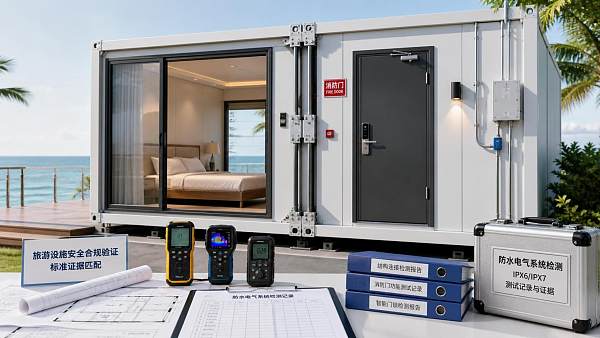
A prefabricated cabin may require thermal performance, wind resistance, moisture control, fire safety, and assembly repeatability.
A smart hotel system may require cybersecurity, interoperability, sensor accuracy, and stable data throughput.
Outdoor leisure gear may face UV exposure, public misuse, salt air, temperature swings, and continuous cleaning cycles.
Hospitality furniture must balance aesthetic finish, structural durability, sustainable materials, and commercial wear resistance.
Each requirement can trigger change orders if not translated into contract manufacturing specifications early enough.
The cost problem is therefore not only about price negotiation.
It is about whether technical intent becomes a controlled production requirement before suppliers quote, prototype, and tool.
Specification Drift Is the Quiet Engine Behind Extra Costs
Specification drift occurs when an initial requirement changes gradually without a full cost, schedule, and compliance review.
In contract manufacturing, drift often starts with harmless requests: upgraded finishes, altered dimensions, added sensors, or new packaging.
The downstream effects can include new tooling, revised bills of materials, extra testing, and container utilization losses.
For destination assets, drift may also affect installation sequencing, maintenance access, spare parts, and guest safety documentation.
Common drift patterns in contract manufacturing
- Design upgrades added after supplier quotation.
- Local code requirements discovered after prototype approval.
- Material changes made without lifecycle performance comparison.
- Digital components selected without interoperability testing.
- Logistics assumptions made before packaging engineering is complete.
The financial issue is not that change orders exist.
The issue is whether they are predictable, traceable, and linked to verified value.
Impacts Spread Beyond Unit Price and Into Operating Performance
When contract manufacturing change orders accumulate, total landed cost becomes harder to forecast.
The first visible effect is usually budget pressure, but the broader impact reaches deployment and operations.
Delayed production can compress installation windows, forcing higher labor costs or phased openings.
Unverified substitutions can increase warranty claims, maintenance complexity, and guest experience inconsistency.
Documentation gaps can slow customs clearance, safety review, insurance approval, or local authority acceptance.
For smart hospitality environments, late integration fixes may also introduce cybersecurity exposure or data reliability issues.
This is why contract manufacturing cost control should connect commercial terms with engineering validation.
A cheaper first quote can become expensive if it transfers unresolved technical risk into production.
What Should Be Measured Before a Contract Manufacturing Quote Is Approved
TerraVista Metrics evaluates contract manufacturing readiness through evidence, not supplier presentation quality.
A strong quote should show how the supplier priced engineering certainty, compliance, testing, logistics, and long-term performance.
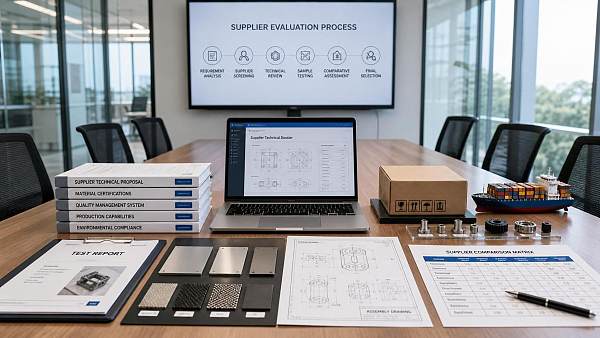
- Scope clarity: Confirm inclusions for drawings, tooling, samples, packaging, documentation, and certification.
- Technical baselines: Lock tolerances, materials, finishes, loads, performance targets, and acceptance criteria.
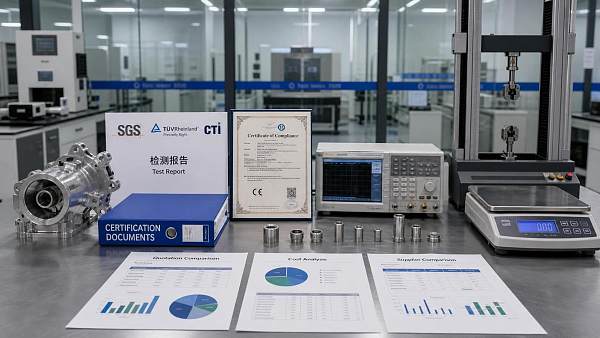
- Testing evidence: Require repeatable data for durability, safety, environmental resistance, and system performance.
- Change governance: Define who approves revisions, how costs are calculated, and which timeline impacts apply.
- Supplier resilience: Assess capacity, sub-supplier exposure, trade risk, lead times, and quality history.
- Lifecycle economics: Compare purchase cost with maintenance, warranty exposure, replacement cycles, and downtime risk.
These checks make contract manufacturing more transparent before price becomes the dominant decision variable.
A Practical Response: Treat Change Orders as Data
Change orders should be analyzed as recurring intelligence, not archived as project paperwork.
Patterns reveal where contract manufacturing estimates were weak, where specifications were unstable, and where suppliers transferred risk.
This approach turns contract manufacturing history into a benchmark for future capital planning.
The 2026 Benchmark: Procurement Intelligence Must Include Engineering Reality
By 2026, tourism competitiveness will depend on assets that are fast to deploy and reliable after opening.
Contract manufacturing will remain central because it offers scale, specialization, and access to global production ecosystems.
However, decision quality will depend on how well early budgets reflect technical reality.
The winning standard is not simply tighter negotiation or more supplier competition.
It is better visibility into the assumptions behind every quoted line item.
TerraVista Metrics supports this shift through verified performance reports, regulatory analysis, supplier benchmarking, and market intelligence.
These tools help separate attractive commercial offers from contract manufacturing proposals that can survive real operating conditions.
Next Steps for Reducing Hidden Contract Manufacturing Costs
A practical starting point is to audit the last three completed production packages.
Identify every change order, classify the root cause, and compare final cost against original supplier assumptions.
Then convert those findings into quotation rules, technical baselines, and supplier scorecards.
For upcoming tourism developments, require evidence before approving contract manufacturing scope, not after production issues emerge.
TerraVista Metrics can benchmark manufacturing readiness, validate performance claims, and highlight cost exposure before commitments become expensive.
When change orders are measured early, contract manufacturing becomes a controlled strategic tool rather than a hidden budget leak.
Recommended News
 Oct 13, 2026Tourism Procurement Planning in Europe: Budgets, Suppliers, and Seasonal DeadlinesTourism procurement planning Europe: Compare full costs, vet suppliers, and align seasonal deadlines. Discover practical steps to protect your budget and open on time.
 Oct 08, 2026What Drives System Interoperability Testing Service Costs in Complex Projects?System interoperability testing service cost depends on integration scope, workflows, environments, and assurance needs. Learn how to budget smarter and reduce project risk.
 Oct 03, 2026Verified Performance Certification: What It Proves During Product QualificationVerified performance certification helps teams qualify products with confidence. Learn how to assess scope, test conditions, and delivery controls before approval.
 Oct 01, 2026Multiaxial Material Fatigue Analysis for Predicting Service Life Under Variable LoadsMultiaxial material fatigue analysis helps predict service life under variable loads, enabling safer procurement, lower lifecycle risk, and durable tourism infrastructure.
 Sep 28, 2026What Does Tourism Destination Infrastructure Cost? A Budgeting Guide for DevelopersTourism destination infrastructure price guide for developers: budget utilities, systems, installation, lifecycle costs, and contingencies for smarter investments.
 Sep 26, 2026Regulatory Compliance Procurement Support: How to Vet Suppliers Before Contract AwardRegulatory compliance procurement support helps buyers vet suppliers, verify evidence, manage risks, and secure compliant assets before contract award.
 Sep 15, 2026System Integration Testing for Device Integration: Key Interfaces and Failure RisksSystem integration testing device integration: identify critical interfaces, hidden failure risks, recovery gaps, and acceptance evidence before connected devices go live.
 Sep 01, 2026How to Use a Tourism Standards Database to Verify Safety and Compliance RequirementsTourism standards database guide: verify safety, compliance, evidence scope, test conditions, and jurisdiction requirements with confidence.
 Aug 31, 2026Material Performance Validation: Tests and Acceptance Criteria for Critical PartsMaterial performance validation: discover essential tests and acceptance criteria that help critical parts withstand loads, corrosion, fatigue, and real-world service conditions.
 Aug 26, 2026What Is a CMS and How Do You Choose One for a Growing Business Website?CMS explained for growing business websites: learn how to choose a CMS that supports SEO, workflows, integrations, and long-term scalability without costly rebuilds.
 Aug 24, 2026How to Build a Technical Procurement Content Workflow for Faster Vendor EvaluationTechnical procurement content workflow strategies for faster vendor evaluation: standardize intake, compare evidence clearly, surface risks early, and cut costly procurement delays.
 Aug 20, 2026How to Evaluate Sustainable Concrete Alternatives for Low-Carbon Building ProjectsSustainable concrete alternatives: learn how to compare carbon data, structural performance, code compliance, and supply risk to choose low-carbon concrete solutions with confidence.
 Aug 17, 2026What Does Product Category Insights Reveal About Buyer Demand and Market Positioning?Product category insights reveal buyer demand, key product attributes, and market positioning. Learn how to spot reliable signals, compare segments, and make smarter decisions.
 Aug 13, 2026How to Use Industry Benchmarking to Improve Specification Planning DecisionsIndustry benchmarking for specification planning helps technical evaluators make smarter procurement decisions, reduce risk, and improve long-term performance with evidence-based standards.
 Aug 12, 2026Technical Certification Pricing Model: What Drives Cost and How to Compare QuotesTechnical certification pricing model explained: learn what drives cost, spot hidden risks in low quotes, and compare certification proposals with confidence before you approve budget.
 Aug 09, 2026How to Evaluate Tourism Equipment for Eco Resorts Without Compromising Guest ExperienceTourism equipment evaluation for eco resorts made practical: learn how to balance sustainability, durability, and guest comfort to avoid costly mistakes and choose smarter.
 Aug 07, 2026How to Evaluate LEED Standards for Environmental Sustainability in Building ProjectsEnvironmental sustainability assessment LEED standards explained: learn how to evaluate prerequisites, credits, costs, and project risks to achieve smarter, more reliable green building outcomes.
 Aug 05, 2026Why Eco Structures in the Middle East Are Shifting Toward Modular, Off-Grid DesignsEco structures in Middle East markets are moving to modular, off-grid designs for faster delivery, lower operating risk, and stronger climate resilience. Discover what is driving the shift.
 Jul 30, 2026Industry Insights for Market Expansion: How to Identify High-Potential Regions?Industry insights for market expansion: learn how to identify high-potential regions by assessing demand, infrastructure, compliance, and supply chain readiness for smarter growth.
 Jul 14, 2026How to Apply a Tourism Innovation Validation Framework to Assess New Visitor ProjectsTourism innovation validation framework explained: learn how to assess new visitor projects, reduce delivery risk, verify compliance, and make smarter investment decisions.
 Jul 13, 2026Import Market Research Checklist: How to Assess Demand, Tariffs, and Supplier RiskImport market research made practical: learn how to assess real demand, model tariffs, and reduce supplier risk with a clear checklist for smarter sourcing decisions.
 Jul 11, 2026Fade Resistant Durability: Which Test Methods Matter for Long-Term Outdoor Use?Fade resistant durability starts with the right test data. Discover which methods best predict long-term outdoor performance, color stability, and lower lifecycle risk.
 Jul 09, 2026Electronic Gadgets for Travel and Daily Use: How to Pick Features That MatterElectronic gadgets for travel and daily use should deliver real value. Learn how to compare battery life, portability, durability, and connectivity before you buy.
 Jul 08, 2026Regulatory Compliance Framework Explained: Core Elements, Gaps, and Audit ReadinessRegulatory compliance framework explained for modern organizations: learn core elements, common gaps, and audit readiness strategies to reduce risk, improve control, and strengthen decisions.
Quarterly Executive Summaries Delivered Directly.
Join 50,000+ industry leaders who receive our proprietary market analysis and policy outlooks before they hit the public library.