Search News
TerraVista Metrics (TVM)Industry Portal
TerraVista Metrics (TVM)Hot Articles
TerraVista Metrics (TVM)- How to Evaluate Campground Equipment for Heavy Use and Outdoor ExposureCampground tourism equipment evaluation made practical: assess durability, weather resistance, safety, and lifecycle costs to choose equipment built for heavy use. Explore the guide.
- Gwynedd Glamping Pod Proposal Raises Concerns Over Protected BatsGwynedd glamping pod proposal faces protected bat concerns at Bluebell Woods. Explore what the survey means for the 11-pod scheme and the council’s planning decision.
- Resort Supplier Data: What to Verify Before Shortlisting VendorsVerify resort supplier data before shortlisting vendors. Learn how to check product evidence, compliance, delivery capacity, and support to reduce procurement risks.
Popular Tags
TerraVista Metrics (TVM)Industry NewsCustom Metal Fabrication: Processes, Tolerances, and Quote Drivers
auth.Time
Oct 19, 2026Click Count
Custom metal fabrication sits at the point where design intent becomes physical performance.
For tourism assets, hospitality infrastructure, leisure equipment, and modular structures, it affects cost, safety, installation speed, and lifecycle reliability.
That is why custom metal fabrication should not be treated as a simple purchasing category.
It is an engineering decision shaped by material behavior, manufacturing capability, tolerances, finishing requirements, logistics, and verification data.
What custom metal fabrication really includes
At its core, custom metal fabrication is the process of turning metal stock into specified components or assemblies.
Unlike catalog parts, fabricated items are built around drawings, performance requirements, site conditions, or integration constraints.
The scope may include cutting, bending, welding, machining, surface treatment, assembly, inspection, and packaging.
In tourism-related development, these parts can appear almost everywhere.
Examples include cabin frames, stair systems, canopy supports, smart-device brackets, outdoor railings, ride hardware, and furniture substructures.
The practical value of custom metal fabrication is flexibility.
It allows structures and components to match unusual spaces, climate loads, guest usage patterns, and cross-border compliance needs.
The challenge is that flexibility also creates risk when specifications are incomplete.
A vague drawing may produce a quote quickly, but it rarely produces predictable field results.
Why fabrication quality matters in tourism infrastructure
Tourism assets often combine public exposure, visual design, and heavy operational use.
A component must look acceptable, install cleanly, resist corrosion, and remain safe under repeated loading.
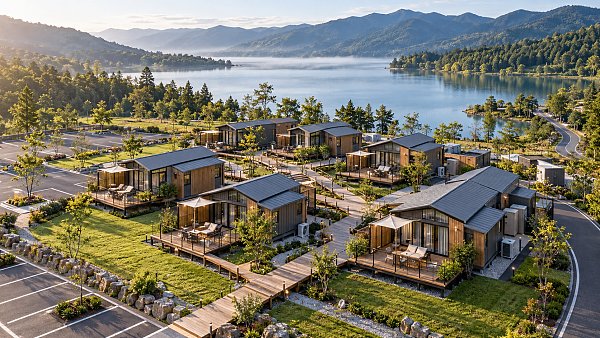
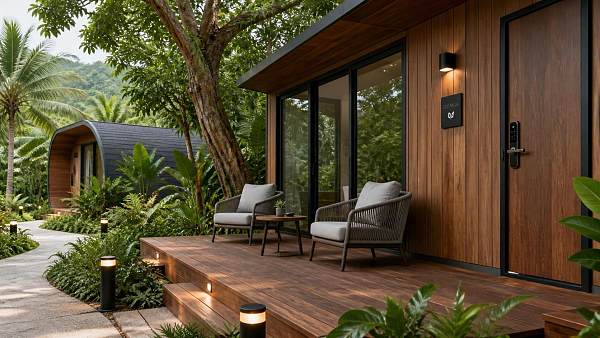
This is especially important for prefabricated eco-structures and glamping units.
Frames, brackets, anchors, and façade supports must align with modular build tolerances and transportation constraints.
In smart hotel systems, custom metal fabrication often supports hidden infrastructure.
Server racks, sensor mounts, access panels, and device housings must protect electronics without blocking maintenance access.
Outdoor leisure gear creates another layer of pressure.
Public-use equipment faces weather, abrasion, misuse, cleaning chemicals, and seasonal workload changes.
For amusement and attraction hardware, fabrication quality becomes directly connected to fatigue resistance and uptime.
Small defects can become costly when parts are difficult to access after installation.
Key processes behind custom metal fabrication
Most projects use several fabrication processes rather than one isolated operation.
The right sequence depends on material, geometry, tolerances, finish expectations, and production volume.
Cutting and profiling
Laser cutting is widely used for sheet and plate components requiring clean edges and repeatable geometry.
Waterjet cutting is useful when heat-affected zones must be avoided.
Plasma cutting can be economical for thicker plate when edge precision requirements are moderate.
The cutting method affects edge quality, secondary finishing, dimensional stability, and overall quote structure.
Forming and bending
Press brake bending turns flat profiles into brackets, covers, channels, enclosures, and structural forms.
Bend radius, grain direction, tooling access, and springback all influence final dimensions.
For custom metal fabrication, bend accuracy is often more important than it appears on early drawings.
A small angle error may create alignment problems during modular assembly or on-site installation.
Welding and joining
Welding choices include MIG, TIG, spot welding, robotic welding, and specialized structural welding procedures.
Weld size, penetration, distortion control, and inspection level should match the component’s actual risk profile.
Visible hospitality parts may need both strong welds and refined cosmetic finishing.
Hidden structural members may prioritize strength documentation, traceability, and non-destructive testing.
Machining and finishing
Machining adds precision features such as threaded holes, bearing seats, slots, and mating faces.
Finishing may involve powder coating, galvanizing, anodizing, passivation, polishing, or wet painting.
Finishes are not only aesthetic decisions.
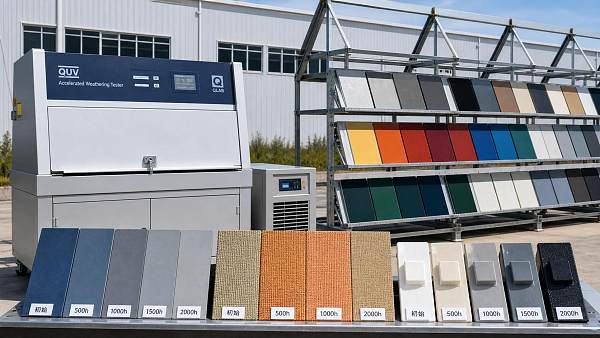
They shape corrosion resistance, cleaning performance, UV stability, guest touch experience, and maintenance cost.
Tolerances: where design ambition meets manufacturing reality
Tolerances define acceptable variation from the intended dimension or condition.
They are central to custom metal fabrication because every process introduces some variation.
A common mistake is specifying unnecessarily tight tolerances across an entire drawing.
This can increase cost, inspection time, scrap risk, and supplier limitations without improving performance.
A better approach separates functional dimensions from non-critical dimensions.
Mating holes, moving interfaces, sealing surfaces, and alignment points usually deserve tighter control.
Decorative edges, clearance panels, and non-contact surfaces may allow broader tolerances.
Tolerance planning is also connected to transportation and installation.
Large welded frames may move during shipping, especially across long supply chains.
That is why fabrication drawings should consider lifting points, packaging constraints, and site adjustment methods.
What drives quotes beyond material weight
Material cost matters, but it rarely explains the full price of custom metal fabrication.
A lightweight stainless enclosure can cost more than a heavier carbon steel bracket.
The difference may come from grade selection, polishing, welding difficulty, inspection, or packaging requirements.
Quotes become clearer when the main cost drivers are visible early.
- Material grade, thickness, availability, and traceability requirements.
- Process complexity, including bends, welds, machining, and assemblies.
- Tolerance level, inspection method, and documentation depth.
- Surface finish, corrosion protection, color control, and touch quality.
- Order quantity, setup effort, batch consistency, and change frequency.
- Packaging, shipping route, installation constraints, and destination regulations.
Lead time is another quote driver that often receives too little attention.
Rush production can reduce supplier options and increase quality risk.
For destination development, delays can affect opening schedules, guest readiness, and contractor sequencing.
A complete RFQ reduces uncertainty for both sides.
Useful inputs include drawings, 3D files, material specifications, standards, finish requirements, quantities, and inspection expectations.
Material choices that shape performance
Material selection should follow the operating environment rather than habit.
Carbon steel is cost-effective and strong, but usually needs robust corrosion protection outdoors.
Stainless steel suits humid, coastal, food-service, or high-touch environments.
Aluminum offers low weight and good corrosion resistance, making it useful for modular transport and movable installations.
Weathering steel may suit architectural landscapes, but runoff staining and local climate must be considered.
For custom metal fabrication, material choice also affects weldability, bendability, galvanic compatibility, and finishing performance.
In hospitality furnishing, the wrong alloy can create premature scratches or unstable finishes.
In attractions, the wrong grade can shorten fatigue life or complicate inspection.
Sustainability goals add another layer.
Recycled content, coating chemistry, lifecycle maintenance, and end-of-life disassembly may influence the preferred fabrication route.
How to judge supplier capability without relying on brochures
Marketing language can make many suppliers sound similar.
The real difference appears in engineering discipline, quality records, and willingness to clarify risks before production.
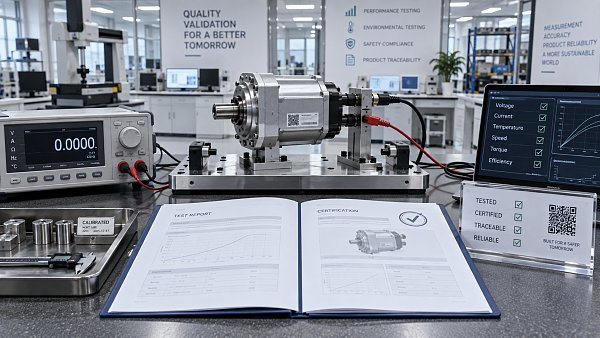
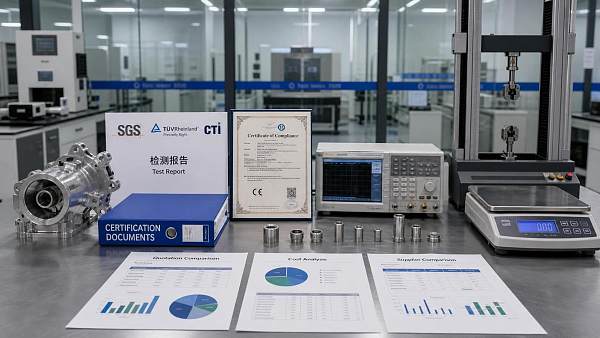
For custom metal fabrication, useful supplier evidence includes sample inspection reports, welding qualifications, equipment lists, and process control methods.
Past work should be evaluated by similarity, not just appearance.
A supplier good at decorative stainless may not be ideal for load-bearing attraction hardware.
A structural fabricator may not deliver the cosmetic standards expected in a luxury lobby.
Independent benchmarking can help separate claimed capability from verified performance.
TerraVista Metrics approaches this gap through engineering data, compliance analysis, and supply chain intelligence.
That perspective is valuable when fabricated metal parts support modular cabins, smart hotel systems, leisure infrastructure, or amusement assets.
Common specification gaps that create downstream risk
Many fabrication problems begin before a supplier starts cutting metal.
The issue is often not poor workmanship, but unclear intent.
One frequent gap is missing surface classification.
A visible guest-facing surface should not be judged like a concealed mounting plate.
Another gap is unclear loading information.
Outdoor railings, suspended features, and moving attractions require defined load assumptions and safety factors.
Fit-up conditions are also easy to overlook.
If site dimensions vary, slotted holes, shims, or adjustable brackets may prevent expensive rework.
For custom metal fabrication used across international projects, standards should be named clearly.
Material standards, welding codes, coating requirements, and inspection criteria may differ by market.
A practical way to prepare for quoting
A strong quoting package makes pricing more comparable and reduces later variation claims.
It should define what must be controlled, what can be optimized, and what needs supplier input.
Before requesting custom metal fabrication pricing, several questions deserve attention.
- Which dimensions are critical to assembly, sealing, movement, or safety?
- Which surfaces are visible, touched, cleaned, or exposed to weather?
- What loads, cycles, climate conditions, or public-use patterns apply?
- Are prototypes, first article inspections, or production samples required?
- Which standards, reports, or traceability documents must be delivered?
- How will parts be packed, shipped, stored, lifted, and installed?
These questions also help identify where value engineering is appropriate.
Changing a bend radius, simplifying weld access, or adjusting hole patterns may reduce cost without reducing performance.
However, cost reductions should be checked against durability, compliance, and maintenance requirements.
Using fabrication data for better project decisions
Custom metal fabrication produces more than parts.
It produces data that can improve future procurement, design standards, and supplier selection.
Inspection results can reveal which tolerances are consistently achievable.
Failure reports can show whether corrosion, fatigue, or installation damage is driving lifecycle cost.
Supplier performance records can support stronger benchmarking across regions and categories.
This aligns with a data-backed approach to tourism infrastructure development.
Rather than choosing fabrication partners only by price, decisions can reflect verified capability and operational risk.
For complex destinations, that distinction can protect opening schedules and guest experience.
Where to go next
Custom metal fabrication is most successful when engineering requirements are defined before commercial pressure takes over.
Processes, tolerances, materials, finishes, and quote drivers should be reviewed as connected decisions.
The next useful step is to compare current drawings against functional needs, site conditions, and compliance expectations.
From there, supplier quotes can be evaluated on evidence, not presentation alone.
For tourism assets that must look refined and perform reliably, that discipline turns custom metal fabrication into a measurable advantage.
Recommended News
 Oct 18, 2026Tourism Asset Evaluation Criteria: Assessing Demand, Cash Flow, and Investment RiskExplore tourism asset evaluation criteria to assess demand, cash flow, lifecycle costs, and investment risk. Discover how to identify resilient assets and make smarter investment decisions.
 Oct 16, 2026Integrated Systems for Destination Planning: How to Connect GIS and Visitor DataExplore integrated systems for destination planning that connect GIS and visitor data to reveal bottlenecks, assess capacity, and guide smarter infrastructure investments.
 Oct 13, 2026Tourism Procurement Planning in Europe: Budgets, Suppliers, and Seasonal DeadlinesTourism procurement planning Europe: Compare full costs, vet suppliers, and align seasonal deadlines. Discover practical steps to protect your budget and open on time.
 Oct 08, 2026What Drives System Interoperability Testing Service Costs in Complex Projects?System interoperability testing service cost depends on integration scope, workflows, environments, and assurance needs. Learn how to budget smarter and reduce project risk.
 Oct 03, 2026Verified Performance Certification: What It Proves During Product QualificationVerified performance certification helps teams qualify products with confidence. Learn how to assess scope, test conditions, and delivery controls before approval.
 Oct 01, 2026Multiaxial Material Fatigue Analysis for Predicting Service Life Under Variable LoadsMultiaxial material fatigue analysis helps predict service life under variable loads, enabling safer procurement, lower lifecycle risk, and durable tourism infrastructure.
 Sep 28, 2026What Does Tourism Destination Infrastructure Cost? A Budgeting Guide for DevelopersTourism destination infrastructure price guide for developers: budget utilities, systems, installation, lifecycle costs, and contingencies for smarter investments.
 Sep 26, 2026Regulatory Compliance Procurement Support: How to Vet Suppliers Before Contract AwardRegulatory compliance procurement support helps buyers vet suppliers, verify evidence, manage risks, and secure compliant assets before contract award.
 Sep 15, 2026System Integration Testing for Device Integration: Key Interfaces and Failure RisksSystem integration testing device integration: identify critical interfaces, hidden failure risks, recovery gaps, and acceptance evidence before connected devices go live.
 Sep 01, 2026How to Use a Tourism Standards Database to Verify Safety and Compliance RequirementsTourism standards database guide: verify safety, compliance, evidence scope, test conditions, and jurisdiction requirements with confidence.
 Aug 31, 2026Material Performance Validation: Tests and Acceptance Criteria for Critical PartsMaterial performance validation: discover essential tests and acceptance criteria that help critical parts withstand loads, corrosion, fatigue, and real-world service conditions.
 Aug 26, 2026What Is a CMS and How Do You Choose One for a Growing Business Website?CMS explained for growing business websites: learn how to choose a CMS that supports SEO, workflows, integrations, and long-term scalability without costly rebuilds.
 Aug 24, 2026How to Build a Technical Procurement Content Workflow for Faster Vendor EvaluationTechnical procurement content workflow strategies for faster vendor evaluation: standardize intake, compare evidence clearly, surface risks early, and cut costly procurement delays.
 Aug 20, 2026How to Evaluate Sustainable Concrete Alternatives for Low-Carbon Building ProjectsSustainable concrete alternatives: learn how to compare carbon data, structural performance, code compliance, and supply risk to choose low-carbon concrete solutions with confidence.
 Aug 17, 2026What Does Product Category Insights Reveal About Buyer Demand and Market Positioning?Product category insights reveal buyer demand, key product attributes, and market positioning. Learn how to spot reliable signals, compare segments, and make smarter decisions.
 Aug 13, 2026How to Use Industry Benchmarking to Improve Specification Planning DecisionsIndustry benchmarking for specification planning helps technical evaluators make smarter procurement decisions, reduce risk, and improve long-term performance with evidence-based standards.
 Aug 12, 2026Technical Certification Pricing Model: What Drives Cost and How to Compare QuotesTechnical certification pricing model explained: learn what drives cost, spot hidden risks in low quotes, and compare certification proposals with confidence before you approve budget.
 Aug 09, 2026How to Evaluate Tourism Equipment for Eco Resorts Without Compromising Guest ExperienceTourism equipment evaluation for eco resorts made practical: learn how to balance sustainability, durability, and guest comfort to avoid costly mistakes and choose smarter.
 Aug 07, 2026How to Evaluate LEED Standards for Environmental Sustainability in Building ProjectsEnvironmental sustainability assessment LEED standards explained: learn how to evaluate prerequisites, credits, costs, and project risks to achieve smarter, more reliable green building outcomes.
 Aug 05, 2026Why Eco Structures in the Middle East Are Shifting Toward Modular, Off-Grid DesignsEco structures in Middle East markets are moving to modular, off-grid designs for faster delivery, lower operating risk, and stronger climate resilience. Discover what is driving the shift.
 Jul 30, 2026Industry Insights for Market Expansion: How to Identify High-Potential Regions?Industry insights for market expansion: learn how to identify high-potential regions by assessing demand, infrastructure, compliance, and supply chain readiness for smarter growth.
 Jul 14, 2026How to Apply a Tourism Innovation Validation Framework to Assess New Visitor ProjectsTourism innovation validation framework explained: learn how to assess new visitor projects, reduce delivery risk, verify compliance, and make smarter investment decisions.
 Jul 13, 2026Import Market Research Checklist: How to Assess Demand, Tariffs, and Supplier RiskImport market research made practical: learn how to assess real demand, model tariffs, and reduce supplier risk with a clear checklist for smarter sourcing decisions.
 Jul 11, 2026Fade Resistant Durability: Which Test Methods Matter for Long-Term Outdoor Use?Fade resistant durability starts with the right test data. Discover which methods best predict long-term outdoor performance, color stability, and lower lifecycle risk.
Quarterly Executive Summaries Delivered Directly.
Join 50,000+ industry leaders who receive our proprietary market analysis and policy outlooks before they hit the public library.