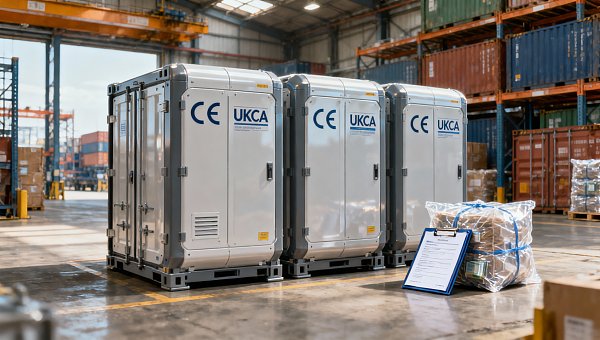
On June 1, 2026, the General Administration of Customs began implementing a new routine sampling inspection mechanism under Announcement No. 57 of 2026. The measure covers annual sampling checks for goods outside the statutory inspection catalogue, with particular attention to prefabricated building products. For companies involved in Modular Cabins exports, manufacturing, warehousing, customs declaration, and delivery coordination, the change is worth close attention because export declaration now depends on completing sampling inspection at the production plant or warehouse and obtaining a qualified inspection report.
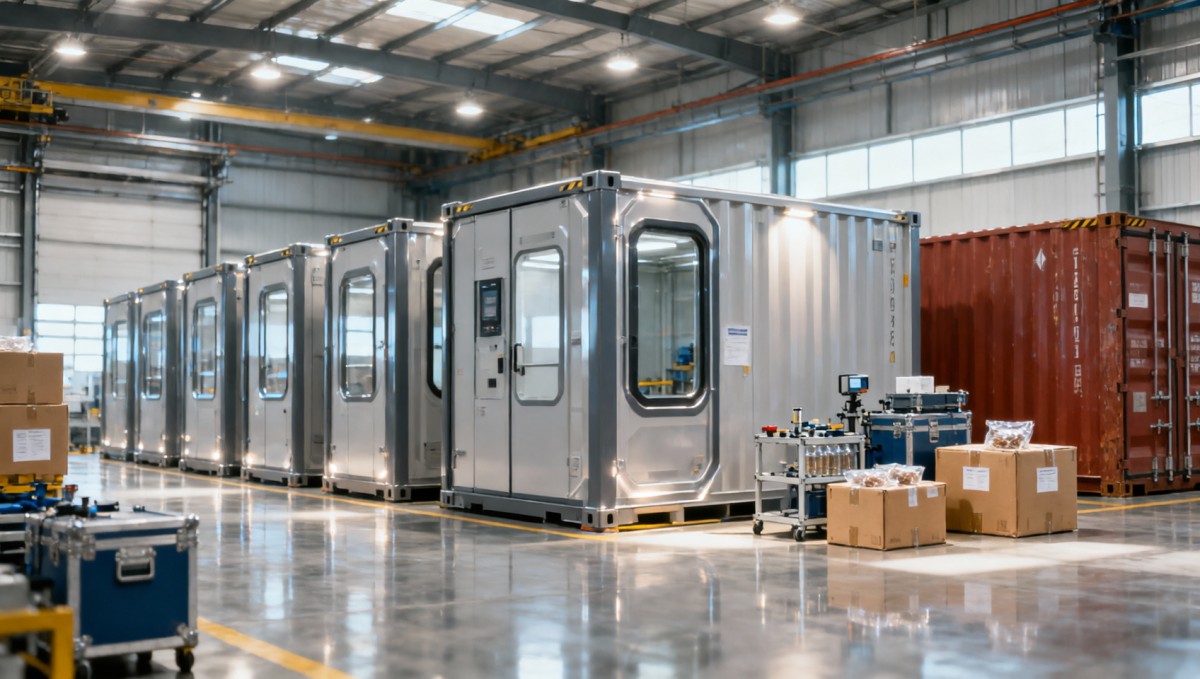
Event Overview
According to the available information, the General Administration of Customs Announcement No. 57 of 2026 took effect on June 1, 2026. The announcement introduces an annual routine sampling inspection mechanism for goods that are outside the statutory inspection catalogue.
The publicly available information indicates that the mechanism gives particular coverage to prefabricated building products. Modular Cabins for export must complete sampling inspection at the production plant or warehouse and obtain a qualified inspection report before customs declaration.
If the required qualified report is not available before declaration, the shipment may face declaration return or additional inspection at the port. The available information also states that delivery cycles are generally extended by 5 to 7 working days in such cases.
Which Segments Are Affected
Direct Export and Trading Companies
Direct export companies are affected because customs declaration for Modular Cabins now depends on whether inspection has been completed before the declaration stage. The main impact is on shipment scheduling, documentation readiness, and the timing of export declaration.
From an industry perspective, exporters that previously arranged customs declaration close to loading or port delivery may need to adjust their workflow. The key operational risk is that a missing qualified inspection report may lead to declaration return or additional port inspection, which can affect delivery commitments.
Manufacturing Plants and Warehouse Operators
Manufacturing plants and warehouses are directly involved because sampling inspection must be completed at the production plant or warehouse. Their role is no longer limited to production completion or inventory release; they also need to support the inspection process before export declaration.
The main impact is reflected in factory-side coordination, sample preparation, inspection timing, and report collection. Analysis shows that production and warehousing teams may need to reserve time for inspection before goods are transferred into the customs declaration process.
Supply Chain, Logistics, and Customs Service Providers
Supply chain service providers, logistics coordinators, and customs declaration agents are affected because the required inspection report becomes a practical prerequisite for export declaration. If documentation is incomplete, port-side operations may face disruption.
Observably, the impact is mainly concentrated in process sequencing. Logistics schedules, warehouse release, customs declaration submission, and port delivery need to be aligned with the inspection result. Otherwise, shipments may encounter additional waiting time or repeated coordination.
Project Buyers and Delivery Coordination Teams
Buyers and delivery coordination teams related to Modular Cabins may also be affected because the available information indicates that delivery cycles can generally be extended by 5 to 7 working days when declaration return or port additional inspection occurs.
What deserves closer attention now is the connection between inspection readiness and project delivery planning. For orders with fixed delivery windows, parties involved may need to confirm whether the qualified inspection report has been obtained before treating the shipment schedule as stable.
What Companies and Practitioners Should Watch and How to Respond
Confirm Whether the Product Falls Within the Key Covered Category
Companies handling Modular Cabins exports should first confirm whether the goods are treated as prefabricated building products under the scope described in the available information. This confirmation should be made before arranging customs declaration, because the announced mechanism specifically highlights coverage of prefabricated building products.
It is more appropriate to understand this step as a compliance check before shipment, rather than as a general administrative formality.
Move Inspection Preparation Ahead of Customs Declaration
Exporters, factories, and warehouses should arrange sampling inspection before the customs declaration stage. The available information clearly states that Modular Cabins must complete sampling inspection at the production plant or warehouse and obtain a qualified inspection report before customs declaration.
From an industry perspective, the practical response is to place inspection scheduling into the pre-shipment checklist, together with production completion, warehouse release, and export documentation preparation.
Review Delivery Timelines with a 5 to 7 Working Day Risk Window
Because shipments without the required qualified report may face declaration return or port additional inspection, companies should review delivery plans with the stated 5 to 7 working day extension risk in mind.
Analysis shows that this does not mean every shipment will necessarily be delayed. However, for business planning, companies should avoid assuming that customs declaration can proceed normally when the required report is not yet available.
Keep Following Official Statements and Implementation Details
Companies should continue to follow official customs statements related to Announcement No. 57 of 2026 and any subsequent implementation details. The current information confirms the start date, covered mechanism, focus on prefabricated building products, and the requirement for Modular Cabins to obtain a qualified inspection report before declaration.
What deserves closer attention now is whether later official communication further clarifies operational procedures, documentation formats, or detailed inspection arrangements. Until such details are publicly confirmed, companies should avoid relying on unverified interpretations.
Editor’s View / Industry Observation
Observably, this development is not only a customs declaration issue for Modular Cabins exporters. It also changes the practical sequence of export operations by moving inspection readiness further upstream to the factory or warehouse stage.
Analysis shows that the mechanism is already in effect from June 1, 2026, so it is not merely a policy signal. However, its actual business impact will depend on how companies organize inspection, documentation, declaration timing, and logistics coordination under the new process.
From an industry perspective, the most important point is to distinguish the confirmed requirement from broader assumptions. The confirmed information is that Modular Cabins exports must complete sampling inspection and obtain a qualified report before customs declaration. Further operational details should be monitored through official channels.
Conclusion
The implementation of the new routine sampling inspection mechanism by the General Administration of Customs on June 1, 2026 has direct relevance for Modular Cabins exports and related prefabricated building product operations. Its industry significance lies in the shift from port-side or declaration-stage attention to earlier factory-side and warehouse-side inspection preparation.
It is more appropriate to understand this development as an active compliance and process-management issue rather than as a simple news update. Companies involved in production, warehousing, export declaration, logistics, and delivery coordination should treat the qualified inspection report as a key pre-declaration condition and continue monitoring official updates.
Information Source Statement
Main source: General Administration of Customs Announcement No. 57 of 2026, as described in the provided event information.
Items for continued observation: subsequent official explanations, detailed implementation procedures, and any further clarification on inspection arrangements for prefabricated building products and Modular Cabins exports.