Search News
TerraVista Metrics (TVM)Industry Portal
TerraVista Metrics (TVM)Hot Articles
TerraVista Metrics (TVM)- What Makes Eco Cabins Sustainable? Materials, Energy Use, and Site ImpactWhat makes eco cabins truly sustainable? Explore materials, energy use, and site impact, plus the evidence you need to compare options and make smarter, greener choices.
- Tourism Procurement Planning in Europe: Budgets, Suppliers, and Seasonal DeadlinesTourism procurement planning Europe: Compare full costs, vet suppliers, and align seasonal deadlines. Discover practical steps to protect your budget and open on time.
- Product Sourcing Checklist: How Buyers Can Vet Suppliers and Reduce Procurement RiskProduct sourcing guide checklist for vetting suppliers, verifying compliance, comparing total costs, and reducing procurement risk with confidence.
Popular Tags
TerraVista Metrics (TVM)Industry NewsChina Implements Zero Tariffs for All African Diplomatic Partners
auth.Time
Oct 12, 2026Click Count
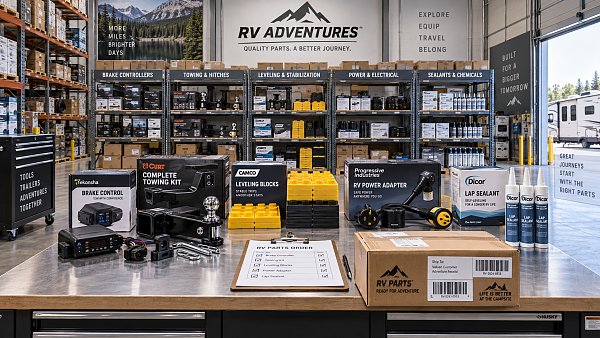
Effective May 1, 2026, China has applied zero-tariff treatment to imports from all African countries with which it maintains diplomatic relations — specifically extending preferential tariff rates to zero for 20 non-Least Developed Countries (non-LDCs) in Africa. This policy directly affects key modular infrastructure and outdoor lifestyle product categories monitored by TerraVista Metrics, including prefabricated structural components, smart lighting modules, camping gear, and RV parts — signaling material implications for exporters, importers, and supply chain stakeholders in modular construction, glamping, smart home integration, and premium outdoor recreation sectors.
Event Overview
As of May 1, 2026, China has implemented zero tariffs on eligible goods imported from 20 non-Least Developed African countries that maintain diplomatic ties with China. The measure applies to specific product categories, including prefabricated structural components, smart lighting components, camping equipment, and RV parts — all identified as priority items under TerraVista Metrics’ monitoring framework. No additional conditions or phased implementation timelines have been publicly confirmed beyond the stated effective date.

Industries Affected by This Policy Change
Direct Trading Enterprises
Companies exporting modular cabins, glamping tents, smart lighting systems, or premium camping solutions from these 20 African countries into China face significantly reduced landed costs and simplified customs clearance. The elimination of tariffs lowers total import duties and may reduce administrative burden related to tariff classification verification and preferential origin documentation — though eligibility remains contingent on meeting Rules of Origin requirements.Manufacturing & Assembly Firms
Firms in Africa producing or assembling TerraVista Metrics–tracked items — such as prefabricated structural kits or integrated smart lighting units — benefit from enhanced price competitiveness in the Chinese market. However, this advantage applies only where final assembly or substantial transformation occurs within the beneficiary country, per applicable origin rules.Distribution & Channel Operators
Chinese distributors and B2B platform operators handling imported modular or outdoor lifestyle products may see increased inbound shipment volumes and margin flexibility. Yet they must verify origin certification compliance for each consignment to ensure tariff exemption is granted at customs — making pre-shipment documentation review a critical operational checkpoint.Supply Chain & Logistics Service Providers
Cargo agents, customs brokers, and freight forwarders supporting trade between China and the 20 designated African countries will likely experience higher demand for origin-related advisory services and tariff classification support. The zero-tariff status does not eliminate regulatory scrutiny — rather, it shifts emphasis toward origin validation and traceability assurance.What Relevant Businesses and Practitioners Should Focus On
Monitor official implementation guidance from Chinese customs authorities
The General Administration of Customs of China (GACC) has not yet published detailed lists of Harmonized System (HS) codes covered, origin certification formats, or procedural updates. Stakeholders should track GACC notices and consult licensed customs brokers before initiating shipments.
Verify eligibility of specific product lines and production locations
Not all African-made variants of modular cabins, smart lighting, or camping gear automatically qualify. Eligibility depends on both country of export (limited to the 20 designated non-LDCs) and compliance with origin criteria — e.g., sufficient local value addition or manufacturing processes. Exporters must confirm alignment before pricing or contracting.
Distinguish between policy announcement and operational readiness
While the policy takes effect May 1, 2026, actual customs acceptance of zero-rated entries depends on real-time system updates, staff training, and document processing capacity. Early adopters should allow buffer time for first-time clearance and retain full origin documentation for audit purposes.
Prepare origin documentation and internal cross-functional coordination
Exporters and importers should align sales, logistics, and compliance teams on updated certificate-of-origin templates (e.g., Form A or Form F), invoice declarations, and production records. Proactive preparation reduces delays and avoids ad hoc tariff assessments during clearance.
Editorial Perspective / Industry Observation
Observably, this policy functions primarily as a targeted trade facilitation instrument — not a broad-based market-opening gesture. Its scope is explicitly limited to 20 non-LDC African nations and specific product categories tied to infrastructure and lifestyle modernization priorities. Analysis shows it reflects China’s ongoing effort to deepen bilateral trade linkages through asymmetric tariff concessions, rather than signal imminent expansion to other African LDCs or broader product coverage. From an industry standpoint, the immediate impact lies less in volume surges and more in recalibrating cost assumptions, documentation workflows, and partner due diligence — especially where modular and outdoor product supply chains intersect with African manufacturing capacity.
Current attention should focus on execution fidelity: whether customs systems are updated, how consistently origin claims are verified, and whether downstream buyers adjust procurement strategies based on verified cost reductions. The policy is better understood as an enabling condition — one that lowers barriers but does not guarantee commercial uptake without complementary market development efforts.
Conclusion
This zero-tariff measure represents a concrete, narrowly scoped adjustment to China’s preferential trade framework with select African partners. Its significance lies not in scale or novelty, but in its alignment with tangible, high-priority product categories — particularly those supporting tourism infrastructure, decentralized accommodation, and energy-efficient outdoor living. For industry participants, it is more appropriately interpreted as a procedural enabler requiring careful compliance management than as a transformative market opportunity. Ongoing observation of implementation consistency — especially regarding origin verification and HS code application — remains essential.Source Attribution
Main source: Official announcement issued by China’s Ministry of Commerce and General Administration of Customs, effective May 1, 2026.
Note: Coverage scope (exact list of 20 countries), HS code mappings, and origin certification procedures remain pending official publication and are subject to continued monitoring.Recommended News
 Oct 14, 2026What Makes Eco Cabins Sustainable? Materials, Energy Use, and Site ImpactWhat makes eco cabins truly sustainable? Explore materials, energy use, and site impact, plus the evidence you need to compare options and make smarter, greener choices.
 Oct 13, 2026Tourism Procurement Planning in Europe: Budgets, Suppliers, and Seasonal DeadlinesTourism procurement planning Europe: Compare full costs, vet suppliers, and align seasonal deadlines. Discover practical steps to protect your budget and open on time.
 Oct 12, 2026Product Sourcing Checklist: How Buyers Can Vet Suppliers and Reduce Procurement RiskProduct sourcing guide checklist for vetting suppliers, verifying compliance, comparing total costs, and reducing procurement risk with confidence.
 Oct 10, 2026How to Evaluate Spark Plug Suppliers for Consistent Quality and Lead TimesSpark plugs supplier evaluation guide: compare quality control, traceability, fitment, total cost, and reliable lead times to secure dependable engine maintenance supply.
 Oct 08, 2026What Drives System Interoperability Testing Service Costs in Complex Projects?System interoperability testing service cost depends on integration scope, workflows, environments, and assurance needs. Learn how to budget smarter and reduce project risk.
 Oct 07, 2026Project Planning Sourcing Guides: How to Qualify Suppliers Before Work StartsSourcing guides project planning helps teams qualify suppliers before work begins—verify compliance, delivery capacity, financial strength, and sustainability to reduce risk and protect project outcomes.
 Oct 06, 2026Buyer’s Guide to Kinetic Art: Choosing Safe, Durable Pieces for Public SpacesBuyer guides kinetic art for public spaces: learn how to choose safe, durable, low-maintenance installations with reliable engineering, materials, controls, and lifecycle value.
 Oct 05, 2026Regulatory Compliance Vendor Comparison: How to Assess Audit Readiness and RiskRegulatory compliance vendor comparison made practical: assess audit readiness, evidence quality, change control, and supply-chain risk before award. Learn how to choose defensible suppliers.
 Oct 04, 2026A Procurement Checklist for Tourism Hardware Equipment in Resorts and Visitor CentersTourism hardware equipment procurement checklist for resorts and visitor centers: compare durability, compliance, lifecycle costs, supplier support, and logistics.
 Oct 03, 2026Verified Performance Certification: What It Proves During Product QualificationVerified performance certification helps teams qualify products with confidence. Learn how to assess scope, test conditions, and delivery controls before approval.
 Oct 02, 2026North American Yacht Tech: Market Shifts Reshaping Retrofit and New-Build DemandYacht tech North America is reshaping retrofit and new-build choices. Explore smarter energy, connectivity, cybersecurity, and lifecycle strategies for lasting yacht value.
 Oct 01, 2026Multiaxial Material Fatigue Analysis for Predicting Service Life Under Variable LoadsMultiaxial material fatigue analysis helps predict service life under variable loads, enabling safer procurement, lower lifecycle risk, and durable tourism infrastructure.
 Sep 30, 2026How RV Dealers Can Vet Wholesale Accessory Distributors for Reliable StockRV accessories wholesale distributor vetting guide for dealers: verify stock, fitment, fulfillment, terms, and support to reduce delays and protect margins.
 Sep 29, 2026When Does a Cableway System Upgrade Improve Capacity and Reduce Downtime?Discover when a cableway systems upgrade can increase real capacity, cut unplanned downtime, and deliver a stronger lifecycle return for tourism operations.
 Sep 28, 2026What Does Tourism Destination Infrastructure Cost? A Budgeting Guide for DevelopersTourism destination infrastructure price guide for developers: budget utilities, systems, installation, lifecycle costs, and contingencies for smarter investments.
 Sep 27, 2026How to Design Scalable System Integration Testing for Multi-Vendor DeploymentsScalable system integration testing for multi-vendor deployments: build resilient, secure, and growth-ready operations with proven interface, resilience, and acceptance strategies.
 Sep 26, 2026Regulatory Compliance Procurement Support: How to Vet Suppliers Before Contract AwardRegulatory compliance procurement support helps buyers vet suppliers, verify evidence, manage risks, and secure compliant assets before contract award.
 Sep 25, 2026Resort System Integration: How to Connect PMS, Guestroom Controls, and KiosksResort system integration guide: connect PMS, guestroom controls, and kiosks with reliable workflows, secure data, and seamless guest experiences.
 Sep 24, 2026Hotel Tourism Benchmarking: Which KPIs Reveal Competitive Market Position?Tourism benchmarking for hotels reveals the KPIs that define competitive position, from RevPAR index and demand quality to profit, guest experience, and asset resilience.
 Sep 23, 2026Planning Smart Classroom Solutions for Hybrid Learning Without Creating AV Support GapsSmart classroom solutions for reliable hybrid learning: standardize workflows, strengthen AV support, and deliver seamless teaching experiences.
 Sep 22, 2026Industrial Compressors: How to Size Air Capacity and Pressure for Factory DemandIndustrial compressors sizing guide: calculate factory air capacity, end-use pressure, peak demand, receiver storage, leakage, and energy-efficient system performance.
 Sep 21, 2026What Do Eco-Lodging Standards Cost, From Certification Fees to Compliance Upgrades?Eco lodging standards cost explained: compare certification fees, compliance upgrades, documentation, and operational investments to budget smarter and avoid costly rework.
 Sep 20, 2026Supply Chain Analysis: How to Identify Cost, Risk, and Lead-Time BottlenecksSupply chain analysis helps tourism project leaders uncover cost, risk, and lead-time bottlenecks—protecting opening dates, budgets, and guest-ready operations.
 Sep 19, 2026How to Choose Industry Benchmarking Tools That Deliver Actionable Performance InsightsIndustry benchmarking tools: learn how to validate data, compare lifecycle costs, assess compliance, and turn performance evidence into smarter decisions.
Quarterly Executive Summaries Delivered Directly.
Join 50,000+ industry leaders who receive our proprietary market analysis and policy outlooks before they hit the public library.