Search News
TerraVista Metrics (TVM)Industry Portal
TerraVista Metrics (TVM)Hot Articles
TerraVista Metrics (TVM)- Tourism Procurement Planning in Europe: Budgets, Suppliers, and Seasonal DeadlinesTourism procurement planning Europe: Compare full costs, vet suppliers, and align seasonal deadlines. Discover practical steps to protect your budget and open on time.
- Product Sourcing Checklist: How Buyers Can Vet Suppliers and Reduce Procurement RiskProduct sourcing guide checklist for vetting suppliers, verifying compliance, comparing total costs, and reducing procurement risk with confidence.
- How to Evaluate Spark Plug Suppliers for Consistent Quality and Lead TimesSpark plugs supplier evaluation guide: compare quality control, traceability, fitment, total cost, and reliable lead times to secure dependable engine maintenance supply.
Popular Tags
TerraVista Metrics (TVM)Industry NewsIndia’s BIS Mandates HDD Registration for Kiosk & Smart Lighting Systems
auth.Time
Oct 10, 2026Click Count
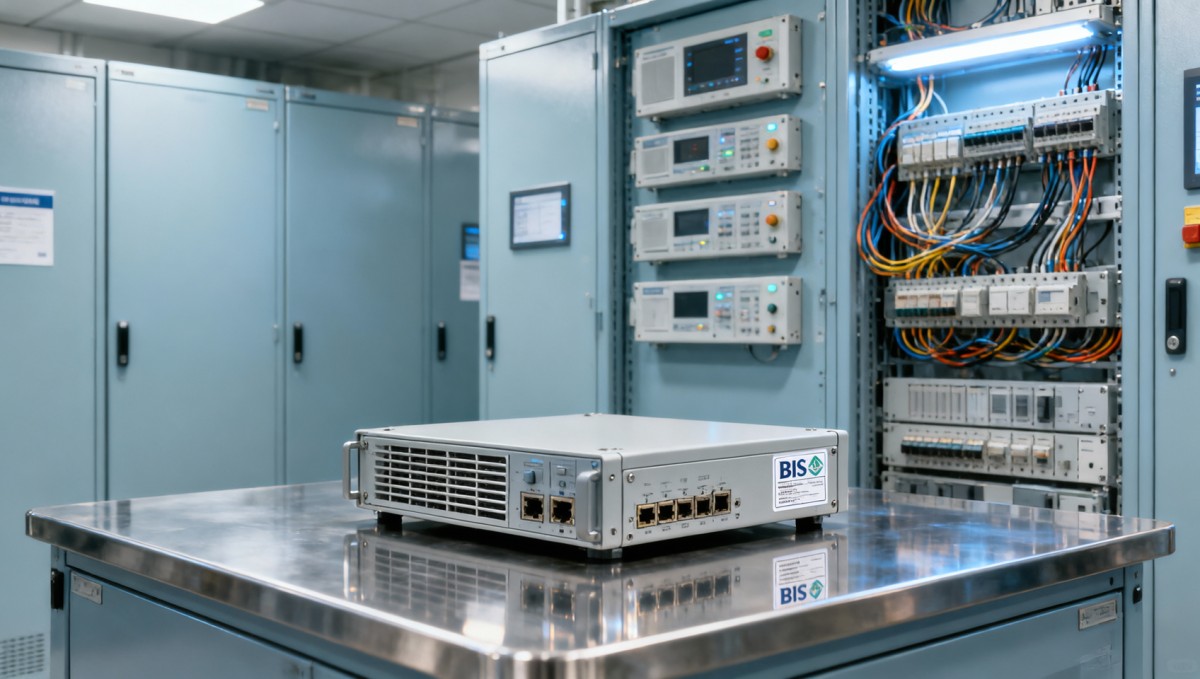
Effective 5 November 2026, India’s Bureau of Indian Standards (BIS) will require mandatory registration for standalone hard disk drives (HDDs), impacting manufacturers and integrators of kiosk technology, smart lighting central controllers, and guestroom automation host systems. This regulatory shift directly affects market access for finished devices — without BIS-certified HDD modules, whole-system BIS registration will not be granted, blocking entry into the Indian market.
Event Overview
On 5 May 2026, India’s Ministry of Electronics and Information Technology (MeitY) issued a notification formally adding standalone HDDs to the list of products under the BIS Compulsory Registration Scheme. The requirement takes effect on 5 November 2026. Under the rule, any finished product incorporating a standalone HDD — including kiosk terminals, smart lighting central control units, and guestroom automation host systems — must use an HDD that has already obtained BIS registration. No exceptions are specified in the publicly announced notice.
Industries Affected by Segment
Original Equipment Manufacturers (OEMs) of Kiosk Terminals
OEMs supplying self-service kiosks to banks, retail, airports, or government services rely on embedded HDDs for local data storage and offline operation. As these HDDs are typically sourced as components rather than branded end-products, OEMs now bear responsibility for verifying BIS registration status — a new compliance layer previously managed at the subsystem or supplier level.
Smart Lighting System Integrators & Control Unit Developers
Central controllers in commercial and industrial smart lighting systems often integrate HDDs for firmware logging, scene scheduling, and edge analytics. Unlike cloud-dependent controllers, these locally stored solutions fall squarely under the new mandate. Integrators who previously selected HDDs based on capacity, endurance, or cost must now prioritize BIS-compliant SKUs — with limited visibility into current certified models.
Guestroom Automation Host System Suppliers
Hotel-grade automation hosts — managing HVAC, lighting, door locks, and entertainment via single-unit hardware — frequently embed HDDs for configuration backups, guest preference caching, and audit logs. These systems are typically sold as integrated appliances; the new rule shifts certification accountability from the final device to its internal HDD module, requiring redesign or requalification if non-compliant drives are in use.
Key Considerations and Recommended Actions
Monitor official BIS updates on eligible HDD models and application timelines
The BIS portal does not yet publish a pre-approved list of registered standalone HDDs. Companies should track the BIS CRS portal and MeitY circulars for model-specific approvals, especially regarding legacy or industrial-grade HDDs not commonly used in consumer PCs.
Review current bill-of-materials (BOM) for all affected devices shipped to India
Identify which HDD SKUs — including part numbers, manufacturers, and revision levels — are deployed in kiosk, lighting controller, and guestroom host products. Cross-reference against upcoming BIS registration requirements; note that OEM-branded HDDs may require separate registration even if sourced from a certified manufacturer.
Distinguish between policy announcement and operational readiness
The 5 May 2026 notification confirms intent and effective date, but BIS registration processes for HDDs — including test standards, lab accreditation, and documentation templates — remain unconfirmed. Treat the current phase as preparatory: avoid assuming immediate enforcement delays, but also avoid premature procurement of uncertified ‘pre-registered’ stock.
Initiate supplier engagement and documentation alignment now
Contact HDD suppliers to confirm their registration plans and expected timelines. Request written confirmation of intended compliance pathways (e.g., self-registration vs. third-party representation). Update internal procurement SOPs to include BIS registration verification as a mandatory step before HDD integration or final assembly.
Editorial Perspective / Industry Observation
Observably, this regulation extends BIS oversight deeper into component-level supply chains — a trend consistent with recent MeitY expansions covering power adapters, SSDs, and IoT gateways. Analysis shows the HDD inclusion is less about inherent safety risk and more about tightening traceability and quality assurance across digitally enabled infrastructure devices. From an industry perspective, it signals growing expectations for vertical compliance ownership: system integrators can no longer treat internal storage as a ‘black box’ component. Current enforcement remains dependent on BIS lab capacity and registration throughput — making near-term readiness more procedural than technical. That said, the 5 November 2026 deadline is fixed and non-discretionary.

In summary, this BIS update does not introduce new product categories to the Indian market — rather, it redefines compliance boundaries within existing ones. Its significance lies not in novelty, but in enforceability: it converts a previously optional quality benchmark into a hard gate for market access. For stakeholders, it is best understood not as an isolated regulatory event, but as a continuation of India’s broader standardization strategy for digital infrastructure hardware — one where component-level accountability is now explicit and actionable.
Source: Ministry of Electronics and Information Technology (MeitY), Government of India — Notification dated 5 May 2026, effective 5 November 2026.
Note: Ongoing observation required for BIS CRS portal updates, approved HDD model lists, and formal test standard publications (IS/IEC specifications for standalone HDDs).Recommended News
 Oct 13, 2026Tourism Procurement Planning in Europe: Budgets, Suppliers, and Seasonal DeadlinesTourism procurement planning Europe: Compare full costs, vet suppliers, and align seasonal deadlines. Discover practical steps to protect your budget and open on time.
 Oct 12, 2026Product Sourcing Checklist: How Buyers Can Vet Suppliers and Reduce Procurement RiskProduct sourcing guide checklist for vetting suppliers, verifying compliance, comparing total costs, and reducing procurement risk with confidence.
 Oct 10, 2026How to Evaluate Spark Plug Suppliers for Consistent Quality and Lead TimesSpark plugs supplier evaluation guide: compare quality control, traceability, fitment, total cost, and reliable lead times to secure dependable engine maintenance supply.
 Oct 08, 2026What Drives System Interoperability Testing Service Costs in Complex Projects?System interoperability testing service cost depends on integration scope, workflows, environments, and assurance needs. Learn how to budget smarter and reduce project risk.
 Oct 07, 2026Project Planning Sourcing Guides: How to Qualify Suppliers Before Work StartsSourcing guides project planning helps teams qualify suppliers before work begins—verify compliance, delivery capacity, financial strength, and sustainability to reduce risk and protect project outcomes.
 Oct 06, 2026Buyer’s Guide to Kinetic Art: Choosing Safe, Durable Pieces for Public SpacesBuyer guides kinetic art for public spaces: learn how to choose safe, durable, low-maintenance installations with reliable engineering, materials, controls, and lifecycle value.
 Oct 05, 2026Regulatory Compliance Vendor Comparison: How to Assess Audit Readiness and RiskRegulatory compliance vendor comparison made practical: assess audit readiness, evidence quality, change control, and supply-chain risk before award. Learn how to choose defensible suppliers.
 Oct 04, 2026A Procurement Checklist for Tourism Hardware Equipment in Resorts and Visitor CentersTourism hardware equipment procurement checklist for resorts and visitor centers: compare durability, compliance, lifecycle costs, supplier support, and logistics.
 Oct 03, 2026Verified Performance Certification: What It Proves During Product QualificationVerified performance certification helps teams qualify products with confidence. Learn how to assess scope, test conditions, and delivery controls before approval.
 Oct 02, 2026North American Yacht Tech: Market Shifts Reshaping Retrofit and New-Build DemandYacht tech North America is reshaping retrofit and new-build choices. Explore smarter energy, connectivity, cybersecurity, and lifecycle strategies for lasting yacht value.
 Oct 01, 2026Multiaxial Material Fatigue Analysis for Predicting Service Life Under Variable LoadsMultiaxial material fatigue analysis helps predict service life under variable loads, enabling safer procurement, lower lifecycle risk, and durable tourism infrastructure.
 Sep 30, 2026How RV Dealers Can Vet Wholesale Accessory Distributors for Reliable StockRV accessories wholesale distributor vetting guide for dealers: verify stock, fitment, fulfillment, terms, and support to reduce delays and protect margins.
 Sep 29, 2026When Does a Cableway System Upgrade Improve Capacity and Reduce Downtime?Discover when a cableway systems upgrade can increase real capacity, cut unplanned downtime, and deliver a stronger lifecycle return for tourism operations.
 Sep 28, 2026What Does Tourism Destination Infrastructure Cost? A Budgeting Guide for DevelopersTourism destination infrastructure price guide for developers: budget utilities, systems, installation, lifecycle costs, and contingencies for smarter investments.
 Sep 27, 2026How to Design Scalable System Integration Testing for Multi-Vendor DeploymentsScalable system integration testing for multi-vendor deployments: build resilient, secure, and growth-ready operations with proven interface, resilience, and acceptance strategies.
 Sep 26, 2026Regulatory Compliance Procurement Support: How to Vet Suppliers Before Contract AwardRegulatory compliance procurement support helps buyers vet suppliers, verify evidence, manage risks, and secure compliant assets before contract award.
 Sep 25, 2026Resort System Integration: How to Connect PMS, Guestroom Controls, and KiosksResort system integration guide: connect PMS, guestroom controls, and kiosks with reliable workflows, secure data, and seamless guest experiences.
 Sep 24, 2026Hotel Tourism Benchmarking: Which KPIs Reveal Competitive Market Position?Tourism benchmarking for hotels reveals the KPIs that define competitive position, from RevPAR index and demand quality to profit, guest experience, and asset resilience.
 Sep 23, 2026Planning Smart Classroom Solutions for Hybrid Learning Without Creating AV Support GapsSmart classroom solutions for reliable hybrid learning: standardize workflows, strengthen AV support, and deliver seamless teaching experiences.
 Sep 22, 2026Industrial Compressors: How to Size Air Capacity and Pressure for Factory DemandIndustrial compressors sizing guide: calculate factory air capacity, end-use pressure, peak demand, receiver storage, leakage, and energy-efficient system performance.
 Sep 21, 2026What Do Eco-Lodging Standards Cost, From Certification Fees to Compliance Upgrades?Eco lodging standards cost explained: compare certification fees, compliance upgrades, documentation, and operational investments to budget smarter and avoid costly rework.
 Sep 20, 2026Supply Chain Analysis: How to Identify Cost, Risk, and Lead-Time BottlenecksSupply chain analysis helps tourism project leaders uncover cost, risk, and lead-time bottlenecks—protecting opening dates, budgets, and guest-ready operations.
 Sep 19, 2026How to Choose Industry Benchmarking Tools That Deliver Actionable Performance InsightsIndustry benchmarking tools: learn how to validate data, compare lifecycle costs, assess compliance, and turn performance evidence into smarter decisions.
 Sep 18, 2026Technical Procurement in Southeast Asia: Evaluating Suppliers, Compliance, and Lead TimesTechnical procurement Southeast Asia: evaluate suppliers, compliance, lead times, and total cost to secure reliable, project-ready assets. Read the practical guide.
Quarterly Executive Summaries Delivered Directly.
Join 50,000+ industry leaders who receive our proprietary market analysis and policy outlooks before they hit the public library.