Search News
TerraVista Metrics (TVM)Industry Portal
TerraVista Metrics (TVM)Hot Articles
TerraVista Metrics (TVM)- Synthetic Rattan Resort Furniture: What to Check for Coastal DurabilityBuying synthetic rattan resort furniture? Discover key checks for UV resistance, corrosion protection, and warranty coverage to reduce coastal replacement costs and buy with confidence.
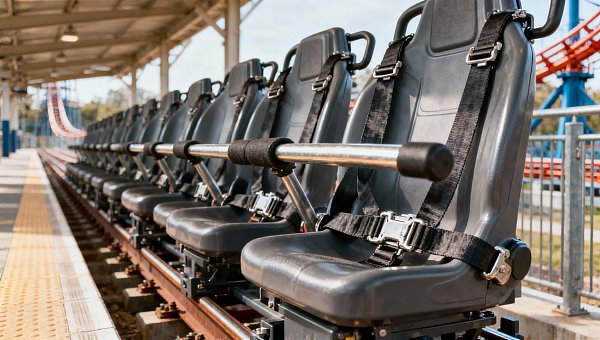
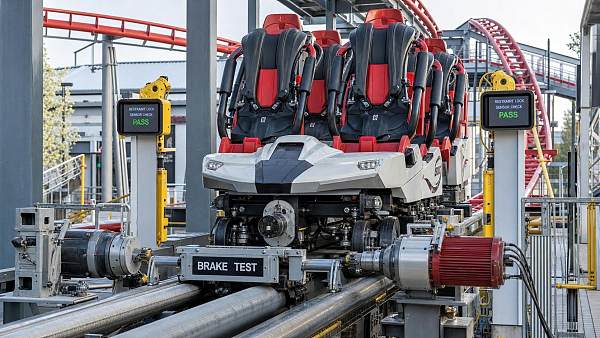
- Six Flags to Add Seat Belts to Goliath and Similar Roller CoastersSix Flags plans to add seat belts to Goliath and similar roller coasters. Learn about the safety changes, Goliath’s closure and what visitors should watch for next.
- Which Hospitality Furniture Compliance Standards Apply to U.S. Hotels?Explore hospitality furniture compliance standards for U.S. hotels, from fire safety and ADA requirements to supplier documentation. Make informed purchases and reduce compliance risks.
Popular Tags
TerraVista Metrics (TVM)Industry NewsEN1176 Playground Safety Standards Explained
auth.Dr. Julian Rossi (Aesthetic Materials Specialist)Time
Oct 24, 2026Click Count
For buyers, distributors, and tourism architects evaluating amusement hardware, understanding playground safety standards EN1176 is essential to reducing risk and improving procurement confidence. This guide explains how EN1176 connects with hospitality benchmarking, playground equipment factory selection, and broader hospitality ecosystem planning—helping decision-makers compare technical compliance, durability, and long-term value with greater precision.
In tourism projects, playground equipment is rarely an isolated purchase. It affects guest safety, insurance exposure, site layout, maintenance cost, and brand reputation. Whether the project is a resort, glamping destination, family hotel, eco-park, or mixed-use leisure site, procurement teams need more than product brochures. They need a clear way to evaluate structural quality, installation tolerances, inspection routines, and lifecycle performance.
EN1176 is one of the most important reference frameworks for public playground safety in Europe and in many export-oriented supply chains. For B2B decision-makers, the value of this standard is practical: it helps compare suppliers on measurable safety factors, define acceptance criteria before shipment, and reduce ambiguity when assessing playground equipment factories. In the broader TVM approach, EN1176 also fits a larger benchmarking logic where procurement decisions are based on engineering data rather than surface-level marketing claims.
What EN1176 Covers and Why It Matters in Tourism Infrastructure
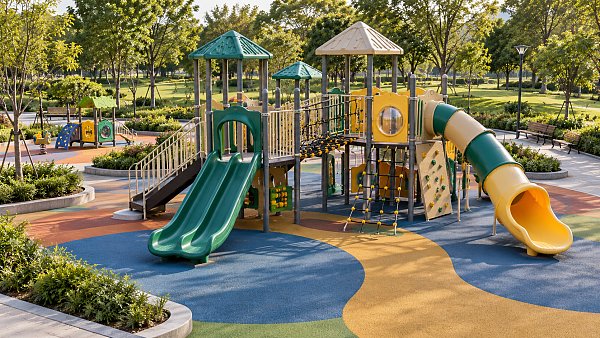
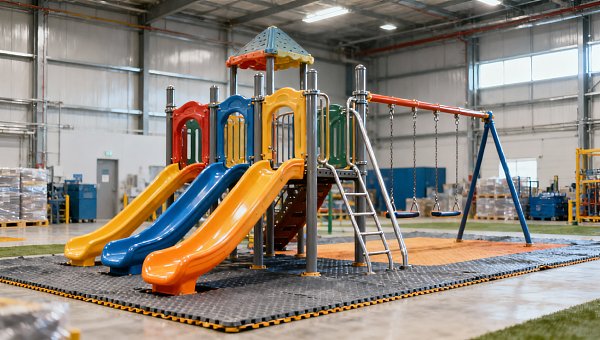
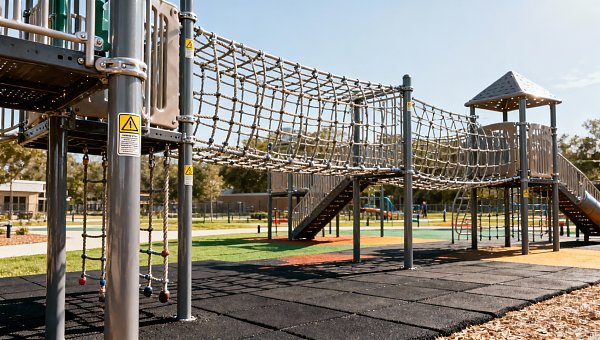
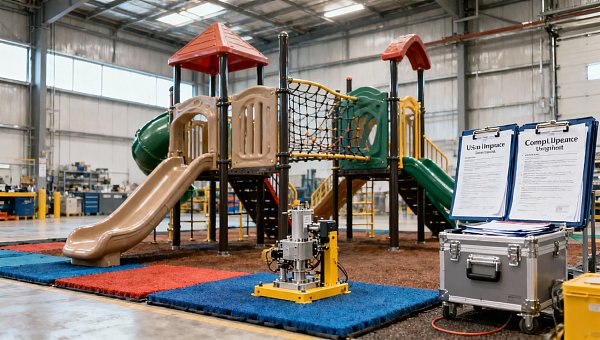
EN1176 is a family of safety requirements for playground equipment intended for public use. It covers design, structural integrity, entrapment risks, fall protection considerations, installation quality, inspection routines, and maintenance expectations. Rather than evaluating only one component, it looks at the full safety performance of equipment such as swings, slides, climbing structures, rope systems, spring riders, and multi-play towers.
For tourism and hospitality operators, the importance of EN1176 goes beyond compliance language. A family resort may face daily peak usage windows of 3 to 6 hours, seasonal occupancy surges above 80%, and repeated exposure to UV, rain, sand, or coastal humidity. Equipment that appears visually attractive but lacks robust structural validation can become a liability within 12 to 24 months of operation.
From a procurement perspective, EN1176 creates a common technical reference between buyer and manufacturer. It helps define whether guardrails are appropriate for the user age group, whether openings create head or finger entrapment risk, and whether impact areas are properly considered. This matters when comparing 3 to 5 shortlisted suppliers across different countries, materials, and manufacturing standards.
For distributors and agents, EN1176 also improves downstream communication. It allows a sales network to explain safety features in concrete terms instead of generic claims like “durable” or “child-friendly.” In projects where procurement cycles take 4 to 12 weeks, documentation clarity often becomes a deciding factor, especially when engineering review, insurance consultation, and local installation approval all need alignment.
Key areas commonly reviewed under EN1176
- Structural stability under intended load, repeated use, and foreseeable misuse.
- Entrapment prevention for head, neck, finger, clothing, and cords.
- Fall-risk reduction through platform height logic, barriers, guardrails, and spatial layout.
- Surface and edge safety, including burrs, sharp points, splinters, and corrosion risks.
- Inspection and maintenance accessibility over a service life that often ranges from 5 to 15 years.
Why this matters for destination developers
A tourism architect planning a family zone has to think in systems. Playground equipment must integrate with guest circulation, emergency access, landscaping, drainage, lighting, and brand positioning. EN1176 helps turn playground selection into a disciplined engineering decision. That is especially relevant when projects combine leisure hardware with smart hospitality infrastructure, modular accommodations, and sustainability targets under one procurement framework.
How Buyers Should Evaluate EN1176 in Factory Selection
A common procurement mistake is treating EN1176 as a label rather than a process. Buyers should not only ask whether a supplier mentions the standard, but also how the factory interprets it in design review, material selection, welding control, hardware finishing, and post-installation guidance. A reliable supplier should be able to explain tolerances, test logic, maintenance intervals, and replacement part availability in operational terms.
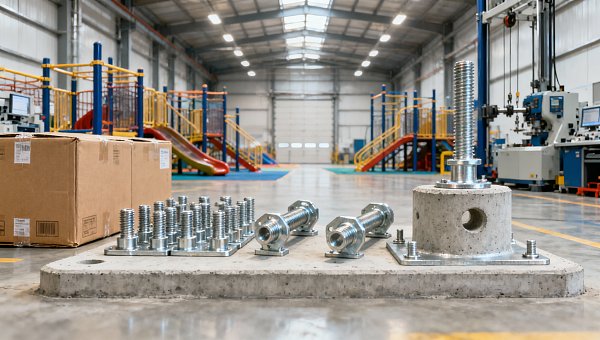
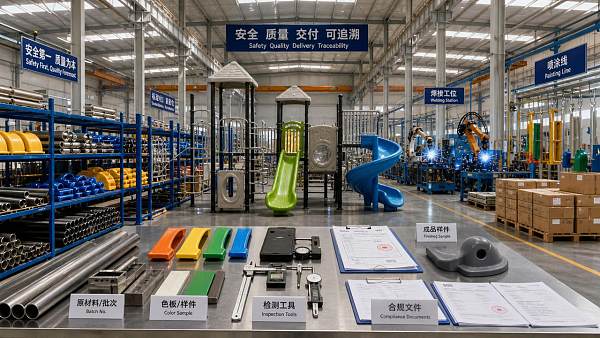
In export-oriented manufacturing, the quality gap between suppliers is often visible in five areas: material thickness consistency, coating durability, joint reinforcement, fastener protection, and documentation depth. For example, if steel tubes vary excessively in wall thickness or if powder coating underperforms in salt or humidity exposure, apparent compliance at delivery may not translate into safe performance after 18 to 36 months in a resort environment.
Procurement teams should also verify whether the supplier can support site-specific adaptation. A beach resort, mountain retreat, indoor family entertainment area, and urban hotel courtyard all impose different stress conditions. UV exposure, temperature shifts, moisture load, vandal resistance, and cleaning frequency can affect the most suitable combination of galvanized steel, stainless steel, HPL panels, engineered rope, HDPE, or treated timber.
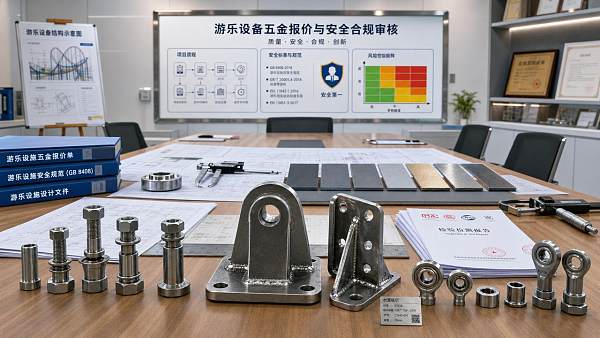
For TVM-style infrastructure benchmarking, factory selection should translate marketing claims into measurable indicators. That means asking for dimensional drawings, material grade details, anti-corrosion process descriptions, hardware specifications, maintenance manuals, and inspection recommendations. It also means comparing how quickly a manufacturer can provide spare parts, usually within 7 to 21 days, which is crucial for sites that cannot afford prolonged downtime during peak tourism seasons.
Practical due diligence checklist
The table below summarizes a practical screening framework for buyers comparing playground equipment factories under EN1176-related requirements. It is especially useful during the first 2 stages of supplier qualification, when procurement teams need to remove weak options before requesting final quotations.
The key takeaway is that factory evaluation should connect safety, durability, and serviceability. A supplier with complete drawings and maintenance logic is usually easier to integrate into a hotel or resort procurement process than one that only offers stylized renders and broad promises.
Four red flags buyers should not ignore
- No clear explanation of user age segmentation, such as 3–6 years versus 6–12 years.
- No maintenance schedule or only generic advice without monthly and annual checks.
- No clarity on protective finishes for coastal, tropical, or high-humidity environments.
- No spare-parts plan, which can turn a small failure into 30 to 60 days of downtime.
EN1176, Durability, and Lifecycle Value in Hospitality Projects
For hotel groups and destination operators, purchase price is only one part of the equation. The more important question is how equipment behaves over a 5-year, 8-year, or 12-year operating period. EN1176 supports this discussion because safe design is closely linked to durability discipline. Weak joints, exposed connectors, poor drainage around posts, and low-grade finishes often create both safety risk and premature replacement cost.
In hospitality settings, lifecycle value depends on usage intensity and environmental exposure. A playground in a 120-room family resort may see significantly higher weekly use than one in a boutique mountain lodge. If cleaning takes place 5 to 7 times per week and the site is open year-round, even small material weaknesses become visible quickly. Procurement teams should therefore compare not only initial compliance alignment but also maintenance burden and expected wear rate.
This is where TVM’s data-driven approach is relevant. Instead of accepting vague claims such as “heavy-duty” or “premium finish,” buyers should benchmark factors like coating resilience, rope wear behavior, panel cracking resistance, anchoring method, and ease of component replacement. The goal is to identify products that perform predictably under actual hospitality conditions, not just in showroom presentation.
A robust EN1176-aligned procurement process also supports sustainability targets. If equipment lasts 8 to 12 years with manageable maintenance rather than requiring major replacement in 3 to 5 years, operators reduce material waste, logistics cost, and site disruption. Long-term value is especially important for tourism developments balancing guest experience with carbon accountability and asset efficiency.
Typical lifecycle comparison factors
The following table provides a practical comparison model for operators evaluating long-term value. These are not universal fixed numbers, but realistic planning ranges often used in procurement assessments for public or semi-public leisure equipment.
The practical lesson is that lifecycle value is usually won before the order is placed. Better documentation, better materials, and better service planning often produce lower total ownership cost even if initial unit pricing is 10% to 20% higher.
Material and environment matching
- Coastal resorts should prioritize corrosion resistance and enclosed fastener logic.
- High-UV sites need color stability and crack-resistant polymers or panels.
- Eco-lodges often need a balance between natural aesthetics and measurable service durability.
- Indoor hotel play zones should focus more on cleaning frequency, edge safety, and wear from concentrated use.
Implementation, Inspection, and Risk Control After Purchase
Even well-designed equipment can underperform if installation and post-handover control are weak. For procurement teams, EN1176 should therefore be part of a complete delivery workflow rather than a pre-order checkbox. Site preparation, anchoring accuracy, surfacing compatibility, clearance verification, and inspection records all influence whether the project remains safe and defensible during operation.
A typical B2B implementation cycle includes 5 stages: technical confirmation, shop drawing approval, production, site installation, and final inspection handover. Depending on project size, this process may take 4 to 10 weeks for standard equipment and longer for customized multi-play systems. During this timeline, one of the most common failures is incomplete coordination between manufacturer, installer, and site operator.
Operators should define inspection frequency from day one. Many sites use three layers of control: visual checks daily or weekly, operational checks every 1 to 3 months, and comprehensive inspections annually. This layered model is especially useful for resorts and public-facing leisure spaces where guest traffic varies by season and certain wear points, such as ropes, connectors, and moving parts, need close monitoring.
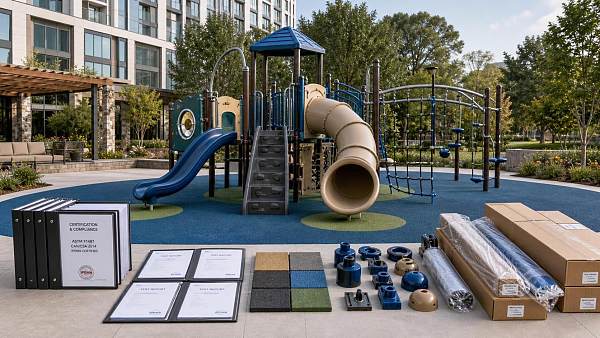
Documentation also matters for commercial risk control. If an issue occurs, buyers need a clear record of installation instructions, maintenance actions, replacement history, and periodic checks. For distributors and project consultants, this strengthens after-sales credibility. For operators, it supports internal governance, insurer dialogue, and asset planning.
Recommended implementation workflow
- Confirm user age band, expected daily load, site climate, and available safety area.
- Review drawings and anchor details before production begins.
- Inspect packaging and component list upon arrival to avoid missing parts.
- Verify post-installation clearances, fastener sealing, and surface condition.
- Create a maintenance calendar covering 30-day, 90-day, and annual checks.
Common implementation mistakes
The most frequent mistakes include ignoring drainage around foundations, compressing safety zones to fit landscape plans, mixing incompatible surfacing systems, and failing to train on-site maintenance teams. In tourism projects, where visual design pressure is high, safety space is sometimes sacrificed for aesthetics. That is a short-term compromise that can create long-term operational cost and liability exposure.
Another mistake is assuming that once equipment is installed, all risk is transferred to the supplier. In reality, operational responsibility continues throughout the asset lifecycle. Buyers should therefore integrate EN1176 thinking into procurement documents, installation sign-off, maintenance SOPs, and periodic refurbishment planning.
FAQ for Buyers, Distributors, and Project Evaluators
How should a buyer verify EN1176-related quality if the factory is overseas?
Start with engineering documents, not just sales materials. Request dimensional drawings, material descriptions, finish details, maintenance manuals, and packing lists. Then evaluate whether the supplier can explain inspection intervals, replacement procedures, and site adaptation logic. For projects with larger budgets or multi-site deployment, third-party pre-shipment inspection and sample review can reduce uncertainty during the final 2 to 3 weeks before dispatch.
Is EN1176 relevant only for Europe?
No. While it is a European standard family, it is widely used as a procurement reference for export projects, especially where buyers want a recognized framework for public playground safety. In hospitality procurement, EN1176 often serves as a practical benchmark even when the final project is located in the Middle East, Asia-Pacific, Africa, or Latin America, provided local regulations are also reviewed.
What should distributors emphasize when selling EN1176-aligned playground equipment?
Distributors should focus on technical transparency, not only appearance. The most persuasive sales points are usually layout logic, age suitability, maintenance schedule, material durability, spare-parts access, and installation support. If distributors can explain 4 to 6 measurable decision factors, they are more likely to win trust from project consultants and procurement managers than competitors using only design language.
What is a realistic delivery and handover timeline?
For standard products, production may take roughly 3 to 6 weeks, with additional time for shipping, customs, and site installation. Custom combinations, themed structures, or multi-zone resort projects can take 8 to 14 weeks or more. Buyers should also reserve time for drawing approval, surfacing coordination, and final inspection rather than measuring lead time only by factory output.
Which metrics matter most in long-term procurement decisions?
The most useful metrics are material consistency, finish durability, modularity of replacement parts, inspection accessibility, climate suitability, and expected maintenance intervals. When possible, compare suppliers using a weighted matrix with at least 5 criteria instead of making decisions on unit price alone. This is especially important in tourism assets where downtime can affect guest experience and commercial perception immediately.
Final Takeaway for Smarter Playground Procurement
EN1176 is not just a technical reference for playground safety. In the tourism and hospitality supply chain, it is a practical decision framework for comparing equipment quality, installation reliability, inspection readiness, and long-term asset value. For buyers, agents, and commercial evaluators, the real advantage lies in using the standard to ask better questions and demand measurable answers.
When EN1176 is combined with broader infrastructure benchmarking, procurement becomes more precise. That is where TerraVista Metrics adds value: by helping decision-makers move beyond visual claims and focus on engineering evidence, lifecycle logic, and operational fit. This is especially relevant for resorts, family hotels, eco-destinations, and mixed-use leisure projects that require both guest appeal and dependable technical performance.
If you are comparing playground equipment factories, evaluating tourism hardware, or building a data-driven sourcing framework for hospitality projects, a structured review of EN1176-related factors can reduce uncertainty and improve long-term return. Contact us to discuss your project, request a customized evaluation framework, or learn more about tourism infrastructure benchmarking solutions.
Recommended News
 Oct 24, 2026Six Flags to Add Seat Belts to Goliath and Similar Roller CoastersSix Flags plans to add seat belts to Goliath and similar roller coasters. Learn about the safety changes, Goliath’s closure and what visitors should watch for next.
 Oct 22, 2026Choosing Large Play Equipment for Parks: Space, Age Groups, and SafetyChoose large play equipment with confidence. Explore park space planning, age suitability, safety standards, and lifetime costs to create a safer, more inclusive playground.
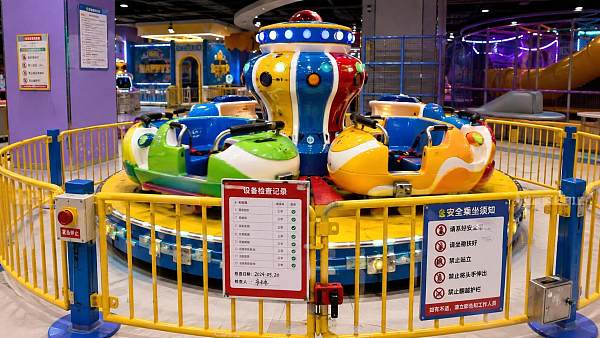
 Sep 07, 2026Amusement Equipment Testing for Family Entertainment Centers: Key Safety ChecksAmusement equipment testing for family entertainment centers: discover essential safety checks for restraints, brakes, interlocks, structural wear, and daily operations.
 Aug 25, 2026How to Evaluate Play Equipment Suppliers in North America for Safety and FitPlay equipment North America buyers: learn how to compare suppliers for safety, compliance, materials, installation support, and long-term fit before costly mistakes happen.
 Aug 22, 2026Poured Rubber Surfacing for Playgrounds: What to Evaluate Before Specifying ItPoured rubber surfacing for playgrounds looks ideal, but performance depends on drainage, substrate, testing, and maintenance. Learn what to evaluate before you specify it.
 Aug 16, 2026What Playground Surfacing Standards Should You Meet for Safer School and Public Play Areas?Playground surfacing standards help school and public play areas stay safer, accessible, and compliant. Learn what to check before approval and avoid costly safety gaps.
 Aug 13, 2026EU Updates EN 13814:2026 for Modular CabinsEU updates EN 13814:2026 for Modular Cabins, adding AI load simulation to compliance. Learn what exporters must prepare before March 2027 to avoid CE delays and rising certification costs.
 Aug 08, 2026EN 13814:2026 Takes Effect, Raising EU Ride Safety Certification RequirementsEN 13814:2026 now raises EU ride safety certification requirements. Learn how dynamic load fatigue testing and third-party approval affect EU customs clearance, suppliers, and buyers.
 Aug 05, 2026EN 13814:2026 Tightens EU Playground Safety RulesEN 13814:2026 tightens EU playground safety rules with a fast transition deadline. Learn how the new standard affects CE compliance, testing, and delivery planning.
 Jul 21, 2026CPSC Adopts ASTM F1487-26 for Playground SafetyCPSC adopts ASTM F1487-26 for Playground Safety starting Oct. 1, 2026. Learn how the new rules affect CPC certification, U.S. market access, inventory risk, and compliance planning.
 Jul 14, 2026Vietnam Requires GS1 Traceability Codes for Imported Playground EquipmentVietnam Requires GS1 Traceability Codes for Imported Playground Equipment from Aug 15, 2026. Learn what MOIT’s new QR code rule means for exporters, importers, and compliance readiness.
 Jul 13, 2026Vietnam Requires QR Labels on Imported Playground EquipmentVietnam requires QR labels on imported playground equipment from Aug 1, 2026. Learn how VN-QR 2026 rules affect customs, documents, and shipment readiness.
 Jul 12, 2026Vietnam Requires UV Aging Test for Imported SlidesVietnam requires UV aging test for imported slides under VN-TIS 123:2026. Learn how the new rule impacts compliance, testing costs, shipment timing, and supplier selection.
 Jul 11, 2026CPSC Tightens Playground Safety Rules for Export Supply ChainsCPSC playground safety rules tighten U.S. export compliance for slides, climbing frames, and swing supports. Learn ASTM F1487-26a impacts, DIA testing changes, sourcing risks, and supply chain actions before Oct. 1, 2026.
 Jul 11, 2026Amusement Equipment Testing for Public Parks: What Safety Items Should Be Checked First?Amusement equipment testing for public parks should start with structure, restraints, electrical systems, moving parts, and records. Learn the first safety checks that prevent shutdowns and protect visitors.
 Jul 09, 2026How to Choose an Amusement Equipment Testing System for Compliance and Daily InspectionAmusement equipment testing system selection made practical: learn how to compare compliance features, inspection workflows, data accuracy, and audit readiness for safer, more efficient operations.
 Jul 04, 2026Amusement Ride Testing Services: What Tests Are Required Before Opening to the Public?Amusement ride testing services cover structural, load, control, restraint, and emergency checks before opening. Learn what tests matter most to protect safety, compliance, and uptime.
 Jul 01, 2026All Weather Slide Systems: Key Safety, Drainage, and Material Factors for Outdoor ProjectsAll weather slide systems for outdoor projects: explore key safety, drainage, and material factors to reduce risk, improve uptime, and choose durable solutions with confidence.
 Jun 29, 2026CPSC Alert Tightens Scrutiny on Playground AnchorsCPSC Alert tightens scrutiny on playground anchors as CBP inspections expand. Learn how recall-linked defects may delay clearance, raise compliance risks, and impact playground safety supply chains.
 Jun 26, 2026CPSC Sets Trilingual Warning Label Rule for Playground EquipmentCPSC trilingual warning label rule for playground equipment takes effect August 1, 2026. Learn ASTM F1487-25 requirements, import risks, and how exporters and buyers can stay compliant.
 Jun 18, 2026CPSC Tightens Playground Impact Testing for Modular ImportsCPSC tightens playground impact testing for modular imports under ASTM F1487-26e1. Learn key compliance changes, shipment risks, and document updates before Sept. 1, 2026.
 Jun 17, 2026Amusement Ride Testing Explained: Key Standards, Test Types, and Safety CheckpointsAmusement ride testing explained: learn key standards, test types, and safety checkpoints to improve compliance, reduce downtime, and protect attraction performance.
 Jun 13, 2026How to Request an Amusement Hardware Quotation Without Missing Specs or Safety RequirementsAmusement hardware quotation guide: learn how to request accurate specs, safety documents, and compliance details to avoid hidden costs, delays, and risky supplier gaps.
 Jun 07, 2026Playground Equipment Factory Audit Guide: What to Check Before Placing a Bulk OrderPlayground equipment factory audit guide: learn what to check before a bulk order, from materials and welding to testing, compliance, and traceability for safer, smarter sourcing.
{item.publish_time}{item.title}{item.description}Quarterly Executive Summaries Delivered Directly.
Join 50,000+ industry leaders who receive our proprietary market analysis and policy outlooks before they hit the public library.