Search News
TerraVista Metrics (TVM)Industry Portal
TerraVista Metrics (TVM)Hot Articles
TerraVista Metrics (TVM)- Synthetic Rattan Resort Furniture: What to Check for Coastal DurabilityBuying synthetic rattan resort furniture? Discover key checks for UV resistance, corrosion protection, and warranty coverage to reduce coastal replacement costs and buy with confidence.
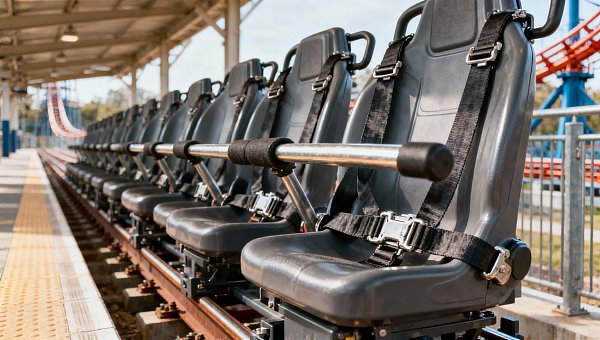
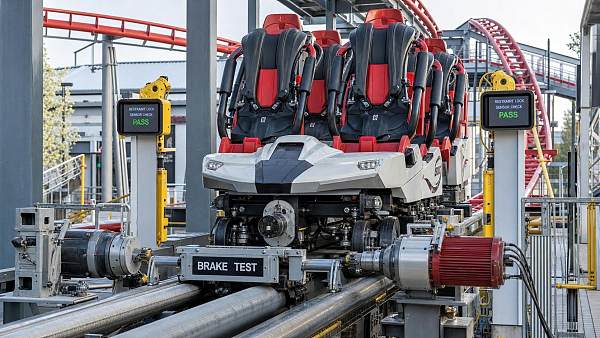
- Six Flags to Add Seat Belts to Goliath and Similar Roller CoastersSix Flags plans to add seat belts to Goliath and similar roller coasters. Learn about the safety changes, Goliath’s closure and what visitors should watch for next.
- Which Hospitality Furniture Compliance Standards Apply to U.S. Hotels?Explore hospitality furniture compliance standards for U.S. hotels, from fire safety and ADA requirements to supplier documentation. Make informed purchases and reduce compliance risks.
Popular Tags
TerraVista Metrics (TVM)Industry NewsHow to Meet Playground Safety Standards EN1176
auth.Dr. Julian Rossi (Aesthetic Materials Specialist)Time
Oct 24, 2026Click Count
Meeting playground safety standards EN1176 requires more than a checklist—it demands verified engineering data, durable materials, and supplier transparency. For buyers, distributors, and tourism architects evaluating a playground equipment factory alongside broader amusement hardware and hospitality ecosystem needs, understanding compliance, testing methods, and long-term performance is essential to reduce risk and support confident procurement decisions.
What does EN1176 really mean in playground procurement?
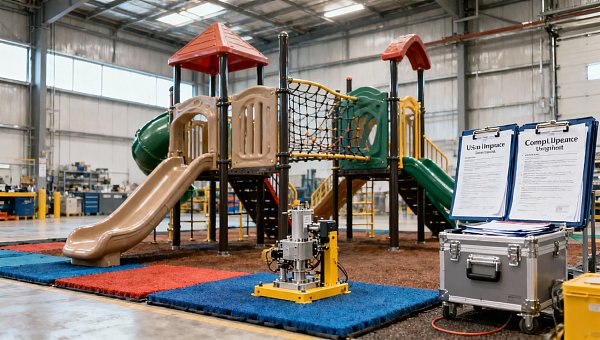
EN1176 is not a single pass-or-fail label for playground equipment. It is a framework of safety requirements covering design, structural integrity, installation logic, access points, entrapment prevention, impact-related risk reduction, and ongoing inspection expectations for public play areas. For procurement teams in tourism, hospitality, mixed-use commercial projects, and public leisure spaces, this matters because a compliant playground is judged across the full lifecycle, not only at shipment.
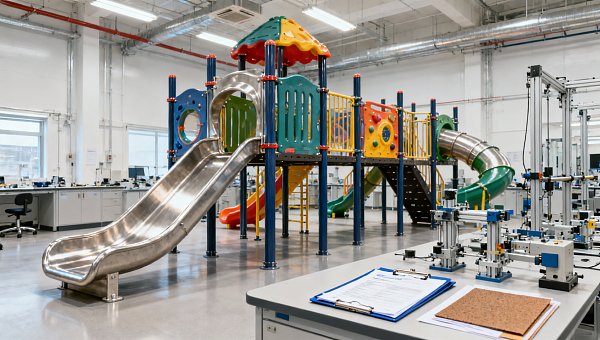
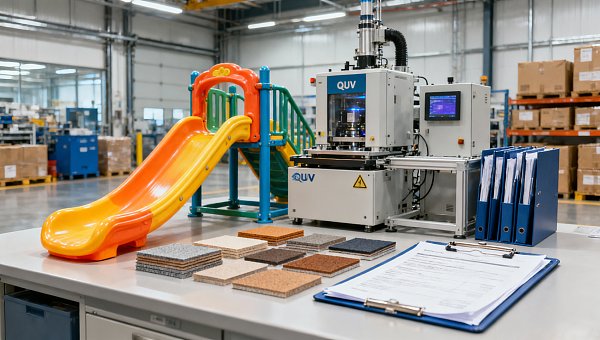
In practical terms, buyers should separate three layers of evaluation: product design review, material and manufacturing quality, and site-specific installation suitability. A factory may present drawings that appear compliant, but if weld consistency, coating adhesion, timber moisture control, or fastener durability are not verified, the equipment may struggle under 3–5 years of outdoor exposure. That gap is where many sourcing decisions fail.
For resorts, family attractions, destination parks, glamping operators, and hotel developers, playground safety also connects to guest experience and liability management. A visually appealing structure that creates maintenance interruptions every quarter can damage operations more than a higher-spec system that performs consistently over 24–36 months. Compliance therefore needs to be read together with durability, serviceability, and replacement planning.
TerraVista Metrics approaches this issue as a data problem rather than a brochure problem. In tourism infrastructure procurement, our role is to filter claims through measurable indicators: corrosion resistance logic, structural fatigue considerations, environmental suitability, and integration with broader site standards. That is especially valuable when a playground equipment factory is being assessed alongside other tourism hardware where performance and lifecycle cost must be compared on the same basis.
Key compliance layers buyers should verify
- Design suitability: spacing, access geometry, guardrails, barriers, fall risk zones, and age-appropriate play functions.
- Material consistency: steel thickness range, timber treatment approach, polymer weather resistance, and hardware grade selection.
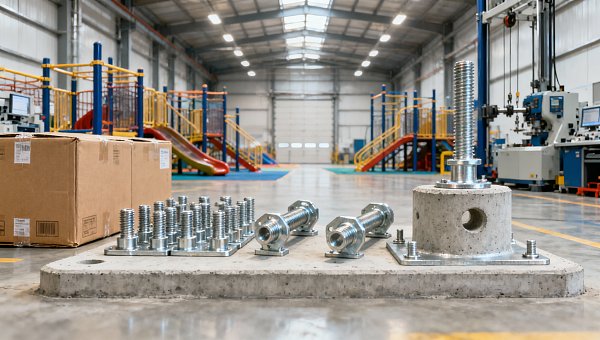
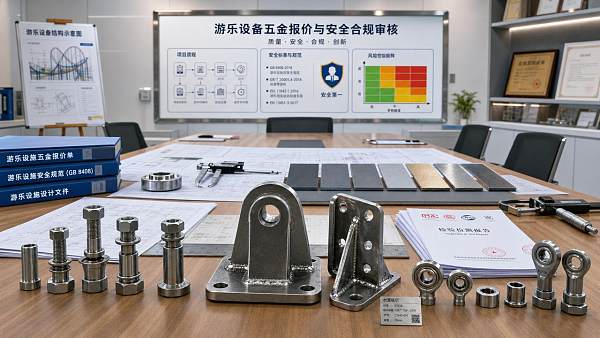
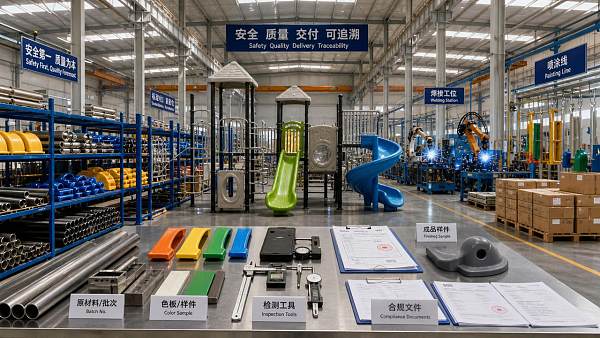
- Manufacturing control: welding repeatability, edge finishing, fastener protection, dimensional tolerance, and batch traceability.
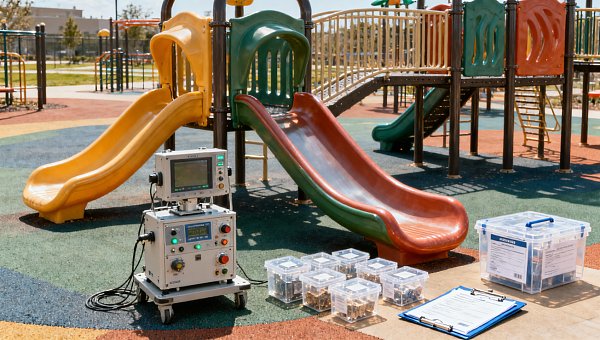
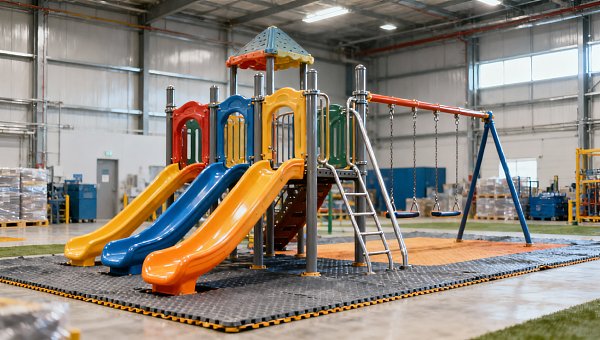
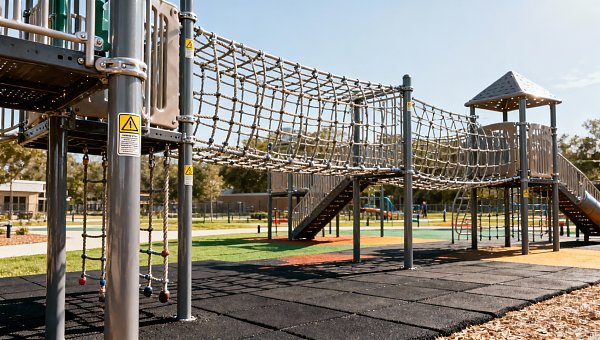
- Site execution: anchoring conditions, surfacing coordination, drainage, clearance around moving elements, and post-installation inspection.
When these four layers are documented early, procurement teams can compare suppliers with more clarity. Without them, it becomes difficult to distinguish between a compliant product concept and a truly reliable delivered system.
Which EN1176 checkpoints matter most before you shortlist a playground equipment factory?
Most shortlisting errors happen because procurement teams focus too heavily on appearance, price, or nominal certification language. In reality, the first screening stage should narrow the field using 5 core checkpoints: standards familiarity, test documentation availability, material declaration quality, production control consistency, and after-sales support for inspections and spare parts. These factors usually reveal more than a polished catalog.
For distributors and commercial evaluators, another important distinction is whether the supplier understands export project conditions. EN1176 compliance for a coastal resort, a mountain retreat, and a high-traffic municipal play zone cannot be treated identically. Salt exposure, UV load, temperature swings, and user intensity often change the ideal material mix and finishing specification.
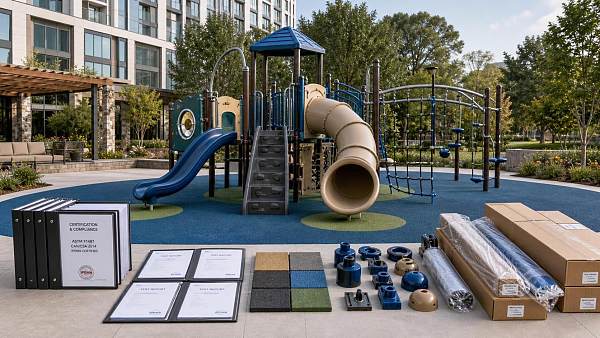
A useful evaluation window is 7–15 working days for document review before any sample or container discussion begins. During that period, buyers should request technical drawings, bill-of-material logic, coating or treatment descriptions, recommended inspection intervals, and installation notes. If these cannot be supplied in a structured way, the project risk level rises quickly.
The table below gives a practical shortlist framework for EN1176-aligned sourcing. It is especially helpful when comparing multiple playground equipment factory options for hospitality, tourism, or mixed recreation procurement.
A strong supplier will usually respond with structured files, version-controlled drawings, and defined lead-time assumptions. A weak one often answers with general assurances and incomplete records. For B2B projects, that difference is more important than a small unit-price gap.
How TVM improves the shortlist stage
TVM helps buyers compare suppliers using measurable procurement logic. Instead of asking only whether a playground system is “safe,” we ask whether the technical file is coherent, whether the material selection matches the climate, whether the maintenance burden is realistic, and whether the structure fits the wider hospitality asset plan. This is valuable when playground equipment is one package within a broader tourism development budget.
For procurement directors and distributors, that means fewer blind spots in early-stage sourcing. It also creates clearer negotiation points on specification upgrades, replacement parts, and project delivery expectations.
How to evaluate materials, structural durability, and lifecycle risk
EN1176 compliance does not remove the need to study material performance under real operating conditions. Resorts and public attractions often face continuous UV exposure, seasonal rain, temperature variation, and user loads across weekdays, weekends, and peak holiday periods. In that environment, the right material choice can affect maintenance frequency by months rather than days.
For example, powder-coated steel may be suitable in many inland projects, but coastal or high-humidity sites often require closer attention to pretreatment quality, galvanization logic, and cut-edge protection. Timber may offer strong visual appeal in eco-tourism settings, yet buyers still need to ask about moisture management, cracking behavior, fastener retention, and expected refinishing intervals, often every 12–24 months depending on exposure.
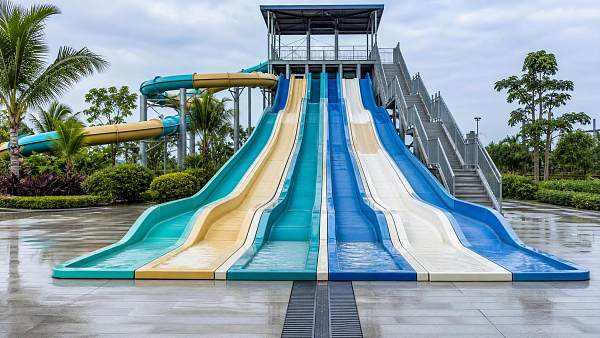
Plastic and composite elements also deserve careful review. UV stabilization, surface temperature behavior, impact resistance, and color aging affect both user comfort and replacement costs. A slide panel that becomes brittle or excessively hot under direct sun can create operational issues long before the main frame shows visible wear.
The table below summarizes practical material review points that are useful when assessing a playground equipment factory for tourism and hospitality projects with medium- to high-traffic usage.
This comparison shows why the lowest-priced option may carry the highest lifecycle cost. If replacement parts are slow, coatings fail early, or timber requires unplanned interventions, operating expenses can rise across the first 18–36 months. For hotel groups and destination developers, that can disrupt guest-facing operations and complicate maintenance scheduling.
Three durability questions that reduce sourcing risk
- What is the expected inspection rhythm: monthly visual checks, quarterly hardware checks, and annual technical review?
- Which components are considered high-wear and likely to need replacement inside a 12–36 month window?
- Can the supplier document how the specification changes for inland, coastal, high-UV, or high-traffic environments?
These questions move the discussion from catalog aesthetics to asset management. That shift is where stronger commercial decisions are made.
Which playground solutions fit tourism, hospitality, and public leisure scenarios best?
Different environments place different demands on EN1176-compliant playground equipment. A boutique eco-resort may prioritize natural materials, low visual intrusion, and compact footprints. A family hotel may need higher user throughput, easier supervision, and a stronger focus on spare parts availability. A municipal leisure zone may emphasize vandal resistance and maintenance efficiency over design novelty.
This is why application context should be discussed before final quotation. In many projects, buyers ask for one universal solution, but play value, expected age range, weather conditions, and maintenance staffing levels can vary significantly. Even a difference of 2–3 meters in equipment height or circulation clearance can alter surfacing requirements and site coordination costs.
TVM supports this decision by benchmarking amusement hardware in the context of broader tourism infrastructure. That means the playground is not treated as an isolated purchase. It is evaluated as part of guest flow, sustainability goals, operating load, and long-term site coherence.
The following table compares common application scenarios and the procurement focus each one usually requires.
The value of this scenario-based approach is that it avoids overbuying and under-specifying at the same time. Buyers can align EN1176 compliance with actual operational needs, which often improves both budget control and long-term reliability.
A practical 4-step matching process
- Define the user profile: age range, peak traffic pattern, supervision level, and accessibility expectations.
- Map environmental exposure: coastal or inland, shaded or open sun, dry or high humidity, seasonal or year-round use.
- Set maintenance reality: onsite technician capacity, inspection rhythm, and spare part storage ability.
- Compare supplier responsiveness: technical clarity, revision speed, and support during installation and early operation.
For distributors and agents, this process also helps align local resale strategy with the most suitable supplier category instead of chasing every project with the same product mix.
What mistakes do buyers make when checking EN1176 and how can they avoid them?
One common mistake is assuming that a certificate alone resolves all technical and legal questions. In reality, buyers need to understand what was tested, which configuration was assessed, and whether the quoted product exactly matches the documented design. Small changes in platform height, access components, or material substitutions can affect the relevance of the original documentation.
Another mistake is ignoring site conditions until late in the project. EN1176 compliance can be undermined by poor installation, unsuitable surfacing, drainage failure, or inadequate clear zones. This is especially risky in tourism projects where civil works, landscaping, and guest-area design often proceed on tight timelines of 4–8 weeks before opening milestones.
Budget pressure creates a third issue: selecting low-cost alternatives without understanding the replacement cycle. A lower initial quotation may look attractive, but if the structure needs earlier panel replacement, finish repairs, or repeated hardware intervention, the total cost picture changes quickly. Commercial evaluation should therefore include first-cost, maintenance burden, and operational interruption risk.
For information researchers and sourcing managers, the safest method is to combine document review, technical questioning, and implementation planning. The FAQ below addresses the questions that usually come up during supplier comparison and project approval.
How do I know if a playground equipment factory understands EN1176 beyond sales language?
Ask for structured design files, component specifications, installation notes, and maintenance guidance. A capable factory can usually explain why barriers, openings, anchoring points, and materials were selected. If responses remain general after 2–3 rounds of technical questions, treat that as a warning sign.
What is a reasonable lead time for an EN1176-oriented project?
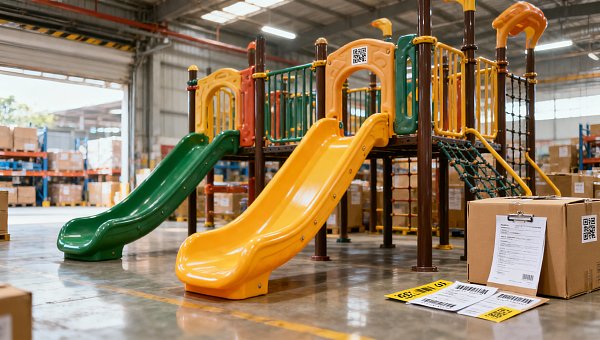
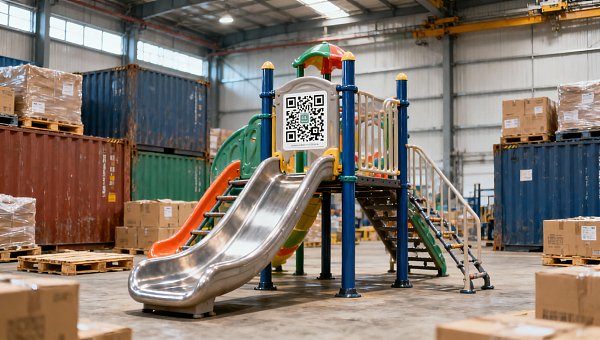
Lead time varies by customization level, but buyers commonly see 2–4 weeks for technical clarification and approval, followed by production and shipment schedules that depend on volume and destination. The key issue is not speed alone. It is whether documentation, packing logic, and installation support are ready when the goods arrive.
Should I prioritize certification documents or material quality first?
Both matter, but they answer different questions. Documentation helps establish design intent and formal compliance scope. Material quality determines whether the product performs under real service conditions. For long-life assets, especially in tourism and hospitality, one without the other is not enough.
What should distributors or agents ask before taking on a supplier line?
Focus on technical file consistency, spare part coding, customization control, packaging reliability, and response time for after-sales questions. Also ask whether the supplier can support local project adaptation for climate and traffic intensity. Distribution succeeds when technical predictability supports commercial scalability.
Why work with TVM when evaluating compliant playground and amusement infrastructure?
TVM is positioned for buyers who need more than surface-level supplier comparison. In tourism and hospitality infrastructure, purchasing decisions often involve multiple hardware categories at once, from modular accommodation and smart hotel systems to recreation equipment. That complexity makes isolated vendor promises difficult to compare. Our role is to translate technical variability into clearer procurement judgment.
When assessing a playground equipment factory, we look at the engineering signals that matter in real operation: structural logic, environmental suitability, maintenance implications, documentation quality, and integration with the wider guest environment. This allows developers, operators, procurement directors, and channel partners to make decisions with better visibility across risk, performance, and lifecycle value.
If you are comparing suppliers, reviewing EN1176 documentation, or trying to understand whether a specification is suitable for a resort, public leisure project, or tourism destination, we can support the process with a structured evaluation path. Typical review scopes include 3 categories: parameter confirmation, compliance file review, and application-fit assessment for the target site.
You can contact TVM to discuss product selection, delivery cycle expectations, material suitability for climate exposure, component replacement planning, sample support questions, or certification-related document review. For distributors and commercial teams, we can also help build a comparison framework that supports quotation decisions, supplier negotiation, and long-term portfolio planning.
What you can consult with us
- How to compare two or more playground equipment factory options using technical and commercial criteria.
- Which EN1176-related documents should be checked before placing a deposit or issuing a purchase order.
- How to align playground specification with resort, hotel, glamping, municipal, or mixed-use application needs.
- What delivery, spare parts, and maintenance assumptions should be written into procurement discussions.
- How to review custom solutions, sample requests, quotation structure, and certification expectations before final approval.
If your next project requires a more defensible sourcing process, a clearer shortlist, or a structured review of compliant playground and amusement hardware, reaching out early can save time in both technical validation and commercial negotiation.
Recommended News
 Oct 24, 2026Six Flags to Add Seat Belts to Goliath and Similar Roller CoastersSix Flags plans to add seat belts to Goliath and similar roller coasters. Learn about the safety changes, Goliath’s closure and what visitors should watch for next.
 Oct 22, 2026Choosing Large Play Equipment for Parks: Space, Age Groups, and SafetyChoose large play equipment with confidence. Explore park space planning, age suitability, safety standards, and lifetime costs to create a safer, more inclusive playground.
 Sep 07, 2026Amusement Equipment Testing for Family Entertainment Centers: Key Safety ChecksAmusement equipment testing for family entertainment centers: discover essential safety checks for restraints, brakes, interlocks, structural wear, and daily operations.
 Aug 25, 2026How to Evaluate Play Equipment Suppliers in North America for Safety and FitPlay equipment North America buyers: learn how to compare suppliers for safety, compliance, materials, installation support, and long-term fit before costly mistakes happen.
 Aug 22, 2026Poured Rubber Surfacing for Playgrounds: What to Evaluate Before Specifying ItPoured rubber surfacing for playgrounds looks ideal, but performance depends on drainage, substrate, testing, and maintenance. Learn what to evaluate before you specify it.
 Aug 16, 2026What Playground Surfacing Standards Should You Meet for Safer School and Public Play Areas?Playground surfacing standards help school and public play areas stay safer, accessible, and compliant. Learn what to check before approval and avoid costly safety gaps.
 Aug 13, 2026EU Updates EN 13814:2026 for Modular CabinsEU updates EN 13814:2026 for Modular Cabins, adding AI load simulation to compliance. Learn what exporters must prepare before March 2027 to avoid CE delays and rising certification costs.
 Aug 08, 2026EN 13814:2026 Takes Effect, Raising EU Ride Safety Certification RequirementsEN 13814:2026 now raises EU ride safety certification requirements. Learn how dynamic load fatigue testing and third-party approval affect EU customs clearance, suppliers, and buyers.
 Aug 05, 2026EN 13814:2026 Tightens EU Playground Safety RulesEN 13814:2026 tightens EU playground safety rules with a fast transition deadline. Learn how the new standard affects CE compliance, testing, and delivery planning.
 Jul 21, 2026CPSC Adopts ASTM F1487-26 for Playground SafetyCPSC adopts ASTM F1487-26 for Playground Safety starting Oct. 1, 2026. Learn how the new rules affect CPC certification, U.S. market access, inventory risk, and compliance planning.
 Jul 14, 2026Vietnam Requires GS1 Traceability Codes for Imported Playground EquipmentVietnam Requires GS1 Traceability Codes for Imported Playground Equipment from Aug 15, 2026. Learn what MOIT’s new QR code rule means for exporters, importers, and compliance readiness.
 Jul 13, 2026Vietnam Requires QR Labels on Imported Playground EquipmentVietnam requires QR labels on imported playground equipment from Aug 1, 2026. Learn how VN-QR 2026 rules affect customs, documents, and shipment readiness.
 Jul 12, 2026Vietnam Requires UV Aging Test for Imported SlidesVietnam requires UV aging test for imported slides under VN-TIS 123:2026. Learn how the new rule impacts compliance, testing costs, shipment timing, and supplier selection.
 Jul 11, 2026CPSC Tightens Playground Safety Rules for Export Supply ChainsCPSC playground safety rules tighten U.S. export compliance for slides, climbing frames, and swing supports. Learn ASTM F1487-26a impacts, DIA testing changes, sourcing risks, and supply chain actions before Oct. 1, 2026.
 Jul 11, 2026Amusement Equipment Testing for Public Parks: What Safety Items Should Be Checked First?Amusement equipment testing for public parks should start with structure, restraints, electrical systems, moving parts, and records. Learn the first safety checks that prevent shutdowns and protect visitors.
 Jul 09, 2026How to Choose an Amusement Equipment Testing System for Compliance and Daily InspectionAmusement equipment testing system selection made practical: learn how to compare compliance features, inspection workflows, data accuracy, and audit readiness for safer, more efficient operations.
 Jul 04, 2026Amusement Ride Testing Services: What Tests Are Required Before Opening to the Public?Amusement ride testing services cover structural, load, control, restraint, and emergency checks before opening. Learn what tests matter most to protect safety, compliance, and uptime.
 Jul 01, 2026All Weather Slide Systems: Key Safety, Drainage, and Material Factors for Outdoor ProjectsAll weather slide systems for outdoor projects: explore key safety, drainage, and material factors to reduce risk, improve uptime, and choose durable solutions with confidence.
 Jun 29, 2026CPSC Alert Tightens Scrutiny on Playground AnchorsCPSC Alert tightens scrutiny on playground anchors as CBP inspections expand. Learn how recall-linked defects may delay clearance, raise compliance risks, and impact playground safety supply chains.
 Jun 26, 2026CPSC Sets Trilingual Warning Label Rule for Playground EquipmentCPSC trilingual warning label rule for playground equipment takes effect August 1, 2026. Learn ASTM F1487-25 requirements, import risks, and how exporters and buyers can stay compliant.
 Jun 18, 2026CPSC Tightens Playground Impact Testing for Modular ImportsCPSC tightens playground impact testing for modular imports under ASTM F1487-26e1. Learn key compliance changes, shipment risks, and document updates before Sept. 1, 2026.
 Jun 17, 2026Amusement Ride Testing Explained: Key Standards, Test Types, and Safety CheckpointsAmusement ride testing explained: learn key standards, test types, and safety checkpoints to improve compliance, reduce downtime, and protect attraction performance.
 Jun 13, 2026How to Request an Amusement Hardware Quotation Without Missing Specs or Safety RequirementsAmusement hardware quotation guide: learn how to request accurate specs, safety documents, and compliance details to avoid hidden costs, delays, and risky supplier gaps.
 Jun 07, 2026Playground Equipment Factory Audit Guide: What to Check Before Placing a Bulk OrderPlayground equipment factory audit guide: learn what to check before a bulk order, from materials and welding to testing, compliance, and traceability for safer, smarter sourcing.
{item.publish_time}{item.title}{item.description}Quarterly Executive Summaries Delivered Directly.
Join 50,000+ industry leaders who receive our proprietary market analysis and policy outlooks before they hit the public library.