Search News
TerraVista Metrics (TVM)Industry Portal
TerraVista Metrics (TVM)Hot Articles
TerraVista Metrics (TVM)- Choosing Sustainable Prefab Building Materials: Embodied Carbon and DurabilityChoose prefab sustainable building materials with confidence. Compare embodied carbon, durability, and EPDs to reduce whole-life impacts and make smarter procurement decisions.
- Winnebago Q4 Revenue Falls 17% to $645.1 Million as Full-Year Profit RisesWinnebago Q4 revenue fell 17% to $645.1 million as full-year profit rose. Explore RV shipment trends, product mix shifts and what fiscal 2027 earnings guidance signals.
- Choosing Large Play Equipment for Parks: Space, Age Groups, and SafetyChoose large play equipment with confidence. Explore park space planning, age suitability, safety standards, and lifetime costs to create a safer, more inclusive playground.
Popular Tags
TerraVista Metrics (TVM)Industry NewsWhy Space Capsule Structural Fatigue Tests Fail After Design Changes
auth.Julian Thorne (Sustainable Infrastructure Architect)Time
Oct 22, 2026Click Count
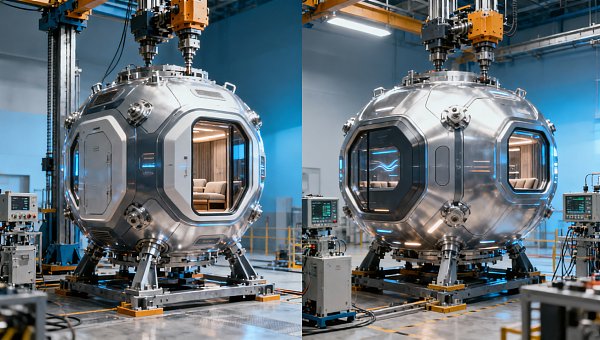
When a design update is introduced, even a minor geometry or material shift can cause a space capsule structural fatigue test to fail unexpectedly. For tourism architects, procurement teams, and hospitality benchmarking professionals evaluating prefab glamping, amusement hardware, or smart hotel IoT systems, understanding these failure mechanisms is critical to verifying durability, compliance, and long-term investment value.
Why do fatigue tests fail after design changes?

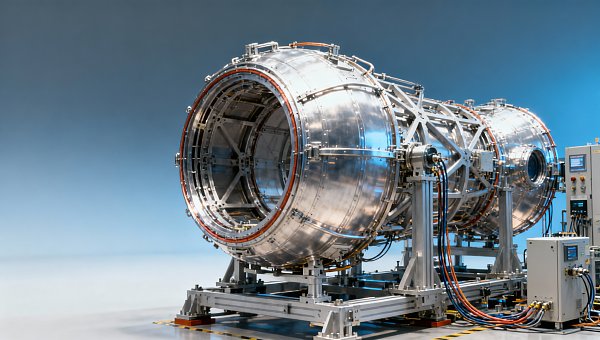
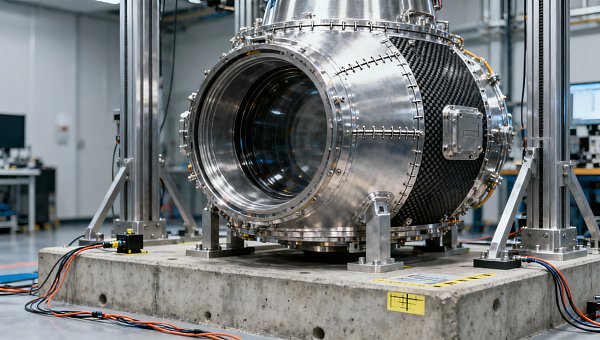
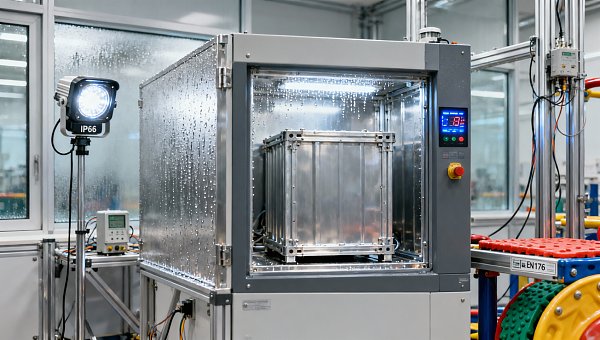
A structural fatigue test is not only checking whether a shell, frame, bracket, or joint can survive repeated loading. It is checking whether the load path remains stable after thousands, sometimes tens of thousands, of cycles. When a design team changes curvature, wall thickness, weld location, fastener spacing, or material grade, the stress distribution often shifts faster than expected. A part that looked safe in static analysis can become the first failure point in cyclic loading.
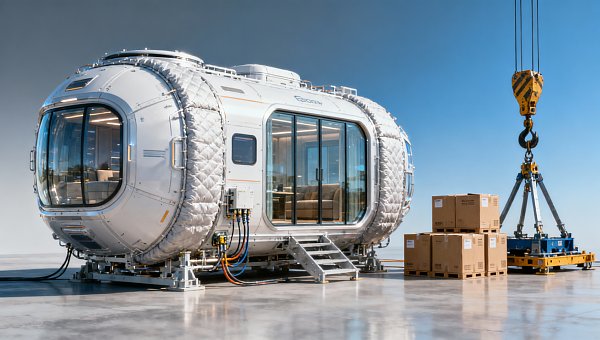
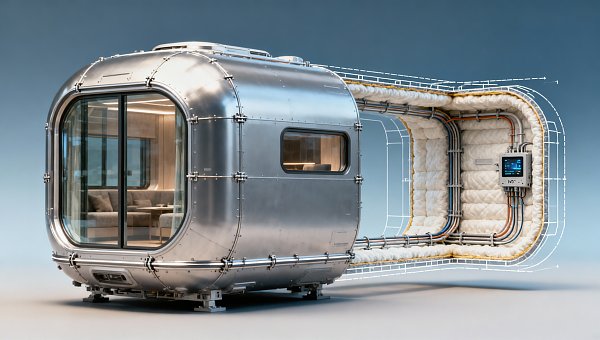
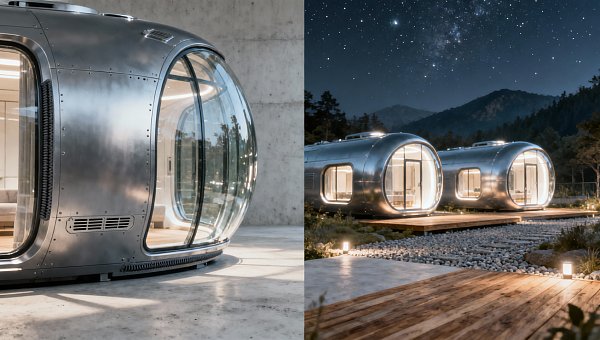
In tourism infrastructure, this matters well beyond aerospace terminology. A so-called space capsule unit used in glamping resorts, modular hotels, observation pods, ride enclosures, or premium scenic cabins may face vibration during transport, thermal expansion during daily use, occupant load changes, wind exposure, and repeated opening and closing of access systems. A design change that improves appearance, reduces cost, or simplifies assembly may reduce fatigue life from an acceptable service range to an unqualified one.
Most failures after redesign happen in 3 broad stages: early crack initiation, accelerated crack growth, and functional instability. Early crack initiation may appear at heat-affected zones, sharp transitions, cutouts, bonded interfaces, or mounting points. Once crack growth begins, even a small mismatch such as ±0.5 mm in assembly tolerance or an unverified material substitution can amplify local stress concentration. Functional instability follows when doors misalign, support ribs deform, or sensor housings lose calibration.
For procurement and commercial evaluation teams, the key lesson is simple: design changes should never be treated as purely cosmetic. In modular tourism hardware, every revised radius, reinforcement pattern, insulation layer, and attachment detail may require a new fatigue validation plan. TVM approaches this through engineering metrics rather than presentation claims, helping buyers distinguish between a revised drawing and a verified structural upgrade.
Common triggers that invalidate prior fatigue assumptions
The most common trigger is geometry change. A modified corner radius, window opening, hatch frame, or shell-to-base transition can create a new stress riser. In repeated loading, these regions concentrate strain every cycle. Even when the total load remains unchanged, local peak stress can rise enough to shorten service life dramatically.
The second trigger is material substitution. Suppliers may shift from one aluminum alloy, steel grade, composite layup, or adhesive system to another because of cost, lead time, or manufacturability. If the new material has different fatigue endurance, elastic modulus, thermal expansion behavior, or weld compatibility, the previous test result no longer represents the updated design.
The third trigger is process variation. Changes in welding sequence, curing cycle, bolt torque, fixture alignment, or surface treatment can alter residual stress and interface behavior. In field-deployed tourism assets expected to operate across 5–15 years, these details affect whether the structure retains integrity under daily cycles, transport cycles, and seasonal environmental cycling.
- Geometry revisions: cutouts, corners, frame spacing, reinforcement removal, thinner transitions.
- Material revisions: alloy change, composite orientation shift, adhesive replacement, coating addition.
- Process revisions: welding order, fastening torque, bonding temperature, machining tolerance.
- Load revisions: heavier interiors, new HVAC units, smart IoT modules, added glazing, transport fixture changes.
Which design changes create the highest fatigue risk in tourism hardware procurement?
Buyers rarely review redesigns from a fatigue standpoint unless a supplier explicitly raises the issue. Yet in tourism projects, space capsule structures are frequently customized for local climate, room layout, branding, transport limits, and utility integration. This means procurement teams often compare Version A and Version B based on price, delivery, and appearance while missing the fact that Version B introduced a higher cyclic stress profile.
The highest-risk changes usually involve load-bearing transitions, interfaces, and attachment zones. Examples include adding panoramic glazing, relocating doors, reducing frame depth to gain interior volume, integrating rooftop equipment, or reworking the support chassis for different transport requirements. These changes may improve usability but require renewed verification under realistic cyclic conditions such as vibration, repeated occupancy load, and thermal expansion over day-night ranges.
For commercial evaluators, the safest approach is to classify changes into 4 categories: non-structural cosmetic changes, secondary structural changes, primary load path changes, and system integration changes. The last 3 categories often justify at least partial retesting. In many projects, the difference between a reliable tourism asset and an early maintenance issue is not the headline material, but the revised joint and interface details.
The table below helps procurement teams identify whether a change is likely to require fresh fatigue assessment before approving production, distribution, or project installation.
The practical takeaway is that procurement review should follow engineering impact, not drawing revision count. A single cutout relocation may matter more than 10 cosmetic edits. TVM helps buyers translate such changes into measurable test questions, which is essential when comparing suppliers across modular lodging, scenic installations, ride hardware, and smart hospitality equipment.
What buyers should ask before approving a redesigned unit
Ask whether the change affects stiffness, mass distribution, attachment details, or thermal movement. If the answer is yes, prior fatigue data may be only partially transferable. Also ask whether the supplier changed tooling, weld sequence, adhesive, or fixture controls. These process shifts can alter real fatigue behavior even when the CAD model looks nearly identical.
For multi-site tourism developments, request verification over a practical environmental range such as coastal humidity, mountain temperature swings, or transport vibration before installation. A unit may pass one loading profile in the lab yet still underperform after repeated shipment, crane lifting, and seasonal expansion cycles in the field.
A fast 5-point screening checklist
- Did any opening, corner radius, or shell transition change?
- Did material grade, thickness, or joining method change?
- Did accessory weight increase by a noticeable amount?
- Did transport, lifting, or support conditions change?
- Is the supplier relying on old test data for a new configuration?
How should fatigue testing be re-scoped after a redesign?
After a design change, the right question is not whether to retest everything from zero. The right question is how to re-scope efficiently. In most B2B procurement settings, especially where schedules are tight, the optimal approach combines document review, load-path mapping, critical location identification, and targeted fatigue validation. This often takes 2–4 stages depending on design complexity and whether the unit is a cabin shell, support platform, ride enclosure, or integrated hospitality module.
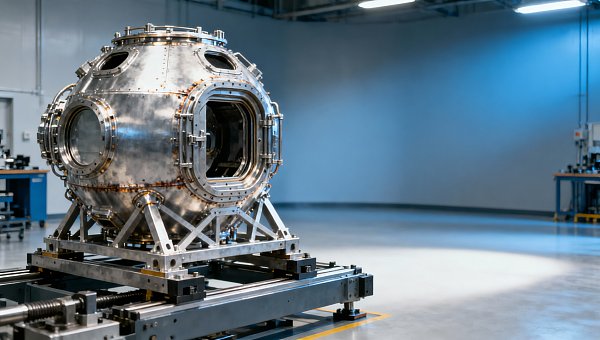
A strong re-scope process starts by identifying all modified features and their structural relevance. Then the team compares the old load path with the revised one. If a redesign changed boundary conditions, support spacing, or mounted equipment, test fixtures should also be updated. One of the most common reasons a space capsule structural fatigue test fails after design changes is that the test setup still reflects the old architecture, producing misleading pass-fail outcomes.
For procurement teams, the goal is practical confidence rather than laboratory perfection. A targeted plan should define 3 categories of evidence: material and process confirmation, simulation-to-test correlation, and cyclic test coverage for the highest-risk joints. This gives buyers a decision basis for factory approval, phased rollout, or limited pilot deployment.
The following table outlines a workable revalidation framework that suits modular tourism assets and related engineered hospitality hardware.
This staged method is useful because not every redesign needs a full repeat campaign, yet every meaningful structural change needs traceable justification. For distributors and agents, this also reduces commercial risk. It provides defensible documentation when presenting revised products to resort developers, hotel groups, scenic operators, or public procurement stakeholders.
Key technical points often missed in retesting
First, loading spectrum matters. Repeated occupant loads, road transport vibration, installation lifts, door actuation, and thermal cycling should be separated or combined intentionally. Second, inspection intervals matter. If the test only checks final survival without intermediate crack inspection every defined cycle block, early warning signs may be missed.
Third, acceptance criteria should include both structural and functional outcomes. A unit that remains standing but develops seal failure, panel misalignment, or mounting looseness may still be unacceptable for hospitality use. For tourism projects, serviceability is often as important as ultimate strength because guest comfort and maintenance workload directly affect operating returns.
What standards, compliance checks, and procurement signals matter most?
There is no single universal rule that covers every space capsule structural fatigue test across every tourism application. However, procurement teams can still use a disciplined compliance framework. Start with generally recognized engineering references for metallic structures, welded assemblies, mechanical testing, environmental durability, and material traceability. Then align these with the actual use case: static lodging, transportable modular units, scenic observation pods, amusement interfaces, or equipment enclosures.
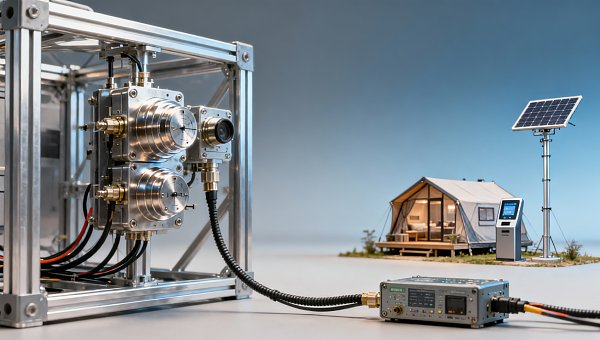
For example, a glamping capsule deployed in coastal or desert conditions should not be reviewed only for fatigue. It should also be checked for corrosion exposure, seal durability, thermal movement, and compatibility between shell materials and internal mounting systems. If the structure supports smart hotel devices or integrated AI hardware, cable routing and mounting brackets may introduce new local loads, especially under repeated maintenance access.
In practical sourcing, there are 6 useful compliance signals: traceable revision history, material batch documentation, weld or bond process records, test fixture description, inspection interval records, and corrective action closure. These are often more decision-relevant than polished brochures. TVM’s role as an independent benchmarking laboratory is to convert such fragmented engineering records into comparable decision documents for global tourism buyers.
A supplier does not need to claim impossible certainty. What matters is whether the fatigue evidence matches the revised product, the intended installation environment, and the promised service window. In many projects, a reasonable benchmark may involve planned review at 6-month, 12-month, and annual intervals after deployment, especially for newly revised structures entering international markets.
Procurement signals that indicate a stronger supplier response
- The supplier can show which exact revision was tested, rather than referencing a legacy prototype.
- Material and joining records correspond to the tested sample rather than a general product family.
- Inspection records include crack-prone areas such as weld toes, cutout edges, mounts, and bonded seams.
- The fatigue result is discussed together with corrosion, transport, and environmental durability considerations.
Common misconceptions in cross-border sourcing
One misconception is that a thicker wall always improves fatigue life. If stiffness changes push more load into a nearby joint, fatigue performance may worsen locally. Another misconception is that a successful static load test can stand in for a cyclic test. It cannot. Static qualification and fatigue durability answer different procurement questions.
A third misconception is that small-batch pilot success guarantees scale-up reliability. Once production moves from a few units to medium-volume output, tooling wear, operator variation, and supply substitutions may alter fatigue behavior. This is why distributors and project developers benefit from independent benchmarking before committing to volume contracts.
FAQ for buyers, evaluators, and distribution partners
How do I know whether a design change requires a new fatigue test?
If the change affects load path, stiffness, mass distribution, joints, cutouts, supports, or material behavior, it usually requires at least a targeted reassessment. Cosmetic panel changes may not require full retesting, but any revision involving structural interfaces, mounting brackets, glazing openings, or transport support points should trigger review. As a practical rule, if 1 of the 5 screening questions above is answered with a meaningful yes, ask for engineering justification before approving procurement.
What should distributors request from manufacturers before resale?
Request the tested revision number, material list, joining method summary, fatigue test scope, inspection locations, and any known limitations tied to climate or transport conditions. Also ask whether the production version matches the tested sample. For resale into hospitality projects, these details help reduce after-sales disputes and improve confidence during tender evaluation.
Does fatigue risk only apply to shell structures?
No. Fatigue risk also affects mounting frames, roof equipment brackets, fold-out features, access stairs, internal equipment supports, ride housings, and IoT hardware racks. In tourism environments, repeated service access, transport vibration, thermal cycling, and guest interaction all create cumulative loading. The shell may be the most visible component, but secondary structures often fail first.
What is a realistic review timeline for a redesign?
A focused engineering review may take 7–15 days when documentation is complete. A broader reassessment with fixture updates, targeted cyclic testing, and report consolidation often takes several weeks depending on sample readiness and test complexity. For procurement planning, it is wise to separate commercial lead time from verification lead time rather than assuming both move at the same speed.
Why work with TVM before approving a revised structure?
TerraVista Metrics focuses on one issue that many global tourism buyers struggle with: turning technical claims into comparable engineering evidence. In hospitality and tourism hardware procurement, design changes are often presented as upgrades in aesthetics, efficiency, or manufacturability. Our role is to determine whether those revisions also preserve durability, carbon-conscious design intent, and system compatibility in real deployment conditions.
We support information researchers, procurement officers, business evaluators, and channel partners by filtering redesign risk into decision-ready outputs. That may include parameter confirmation, fatigue risk mapping, revision comparison, environmental suitability review, and whitepaper-style benchmarking that translates Chinese manufacturing capability into a form usable by international developers and hotel procurement teams.
If you are reviewing a redesigned prefab capsule, modular guest unit, amusement enclosure, or smart hospitality hardware structure, contact TVM to discuss 4 practical topics: which parameters changed, whether old fatigue data still applies, what validation scope is reasonable, and how the revised design affects procurement timing, sample evaluation, certification planning, and quotation decisions.
You can consult us for drawing-based screening, supplier comparison, custom benchmarking, delivery-risk assessment, test evidence review, or support in defining a more reliable sourcing checklist. This is especially useful when you need to compare multiple factories, validate a new distributor product line, or approve a project-critical structure without relying on marketing language alone.
Recommended News
 Oct 18, 20262026 Asian Tourism Equipment Expo Closes with Focus on Pod Lodging and Smart Controls2026 Asian Tourism Equipment Expo highlights pod lodging, luxury tents and smart controls. Explore what resort buyers should assess for compatibility, sustainability and guest comfort.
 May 28, 2026What sets a strong Space Capsules manufacturer apart?Space Capsules manufacturer evaluation starts with data, not claims. Learn what defines a reliable partner in structure, compliance, durability, and long-term project value.
 May 28, 2026Are Space Capsules for tourism worth the hype in 2026?Space Capsules for tourism in 2026: are they truly worth the hype? Explore comfort, price, smart features, and sustainability before you book.
 Apr 21, 2026Wholesale Prefab Space Capsule: Where Quality Gaps Show UpWholesale prefab space capsule sourcing explained: compare prefab cabin thermal conductivity benchmark, modular hotel manufacturer China quality, smart hotel room controller supplier fit, and Cableway Tech insights.
 Apr 28, 2026How to Read a Structural Fatigue Test ReportLearn how to read a structural fatigue test report for eco-friendly cabins, smart hotel IoT, and amusement hardware. Compare durability, compliance, and modular building wind load resistance with confidence.
 Apr 28, 2026Why Space Capsule Fatigue Tests MatterSpace capsule structural fatigue test insights for eco-friendly cabins in the hospitality ecosystem—help tourism architects and buyers benchmark durability, safety, and lifecycle ROI.
 Apr 20, 2026Wholesale prefab space capsule costs beyond the unit priceWholesale prefab space capsule costs go beyond unit price—compare prefab cabin thermal conductivity benchmark, smart controls, logistics, compliance, and lifecycle ROI before you buy.
 Apr 20, 2026Wholesale prefab space capsule sizes that sell best in 2026Wholesale prefab space capsule sizes that sell best in 2026: compare top-selling 26–32 m² models, prefab cabin thermal conductivity benchmark data, and smart hotel-ready specs for faster sourcing.
 Apr 20, 2026What a Space Capsule Structural Fatigue Test Reveals Before LaunchSpace capsule structural fatigue test insights for hospitality benchmarking, prefab glamping, smart hotel IoT, and amusement hardware—helping tourism architects compare durability, safety, and supplier fit before launch.
 Apr 20, 2026Why Space Capsule Structural Fatigue Tests Fail After Design ChangesSpace capsule structural fatigue test insights for hospitality benchmarking, prefab glamping, smart hotel IoT, tourism architects, and playground safety standards EN1176 buyers.
 Apr 19, 2026Space Capsules Designed for Desert Climates Often Underperform in Humid ZonesGlamping Tents, Space Capsules & eco-friendly cabins underperform in humidity—discover hygrothermal benchmarks for Glamping Tents, RV accessories wholesale, and smart hotel systems.
 Apr 19, 2026Space Capsules vs. Modular Cabins: Where Do Real ROI Gains Start?Glamping Tents, Space Capsules & eco-friendly cabins—discover where real ROI begins. Kinetic Art, smart hotel systems, high-end furniture & RV accessories wholesale—benchmarked, not branded.
 Apr 15, 2026Wholesale Prefab Space Capsule: What Happens to Thermal Bridging at Joint Interfaces?Wholesale prefab space capsule thermal performance decoded—critical for eco-friendly hotel amenities manufacturers, smart hotel room controller suppliers & modular hotel manufacturer China partners. Get TVM’s joint-integrity insights now!
 Apr 15, 2026Wholesale Prefab Space Capsule: Are Structural Certifications Valid Outside the EU?Wholesale prefab space capsule? Discover if EU structural certifications hold globally—critical for eco-friendly hotel amenities manufacturers, modular hotel OEMs & smart room controller suppliers.
 Apr 18, 2026Space capsules pitched as turnkey hospitality units—what’s missing from the spec sheet?Premium Camping meets smart hospitality—yet RV components, prefab units & yacht tech often lack verified data throughput, eco-textiles, and carbon compliance. Discover what’s missing.
 Apr 17, 2026Space capsule structural fatigue test protocols still rely on static loads — not orbital vibration spectraSpace capsule structural fatigue test protocols overlook orbital vibration—exposing risks in tourism hardware, prefab cabin thermal conductivity, RV battery cycle life, and B1 fire retardant fabric standards. Discover TVM’s spectral benchmarking.
 Apr 16, 2026Space capsule structural fatigue test data rarely reflects long-duration mission stress profilesSpace capsule structural fatigue test data falls short for tourism hardware—discover real-world benchmarks for hotel automation PCBs, outdoor lighting IP ratings, EN1176 playground safety & more.
 Apr 16, 2026Engineering metrics for space capsules rarely include real-world payload vibration toleranceEngineering metrics meet real-world resilience: Discover how vibration tolerance transforms RV accessories wholesale, glamping units, hotel IoT, and eco-friendly cabins—backed by TerraVista’s field-proven VRI scoring.
 Apr 14, 2026System integration for space capsules: Why legacy HVAC protocols break down under remote monitoringSystem integration for space capsules, Glamping Tents & prefab cabins—benchmarking smart hotel HVAC against legacy failures. Discover why MQTT/JSON beats BACnet for sustainable tourism & smart lighting control.
 Apr 14, 2026Space capsules marketed as ‘luxury’—but do they meet real-world fire safety or acoustic standards?Space Capsules, benchmarking, smart hotel & glamping tents—do they meet fire safety, acoustic, and system integration standards? Get engineering-grade validation for sustainable tourism and prefab cabins.
{item.publish_time}{item.title}{item.description}Quarterly Executive Summaries Delivered Directly.
Join 50,000+ industry leaders who receive our proprietary market analysis and policy outlooks before they hit the public library.