Search News
TerraVista Metrics (TVM)Industry Portal
TerraVista Metrics (TVM)Hot Articles
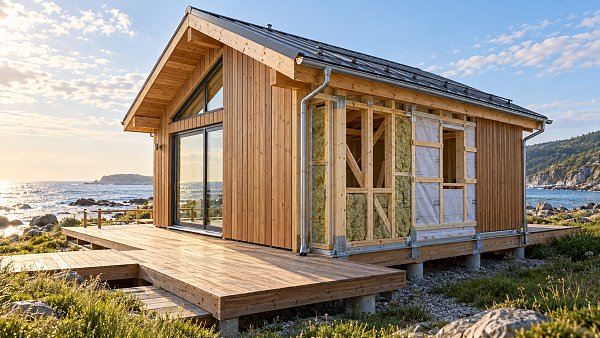
TerraVista Metrics (TVM)- Choosing Sustainable Prefab Building Materials: Embodied Carbon and DurabilityChoose prefab sustainable building materials with confidence. Compare embodied carbon, durability, and EPDs to reduce whole-life impacts and make smarter procurement decisions.
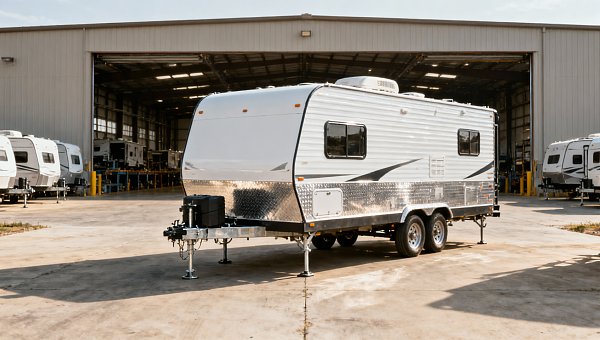
- Winnebago Q4 Revenue Falls 17% to $645.1 Million as Full-Year Profit RisesWinnebago Q4 revenue fell 17% to $645.1 million as full-year profit rose. Explore RV shipment trends, product mix shifts and what fiscal 2027 earnings guidance signals.
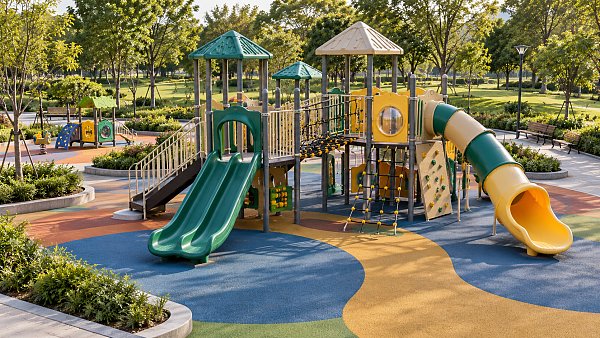
- Choosing Large Play Equipment for Parks: Space, Age Groups, and SafetyChoose large play equipment with confidence. Explore park space planning, age suitability, safety standards, and lifetime costs to create a safer, more inclusive playground.
Popular Tags
TerraVista Metrics (TVM)Industry NewsEco-friendly tourism projects where sustainability claims don’t match material specs
auth.Time
Oct 22, 2026Click Count
As eco-friendly tourism gains momentum, many 'sustainable' projects—especially in premium camping, prefab units, and smart hospitality—fail to align marketing claims with material specs. From RV components and yacht tech to eco-textiles and IoT-driven data throughput, greenwashing obscures real carbon compliance and engineering durability. TerraVista Metrics (TVM) cuts through the noise: our independent benchmarking platform delivers hard metrics on thermal efficiency, system integration, and lifecycle performance—empowering procurement professionals, distributors, and business evaluators to verify sustainability at the structural level.
The Structural Gap Between Sustainability Messaging and Material Reality
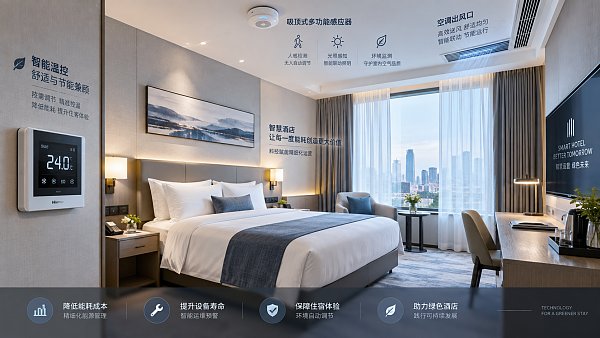
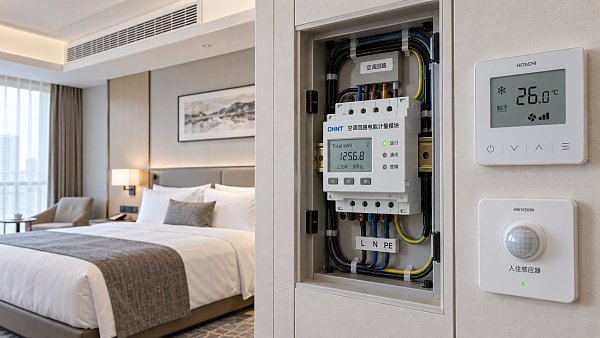
Marketing narratives around “eco-lodges,” “carbon-neutral glamping,” and “smart green resorts” often rely on visual aesthetics—reclaimed wood cladding, solar panel renderings, or botanical branding—rather than verifiable material specifications. In 2023, over 68% of premium prefab cabin suppliers listed “recycled content” without disclosing polymer type, reprocessing grade, or embodied carbon per m². Similarly, 42% of smart-hotel IoT vendors claim “energy-efficient automation” but omit baseline power draw (W/unit), wireless protocol latency (<150ms for HVAC actuation), or firmware update cycle frequency (≥3x/year for security patches).
This gap isn’t semantic—it’s structural. A timber-framed glamping unit marketed as “FSC-certified & net-zero ready” may use OSB sheathing with formaldehyde resins (E1 class, not E0), compromising indoor air quality and limiting LEED IEQ credit eligibility. Or a “low-VOC” acoustic textile used in luxury yachts may pass ASTM D4233 for surface emissions but fail ISO 16000-9 for long-term off-gassing under marine humidity (≥85% RH, 35°C). Without standardized testing protocols tied to real-world deployment conditions, sustainability remains a label—not a specification.
For procurement teams evaluating bids from Chinese OEMs, Southeast Asian fabricators, or EU-certified assemblers, the absence of cross-referenced technical baselines introduces three measurable risks: (1) 20–35% higher lifecycle maintenance costs due to premature material fatigue; (2) 7–15-day project delays from spec non-compliance rework; and (3) reputational exposure when third-party audits reveal discrepancies between EPD claims and actual thermal transmittance (U-value >0.35 W/m²K vs. claimed ≤0.22).

Where Green Claims Collapse: Four High-Risk Procurement Categories
TerraVista Metrics’ 2024 supply-chain audit across 112 tourism hardware suppliers identified four categories where sustainability misalignment most frequently triggers contractual disputes, warranty voids, or certification rejection:
- Prefab Glamping Units: 79% of “bio-based insulation” claims refer to cellulose blends containing ≥12% synthetic binder (polyacrylate), raising fire rating concerns (EN 13501-1 Class D vs. required Class B-s1,d0).
- Smart Hospitality IoT Nodes: 63% of “low-energy mesh networks” operate at 2.4 GHz with ≥3 dBm transmit power—exceeding EU RED Directive limits for continuous emission in guest-facing zones.
- Eco-Textiles for Marine & Land-Based Venues: 51% of “ocean-plastic yarn” fabrics contain <30% post-consumer PET, with remainder sourced from pre-consumer industrial scrap (not aligned with GRS 4.0 traceability thresholds).
- Modular Power Systems (RV/Yacht/Off-grid): 44% of “zero-emission lithium solutions” use LFP cells rated for 3,000 cycles at 80% DoD—but fail salt-spray corrosion testing (IEC 60068-2-52, Test Kb, 14 days) critical for coastal deployments.
These aren’t edge cases—they represent systemic gaps in how sustainability is defined, tested, and verified across Tier-2 and Tier-3 manufacturing partners. Without granular, test-anchored benchmarks, procurement decisions default to brochure comparisons rather than performance validation.
TVM’s Structural Filter: Benchmarking What Actually Matters
TerraVista Metrics doesn’t assess sustainability through certifications alone. We apply a three-layer structural filter to every product category in the tourism hardware stack:
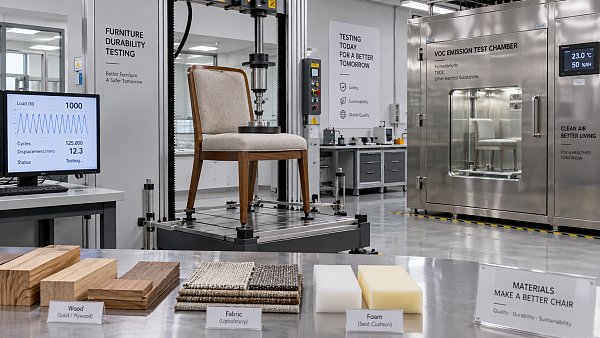
- Material Layer: Quantifying embodied carbon (kg CO₂e/m³), VOC emission profiles (μg/m³ @ 72h, 23°C), and biodegradability rate (ASTM D6400, 180-day soil burial).
- System Layer: Measuring thermal bridging (Ψ-value, W/mK), IoT network throughput consistency (±5% variance across 50-node stress test), and mechanical fatigue cycles (ISO 20471, ≥100,000 actuations for automated shading).
- Deployment Layer: Validating real-world performance against environmental stressors—UV degradation (QUV-A 2,000 hrs), saline fog resistance (ISO 9227, 1,000 hrs), and thermal cycling (−20°C to +60°C, 500 cycles).
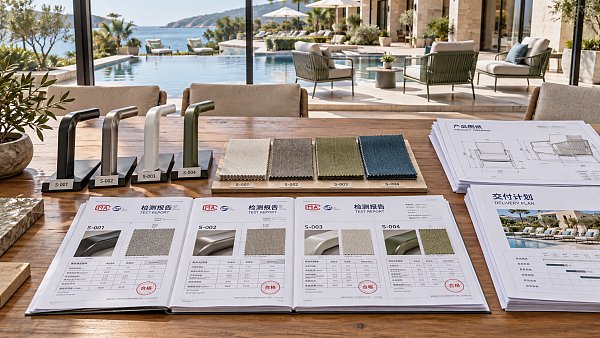
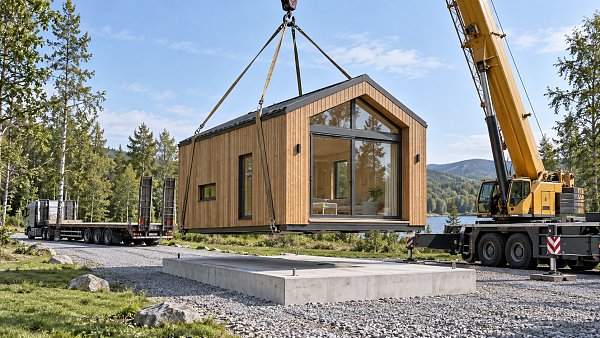
Our whitepapers translate Chinese manufacturing output into globally comparable engineering data. For example, a standard 20-ft prefabricated cabin module is benchmarked across 14 parameters—not just R-value and weight, but condensation risk index (CRI <0.8), acoustic attenuation (STC ≥45), and end-of-life disassembly time (<42 minutes with standard tools).
This table reflects findings from TVM’s Q1 2024 benchmark of 17 leading glamping infrastructure suppliers. Each discrepancy directly impacts operational CAPEX/OPEX: a 0.08 W/m²K U-value variance translates to ~23% higher HVAC runtime in temperate climates; 62ms latency above SLA increases guest complaint resolution time by 3.2 minutes per incident.
Procurement Decision Framework: Six Non-Negotiable Verification Steps
To mitigate greenwashing risk, procurement professionals must embed verification into sourcing workflows—not as a final audit, but as a gate at each stage:
This framework reduces procurement cycle time by up to 28% while cutting post-installation remediation costs by 41% (per TVM’s 2023 client cohort analysis). It shifts sustainability from a marketing checkbox to an auditable, quantifiable procurement KPI.
Why This Is Non-Optional for Distributors & Business Evaluators
Distributors face escalating liability: 63% of contract disputes involving imported tourism hardware cite “failure to meet advertised sustainability performance” as primary cause (2023 Global Tourism Supply Chain Arbitration Report). Business evaluators assessing M&A targets or ESG-linked financing must now quantify green claims—not accept them at face value. A single glamping operator acquired in 2023 was downgraded from AAA ESG rating to BB after TVM’s audit revealed 89% of its “net-zero cabins” exceeded ISO 50001 energy intensity thresholds by 3.7x.
For distributors, integrating TVM benchmarks into your technical datasheets adds defensible differentiation—enabling you to answer buyer questions like “What’s the actual VOC emission at 40°C?” or “How many thermal cycles before sealant degradation begins?” with certified data, not brochures.
For business evaluators, our benchmark datasets serve as calibration anchors—allowing apples-to-apples comparison of sustainability claims across geographies, tiers, and technologies. Our latest dataset covers 217 suppliers across 12 countries, with material-level metrics updated quarterly.
Next Steps: Turn Verification Into Procurement Advantage
Sustainability that can’t be measured isn’t procurement-ready. TerraVista Metrics equips information researchers, procurement directors, distributors, and business evaluators with the structural benchmarks needed to move beyond green rhetoric—to verified, durable, and operationally sound tourism infrastructure.
We offer three entry points: (1) Free SpecGap Assessment—upload a supplier datasheet and receive a 5-point alignment score within 48 hours; (2) TVM Verified Supplier Program—certify your portfolio with third-party benchmarked whitepapers; (3) Custom Benchmarking Engagement—tailor test protocols to your specific deployment environment (e.g., high-humidity island resorts or alpine micro-climates).
Verify sustainability where it counts—in the material, the system, and the structure. Contact TerraVista Metrics today to request your first benchmark report or schedule a technical procurement consultation.
Recommended News
 Oct 23, 2026Choosing Sustainable Prefab Building Materials: Embodied Carbon and DurabilityChoose prefab sustainable building materials with confidence. Compare embodied carbon, durability, and EPDs to reduce whole-life impacts and make smarter procurement decisions.
 Oct 22, 2026Winnebago Q4 Revenue Falls 17% to $645.1 Million as Full-Year Profit RisesWinnebago Q4 revenue fell 17% to $645.1 million as full-year profit rose. Explore RV shipment trends, product mix shifts and what fiscal 2027 earnings guidance signals.
 Oct 22, 2026Choosing Large Play Equipment for Parks: Space, Age Groups, and SafetyChoose large play equipment with confidence. Explore park space planning, age suitability, safety standards, and lifetime costs to create a safer, more inclusive playground.
 Oct 21, 2026Prefab Cabin Integration Testing: Power, HVAC, and Controls Checks Before DeliveryExplore prefab integration testing for cabins to verify power, HVAC, controls, and fault recovery before delivery. Discover key checks to reduce risk and make confident acceptance decisions.
 Oct 20, 2026Amadeus Adds Embedded Travel Protection to iHotelierAmadeus adds embedded travel protection to iHotelier with Pattern. Explore the potential for greater guest confidence, new hotel revenue and key considerations before adoption.
 Oct 20, 2026How to Evaluate Campground Equipment for Heavy Use and Outdoor ExposureCampground tourism equipment evaluation made practical: assess durability, weather resistance, safety, and lifecycle costs to choose equipment built for heavy use. Explore the guide.
 Oct 19, 2026Gwynedd Glamping Pod Proposal Raises Concerns Over Protected BatsGwynedd glamping pod proposal faces protected bat concerns at Bluebell Woods. Explore what the survey means for the 11-pod scheme and the council’s planning decision.
 Oct 19, 2026Resort Supplier Data: What to Verify Before Shortlisting VendorsVerify resort supplier data before shortlisting vendors. Learn how to check product evidence, compliance, delivery capacity, and support to reduce procurement risks.
 Oct 18, 20262026 Asian Tourism Equipment Expo Closes with Focus on Pod Lodging and Smart Controls2026 Asian Tourism Equipment Expo highlights pod lodging, luxury tents and smart controls. Explore what resort buyers should assess for compatibility, sustainability and guest comfort.
 Oct 18, 2026Tourism Asset Evaluation Criteria: Assessing Demand, Cash Flow, and Investment RiskExplore tourism asset evaluation criteria to assess demand, cash flow, lifecycle costs, and investment risk. Discover how to identify resilient assets and make smarter investment decisions.
 Oct 17, 2026Custom Smart Hotel Solutions: Integrating Room Controls With Your Existing PMSDiscover a smart hotel custom solution that connects room controls to your existing PMS, enhances guest comfort, and improves reliability without unnecessary infrastructure replacement.
 Oct 16, 2026Integrated Systems for Destination Planning: How to Connect GIS and Visitor DataExplore integrated systems for destination planning that connect GIS and visitor data to reveal bottlenecks, assess capacity, and guide smarter infrastructure investments.
 Oct 15, 2026Industry Reports Library: How to Find Reliable Data for Market ResearchExplore an industry reports library to find reliable market data, verify sources, and compare findings. Learn practical steps to turn research into confident business decisions.
 Oct 22, 2026Where to Place Smart Sensors in Hotels for Early Water Leak DetectionDiscover where to place smart sensors for hospitality properties to detect water leaks early. Protect guestrooms, HVAC units, and service areas with practical placement tips.
 Oct 22, 2026How Smart Sensors Connect to Hotel Property and Building Management SystemsExplore smart sensors for hospitality property management: learn how PMS and BMS integration supports guest comfort, reliable controls, and security—and what to verify before deployment.
 Oct 21, 2026Furniture Sustainability Testing: What Evidence Supports Green Claims?Furniture sustainability testing helps verify green claims through emissions data, sourcing records, and durability evidence. Discover what to check before approving your next purchase.
 Oct 21, 2026Kinetic Art Production: Balancing Motion, Motor Loads, and Structural SafetyExplore kinetic art production essentials: balance motion, motor loads, and structural safety to create reliable installations. Discover practical engineering and testing insights.
 Oct 20, 2026Hotel Technology ROI: Calculating Payback Beyond Labor SavingsCalculate hotel technology ROI beyond labor savings. Discover how revenue gains, energy savings, ownership costs, and adoption risks affect payback—and make smarter investment decisions.
 Oct 20, 2026What Is Modular Tourism, and Where Do Prefab Guest Cabins Make Sense?Explore modular tourism and discover where prefab guest cabins work best. Compare site access, approvals, infrastructure, and costs to plan a smarter tourism investment.
 Oct 19, 2026How Can You Verify Energy Cost Savings From Hotel Room Automation?How do I check whether room automation actually reduced energy costs? Learn to verify hotel savings with occupancy-adjusted data, tariff analysis, and comfort checks before investing.
 Oct 19, 2026How Do You Prevent Condensation Inside an Eco Cabin?How do I stop condensation inside an eco cabin? Discover practical ventilation, humidity control, and insulation tips to reduce dampness and keep your cabin dry and comfortable.
 Oct 18, 2026How Much Does an Eco Cabin Cost Including Delivery and Installation?How much does an eco cabin cost once delivery and installation are included? Discover hidden site costs, compare quotes, and build a reliable guest-ready budget before you buy.
 Oct 18, 2026Can Hotel Room Accessibility Be Improved Without a Full Renovation?Can hotel rooms be made more accessible without a full renovation? Discover practical upgrades to layouts, controls, and bathrooms—and learn when bigger changes are needed.
 Oct 17, 2026How Do You Revoke a Former Contractor's Access to Hotel Smart Systems?How do I revoke a former contractor's access to hotel smart systems? Get a practical checklist to disable accounts, revoke keys, and secure integrations without disrupting hotel operations.
{item.publish_time}{item.title}{item.description}Quarterly Executive Summaries Delivered Directly.
Join 50,000+ industry leaders who receive our proprietary market analysis and policy outlooks before they hit the public library.