Search News
TerraVista Metrics (TVM)Industry Portal
TerraVista Metrics (TVM)Hot Articles
TerraVista Metrics (TVM)- System Integration Testing for Device Integration: Key Interfaces and Failure RisksSystem integration testing device integration: identify critical interfaces, hidden failure risks, recovery gaps, and acceptance evidence before connected devices go live.
- Engineering Performance Testing Trends Reshaping Product Validation WorkflowsEngineering performance testing trend analysis reveals how assembly validation, realistic environmental loads, and digital resilience improve product reliability and reduce field failures.
- How to Use Practical Industry Reports to Identify Market Risks and Growth OpportunitiesPractical industry reports help uncover market risks, validate supplier claims, and identify growth opportunities before capital is committed.
Popular Tags
TerraVista Metrics (TVM)Industry NewsWhy Quality Control Systems Fail Even With Good Data
auth.Time
Sep 13, 2026Click Count
Even the most advanced quality control systems can fail when good data is misunderstood, poorly integrated, or disconnected from real operational risks. For quality and safety managers in complex industries, the issue is rarely data volume—it is whether metrics truly reflect durability, compliance, and system performance. Understanding why these failures happen is the first step toward building controls that prevent costly errors before they reach the field.
What quality control systems are really supposed to do
In principle, quality control systems are designed to reduce uncertainty. They translate inspections, test results, supplier records, sensor outputs, maintenance logs, and compliance checks into decisions that protect performance and safety. In practice, however, many organizations mistake data collection for control. A dashboard can look complete while the underlying system remains blind to actual failure modes.
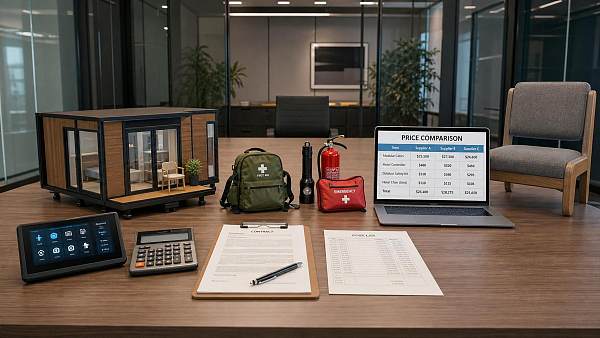
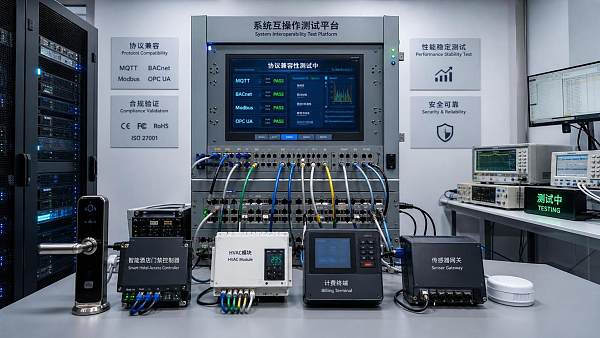
For quality professionals and safety managers, this distinction matters. A functioning control system is not simply one that gathers accurate numbers. It is one that links those numbers to engineering reality, operational context, and decision thresholds. If thermal efficiency data for prefab tourism cabins is captured under ideal conditions but not under seasonal load swings, the data may be technically correct and still operationally misleading. The same is true for hotel IoT infrastructure, AI-assisted guest systems, amusement equipment, and other tourism hardware where integration quality determines final performance.
This is why the failure of quality control systems often surprises management. The data may be clean, timely, and statistically valid, yet the system still fails to detect durability gaps, compliance drift, or interface instability. Good data is necessary, but it is never sufficient by itself.
Why this issue matters across the tourism and hospitality supply chain
The tourism industry is no longer defined only by service interactions. It now depends on physical assets and digital infrastructure that must perform reliably in real operating conditions. Eco-friendly prefabricated cabins must sustain thermal loads, moisture exposure, and transport stress. Smart hotel systems must maintain data throughput, cybersecurity integrity, and device compatibility. Premium recreational hardware must withstand repetitive use, environmental fatigue, and strict safety expectations.
In this environment, quality control systems support more than product acceptance. They influence procurement confidence, insurance risk, maintenance planning, ESG reporting, and guest safety outcomes. A weak control model can allow nonconforming materials, unstable software integrations, or overstated sustainability claims to pass initial review. The result is often delayed project delivery, field rework, compliance exposure, or damage to brand trust.
Organizations such as TerraVista Metrics (TVM) respond to this challenge by translating supplier claims into raw engineering metrics. That approach is increasingly important because tourism buyers need evidence that goes beyond appearance, branding, and broad specification sheets. They need measurable proof of durability, carbon compliance, and interoperability.
Why quality control systems fail even when the data looks good
Most failures do not begin with fake data or obvious negligence. They begin with structural weaknesses in how data is selected, interpreted, and acted upon. Below are the most common reasons quality control systems break down despite apparently strong information inputs.
Metrics are accurate but not decision-relevant
A system may track what is easy to measure instead of what actually predicts failure. For example, counting defect rates in final assembly may tell little about hidden material fatigue in load-bearing tourism structures. Likewise, a hotel technology vendor may report strong lab throughput, while the real issue is network instability after multi-system integration on site.
Data is fragmented across departments
Procurement, engineering, operations, sustainability, and safety teams often maintain different records with different priorities. Quality control systems fail when no one consolidates these views into a single risk picture. A component may pass technical review, for instance, while failing long-term maintenance expectations or carbon documentation requirements.
Thresholds are static while risk conditions are dynamic
Many control plans rely on fixed acceptance criteria even when the operating environment changes. Seasonal occupancy levels, humidity, off-grid energy loads, transportation shocks, and software updates can all alter the risk profile. If quality control systems do not adapt, “passing” data may no longer mean acceptable risk.
Teams confuse compliance with performance
Certification and standards are essential, but they do not guarantee suitability for every application. A product can meet a regulatory minimum and still underperform in demanding field conditions. This is common in tourism infrastructure, where aesthetic design, remote locations, and heavy guest usage create stresses not fully reflected in generic test documents.
Root causes are hidden by summary dashboards
Executive dashboards often aggregate defects, uptime, or pass rates into simple trends. While useful for reporting, this can mask the specific mechanism of failure. A stable average can hide intermittent integration faults, supplier variability, or fatigue accumulation that only appears under repeated cycles.
Feedback from the field never returns to the control loop
One of the most serious weaknesses in quality control systems is the absence of field validation. Products may pass factory inspection but behave differently after transportation, installation, weather exposure, or user interaction. If post-installation incidents are not linked back to qualification criteria, the same blind spot persists across future projects.
A practical overview of failure points
For quality and safety managers, it helps to identify where quality control systems most often separate from operational truth. The table below summarizes typical failure patterns in complex hospitality and tourism environments.
Where quality control systems create the most value when designed well
When properly structured, quality control systems do more than reduce defects. They create a common language between procurement, engineering, safety, and operations. This matters especially in industries where equipment is technical, site conditions vary, and failures have both financial and reputational impact.
For tourism developers, good controls help validate whether a modular cabin, energy system, or entertainment asset will actually perform in the intended environment. For hotel procurement directors, they improve confidence that integrated AI and IoT systems will function across vendors, not just in isolated demonstrations. For safety managers, they strengthen traceability between inspection criteria and field risk. For owners and operators, they reduce life-cycle uncertainty by linking acceptance decisions to measurable service performance.
The broader business value includes fewer warranty disputes, stronger documentation for insurers and regulators, more predictable maintenance planning, and clearer evidence for sustainability claims. In short, effective quality control systems turn technical evidence into operational confidence.
Key application categories for quality and safety managers
Not every asset should be controlled in the same way. Quality control systems are most reliable when the control logic reflects the risk profile of each application category.
How to strengthen quality control systems in real operations
The goal is not to collect more data for its own sake. The goal is to make quality control systems more predictive, more connected, and more responsive to actual use conditions. Several practical improvements can make a significant difference.
First, define control metrics around failure mechanisms, not reporting convenience. If the main risk is thermal loss, corrosion, interface latency, or fatigue accumulation, then the measurement strategy should mirror those mechanisms directly. Second, align procurement data with engineering validation and field feedback. A product is not fully qualified until the organization understands how factory results compare with site outcomes.
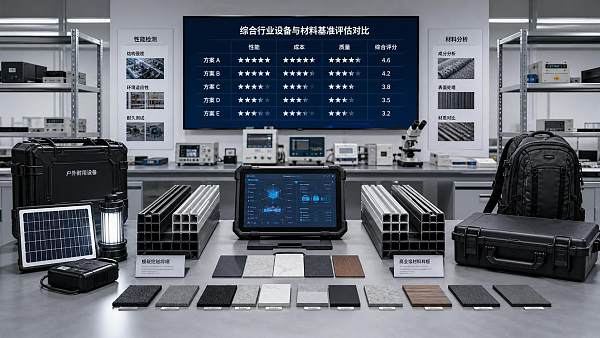
Third, separate compliance evidence from performance evidence. Both are needed, but they answer different questions. Fourth, review acceptance thresholds regularly against operating context. Remote tourism sites, high-humidity destinations, and premium guest environments often demand tighter controls than baseline standards imply. Fifth, use third-party benchmarking when supplier claims are difficult to compare across different manufacturing sources. Independent laboratories and think tanks can help convert broad marketing language into measurable and decision-ready engineering data.
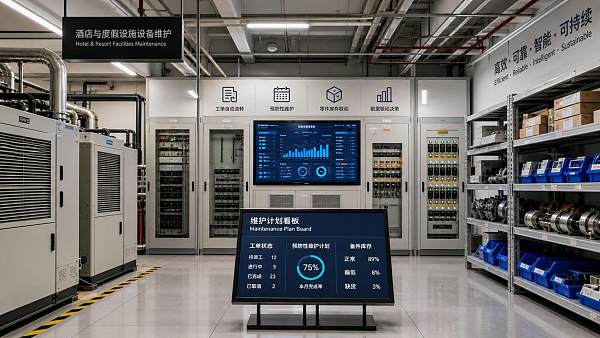
Finally, ensure that incident learning closes the loop. Every installation issue, maintenance anomaly, or safety event should update the logic of the quality control systems that approved the asset in the first place. Without that feedback loop, organizations keep repeating the same hidden error with better-looking data.
A more reliable path forward
For modern quality and safety managers, the challenge is no longer access to information. It is the discipline to ask whether existing quality control systems reflect how assets truly behave in the field. In complex sectors such as tourism and hospitality infrastructure, real quality depends on durability, compliance integrity, integration stability, and measurable operating performance.
Organizations that treat quality data as an engineering decision tool rather than a reporting archive are better positioned to avoid expensive failures. That means testing assumptions, validating supplier claims, benchmarking critical systems independently, and linking every metric to a practical risk decision. If your current quality control systems produce confidence on paper but uncertainty in operation, the next step is not more dashboards. It is better alignment between data, context, and consequence.
For teams evaluating tourism hardware, smart hospitality systems, or sustainability-sensitive infrastructure, an evidence-based framework can reveal where controls are strong, where blind spots remain, and where technical verification should go deeper before procurement or deployment moves forward.
Recommended News
 Sep 14, 2026Engineering Performance Testing Trends Reshaping Product Validation WorkflowsEngineering performance testing trend analysis reveals how assembly validation, realistic environmental loads, and digital resilience improve product reliability and reduce field failures.
 Sep 12, 2026Cloud Integration Interoperability Testing: Methods, Metrics, and Release GatesSystem interoperability testing cloud integration: explore practical methods, key metrics, and evidence-based release gates for secure, reliable connected operations.
 Sep 05, 2026What Engineering Performance Testing Should Cover During a Specification ReviewEngineering performance testing for specification review: learn how to verify structural strength, durability, safety, sustainability, and system reliability before costly project decisions.
 Aug 11, 2026How to Evaluate Materials Performance Analysis Services in Europe for Compliance-Critical ProjectsMaterials performance analysis Europe: learn how to compare accredited labs, verify compliance readiness, and choose a provider whose data, methods, and reports stand up to real project scrutiny.
 Jul 27, 2026Product Application Analysis for Procurement: How to Compare Fit, Risk, and ROIProduct application analysis for procurement helps buyers compare fit, compliance risk, lifecycle cost, and ROI with confidence. Learn a practical framework to avoid costly sourcing mistakes.
 Jul 22, 2026How to Evaluate Weather Resistance in Materials Performance Analysis?Materials performance analysis weather resistance explained: learn how to assess UV, moisture, temperature, and corrosion risks to choose durable materials with confidence.
 Jul 15, 2026Cloud Storage for Business: How to Compare Security, Access Speed, and Backup CostsCloud storage for business: compare security, access speed, and backup costs with a practical framework to reduce risk, control spend, and choose the right provider with confidence.
 Jul 14, 2026What Are Standardized Performance Benchmarks Ratings Used For in Vendor Evaluation?Standardized performance benchmarks rating explains how buyers compare vendors with verified data on compliance, durability, and lifecycle value for smarter procurement decisions.
 Jul 13, 2026Product Benchmarking Rating Explained: How to Compare Scores Across SuppliersProduct benchmarking rating explained: learn how to compare supplier scores with confidence, verify methodology, spot hidden risks, and make smarter procurement decisions.
 Jul 13, 2026How to Choose a Product Benchmarking Data Provider for Reliable Market ComparisonsProduct benchmarking data provider selection starts with methodology, transparency, and sector fit. Learn how to compare providers for reliable market insights and smarter procurement decisions.
 Jul 10, 2026Technical Integration Resilience Explained: How to Reduce Downtime Across Connected SystemsTechnical integration resilience explained: learn how to reduce downtime, prevent cascading failures, and improve uptime across connected systems with practical planning insights.
 Jul 08, 2026How to Use Product Benchmarking KPIs to Compare Competing SolutionsProduct benchmarking KPIs help you compare competing solutions with real evidence. Learn how to measure performance, lifecycle cost, compliance, and risk for smarter buying decisions.
 Jul 05, 2026How to Run an Environmental Sustainability Assessment: Metrics, Boundaries, and Trend AnalysisEnvironmental sustainability assessment trend analysis made practical: learn how to set metrics and boundaries, compare lifecycle impacts, and turn sustainability data into smarter decisions.
 Jul 04, 2026Hospitality Design Benchmarks Metrics Explained: Which KPIs Matter for Guestroom Upgrades?Hospitality design benchmarks metrics explained: discover the KPIs that matter most for guestroom upgrades, from lifecycle cost and durability to energy use, maintenance, and guest satisfaction.
 Jul 02, 2026How to Compare Product Category Pricing Models for Better Margin PlanningProduct category pricing model comparison made practical: learn how to evaluate total cost, hidden risks, and lifecycle value to improve margin planning and make smarter sourcing decisions.
 Jun 30, 2026How Technical Explainer Content for Procurement Helps Compare Specs, Risks, and SuppliersTechnical explainer content for procurement helps teams compare specs, uncover supplier risks, and choose solutions that improve compliance, lifecycle value, and long-term performance.
 Jun 29, 2026System Interoperability Testing Vendors: Key Criteria for Compliance and PerformanceSystem interoperability testing vendors compared: discover how to assess compliance, performance, independence, and real-world reliability before costly integration failures happen.
 Jun 28, 2026Product Benchmarking Explained: How to Compare Performance, Cost, and QualityProduct benchmarking explained: learn how to compare performance, cost, and quality with a practical framework that reduces risk, improves supplier selection, and supports smarter long-term decisions.
 Jun 27, 2026How to Build a Product Benchmarking Comparison Matrix for Hospitality Equipment SelectionProduct benchmarking comparison matrix guide for hospitality equipment selection. Learn to compare cost, compliance, durability, and lifecycle value with confidence.
 Jun 25, 2026What Drives System Interoperability Testing Implementation Cost in Multi-Vendor Projects?System interoperability testing implementation cost rises in multi-vendor projects due to scope gaps, retesting, compliance, and downtime risk. Learn how to control costs early.
 Jun 24, 2026Maintenance Planning Workflow Automation: Which Tasks Should You Automate First?Maintenance planning workflow automation starts with the right tasks. Learn what to automate first to cut downtime, improve data quality, and boost asset performance.
 Jun 22, 2026How Data-Backed Procurement Helps Compare Vendors and Control Purchasing RiskData-backed procurement helps buyers compare vendors with verified performance, lifecycle cost, and compliance data to reduce purchasing risk and make smarter, safer decisions.
 Jun 21, 2026Product Selection Criteria: How to Compare Performance, Cost, and Fit for UseProduct selection criteria made practical: learn how to compare performance, life-cycle cost, compliance, and fit for use to make smarter, lower-risk asset decisions.
 Jun 20, 2026Virtual Learning for Staff Training: When It Works Best and Where It Falls ShortVirtual learning works best for scalable knowledge transfer, compliance, and systems training. Discover where it delivers ROI, where it falls short, and how to choose the right staff training mix.
Quarterly Executive Summaries Delivered Directly.
Join 50,000+ industry leaders who receive our proprietary market analysis and policy outlooks before they hit the public library.