Search News
TerraVista Metrics (TVM)Industry Portal
TerraVista Metrics (TVM)Hot Articles
TerraVista Metrics (TVM)- Synthetic Rattan Resort Furniture: What to Check for Coastal DurabilityBuying synthetic rattan resort furniture? Discover key checks for UV resistance, corrosion protection, and warranty coverage to reduce coastal replacement costs and buy with confidence.
- Six Flags to Add Seat Belts to Goliath and Similar Roller CoastersSix Flags plans to add seat belts to Goliath and similar roller coasters. Learn about the safety changes, Goliath’s closure and what visitors should watch for next.
- Which Hospitality Furniture Compliance Standards Apply to U.S. Hotels?Explore hospitality furniture compliance standards for U.S. hotels, from fire safety and ADA requirements to supplier documentation. Make informed purchases and reduce compliance risks.
Popular Tags
TerraVista Metrics (TVM)Industry NewsHow Tourism Architects Shape Better Stays
auth.Time
Oct 24, 2026Click Count
Tourism architects shape better stays when they move beyond visual concepts and base design, procurement, and operational decisions on verified performance. For developers, hotel buyers, distributors, and evaluation teams, the real question is not whether a cabin, smart system, or attraction looks appealing—it is whether it performs reliably, complies with sustainability requirements, integrates smoothly, and protects long-term ROI. In today’s hospitality market, better guest experiences are increasingly built on measurable engineering standards, not marketing claims alone.
For research-driven buyers and commercial decision-makers, the most important concerns are clear: durability under real operating conditions, carbon and energy compliance, interoperability across systems, lifecycle costs, and the risk of installing underperforming hardware. The most useful content, therefore, is not broad lifestyle commentary about tourism design, but practical guidance on how tourism architects evaluate infrastructure, compare suppliers, and use benchmarking data to reduce risk before investment. This is where a data-oriented approach becomes especially valuable across eco-friendly cabins, hotel IoT systems, and leisure infrastructure.
Why Better Stays Depend on More Than Good Design
The phrase “better stays” often brings to mind aesthetics, comfort, and guest-facing amenities. Those elements matter, but they are only the visible layer of hospitality quality. Behind every high-performing tourism destination is a chain of technical decisions that affects thermal comfort, maintenance frequency, digital convenience, sustainability reporting, and operational resilience.
Tourism architects sit at the intersection of experience design and infrastructure performance. They influence how built environments support guest satisfaction while also meeting the expectations of owners, operators, and procurement teams. A glamping resort, for example, may appear premium in photographs, but if its prefabricated units lose heat quickly, degrade in humid climates, or fail local carbon requirements, the guest experience and business case both weaken. The same is true for hotels with fragmented smart systems that create delays, outages, or poor interoperability between room controls, access management, and central platforms.
In practice, better stays are shaped by the quality of hidden decisions: material selection, network architecture, equipment tolerance, system compatibility, and lifecycle efficiency. This is why technical verification has become central to hospitality planning.
What Procurement Teams and Evaluators Actually Need to Know
For target readers such as procurement managers, business evaluators, distributors, and commercial researchers, the main objective is not inspiration—it is decision confidence. They need a reliable basis to answer questions such as:
- Will this product or system maintain performance over time?
- Does it meet environmental and regulatory requirements in target markets?
- Can it integrate with existing hospitality infrastructure?
- What are the likely maintenance, replacement, and operating costs?
- How can we compare suppliers using evidence rather than sales messaging?
These questions are especially relevant in cross-border sourcing environments, where buyers may be considering manufacturers with strong production capacity but inconsistent documentation standards. In those situations, independent benchmarking becomes critical. It allows decision-makers to compare thermal efficiency, throughput capacity, fatigue resistance, and energy performance using standardized criteria rather than assumptions.
That is one reason organizations increasingly rely on technical whitepapers and independent testing frameworks. They shorten evaluation time, reduce ambiguity, and improve internal alignment between engineering, operations, finance, and procurement.
How Tourism Architects Use Data to Reduce Investment Risk
Tourism architects shape better stays by translating broad hospitality goals into measurable infrastructure requirements. Instead of asking only what will impress guests, they ask what will consistently work in real conditions over five, ten, or fifteen years.
This changes how projects are assessed from the beginning. For example, if a destination developer is planning eco-friendly accommodation, the architect’s role includes more than selecting a style of prefab cabin. The evaluation may include:
- Thermal insulation values in different climate zones
- Moisture resistance and structural stability
- Material fatigue under repeated transport or seasonal use
- Energy consumption under realistic occupancy patterns
- Carbon-related material data for compliance reporting
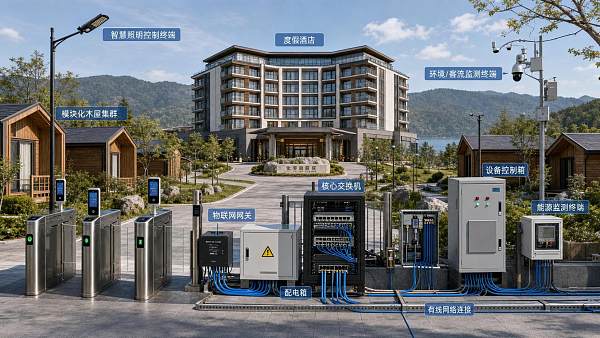
Likewise, in a smart hotel environment, better stays depend on whether digital infrastructure supports seamless operations. A guest may only notice that check-in is smooth and room controls respond instantly, but that outcome depends on backend system compatibility, IoT network reliability, and data throughput under peak load. If these foundations are weak, the “smart” experience quickly becomes a source of friction.
By using performance benchmarks early, tourism architects help stakeholders avoid costly redesigns, failed integrations, and low-performing installations. This improves not only project outcomes, but also supplier accountability.
Key Performance Areas That Matter in Modern Hospitality Infrastructure
Not every metric carries equal value. The most relevant evaluation criteria depend on the asset type, operating model, and business objective. However, several performance areas are consistently important across tourism and hospitality projects.
1. Thermal Efficiency and Environmental Comfort
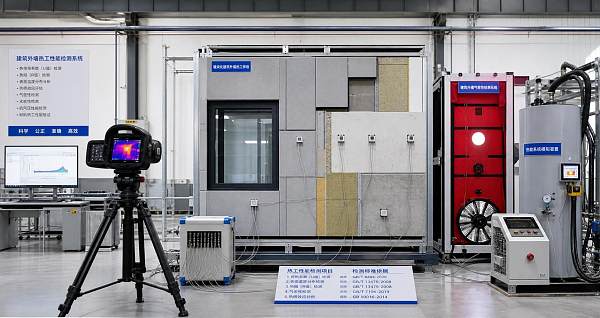
For cabins, lodges, modular accommodation, and outdoor hospitality structures, thermal efficiency directly affects both guest comfort and operating cost. Poor insulation increases energy consumption and creates seasonal performance problems. For buyers comparing prefab hospitality units, thermal performance data is far more useful than generic claims about sustainability.
2. Durability and Material Fatigue
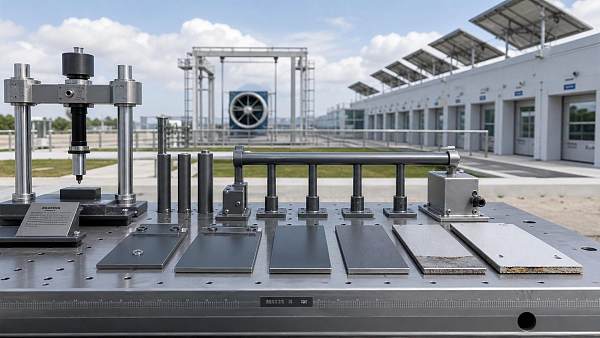
Tourism hardware often operates in harsh conditions: coastal moisture, mountain temperature swings, heavy guest turnover, or repeated recreational use. Material fatigue testing helps buyers estimate service life and maintenance risk. This is especially relevant for amusement hardware, modular structures, and high-contact hospitality fixtures.
3. Carbon Compliance and Sustainability Readiness
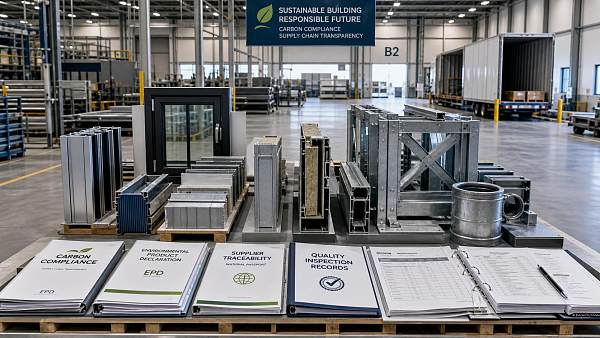
Sustainability is no longer only a branding issue. For many projects, it is tied to permitting, investment approval, brand standards, or market access. Tourism architects and procurement teams need material and system data that can support carbon disclosures, green building strategies, and environmental procurement policies.
4. Integration and Interoperability
Smart hospitality only works when systems communicate effectively. Room controls, sensors, PMS-linked devices, access systems, HVAC controls, and guest-facing applications must function as one ecosystem. Interoperability problems can create high hidden costs, even when individual components appear attractive at purchase stage.
5. Lifecycle Cost, Not Just Purchase Price
Lower upfront cost can be misleading if maintenance frequency, replacement intervals, or inefficiency drive up long-term spending. Better stays are usually supported by products and systems that perform consistently with fewer disruptions. For business evaluators, total cost of ownership often provides a more accurate investment view than initial quotation comparisons.
Why Independent Benchmarking Matters in a Supplier-Dense Market
The global tourism supply chain includes many capable manufacturers, but the quality of technical evidence varies widely. Brochures often emphasize design features, customization, or visual appeal, while providing limited information on engineering performance. That gap creates risk for procurement teams that must justify purchasing decisions internally.
Independent benchmarking helps solve this by acting as a structural filter. Instead of accepting broad promises, buyers can review standardized results for factors such as insulation efficiency, network stability, endurance, and system response. This is particularly useful when sourcing from manufacturing-heavy markets where production capabilities are strong but specification formats may not align with the expectations of international developers and operators.
For distributors and agents, independent data is also commercially useful. It makes supplier comparison more credible, supports sales positioning in regulated or premium markets, and reduces the risk of reputational damage from oversold products. For research teams, it creates a common language between technical departments and commercial stakeholders.
In this context, TerraVista Metrics (TVM) serves an important function. By converting manufacturing capabilities into standardized, engineering-led whitepapers, it helps tourism architects and procurement professionals evaluate hospitality infrastructure with greater precision and less uncertainty.
How to Evaluate Tourism Hardware Before You Commit
For organizations making sourcing or specification decisions, a practical evaluation process is more valuable than general theory. A strong pre-procurement review typically includes the following steps:
- Define operational use cases clearly. Assess whether the asset will be used seasonally, year-round, remotely, at luxury level, or in high-turnover environments.
- Prioritize critical metrics. Focus on the measurements most linked to business risk, such as thermal retention, throughput, fatigue resistance, or interoperability.
- Request standardized test evidence. Ask for benchmarking data, not only product sheets or visual portfolios.
- Review compliance alignment. Confirm suitability for target market regulations, carbon reporting needs, and brand requirements.
- Assess integration impact. Identify whether the new system will connect smoothly with existing software, infrastructure, or property technology stacks.
- Estimate lifecycle costs. Include maintenance, replacement parts, downtime risk, and energy consumption in your comparison model.
- Use independent validation where possible. Third-party evidence can improve internal approval and reduce supplier-side ambiguity.
This approach is especially important when evaluating products that appear similar on the surface but perform very differently in practice. Better stays are often determined by details that are invisible during sales presentations.
The Business Value of Getting the Specification Right
When tourism architects, developers, and procurement teams make better technical choices early, the benefits extend across the full project lifecycle. Guest comfort improves because environmental systems work as intended. Operators gain because maintenance disruptions decline. Finance teams benefit from better predictability in operating expenses. Brands gain because sustainability and quality claims are supported by evidence rather than assumption.
For distributors and commercial intermediaries, accurate specification also improves market fit. It becomes easier to match products to the right hospitality segment, avoid overselling, and build trust with buyers who increasingly expect verifiable performance data.
Most importantly, correct specification protects long-term asset value. In tourism and hospitality, poor infrastructure choices rarely remain isolated technical issues. They often become guest complaints, operational inefficiencies, retrofitting costs, or reputational problems. By contrast, well-benchmarked systems create more resilient, scalable, and commercially defensible projects.
Conclusion: Better Stays Are Built on Verified Performance
Tourism architects shape better stays not simply by designing attractive spaces, but by ensuring that every core element of the hospitality environment can withstand real operational demands. For today’s buyers and evaluators, the central issue is clear: quality must be measurable. Whether the project involves prefab glamping units, smart hotel systems, or leisure infrastructure, decisions should be guided by durability, compliance, integration, and lifecycle value.
As the tourism sector becomes more technical and sustainability expectations rise, data-driven benchmarking is no longer optional for serious decision-makers. It is the foundation for better procurement, lower risk, and more dependable guest experiences. For organizations seeking clarity in a crowded supplier market, that shift from appearance to evidence is what ultimately makes better stays possible.
Recommended News
 Oct 18, 2026Can Hotel Room Accessibility Be Improved Without a Full Renovation?Can hotel rooms be made more accessible without a full renovation? Discover practical upgrades to layouts, controls, and bathrooms—and learn when bigger changes are needed.
 Oct 16, 2026How Can You Fix Scratched Luxury Furniture Without Replacing It?How can I repair scratched luxury furniture finishes without replacing the furniture? Discover finish-safe touch-ups, color matching, and expert repair tips to restore elegance and protect value.
 Oct 04, 2026A Procurement Checklist for Tourism Hardware Equipment in Resorts and Visitor CentersTourism hardware equipment procurement checklist for resorts and visitor centers: compare durability, compliance, lifecycle costs, supplier support, and logistics.
 Sep 23, 2026Planning Smart Classroom Solutions for Hybrid Learning Without Creating AV Support GapsSmart classroom solutions for reliable hybrid learning: standardize workflows, strengthen AV support, and deliver seamless teaching experiences.
 Sep 11, 2026Hotel Security Protocols: A Compliance Checklist for Protecting Guests and StaffSecurity protocols for hospitality: use this practical hotel compliance checklist to protect guests, staff, data, access points, and emergency operations.
 Sep 03, 2026How to Plan Theme Park Infrastructure for Mixed-Use DevelopmentsTheme park infrastructure for mixed use developments: plan resilient utilities, circulation, attractions, hospitality, and digital systems for scalable destinations.
 Aug 23, 2026What Makes Community Based Eco Resort Development Successful in Rural Destinations?Community based eco resort development succeeds when land fit, local participation, infrastructure, and operations align. Discover practical strategies for resilient, high-value rural eco resorts.
 Aug 21, 2026How Many Rooms Should an Eco Resort Have to Balance ROI and Guest Experience?Eco resort development room count directly shapes ROI, infrastructure efficiency, and guest privacy. Learn how to choose the right key range to protect margins and elevate the experience.
 Aug 15, 2026How to Analyze Stainless Steel Fatigue in Cyclic Load ApplicationsStainless steel fatigue analysis helps you spot hidden cyclic load risks early, improve reliability, and prevent costly failures in real-world applications.
 Aug 08, 2026Hospitality Engineering Standards for Resorts: Key Compliance Checks Before Design ApprovalHospitality engineering standards for resorts explained: discover the key compliance checks before design approval to avoid delays, reduce risk, and build guest-ready, resilient resort projects.
 Jul 21, 2026Tourism Destination Infrastructure Solutions: How to Plan Smarter Visitor FacilitiesTourism destination infrastructure solutions for smarter visitor facilities: learn how to reduce risk, improve uptime, and plan scalable, data-backed destinations that perform long term.
 Jul 19, 2026How to Choose Rustproof Hotel Furniture for Coastal and High-Humidity PropertiesRustproof hotel furniture is essential for coastal and high-humidity properties. Learn how to compare materials, finishes, and supplier claims to reduce maintenance costs and extend service life.
 Jul 16, 2026How to Choose Resort Bar Furniture for Outdoor Hospitality SpacesResort bar furniture buying guide for outdoor hospitality spaces: compare materials, durability, comfort, and maintenance to choose stylish, long-lasting commercial pieces.
 Jul 15, 2026Commercial Thermal Efficiency Testing: Key Metrics, Test Methods, and Compliance BasicsCommercial thermal efficiency testing explained: learn key metrics, test methods, common compliance risks, and practical steps to improve performance, cut costs, and make smarter asset decisions.
 Jul 14, 2026Smart Tourism Integration vs Standalone Systems: Which Setup Fits Multi-Site Operations?Smart tourism integration or standalone systems? Discover which setup best fits multi-site tourism operations, improves visibility, compliance, scalability, and guest experience.
 Jul 13, 2026Export Market Opportunities in Latin America: How to Identify Profitable Entry PointsExport market opportunities in Latin America are shifting toward high-margin, compliant sectors. Discover how to spot profitable entry points in tourism, hospitality, and smart infrastructure.
 Jul 12, 2026Carbon Compliance in North America: Key Reporting Rules and Risk Points for ManufacturersCarbon compliance North America: learn the key U.S. and Canada reporting rules, top risk points for manufacturers, and how to strengthen data, supplier checks, and compliance readiness.
 Jul 11, 2026How to Evaluate Coated Surface Structural Performance Testing for Outdoor InstallationsCoated surface structural performance testing for outdoor installations: learn how to assess adhesion, crack resistance, corrosion durability, and real-world structural risk before procurement.
 Jul 10, 2026Outdoor Furniture Durability Cost: Which Materials Last Longer and Cost Less to Maintain?Outdoor furniture durability cost explained: compare aluminum, teak, steel, and HDPE to find materials that last longer, reduce maintenance, and deliver better long-term value.
 Jul 09, 2026Technical Integration Security: Key Standards, System Architecture, and Risk ChecksTechnical integration security explained: explore key standards, system architecture signals, and risk checks to build resilient, compliant, and scalable connected infrastructure.
 Jul 08, 2026Tourism Asset Evaluation in Middle East: Key Metrics for Hotel and Resort ProjectsTourism asset evaluation in Middle East explained through key metrics for hotel and resort projects, covering location, infrastructure, lifecycle cost, sustainability, and technology.
![]() Jul 07, 2026Eco Building Materials Manufacturer Checklist: Certifications, MOQ, and Custom OptionsEco building materials manufacturer checklist covering certifications, MOQ, and custom options. Learn how to compare suppliers, reduce project risk, and choose sustainable materials with confidence.
Jul 07, 2026Eco Building Materials Manufacturer Checklist: Certifications, MOQ, and Custom OptionsEco building materials manufacturer checklist covering certifications, MOQ, and custom options. Learn how to compare suppliers, reduce project risk, and choose sustainable materials with confidence. Jul 06, 2026Hospitality Fire Safety Standards Explained: Key Compliance Points for Hotels and ResortsHospitality fire safety standards explained for hotels and resorts: learn key compliance points, risk areas, and practical steps to protect guests, assets, and operations.
 Jul 03, 2026How to Specify High Traffic Furniture Weight Capacity for Hotels, Lobbies, and Public AreasHigh traffic furniture weight capacity for hotels, lobbies, and public areas: learn how to verify load ratings, testing standards, and durability specs to reduce risk and choose smarter.
{item.publish_time}{item.title}{item.description}Quarterly Executive Summaries Delivered Directly.
Join 50,000+ industry leaders who receive our proprietary market analysis and policy outlooks before they hit the public library.