Search News
TerraVista Metrics (TVM)Industry Portal
TerraVista Metrics (TVM)Hot Articles
TerraVista Metrics (TVM)- Synthetic Rattan Resort Furniture: What to Check for Coastal DurabilityBuying synthetic rattan resort furniture? Discover key checks for UV resistance, corrosion protection, and warranty coverage to reduce coastal replacement costs and buy with confidence.
- Six Flags to Add Seat Belts to Goliath and Similar Roller CoastersSix Flags plans to add seat belts to Goliath and similar roller coasters. Learn about the safety changes, Goliath’s closure and what visitors should watch for next.
- Which Hospitality Furniture Compliance Standards Apply to U.S. Hotels?Explore hospitality furniture compliance standards for U.S. hotels, from fire safety and ADA requirements to supplier documentation. Make informed purchases and reduce compliance risks.
Popular Tags
TerraVista Metrics (TVM)Industry NewsB1 Fire Retardant Fabric Standards Explained
auth.Julian Thorne (Sustainable Infrastructure Architect)Time
Oct 24, 2026Click Count
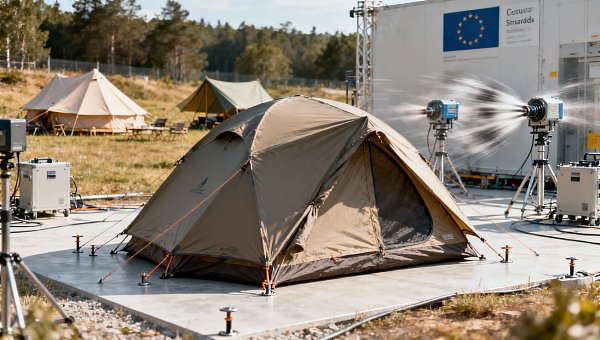
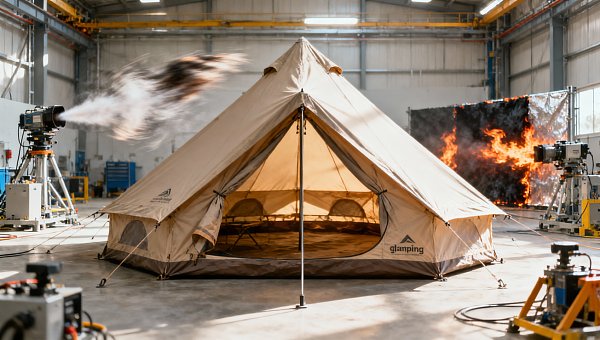
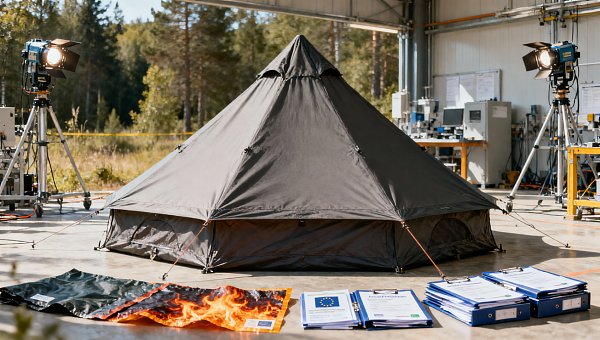
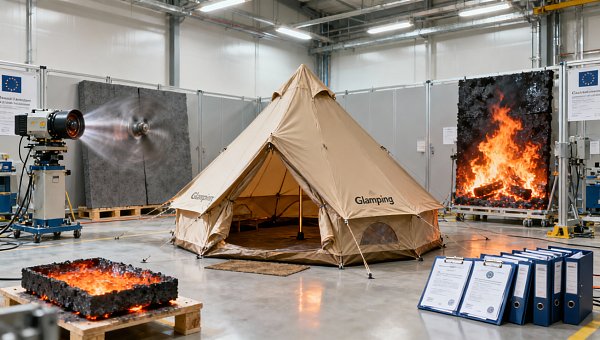
For tourism architects, procurement teams, and hospitality benchmarking analysts, understanding b1 grade fire retardant fabric standards is essential when specifying eco-friendly cabins, amusement hardware, and smart hotel IoT environments. In a hospitality ecosystem shaped by safety, compliance, and long-term durability, the right fabric standard can directly influence project risk, procurement confidence, and overall asset performance.
In tourism and hospitality projects, fabric is no longer limited to curtains or decorative wall panels. It appears in glamping structures, acoustic partitions, retractable canopies, upholstered seating, exhibition zones, event tents, and cable-management sleeves around smart systems. When buyers see the term “B1 fire retardant fabric,” they often assume it is a universal quality mark. In practice, B1 is a performance classification that needs to be interpreted in context: test method, substrate, installation condition, and maintenance cycle all matter.
For B2B decision-makers, the main challenge is not finding a supplier that claims flame resistance. The real challenge is verifying whether the fabric can maintain compliant fire behavior after transport, UV exposure, humidity swings, repeated cleaning, and 3–5 years of operational use. That is especially important in tourism infrastructure, where assets must perform across high occupancy rates, seasonal peaks, and mixed indoor-outdoor environments.
This guide explains what B1 fire retardant fabric standards mean, how they relate to procurement in modern hospitality projects, and which technical checkpoints should be built into evaluation, sampling, testing, and final acceptance. It is written for researchers, buyers, business evaluators, and channel partners who need practical clarity rather than marketing language.
What B1 Fire Retardant Fabric Actually Means in Hospitality Procurement
B1 fire retardant fabric generally refers to a material that meets a defined flame-retardant performance level under a recognized testing framework. In many sourcing conversations, B1 is used as shorthand for “hardly flammable” or “difficult to ignite.” However, procurement teams should remember that a B1 claim is meaningful only when linked to a specific standard, sample construction, and intended use condition.
For example, the same polyester-based textile may behave differently when supplied as a single-layer drape, laminated blackout curtain, acoustic panel wrap, or PVC-coated tensile membrane. Thickness may range from 0.3 mm to 1.2 mm, surface coating weight may vary by 80–250 g/m², and seam construction can change fire spread behavior during real installation. That is why spec sheets alone are not enough.
In tourism environments, the significance of B1 classification goes beyond code compliance. Fire retardant fabric affects evacuation time, smoke development risk, replacement planning, insurance review, and facility reputation. A fabric that resists ignition for even a short additional window can reduce flame spread through partition systems, decorative surfaces, or enclosed leisure structures where guest density may spike during weekends and holiday periods.
From a benchmarking perspective, TVM-style evaluation should not stop at binary claims such as “B1 certified” or “flameproof.” Buyers should compare pre-installation test data, post-aging behavior, cleaning resistance, and compatibility with the supporting substrate. A compliant fabric in laboratory form may underperform after being glued to foam, stretched over composite boards, or placed near heat-generating devices in smart hospitality installations.
Why terminology creates confusion
Many international buyers source from multiple manufacturing regions, and fire classifications are not globally identical. A vendor may reference B1, another may cite local building textile rules, while a third may present a test based on a curtain, membrane, or furnishing standard. Without alignment, procurement teams can compare 3 offers that look similar on paper but represent very different safety levels in actual deployment.
Core elements behind a valid B1 claim
- Test method used, including sample orientation, ignition source, and evaluation criteria.
- Material build-up, such as base fiber, coating type, total weight, and backing layer.
- Application environment, including indoor, semi-outdoor, or high-humidity installation.
- Durability after repeated cleaning, UV exposure, abrasion, or folding cycles.
- Project documentation, including test reports, batch traceability, and installation instructions.
A practical rule for buyers is simple: if the supplier cannot connect the B1 declaration to a current test report, sample construction, and maintenance guidance, the claim should be treated as incomplete rather than accepted at face value.
Where B1 Fire Retardant Fabric Is Used Across Tourism and Smart Hospitality Assets
B1 fire retardant fabric is relevant across a broad range of tourism infrastructure. In prefabricated glamping cabins, it may be used for blackout curtains, acoustic liners, wall coverings, and canopy sections. In hotels, it appears in meeting rooms, ballroom partitions, headboard backing, decorative ceiling banners, and soft furnishings close to lighting or HVAC outputs. In amusement and attraction settings, it is often specified for queue enclosures, event structures, and indoor themed installations.
The performance requirement changes by scenario. A guestroom curtain might prioritize drape, light blocking, and cleaning frequency of every 3–6 months. A tensile membrane near a leisure deck may need higher UV resistance, mildew control, and dimensional stability between -10°C and 50°C. An equipment-zone textile sleeve around smart hotel wiring may face low visible wear but strict safety expectations due to proximity to electrical components.
These distinctions matter because procurement errors usually happen at the application stage. Teams may source one “B1 fabric” and attempt to standardize it across 4 or 5 use cases, assuming one classification covers all needs. In reality, weight, coating chemistry, smoke behavior, and cleaning compatibility should be tailored to each environment.
The table below outlines common hospitality and tourism applications, the operational stress each setting creates, and the fabric checkpoints that buyers should verify before contract approval.
The key takeaway is that “hospitality-grade” should not be treated as a decorative label. In most tourism assets, the correct B1 fire retardant fabric must balance 3 dimensions at once: fire behavior, operational durability, and integration with architecture or smart systems. Ignoring one of these dimensions often leads to early replacement or compliance review during audits.
High-risk specification mistakes
- Using indoor-only B1 fabrics in semi-open structures exposed to condensation and UV.
- Approving laminated fabrics without verifying whether the backing layer was part of the fire test.
- Comparing curtain-grade fabric with tensile membrane fabric as if they were equivalent categories.
- Failing to align cleaning method, such as wet wash or solvent wipe, with flame-retardant treatment durability.
For distributors and project agents, these distinctions also affect resale risk. If the technical brief is vague, downstream installers may substitute an apparently similar fabric that does not match the original tested build-up, creating liability exposure during acceptance or operation.
How to Evaluate B1 Fabric Standards Beyond the Supplier Claim
A reliable B1 fabric procurement process should move through at least 5 checkpoints: document screening, sample review, application matching, durability verification, and final batch acceptance. Skipping any step can create a gap between the tested sample and the delivered material. For projects with multi-site deployment, that gap becomes more serious because even a 3% batch variation in coating weight or backing composition may alter installation performance.
Document screening starts with the test report date, material description, and issuing laboratory details. Buyers should confirm whether the reported fabric weight, fiber composition, coating structure, and sample thickness match the quotation exactly. A report that describes 450 g/m² fabric cannot automatically validate a 310 g/m² alternative, even if both are sold under the same commercial name.
Sample review should include hand feel, odor, coating uniformity, edge fray tendency, and dimensional stability. In hospitality procurement, visual quality still matters, but aesthetics should come after technical matching. A fabric that looks premium on a showroom card may fail when stretched over a curved substrate or cleaned repeatedly in high-occupancy spaces. Operational realism matters more than display-room appearance.
Durability verification is often the missing link. For long-life tourism installations, buyers should ask whether flame-retardant performance is inherent in the fiber or dependent on a post-treatment that may fade over time. Where possible, include accelerated aging, wash-cycle review, or at least a maintenance statement showing expected performance over 12–36 months under typical use conditions.
A practical evaluation matrix for B2B buyers
The following matrix helps procurement teams compare offers more objectively. It is especially useful when dealing with overseas supply chains, mixed-use resort developments, or distributor-led projects where product substitution risk is high.
This matrix shows that B1 fire retardant fabric is not a one-line checkbox. It is a procurement category that needs technical interpretation. Buyers who compare only unit price or color card availability often face hidden cost later through re-testing, project delays, or rejected installation work.
Minimum due-diligence steps before issuing a PO
- Request the current fire test report and confirm it matches the quoted build-up.
- Review sample performance under the intended installation method, not just loose fabric form.
- Check maintenance guidance, especially after washing, wiping, or UV exposure.
- Confirm lead time, reorder availability, and replacement batch consistency.
- Define acceptance criteria in writing, including documentation to be delivered with each lot.
For high-value hospitality developments, many teams also retain a control swatch from the approved lot. This small step can help resolve disputes if the delivered material later appears different in finish, coating, stiffness, or flame behavior.
Key Technical Parameters That Influence Long-Term Asset Performance
Once B1 compliance is confirmed, the next question is whether the fabric will perform over the operating life of the asset. For tourism projects, useful life targets often range from 24 months in high-turnover temporary event zones to 5–8 years in well-maintained interior spaces. That wide span means fire behavior must be reviewed together with structural and environmental parameters.
Fabric weight is one of the first indicators. Lightweight decorative textiles below 200 g/m² may work for certain drapery applications, while coated architectural fabrics can exceed 500 g/m². Heavier material may improve dimensional stability and wear resistance, but it can also affect hanging hardware loads, fold memory, and transport cost. The right specification depends on use case rather than a simple “heavier is better” assumption.
Abrasion resistance, tear strength, and seam integrity are especially important in hospitality environments where cleaning teams, installers, and guests all interact with the material. In glamping and resort settings, moisture behavior also matters. Fabrics exposed to repeated condensation can lose aesthetic quality long before they fail structurally, creating an asset perception issue even when the fire rating remains technically acceptable.
For smart hospitality environments, fabric performance should also be assessed near equipment zones. Areas around sensors, hidden cable paths, control cabinets, or media walls may experience local heat accumulation. Even if the temperature remains moderate, repeated cycles can accelerate coating embrittlement over 12–24 months if the selected material was intended only for low-stress decorative use.
Technical parameters procurement teams should prioritize
- Total weight and thickness, especially when comparing loose weave, blackout, and coated constructions.
- Flame-retardant durability after cleaning, wipe-down, or environmental aging.
- Tensile and tear behavior for stretched, suspended, or retractable applications.
- Color fastness and UV resistance for exposed cabins, pavilions, or canopy zones.
- Moisture, mildew, and odor performance in coastal, forest, or high-rainfall destinations.
Recommended parameter ranges by scenario
The values below are typical procurement reference ranges rather than universal requirements. Final specifications should still follow local codes, project design, and installation method.
For commercial evaluators, the most important lesson is that fabric selection should be lifecycle-based. A lower upfront price can become expensive if replacement is required after 12 months, or if mismatch with the installation system causes rework during the final fit-out stage.
Procurement Workflow, Risk Control, and Common Misunderstandings
The most effective way to reduce risk is to treat B1 fire retardant fabric as a controlled procurement item rather than a decorative finish. That means defining technical submission requirements before quotation comparison begins. When specifications are left vague until the sample room stage, project teams often lose 2–4 weeks resolving preventable inconsistencies in reports, color batches, or installation details.
A strong workflow begins with the use-case brief. Buyers should identify whether the fabric is fixed, retractable, stretched, upholstered, laminated, or removable for cleaning. They should also note occupancy intensity, whether the environment is indoor or semi-outdoor, and the maintenance cycle. These basic variables influence which B1 fire retardant fabric is realistic, not just which one is available quickly.
Risk control also depends on supplier communication. A common misunderstanding is to ask only for “B1 certificate” without requesting the full report or construction details. Another is to approve one showroom sample and assume all later colors, coatings, or backings are identical. In cross-border sourcing, translation gaps can widen these mistakes, especially when local sales staff simplify technical language for speed.
For distributors and agents, disciplined documentation protects both margin and reputation. When resale projects involve 3 parties or more—manufacturer, channel partner, installer, and end user—clear version control is essential. Product names, color codes, test references, and acceptance checklists should match line by line from quotation to delivery note.
A 6-step workflow for safer sourcing
- Define the application and exposure level, including traffic, humidity, and cleaning frequency.
- Request complete technical documents and confirm the tested build-up matches the offer.
- Approve a physical control sample for color, finish, and construction.
- Review installation method, especially adhesives, frame systems, and seam details.
- Set batch acceptance rules for labeling, quantity tolerance, and replacement stock.
- Archive all documents for future maintenance, audit, and reorder reference.
Common misconceptions that increase project risk
- Assuming all B1 fabrics deliver the same smoke behavior, durability, and weather tolerance.
- Believing a post-treated fabric and an inherently flame-retardant fabric will age identically.
- Overlooking the role of backing material, foam, or adhesive in the final fire performance.
- Selecting purely on unit cost without calculating replacement, shutdown, or audit-related expense.
In hospitality benchmarking, precision wins over broad labels. The most dependable procurement teams build a traceable chain from technical requirement to delivered roll, panel, or finished assembly. That reduces ambiguity and supports long-term asset management, especially across resort portfolios or multi-phase developments.
FAQ for Researchers, Buyers, and Channel Partners
How should I compare two suppliers that both claim B1 fire retardant fabric?
Compare the underlying test basis, not just the label. Check whether both suppliers are offering the same fabric weight, backing, coating type, and intended application. Also compare lead time, MOQ, and maintenance guidance. A supplier with a 15% lower price may still present higher total cost if the fabric lacks durability under cleaning or UV exposure.
Is B1 fabric enough for outdoor or semi-outdoor tourism structures?
Not by itself. For outdoor use, buyers should also review UV stability, mildew resistance, water behavior, tensile performance, and dimensional stability. A fabric may be flame retardant but still deteriorate quickly in coastal resorts, mountain camps, or high-rainfall locations if it was designed mainly for indoor decorative use.
What documents should be requested before approval?
At minimum, request the fire test report, product data sheet, composition details, maintenance instructions, and batch identification method. For larger hospitality programs, it is also helpful to request a retained control sample and a written statement confirming the quoted product matches the tested construction without unannounced substitution.
How long is the typical delivery cycle for project-based orders?
Typical production and delivery planning often falls in the 2–8 week range, depending on customization, coating process, color matching, and shipping distance. If the project requires special widths, lamination, or project-specific packaging, longer scheduling may be necessary. Buyers should align delivery timing with installation sequencing to avoid storage damage or compression marks.
What is the best way to reduce long-term replacement risk?
Specify for the actual environment, not the showroom. Include fire behavior, cleaning durability, environmental resistance, and replacement availability in the same decision. For multi-site projects, standardize documentation and keep approved samples on file. That approach improves consistency across future maintenance cycles and reduces mismatch when reordering after 12, 24, or 36 months.
B1 fire retardant fabric standards are best understood as part of a broader technical procurement framework. In tourism, hospitality, and smart infrastructure projects, the right material must do more than pass a fire test once. It must remain suitable for the actual environment, support safe and efficient operations, and integrate cleanly with the architectural and technical systems around it.
For developers, procurement managers, business evaluators, and distribution partners, a disciplined review process can prevent avoidable delays, replacement costs, and compliance uncertainty. TerraVista Metrics supports this decision-making approach by translating manufacturing claims into measurable engineering checkpoints that align with long-term asset performance.
If you are assessing fabrics for eco-friendly cabins, hotel interiors, amusement installations, or smart hospitality environments, now is the right time to compare options through a data-driven lens. Contact us to discuss your application, request a tailored evaluation framework, or explore more benchmarking solutions for tourism infrastructure procurement.
Recommended News
 Oct 19, 2026Gwynedd Glamping Pod Proposal Raises Concerns Over Protected BatsGwynedd glamping pod proposal faces protected bat concerns at Bluebell Woods. Explore what the survey means for the 11-pod scheme and the council’s planning decision.
 Aug 15, 2026Hainan Expands Huiqiongbao Direct Settlement to 20 Hospitals for Project Staff CoverageHainan expands Huiqiongbao direct settlement to 20 hospitals, improving medical reimbursement efficiency for foreign project staff and supporting compliance, ESG, and workforce planning in Modular Cabins, Glamping Tents, and Premium Camping projects.
 Aug 10, 2026EU CE Rule Takes Effect for Glamping Tent ExportsGlamping Tent exports to the EU now face a stricter CE compliance rule. Learn how EN 13782:2026 and ISO 22419:2026 reports affect customs clearance, buyer checks, and market access.
 Aug 09, 2026EU Rule Takes Effect for Glamping Tent CertificationEU Rule Takes Effect for Glamping Tent Certification: learn how EN 13782:2026 impacts fire and structural testing, CE compliance, costs, lead times, and EU market access.
 Aug 07, 2026CPSC Tightens Glamping Tent Testing RulesCPSC Tightens Glamping Tent Testing Rules: learn how ASTM F3497-26, 110 km/h wind testing, and burn-rate limits will affect certification, shipping, and U.S. import compliance from October 2026.
 Aug 06, 2026EU Tightens Glamping Tent Entry RulesEU Tightens Glamping Tent Entry Rules: learn how EN 14960:2026 changes EU market access, fire and structural testing, compliance timelines, and delivery planning.
 Aug 04, 2026CPSC Recalls 124,000 Glamping Tents Over Wind Test FailureCPSC recalls 124,000 glamping tents after an ASTM F3365-26 wind test failure. See how this impacts North America imports, customs clearance, inventory risk, and compliance-ready shipments.
 Aug 03, 2026EU Rule Takes Effect for Certified Glamping TentsEU Rule Takes Effect for Certified Glamping Tents: learn how EN 16433-2:2026 impacts compliance, customs clearance, certification timelines, and EU market access for premium camping suppliers.
 Aug 01, 2026EU Rule Takes Effect: Glamping Tents Need EN 13501-1 B-s1,d0Glamping Tents entering the EU now need EN 13501-1 B-s1,d0 compliance. Learn what the 2026 rule means for exporters, buyers, testing, and customs clearance.
 Jul 31, 2026EU PFAS Ban Hits Glamping Tent MaterialsEU PFAS ban hits glamping tent materials: learn how REACH Annex XVII affects coatings, customs clearance, compliance, and sourcing before August 1, 2026.
 Jul 30, 2026EU Requires EN 14749:2026 Approval for Glamping TentsEU Requires EN 14749:2026 Approval for Glamping Tents: learn how CE marking, type certification, and new EU compliance rules will impact exports, customs clearance, and delivery timelines.
 Jul 29, 2026EU Enforces EN 14749:2026 for Glamping Tent ExportsEU Enforces EN 14749:2026 for Glamping Tent Exports—learn how the new CE marking and Notified Body type examination rules affect compliance, testing, shipment timing, and EU market access.
 Jul 28, 2026EU Enforces EN 14749:2026 Labeling for Glamping TentsEU Enforces EN 14749:2026 Labeling for Glamping Tents: learn how the new EU compliance rule affects customs, documentation, inspections, and shipment readiness.
 Jul 27, 2026EU Rule Takes Effect for Glamping Tent CertificationEU Rule Takes Effect for Glamping Tent Certification: learn how EN 14749:2026 changes fire, wind, and CE compliance, and what exporters must do now to keep EU market access.
 Jul 25, 2026CPSC Sets Dual Certification Rule for Glamping TentsCPSC Sets Dual Certification Rule for Glamping Tents: learn how ASTM F3507-26 and UL 711A requirements from Oct. 1, 2026 may affect imports, testing, delivery, and U.S. market access.
 Jul 24, 2026EN 13857:2026 Tightens EU Rules for Glamping TentsEN 13857:2026 tightens EU rules for glamping tents with stricter wind resistance, structural stability, and anchoring tests. Learn what exporters and buyers must do before October 1, 2026.
 Jul 23, 2026CPSC Tightens Glamping Tent Safety Rule from Aug. 1CPSC tightens Glamping Tent safety rules from Aug. 1. Learn how new flame and wind-load tests may affect compliance, certification, imports, and shipment readiness.
 Jul 22, 2026EU Rule Tightens CE Access for Glamping TentsGlamping Tents face stricter EU CE access under EN 13782:2026+A1:2026. Learn how new fire Class B-s1,d0 and wind/snow load checks impact exports, certification, and market entry.
 Jul 20, 2026EU Enforces Dual Certification for Glamping TentsEU Enforces Dual Certification for Glamping Tents: learn how EN 14960:2026+A1:2026 changes fire, wind, CE documentation, and supplier compliance before EU shipments.
 Jul 19, 2026EU Rule Tightens Glamping Tent Entry RequirementsGlamping tent exporters to the EU face tighter entry rules from Oct 1, 2026. Learn how new fire and wind tests impact compliance, certification, sourcing, and market access.
 Jul 17, 2026CPSC Rule Takes Effect for Glamping Tent ImportsCPSC Rule Takes Effect for Glamping Tent Imports: learn how the new U.S. compliance standards affect customs clearance, testing, and market access for exporters and manufacturers.
 Jul 14, 2026EU Rule Change Sets Full-Scale Wind Test for Glamping TentsGlamping Tents face a major EU compliance shift: EN 13782:2026 now requires full-scale wind testing and third-party reports. Learn what exporters, buyers, and suppliers must do before October 2026.
 Jul 13, 2026SASO Opens New Glamping Tent Certification RouteSASO Opens New Glamping Tent Certification Route: learn how Saudi Arabia now accepts CNAS EN 13782:2026 reports, helping suppliers cut certification time, avoid duplicate testing, and enter the market faster.
 Jul 12, 2026EU Rule Takes Effect for Glamping Tent Risk CertificationEU Glamping Tent risk certification under EN 14971:2026 is now critical for CE marking and customs clearance. Learn what importers, buyers, and suppliers must review now.
{item.publish_time}{item.title}{item.description}Quarterly Executive Summaries Delivered Directly.
Join 50,000+ industry leaders who receive our proprietary market analysis and policy outlooks before they hit the public library.