Search News
TerraVista Metrics (TVM)Industry Portal
TerraVista Metrics (TVM)Hot Articles
TerraVista Metrics (TVM)- Choosing Sustainable Prefab Building Materials: Embodied Carbon and DurabilityChoose prefab sustainable building materials with confidence. Compare embodied carbon, durability, and EPDs to reduce whole-life impacts and make smarter procurement decisions.
- Winnebago Q4 Revenue Falls 17% to $645.1 Million as Full-Year Profit RisesWinnebago Q4 revenue fell 17% to $645.1 million as full-year profit rose. Explore RV shipment trends, product mix shifts and what fiscal 2027 earnings guidance signals.
- Choosing Large Play Equipment for Parks: Space, Age Groups, and SafetyChoose large play equipment with confidence. Explore park space planning, age suitability, safety standards, and lifetime costs to create a safer, more inclusive playground.
Popular Tags
TerraVista Metrics (TVM)Industry NewsHow Much Wind Can Modular Buildings Handle
auth.Julian Thorne (Sustainable Infrastructure Architect)Time
Oct 22, 2026Click Count
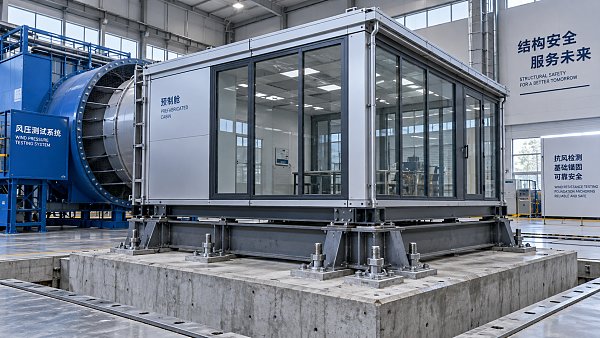
For tourism architects, procurement teams, and evaluators comparing eco-friendly cabins within today’s hospitality ecosystem, one question matters early: how much wind can modular buildings handle? Using data-driven hospitality benchmarking, this article explores modular building wind load resistance through engineering metrics, compliance logic, and real-world tourism deployment needs—helping buyers assess durability, safety, and long-term value with greater confidence.
In tourism development, the answer is rarely a single number. A modular building may be suitable for a low-exposure inland resort at one wind rating, but require a different structural frame, anchoring method, roof profile, and glazing strategy for a coastal glamping site or elevated scenic platform. For B2B buyers, wind resistance is not just a design topic; it directly affects insurance, operating risk, maintenance cost, guest safety, and project approval timelines.
That is why data matters more than brochure language. At TerraVista Metrics (TVM), the procurement lens is practical: what wind speed was the unit designed for, under what code assumptions, with which fastening details, and how does that performance translate into tourism deployment scenarios? The goal is to help decision-makers compare modular buildings using measurable criteria instead of aesthetics alone.
What Wind Resistance Means in Modular Building Procurement
When buyers ask how much wind modular buildings can handle, they are usually referring to design wind load rather than a simple survival speed. In engineering terms, wind performance is calculated through pressure, uplift, lateral load, connection strength, and site exposure. A unit rated for 120 mph under one code path may not perform the same way in a cyclone-prone coast, on an open ridge, or on soft soil with inadequate anchoring.
For hospitality assets, typical target ranges often fall between 90 mph and 150 mph design wind speed, depending on geography, code requirements, occupancy type, and insurance expectations. Inland eco-cabins may be specified at the lower end of that range, while coastal tourism lodges or island units may require a higher threshold. In some premium resort programs, procurement teams also request additional safety margins of 10% to 20% above local minimum code requirements.
The key point is that modular building wind load resistance is a system property. The steel frame, wall diaphragms, roof geometry, fasteners, glazing, door hardware, and foundation interface all contribute. A strong wall panel alone does not guarantee performance if roof uplift details or anchor bolts are underspecified. This is one of the most common gaps in early supplier comparison.
For tourism buyers, wind resistance also affects operating continuity. A cabin that remains structurally intact but suffers repeated door distortion, water penetration, or façade damage in seasonal storms may create downtime, guest complaints, and higher replacement cycles. In other words, procurement should distinguish between minimum code survival and practical resilience over a 10- to 20-year service period.
Core engineering variables buyers should request
Before shortlisting any supplier, evaluators should ask for the structural design basis and the tested or calculated assumptions behind the quoted wind rating. That includes the applicable code, terrain category, enclosure classification, roof slope, building height, and anchoring details. Without these, one vendor’s “high wind resistant” claim cannot be fairly compared with another’s.
- Design wind speed range, such as 100 mph, 120 mph, or 140 mph, with the code basis clearly stated.
- Exposure condition, for example sheltered inland terrain versus open coastal exposure.
- Foundation and anchoring method, including bolt spacing, pile depth, or concrete connection logic.
- Envelope details such as roofing membrane, glazing thickness, and door latch strength.
- Whether the rating reflects full building system performance or only component-level calculations.
The following comparison helps buyers understand how wind resistance questions should be framed in practical tourism procurement.
The table shows why a wind number alone is insufficient. A credible modular building evaluation should combine structural speed rating, site condition, and connection design. For procurement teams in tourism, this creates a more reliable basis for bid comparison and reduces the risk of selecting a low-cost unit that later requires reinforcement or site redesign.
Typical Wind Load Ranges for Tourism Modular Buildings
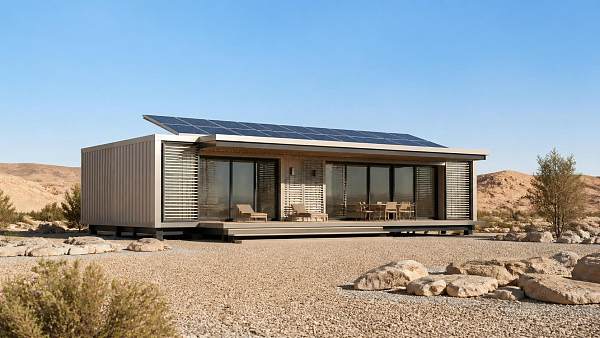
Not every hospitality deployment needs the same structural capacity. Wind requirements change based on whether the project is an inland glamping cluster, a desert viewing lodge, a mountain retreat, or a beachside modular hotel annex. In procurement practice, matching the building to the site is more important than demanding the highest possible number on every project, because overspecification can increase steel usage, transport weight, and installation cost.
For many standard tourism installations, a modular building designed around 100 to 115 mph may be acceptable for low-rise inland use in relatively protected terrain. Once the site becomes more exposed, especially in open fields, elevated plateaus, or near large water bodies, target performance often shifts into the 120 to 140 mph range. Coastal storm regions may require 140 mph or above, along with stricter roof edge details and impact-resistant openings.
Buyers should also account for building form. A 20-square-meter compact cabin with a low roof profile may perform differently from a 60-square-meter luxury unit with large glass façades and wide overhangs. As glazing ratio rises above 30% to 40% of the wall area, wind pressure on openings and frame deflection become more important. Likewise, elevated installations on stilts or piers often need additional lateral bracing and more rigorous foundation checks.
In tourism procurement, the target is not simply “strong enough,” but “appropriate to risk.” A mountain eco-resort operating year-round may prefer a higher resilience tier because winter storms, gust loading, and access constraints make emergency repairs costly. By contrast, a seasonal inland retreat with lower occupancy intensity may prioritize faster delivery and moderate structural optimization.
Scenario-based wind resistance benchmarks
The table below provides a practical decision framework rather than a universal code rule. It helps buyers map modular building wind load resistance to likely hospitality deployment conditions and procurement expectations.
This framework is useful because it ties engineering numbers to business context. A distributor or sourcing manager can use it to filter vendor offers quickly. If a supplier quotes a low-cost cabin without clear adaptation for open-terrain wind conditions, the apparent savings may disappear once redesign, transport reinforcement, or operational interruptions are added to the total cost of ownership.
Common misinterpretations of wind ratings
- Assuming a component certificate for a wall panel equals full-building structural approval.
- Ignoring exposure category; a unit acceptable in sheltered terrain may be underdesigned in open terrain.
- Comparing peak gust claims with design wind speed values without understanding the basis.
- Overlooking serviceability issues such as leakage, vibration, or door misalignment below failure thresholds.
For procurement and commercial evaluation teams, these distinctions are critical. They improve bid normalization, reduce ambiguity in technical negotiations, and support more defensible capex decisions across multiple tourism sites.
The Structural Factors That Determine How Much Wind a Modular Building Can Handle
A modular building’s wind resistance depends on more than material thickness. In practice, four structural zones carry most of the risk: the primary frame, the roof system, the openings, and the connection to the foundation. If any one of these is weak, the entire wind load path is compromised. For tourism assets, where aesthetics often drive large windows and lightweight finishes, this balance becomes even more important.
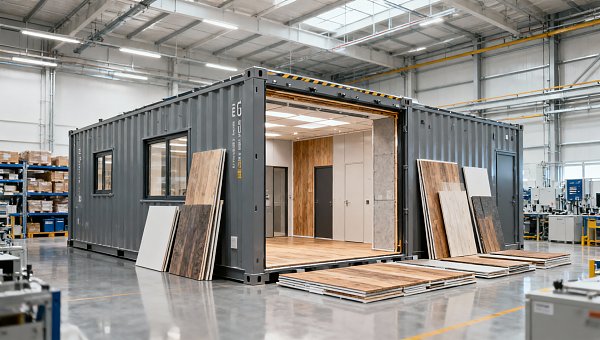
Primary framing is usually steel or engineered light-gauge systems in many prefabricated hospitality units. Buyers should look for rational section sizing and bracing patterns rather than simply heavier material. Excess weight can increase transport and crane requirements, while intelligent frame design can improve lateral stability without excessive mass. In many low-rise modular cabins, connection detailing contributes as much to performance as the main frame itself.
Roof uplift is often the highest-risk area during severe wind events. Edge zones can experience significantly higher suction than central roof areas, especially on simple mono-pitch or gable roof forms. This is why procurement teams should ask about fastening density, membrane attachment, overhang restraint, and how rooftop equipment such as HVAC units, solar panels, or decorative shading devices are secured.
Openings also deserve close review. Large panoramic glazing is common in glamping and luxury tourism cabins, but it changes structural behavior. If the deflection limit is not well controlled, glass edge stress, seal failure, and water ingress can appear long before any structural collapse. That makes window framing, mullion stiffness, and hardware specification central procurement issues, not just architectural details.
The four checks every evaluator should perform
- Confirm the complete load path from roof to wall to floor to foundation, including hold-down and uplift details.
- Review opening percentage and large-span glazed areas, especially if glass exceeds 2 meters in height or width.
- Assess foundation compatibility with the site, including pile, slab, or pier performance under overturning loads.
- Verify durability factors such as corrosion resistance, sealant life, and inspection intervals of 6 to 12 months.
Why foundations and anchoring are often underestimated
In many failed deployments, the cabin body remained relatively sound while the anchorage or supporting base proved inadequate. Tourism developers sometimes focus on the visible unit specification and leave foundation engineering to late-stage site contractors. That separation creates risk. A cabin designed for 130 mph is only as reliable as the anchor bolts, embedment depth, soil bearing assumptions, and installation quality beneath it.
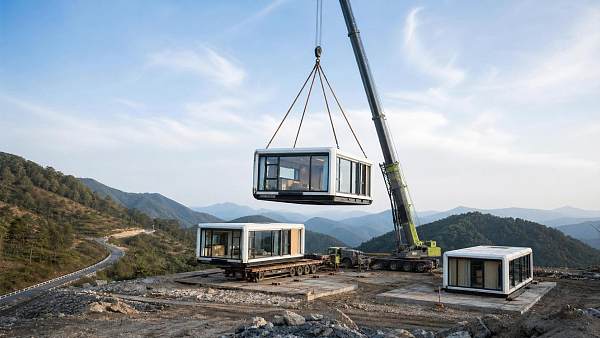
This is especially relevant for temporary or semi-permanent tourism projects, where screw piles, micro-piles, or elevated steel platforms are used to reduce site disturbance. These systems can perform well, but they require site-specific calculations. Soil moisture, frost depth, erosion, and slope stability all affect long-term wind resistance. Procurement teams should therefore evaluate the building-and-foundation package as one system rather than as two separate contracts whenever possible.
How Buyers Should Compare Suppliers and Specifications
A structured comparison process helps buyers move beyond generic claims. In modular hospitality procurement, supplier offers often look similar on the surface: galvanized steel frame, insulated wall panel, tempered glass, rapid installation. Yet the commercial risk can differ sharply depending on how much verified engineering sits behind those words. A disciplined bid review should score technical clarity, adaptation to local wind conditions, and after-sales support, not only unit price.
One effective method is to divide evaluation into three tiers: baseline compliance, operational resilience, and lifecycle efficiency. Baseline compliance asks whether the modular building meets the site’s required wind load assumptions. Operational resilience considers whether it can maintain guest comfort and limit storm-related disruptions. Lifecycle efficiency estimates how much inspection, replacement, and repair the unit may need over 5, 10, or 15 years.
For distributors and sourcing agents, documentation quality is also a commercial signal. Suppliers that can provide structured drawings, calculation summaries, material schedules, and installation guidance within 7 to 14 days are usually easier to coordinate across cross-border projects. Vague or inconsistent documentation often leads to rework, approval delays, and disputes over responsibility once the unit reaches site.
TVM’s benchmarking approach is useful here because it emphasizes raw engineering metrics. Instead of asking whether a unit is “premium,” buyers ask whether frame deflection, anchor spacing, thermal envelope performance, and service load assumptions are disclosed in a consistent way. This improves comparability between manufacturers and supports more transparent technical-commercial negotiation.
Sample supplier evaluation matrix
The following matrix can be adapted for procurement review meetings, distributor screening, or pre-award technical clarification.
Using a matrix like this helps procurement teams compare bids consistently across 3 to 5 vendors. It also gives commercial evaluators a defensible framework for explaining why a slightly higher initial price may represent lower operational risk and better lifecycle value.
Red flags during quotation review
- Wind resistance stated without any reference to code, exposure, or structural assumptions.
- Supplier can quote finishes in detail but cannot provide connection drawings or anchor logic.
- Large glass façades offered with no discussion of frame deflection or hardware performance.
- No maintenance guidance for seals, coatings, or storm-season inspections over a 12-month cycle.
Implementation, Maintenance, and Long-Term Risk Control
Even a well-designed modular building can underperform if site execution is weak. In tourism projects, installation quality often determines whether the theoretical wind resistance becomes real-world resilience. Tolerance issues at the base frame, missed fasteners, inconsistent seal application, or poorly coordinated MEP penetrations can all reduce wind and weather performance. This is why post-delivery inspection is not optional for serious hospitality operators.
A practical implementation flow usually involves 4 stages: document review, foundation verification, module placement and anchoring, and final envelope inspection. Depending on site complexity, this can take 3 to 10 days per unit cluster for small projects, or several weeks for larger resorts with utility integration and elevated platforms. What matters is that the wind-resistance-critical checkpoints are documented before guest occupancy begins.
Maintenance planning should also be built into procurement from day one. Wind-related deterioration is often progressive rather than sudden. Sealants can age in 3 to 7 years depending on climate, exposed fasteners may loosen under repeated thermal cycling, and coastal corrosion can accelerate if protective coatings are not checked. A low annual inspection cost can prevent much higher capex later.
For operators managing multiple units across dispersed scenic sites, standardized maintenance protocols are especially valuable. Inspection forms should cover roof edges, anchors, glazing seals, door hardware, drainage paths, and any added rooftop equipment. A storm-season pre-check before peak weather periods and a post-event inspection within 24 to 72 hours are practical measures for reducing operational disruption.
Recommended risk-control checklist
- Confirm site wind assumptions before production starts, not after the units leave the factory.
- Require foundation tolerances and anchor locations to be checked before module delivery.
- Inspect roof edges, façade joints, and service penetrations immediately after installation.
- Set a 6-month or 12-month inspection rhythm depending on climate severity and occupancy intensity.
- Review added features such as awnings, signage, or solar panels, since these can alter wind behavior.
FAQ for research and sourcing teams
How much wind can most modular buildings handle in tourism use?
Many low-rise hospitality modular buildings are commonly specified within a 90 to 140 mph design range, but the correct target depends on site exposure, local code, building geometry, and foundation system. Buyers should always confirm the basis behind the number.Are modular buildings weaker than conventional construction in strong wind?
Not necessarily. A properly engineered modular building can perform very well in wind, especially when frame design, anchoring, and installation quality are well coordinated. The weak point is usually not the modular method itself, but incomplete system design or poor site execution.What should procurement teams ask for first?
Start with the design wind speed, code basis, exposure category, anchoring details, and any evidence of structural calculations or testing logic. These 5 items provide a faster and more reliable screening basis than finish schedules alone.How long does technical clarification usually take?
For organized suppliers, basic documentation review may take 7 to 14 days. If the site is complex, involves coastal exposure, or requires custom foundation adaptation, the technical clarification and approval process may extend to 3 to 6 weeks.For tourism developers, buyers, distributors, and commercial evaluators, the question is not simply whether a modular building can survive high wind, but whether it can do so with transparent engineering logic, reliable installation, and manageable lifecycle cost. The most useful procurement approach combines design wind rating, site exposure, anchoring strategy, envelope durability, and maintenance planning into one evaluation framework.
TerraVista Metrics supports that approach by translating manufacturing capability into measurable, decision-ready benchmarks for the global tourism supply chain. If you need help comparing modular building wind load resistance, reviewing supplier documentation, or building a more defensible hospitality procurement specification, contact us to discuss your project, request a customized evaluation framework, or learn more solutions tailored to tourism infrastructure sourcing.
Recommended News
 Oct 21, 2026Prefab Cabin Integration Testing: Power, HVAC, and Controls Checks Before DeliveryExplore prefab integration testing for cabins to verify power, HVAC, controls, and fault recovery before delivery. Discover key checks to reduce risk and make confident acceptance decisions.
 Oct 20, 2026What Is Modular Tourism, and Where Do Prefab Guest Cabins Make Sense?Explore modular tourism and discover where prefab guest cabins work best. Compare site access, approvals, infrastructure, and costs to plan a smarter tourism investment.
 Oct 19, 2026How Do You Prevent Condensation Inside an Eco Cabin?How do I stop condensation inside an eco cabin? Discover practical ventilation, humidity control, and insulation tips to reduce dampness and keep your cabin dry and comfortable.
 Oct 18, 2026How Much Does an Eco Cabin Cost Including Delivery and Installation?How much does an eco cabin cost once delivery and installation are included? Discover hidden site costs, compare quotes, and build a reliable guest-ready budget before you buy.
 Oct 17, 2026Why Is a Well-Insulated Cabin Still Expensive to Cool?Why is a well-insulated cabin still expensive to cool? Uncover hidden solar gain, air leaks, humidity, and HVAC issues—and learn how to cut cooling costs without sacrificing comfort.
 Oct 16, 2026Can a Modular Cabin Be Relocated Without Voiding Its Warranty?Can a modular cabin be relocated without losing its warranty? Discover the approval, transport, and reinstallation steps that help protect coverage and avoid costly relocation mistakes.
 Oct 15, 2026Do Cracks Around Cabin Joints Require an Engineering Inspection?Do cracks around cabin joints need an engineering inspection? Discover key warning signs, when monitoring is appropriate, and how to choose the right next step before repairs.
 Oct 15, 2026How Do You Verify a Prefab Cabin's Wind-Load Rating?How do I verify a prefab cabin's wind-load rating? Discover the engineering reports, site checks, and anchorage details you need to assess supplier claims and buy with confidence.
 Oct 14, 2026What Makes Eco Cabins Sustainable? Materials, Energy Use, and Site ImpactWhat makes eco cabins truly sustainable? Explore materials, energy use, and site impact, plus the evidence you need to compare options and make smarter, greener choices.
 Sep 22, 2026Industrial Compressors: How to Size Air Capacity and Pressure for Factory DemandIndustrial compressors sizing guide: calculate factory air capacity, end-use pressure, peak demand, receiver storage, leakage, and energy-efficient system performance.
 Sep 09, 2026Sustainable Building Materials Pricing: How Buyers Compare Cost, Life Cycle, and RiskSustainable building materials pricing explained: compare installed cost, life-cycle value, carbon evidence, and supply-chain risk for smarter procurement decisions.
 Aug 29, 2026How to Assess Modular Building Suitability for Middle East Climate and Site ConditionsModular building assessment Middle East: evaluate heat, dust, corrosion, logistics, compliance, and lifecycle value for resilient site-ready projects.
 Aug 16, 2026EU Sets Mandatory Carbon Footprint Certification for Imported Modular CabinsEU mandatory carbon footprint certification will reshape imported modular cabins compliance from 2027. Learn key EU rules, EN 15804+A2 impacts, exporter risks, and how to prepare early.
 Aug 12, 2026New Exit Compliance Rule Reshapes Bids and AI Travel ProofExit compliance rule now reshapes bids and AI travel proof, raising export compliance demands for glamping tents, modular cabins, smart lighting, and kiosk tech. Learn what changes first.
 Jul 13, 2026EU Fire Rule Tightens Testing for Modular CabinsEU Fire Rule Tightens Testing for Modular Cabins: learn how EN 13501-1:2026 shifts CE compliance to component fire testing, impacts lead times, and affects EU export planning.
 Jul 12, 2026Prefab Thermal Efficiency Analysis: Which Metrics Matter for Off-Grid Cabin Design?Prefab thermal efficiency analysis for off-grid cabins: discover the key metrics that shape energy use, comfort, moisture control, and smarter supplier selection.
 Jul 11, 2026EN 16893:2026 Takes Effect for Modular CabinsEN 16893:2026 takes effect for modular cabins in the EU, making third-party verification essential for customs, listing, and project approval. Learn the key compliance changes now.
 Jul 10, 2026China Customs Tightens EU Modular Cabin DeclarationsChina Customs tightens EU Modular Cabin declarations: learn the new EN 16893:2026 and CNAS filing rules, 72-hour delay risks, and how exporters can stay compliant.
 Jul 09, 2026Berlin ITMA 2026 Adds Modular Cabins ZoneBerlin ITMA 2026 adds a Modular Cabins Zone for carbon-neutral prefab solutions, featuring verification, compatibility testing, and cross-border sourcing insights. See what buyers and suppliers should watch.
 Jul 09, 2026Modular Tourism Structures Cost: 7 Factors That Affect Budget, Transport, and InstallationModular tourism structures cost explained: discover the 7 key factors shaping budget, transport, and installation, and learn how to avoid hidden expenses before signing.
 Jul 07, 2026Vietnam Enforces New Import Rules for Modular CabinsVietnam Enforces New Import Rules for Modular Cabins: learn how VNSP registration, QR labeling, and LCA carbon filings affect customs clearance, supplier readiness, and delivery risk.
![]() Jul 06, 2026Vietnam Mandates QR Traceability Labels for Modular CabinsVietnam mandates QR traceability labels for Modular Cabins from July 15, 2026. Learn the new compliance rules, port return risks, and key actions for exporters and buyers.
Jul 06, 2026Vietnam Mandates QR Traceability Labels for Modular CabinsVietnam mandates QR traceability labels for Modular Cabins from July 15, 2026. Learn the new compliance rules, port return risks, and key actions for exporters and buyers. Jul 05, 2026Pre-Engineered Cabins Buying Guide: Key Specs, Layout Options, and Cost FactorsPre-engineered cabins buying guide covering key specs, layout options, and real cost factors. Learn how to compare suppliers, avoid hidden costs, and choose units built for long-term performance.
 Jul 04, 2026How to Choose Insulated Hospitality Units for Year-Round Resorts and Remote SitesInsulated hospitality units for year-round resorts and remote sites: learn how to compare thermal performance, durability, compliance, and lifecycle cost for smarter investment decisions.
{item.publish_time}{item.title}{item.description}Quarterly Executive Summaries Delivered Directly.
Join 50,000+ industry leaders who receive our proprietary market analysis and policy outlooks before they hit the public library.