Search News
TerraVista Metrics (TVM)Industry Portal
TerraVista Metrics (TVM)Hot Articles
TerraVista Metrics (TVM)- Winnebago Q4 Revenue Falls 17% to $645.1 Million as Full-Year Profit RisesWinnebago Q4 revenue fell 17% to $645.1 million as full-year profit rose. Explore RV shipment trends, product mix shifts and what fiscal 2027 earnings guidance signals.
- Choosing Large Play Equipment for Parks: Space, Age Groups, and SafetyChoose large play equipment with confidence. Explore park space planning, age suitability, safety standards, and lifetime costs to create a safer, more inclusive playground.
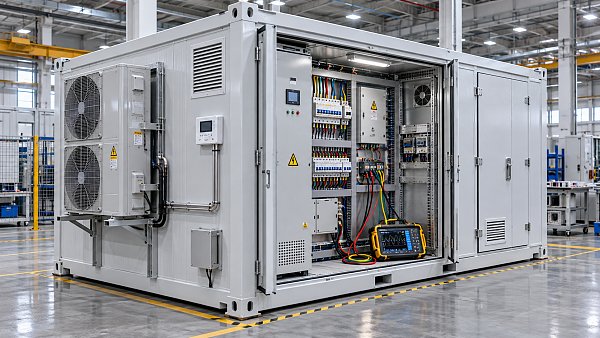
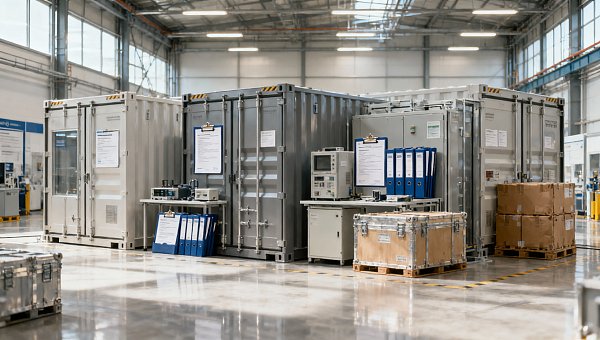
- Prefab Cabin Integration Testing: Power, HVAC, and Controls Checks Before DeliveryExplore prefab integration testing for cabins to verify power, HVAC, controls, and fault recovery before delivery. Discover key checks to reduce risk and make confident acceptance decisions.
Popular Tags
TerraVista Metrics (TVM)Industry NewsModular Building Wind Load Resistance Guide
auth.Julian Thorne (Sustainable Infrastructure Architect)Time
Oct 21, 2026Click Count
For tourism architects, procurement teams, and hospitality benchmarking professionals, modular building wind load resistance is no longer a niche concern but a core metric for safe, scalable development. As eco-friendly cabins, smart hotel IoT systems, and advanced hospitality ecosystem projects expand into diverse climates, understanding structural durability helps buyers compare suppliers, reduce risk, and align performance with long-term operational goals.
Why wind load resistance matters in modular tourism infrastructure
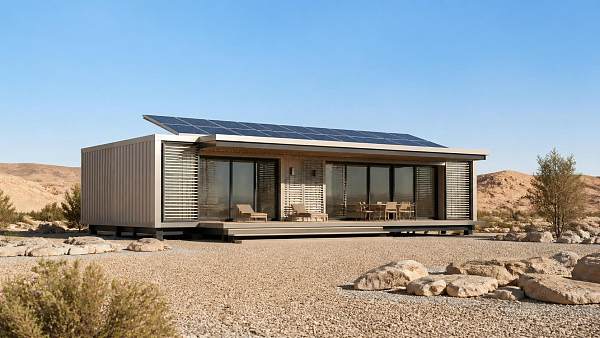
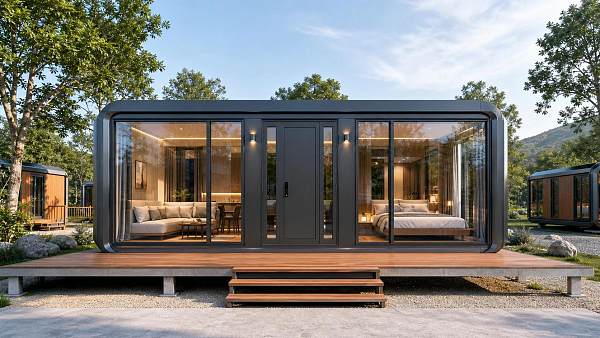
In tourism and hospitality projects, modular building wind load resistance affects more than structural safety. It influences insurance acceptance, maintenance planning, guest confidence, site licensing, and long-term asset value. A prefab glamping cabin installed on a coastal ridge, a modular reception block in a desert resort, and a smart service pod in a mountain destination face very different wind exposure conditions, even when the floor plan looks similar.
For information researchers and business evaluators, the first challenge is that supplier brochures often describe a unit as “durable” or “weather resistant” without clarifying design wind speed, anchoring logic, uplift resistance, or test boundaries. In practice, procurement teams usually need to verify at least 4 core items: structural frame behavior, envelope fastening method, foundation connection, and local code alignment. Missing any one of these can create downstream redesign costs within 2–6 weeks.
Wind load resistance becomes even more important in tourism because projects are frequently built in visually attractive but environmentally demanding sites. Coastal destinations, open plains, cliffside viewpoints, lakefront eco-resorts, and semi-remote wilderness lodges all experience changing wind pressure, suction, and gust conditions. The result is that modular construction cannot be assessed only by appearance, transport convenience, or installation speed.
TerraVista Metrics (TVM) approaches this issue as a benchmarking problem, not a marketing problem. Instead of relying on surface claims, TVM helps stakeholders compare raw engineering indicators across suppliers and solutions. That is especially useful when procurement decisions involve 3–5 candidate manufacturers, mixed climate deployment, and cross-border sourcing from factories that may follow different structural assumptions.
What buyers should understand before comparing suppliers
- A modular unit may have a strong frame but still perform poorly if cladding fixings, roof edge details, or corner joints are weak under cyclic wind pressure.
- Declared wind resistance is only meaningful when linked to a code basis, a site category, and a defined installation method rather than a standalone number.
- Tourism assets often need repeatable deployment across low-, medium-, and high-exposure sites, so procurement should focus on a configurable system rather than a one-off product statement.
Which technical factors actually determine modular building wind load resistance?
When buyers ask whether a modular building can handle wind, the answer depends on a system of interrelated components. Structural engineers typically assess design wind actions through code-based calculations that consider basic wind speed, terrain exposure, height, building geometry, internal pressure effects, and load path continuity. For modular tourism units, this analysis must be translated into practical procurement language so non-engineering teams can compare offers with confidence.
The frame is the first layer. Steel light-gauge systems, hot-rolled steel frames, engineered timber structures, and hybrid assemblies each respond differently to lateral forces and uplift. However, frame strength alone does not decide total performance. If the roof diaphragm, wall-to-floor connection, or hold-down anchors are under-specified, the unit can fail at the connection level before the main members reach their design capacity.
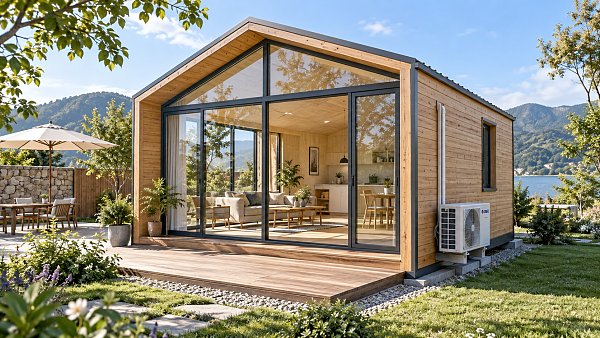
The second layer is the building envelope. Roof panels, insulated sandwich boards, glazing systems, louvers, doors, and façade trims are all exposed to local pressure peaks. In many tourism projects, the most visible damage under severe wind events starts with detached roof edges, failed sealants, or deformed openings. Procurement teams should therefore review envelope fastening spacing, corner reinforcement details, and permissible opening sizes, especially for panoramic cabins with large glass areas.
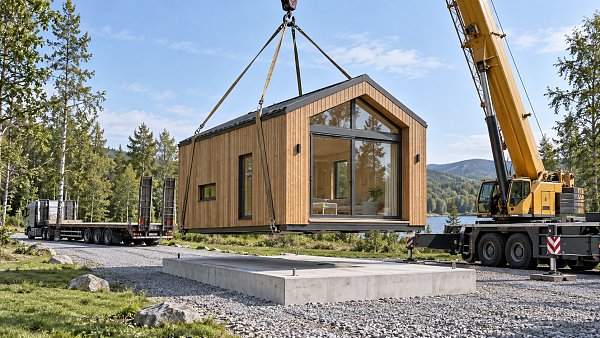
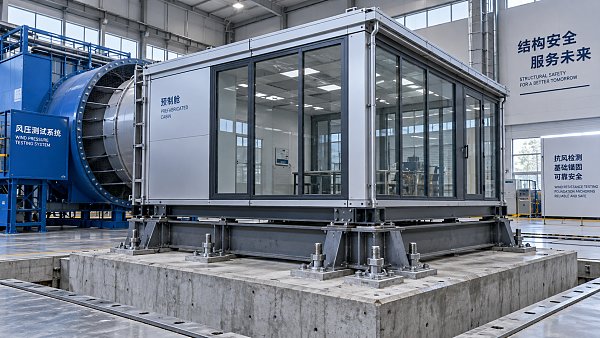
The third layer is the support condition. A modular building installed on a reinforced slab behaves differently from one supported by steel piles, screw foundations, piers, or adjustable stilt systems. In exposed sites, the anchoring and foundation interface often determine whether the complete module can resist uplift and overturning during peak gust events. For this reason, TVM emphasizes full-system evaluation rather than isolated component claims.
Key performance dimensions to request from suppliers
Before requesting quotations, it helps to standardize your evaluation sheet. The table below shows practical dimensions that tourism developers, distributors, and procurement managers can use when reviewing modular building wind load resistance across multiple vendors.
This comparison framework reduces ambiguity. Instead of asking whether a unit is “storm proof,” buyers can ask whether the supplier has documented a complete load path, specified anchor reactions, and matched the product to a site exposure category. That shift usually improves technical alignment in the first 1–2 procurement rounds and prevents unsuitable proposals from moving too far into commercial negotiation.
Typical technical checkpoints
- Check whether the quoted wind performance refers to the assembled installed condition, not only the module in factory form.
- Confirm if large glazing, canopies, solar attachments, or rooftop equipment change the original wind load assumptions.
- Ask whether maintenance intervals for sealants, fasteners, and exposed hardware are expected every 6 months, annually, or after extreme weather events.
How should procurement teams compare modular systems for low, medium, and high wind exposure?
Not every tourism project requires the same wind resistance strategy. A modular staff room inside an urban hospitality complex may face lower exposure than a detached guest cabin on an island or plateau. Buyers therefore need a scenario-based selection model. This is particularly relevant for distributors and agents who serve different regions and need to recommend an appropriate specification tier without overengineering every project.
A practical way to compare options is to divide projects into three broad exposure groups: sheltered or urban-adjacent sites, moderately open resort sites, and highly exposed coastal, elevated, or remote locations. These are not formal code categories, but they provide a commercial screening tool before full engineering review. Within each group, the required frame depth, anchoring complexity, and envelope detailing can vary substantially.
For projects with 10–50 units, standardization matters as much as raw strength. Procurement teams often save time by using a modular platform with 2–3 prequalified structural variants rather than sourcing entirely different products for each site. This allows repeatable installation procedures, faster spare parts management, and clearer distributor training. TVM’s benchmarking value is strongest here because it translates product differences into measurable decision factors.
The table below summarizes a practical comparison route for modular building wind load resistance across common tourism deployment conditions. It is not a substitute for local engineering design, but it is an effective shortlist tool for early-stage procurement and feasibility studies.
This type of comparison helps avoid a common procurement mistake: selecting by visible design and nominal price first, then discovering that the module needs extensive reinforcement after site review. In exposed tourism locations, those late changes may affect lead times by 3–8 weeks and create avoidable logistics and installation variation.
Scenario-specific selection questions
- Will the building be installed at grade, on piers, on stilts, or on a sloped terrain support frame?
- Does the design include large openings, roof overhangs, deck structures, or attached mechanical equipment that increase wind sensitivity?
- Is the buyer planning a prototype batch of 1–5 units or a scaled rollout that requires repeatable structural documentation?
What standards, documents, and compliance checks should buyers request?
Procurement teams do not always need a full structural calculation package at the first conversation, but they do need enough documentation to separate engineered solutions from generic claims. In cross-border hospitality sourcing, especially when evaluating Chinese manufacturing for international deployment, the most useful approach is to request code references, drawing logic, material specifications, and installation assumptions in a standardized review pack.
Wind load resistance is commonly assessed under national or regional structural standards, and the exact code will vary by destination market. What matters for commercial review is whether the supplier can clearly state the design basis used, where the limits apply, and which project variables still require local engineer confirmation. Buyers should be cautious if documents mention compliance in broad terms but do not identify load assumptions, exposure conditions, or assembly dependencies.
A strong technical submittal often includes 5 core document types: general arrangement drawings, structural framing details, material grade schedules, anchoring details, and installation notes. For more demanding projects, buyers may also request finite element analysis summaries, third-party material certificates, corrosion protection information, and façade component test references where available. The goal is not paperwork volume but verification clarity.
TVM is valuable at this stage because many non-engineering buyers struggle to interpret inconsistent submissions from different vendors. By benchmarking data points into a common review format, TVM helps procurement teams compare durability claims across prefab cabins, modular hospitality blocks, and integrated tourism hardware ecosystems without losing time in translation or presentation bias.
A practical compliance checklist for commercial evaluation
- Request the design standard or code family used for wind actions and structural member checks, plus any limitation on region, height, or occupancy category.
- Confirm whether the quoted solution includes the foundation connection concept or assumes client-side engineering for base supports.
- Review corrosion and material protection strategy for tourism environments with salt spray, humidity cycling, or seasonal condensation.
- Ask for a list of design exclusions so commercial teams know what still needs local consultant input before final approval.
Common document timing in procurement
As a general market practice, concept-level technical packs may be available in 7–15 days, while project-adapted engineering review sets often require 2–4 weeks depending on complexity, site data, and customization level. If a project includes unusual geometry, elevated decks, or integrated smart systems mounted on the building shell, additional coordination time is usually needed.
Common procurement mistakes, cost risks, and how to avoid them
The biggest mistake in modular building wind load resistance procurement is treating wind as a simple yes-or-no checkbox. In reality, two offers may both claim compliance while relying on different terrain assumptions, installation details, or accessory limitations. This creates hidden commercial risk. A lower-priced module may appear attractive until the buyer adds upgraded anchors, glazing restrictions, corrosion treatment, and field modifications that were not included in the original quote.
Another frequent problem is evaluating the core module but ignoring attached elements. Tourism buildings often include shade structures, decks, rooftop solar, external condensers, signage, and panoramic glazing. Each one changes wind behavior. If these elements are designed by separate subcontractors, the procurement team should define 3 coordination checkpoints: base module review, accessory interface review, and final installed-condition review before shipment.
Budget constraints also lead to false economy. Some projects attempt to standardize one low-cost configuration across multiple climate zones. That may work for sheltered inland destinations, but it can become expensive in exposed areas where retrofits require extra freight, on-site labor, and schedule recovery. In many cases, a tiered specification strategy is financially healthier than a one-size-fits-all purchase model.
For distributors and agents, the commercial risk includes reputational exposure. If a modular unit underperforms in a visible hospitality project, the distributor often absorbs the first wave of complaints, even when the root cause lies in mismatched site assumptions. A disciplined pre-sales technical review therefore protects both project outcomes and channel relationships.
High-value risk controls before issuing a purchase order
- Define the actual site exposure, altitude, and terrain context before comparing prices. Early site ambiguity creates expensive revisions later.
- Ask for exclusions in writing, especially around foundations, local approvals, attached structures, and equipment loads.
- Evaluate maintenance implications over a 12–24 month operating window, not only factory delivery cost.
- Use a benchmark matrix so commercial and technical scoring remain aligned during supplier negotiation.
FAQ: buyer-focused questions
The following questions reflect common search intent around modular building wind load resistance and are especially relevant for tourism developers, sourcing managers, and project evaluators working across multiple climates.
How do I know whether a wind resistance claim is meaningful?
A meaningful claim should identify the design standard, wind assumptions, installation condition, and any limitations on terrain, building height, or add-on features. If a supplier only provides a broad statement without these boundaries, it is difficult to compare the product fairly with other offers.
Are modular cabins suitable for coastal or high-altitude tourism sites?
Yes, but usually with site-specific upgrades. Buyers should expect closer review of uplift paths, corrosion protection, façade fixings, and foundation anchorage. These projects often require a more detailed engineering package than standard inland installations.
What should procurement teams prioritize when time is limited?
If schedules are compressed, prioritize 5 checks: code basis, connection details, anchoring concept, envelope limitations, and document completeness. Those items usually identify whether a supplier is technically mature enough for serious consideration.
Does stronger wind resistance always mean much higher cost?
Not always. Cost increases depend on whether the upgrade is achieved through better connection design, thicker members, denser fixings, enhanced glazing, or more complex foundations. Early optimization often costs less than late retrofit work after procurement.
Why work with TVM when evaluating modular building wind load resistance?
TVM supports tourism and hospitality procurement by converting fragmented technical claims into comparable engineering intelligence. That matters when you are assessing prefabricated cabins, modular service buildings, or integrated hospitality infrastructure from several manufacturers and need a clear basis for commercial decisions. Instead of judging by appearance, branding language, or incomplete brochures, buyers can review structural logic, durability indicators, and system compatibility in a more disciplined way.
For information researchers, TVM helps clarify what questions matter. For procurement teams, it helps create a more reliable shortlist. For business evaluators, it reduces uncertainty around technical fit and lifecycle exposure. For distributors and agents, it supports more credible regional recommendations. This is especially useful when a project pipeline includes multiple site types, phased deployment, or mixed product categories within the broader tourism supply chain.
If you are comparing suppliers for modular building wind load resistance, we can help you review parameter ranges, identify missing technical inputs, compare structural assumptions, and organize document requests before quotation finalization. We can also support discussions around delivery timing, customization scope, compliance expectations, and suitability for specific tourism environments.
Contact TVM to discuss 4 practical topics: parameter confirmation, model and configuration selection, project-specific delivery windows, and documentation required for local approval or investor review. If you need a structured benchmark for samples, quotations, or supplier comparison across 2–5 candidates, that conversation can start with your existing drawings, datasheets, or procurement checklist.
Recommended News
 Oct 21, 2026Prefab Cabin Integration Testing: Power, HVAC, and Controls Checks Before DeliveryExplore prefab integration testing for cabins to verify power, HVAC, controls, and fault recovery before delivery. Discover key checks to reduce risk and make confident acceptance decisions.
 Oct 20, 2026What Is Modular Tourism, and Where Do Prefab Guest Cabins Make Sense?Explore modular tourism and discover where prefab guest cabins work best. Compare site access, approvals, infrastructure, and costs to plan a smarter tourism investment.
 Oct 19, 2026How Do You Prevent Condensation Inside an Eco Cabin?How do I stop condensation inside an eco cabin? Discover practical ventilation, humidity control, and insulation tips to reduce dampness and keep your cabin dry and comfortable.
 Oct 18, 2026How Much Does an Eco Cabin Cost Including Delivery and Installation?How much does an eco cabin cost once delivery and installation are included? Discover hidden site costs, compare quotes, and build a reliable guest-ready budget before you buy.
 Oct 17, 2026Why Is a Well-Insulated Cabin Still Expensive to Cool?Why is a well-insulated cabin still expensive to cool? Uncover hidden solar gain, air leaks, humidity, and HVAC issues—and learn how to cut cooling costs without sacrificing comfort.
 Oct 16, 2026Can a Modular Cabin Be Relocated Without Voiding Its Warranty?Can a modular cabin be relocated without losing its warranty? Discover the approval, transport, and reinstallation steps that help protect coverage and avoid costly relocation mistakes.
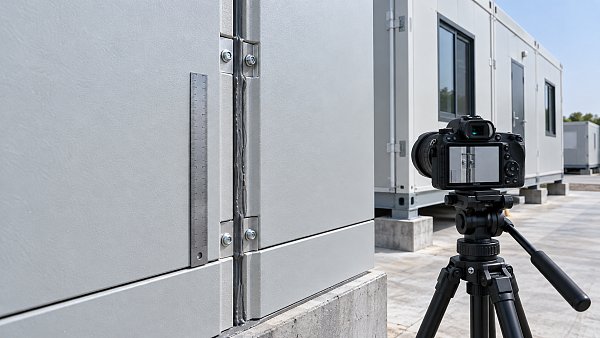
 Oct 15, 2026Do Cracks Around Cabin Joints Require an Engineering Inspection?Do cracks around cabin joints need an engineering inspection? Discover key warning signs, when monitoring is appropriate, and how to choose the right next step before repairs.
 Oct 15, 2026How Do You Verify a Prefab Cabin's Wind-Load Rating?How do I verify a prefab cabin's wind-load rating? Discover the engineering reports, site checks, and anchorage details you need to assess supplier claims and buy with confidence.
 Oct 14, 2026What Makes Eco Cabins Sustainable? Materials, Energy Use, and Site ImpactWhat makes eco cabins truly sustainable? Explore materials, energy use, and site impact, plus the evidence you need to compare options and make smarter, greener choices.
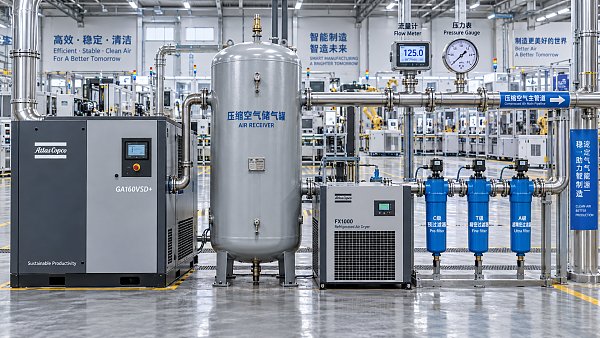
 Sep 22, 2026Industrial Compressors: How to Size Air Capacity and Pressure for Factory DemandIndustrial compressors sizing guide: calculate factory air capacity, end-use pressure, peak demand, receiver storage, leakage, and energy-efficient system performance.
 Sep 09, 2026Sustainable Building Materials Pricing: How Buyers Compare Cost, Life Cycle, and RiskSustainable building materials pricing explained: compare installed cost, life-cycle value, carbon evidence, and supply-chain risk for smarter procurement decisions.
 Aug 29, 2026How to Assess Modular Building Suitability for Middle East Climate and Site ConditionsModular building assessment Middle East: evaluate heat, dust, corrosion, logistics, compliance, and lifecycle value for resilient site-ready projects.
 Aug 16, 2026EU Sets Mandatory Carbon Footprint Certification for Imported Modular CabinsEU mandatory carbon footprint certification will reshape imported modular cabins compliance from 2027. Learn key EU rules, EN 15804+A2 impacts, exporter risks, and how to prepare early.
 Aug 12, 2026New Exit Compliance Rule Reshapes Bids and AI Travel ProofExit compliance rule now reshapes bids and AI travel proof, raising export compliance demands for glamping tents, modular cabins, smart lighting, and kiosk tech. Learn what changes first.
 Jul 13, 2026EU Fire Rule Tightens Testing for Modular CabinsEU Fire Rule Tightens Testing for Modular Cabins: learn how EN 13501-1:2026 shifts CE compliance to component fire testing, impacts lead times, and affects EU export planning.
 Jul 12, 2026Prefab Thermal Efficiency Analysis: Which Metrics Matter for Off-Grid Cabin Design?Prefab thermal efficiency analysis for off-grid cabins: discover the key metrics that shape energy use, comfort, moisture control, and smarter supplier selection.
 Jul 11, 2026EN 16893:2026 Takes Effect for Modular CabinsEN 16893:2026 takes effect for modular cabins in the EU, making third-party verification essential for customs, listing, and project approval. Learn the key compliance changes now.
 Jul 10, 2026China Customs Tightens EU Modular Cabin DeclarationsChina Customs tightens EU Modular Cabin declarations: learn the new EN 16893:2026 and CNAS filing rules, 72-hour delay risks, and how exporters can stay compliant.
 Jul 09, 2026Berlin ITMA 2026 Adds Modular Cabins ZoneBerlin ITMA 2026 adds a Modular Cabins Zone for carbon-neutral prefab solutions, featuring verification, compatibility testing, and cross-border sourcing insights. See what buyers and suppliers should watch.
 Jul 09, 2026Modular Tourism Structures Cost: 7 Factors That Affect Budget, Transport, and InstallationModular tourism structures cost explained: discover the 7 key factors shaping budget, transport, and installation, and learn how to avoid hidden expenses before signing.
 Jul 07, 2026Vietnam Enforces New Import Rules for Modular CabinsVietnam Enforces New Import Rules for Modular Cabins: learn how VNSP registration, QR labeling, and LCA carbon filings affect customs clearance, supplier readiness, and delivery risk.
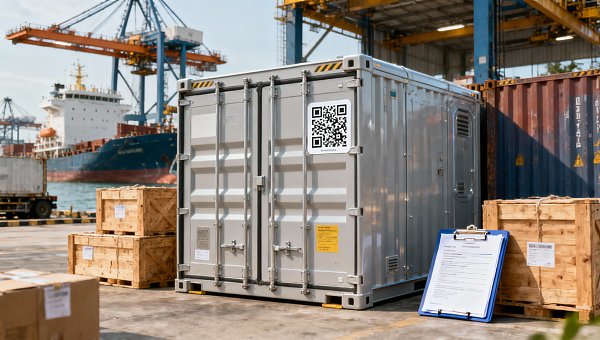
![]() Jul 06, 2026Vietnam Mandates QR Traceability Labels for Modular CabinsVietnam mandates QR traceability labels for Modular Cabins from July 15, 2026. Learn the new compliance rules, port return risks, and key actions for exporters and buyers.
Jul 06, 2026Vietnam Mandates QR Traceability Labels for Modular CabinsVietnam mandates QR traceability labels for Modular Cabins from July 15, 2026. Learn the new compliance rules, port return risks, and key actions for exporters and buyers. Jul 05, 2026Pre-Engineered Cabins Buying Guide: Key Specs, Layout Options, and Cost FactorsPre-engineered cabins buying guide covering key specs, layout options, and real cost factors. Learn how to compare suppliers, avoid hidden costs, and choose units built for long-term performance.
 Jul 04, 2026How to Choose Insulated Hospitality Units for Year-Round Resorts and Remote SitesInsulated hospitality units for year-round resorts and remote sites: learn how to compare thermal performance, durability, compliance, and lifecycle cost for smarter investment decisions.
{item.publish_time}{item.title}{item.description}Quarterly Executive Summaries Delivered Directly.
Join 50,000+ industry leaders who receive our proprietary market analysis and policy outlooks before they hit the public library.